Visualizar em escala
 Enviar
 Compartilhar
 Ver detalhes
 Guia de Obras do Aluno

 Baixar imagem
 Semelhantes
 Raio X
 Apresentação de slides
 Estatísticas
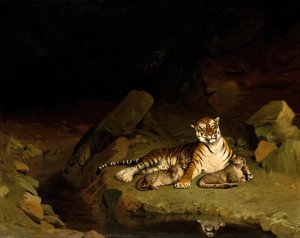
Phyrne before the Areopagus


 Ver mais
Giclée / Impressão de Arte
Impressão giclée ou em tela de qualidade de museu, com produção rápida e opções flexíveis de acabamento. ( Encomendar reprodução pintada à mão Ver Imagem Digital)




P118B €10

P118H €10

P118W €10

P438Z €10

P508JH €12

P508YH €12

P805H €10

P805Z €10

P919BZ €10

P919G €10

P919XJ €10

P959ZH €10

P968JZ €12

W106C €8

W218G €10

W218JH €8

W218Y €10

W307PJ €10

W316G €10

W316PJ €8

W316Y €10

W398PJ €8

W4111J €10

W500HY €15

W500JH €15

W692G €12

W849H €8

W940BG €15

W953PJ €8




Escolha entre os nossos tamanhos pré-definidos que respeitam as proporções originais da obra de arte.

Digite a largura e a altura de que necessita, para se ajustar à sua moldura ou à sua parede. Uma impressão só pode ser cortada, nunca ampliada além da imagem original, pelo que um tamanho com uma proporção diferente perderá parte da imagem. Enviamos-lhe uma maquete digital para aprovação antes de imprimirmos qualquer coisa. A imagem apresentada nesta página não mostra o corte real — apenas a maquete o faz.
Entrega mundial () em 2 semanas, em vez das 4/5 semanas padrão. (24 Outubro)

Envio expresso gratuito para todo o mundo

Tela de Linho Premium

Seguro de transporte total

Garantia de Reembolso de Impostos Alfandegários

Garantia de Fidelidade de Cor

Política de Devolução em 100 Dias (Apenas para Defeitos)

Garantia de reembolso de 100%

Desconto para múltiplas unidades
 A opção de vidro está disponível apenas para tamanhos inferiores a 110 cm

Phyrne before the Areopagus
Giclée / Impressão de Arte
Dimensões da Reprodução
-


Preço Total
€ 70
The Dramatic Tableau of Jean Léon Gérôme
Jean Léon Gérôme’s “Phyrne Before the Areopagus,” painted in 1861, isn't merely a historical scene; it’s a meticulously crafted stage for an ancient drama. This oil-on-canvas masterpiece, now residing within the esteemed collection of the Hamburger Kunsthalle in Hamburg, exemplifies Academicism at its most potent – a style characterized by rigorous research, painstaking detail, and a commitment to portraying history with unwavering accuracy. Gérôme, a master storyteller through his art, transports us directly into the heart of 1st-century Athens, capturing not just an event but the very atmosphere of judgment and consequence.
A Scene of Ancient Justice
The painting depicts a pivotal moment within the Athenian legal system – the Areopagus, a council of elders presided over by Phyrne. The scene unfolds outdoors, bathed in a diffused light that lends an air of solemnity to the proceedings. A simple wooden bench provides a grounding element amidst the figures, while a trumpet held aloft suggests the imminent pronouncement of judgment. The composition is carefully balanced; Phyrne, positioned centrally and slightly elevated, commands attention as she awaits her fate. The faces of the assembled officials – Roman soldiers and magistrates – are etched with expressions ranging from stern contemplation to quiet anticipation, reflecting the gravity of the situation.
Technique and Academic Precision
Gérôme’s mastery lies in his meticulous rendering of detail. Observe the textures of the clothing—the draped robes of the officials, the simple garments of Phyrne – each meticulously painted to convey a sense of weight and material quality. The artist's use of oil paint allows for rich colors and subtle gradations, creating depth and realism within the scene. The architectural elements, particularly the backdrop featuring the Areopagus itself, are rendered with an almost photographic precision, demonstrating Gérôme’s dedication to historical accuracy. This commitment to detail is a hallmark of Academic painting – a style that prioritized observation and representation over spontaneous expression.
Symbolism and Narrative Weight
Beyond its historical depiction, “Phyrne Before the Areopagus” carries significant symbolic weight. The scene represents not just a legal trial but also the clash between cultures—the Roman administration overseeing Greek justice. Phyrne’s posture – poised yet vulnerable – suggests her uncertainty and the potential consequences of her actions. The trumpet call signifies the finality of judgment, while the faces of the officials embody the authority and impartiality (or perceived impartiality) of the Athenian legal system. The painting invites viewers to contemplate themes of justice, power, and cultural exchange—elements that resonate powerfully even today.
A Legacy of Dramatic Historical Painting
Jean-Léon Gérôme’s “Phyrne Before the Areopagus” stands as a testament to his skill and influence. His work helped shape the visual language of historical painting in the 19th century, inspiring generations of artists with his meticulous detail and dramatic storytelling. Reproductions of this compelling scene continue to captivate audiences, offering a glimpse into a distant past and prompting reflection on timeless themes of justice, power, and human drama. It remains a cornerstone of the Hamburger Kunsthalle’s collection and a powerful example of Academic art at its finest.
Perguntas e Respostas
Qual é a saturação de cor de "Phyrne before the Areopagus" de Jean-Léon Gérôme?
"Phyrne before the Areopagus" de Jean-Léon Gérôme é registrado com uma saturação de Subtle Color.
Qual artista e qual estilo estão por trás de "Phyrne before the Areopagus"?
Por trás de "Phyrne before the Areopagus" estão Jean-Léon Gérôme e o movimento Academicism.
Com que idade Jean-Léon Gérôme criou "Phyrne before the Areopagus"?
Quando "Phyrne before the Areopagus" foi criada em 1861, Jean-Léon Gérôme — nascido(a) em 1824 — tinha 37 anos.
Biografia do Artista
A Master of Narrative Detail: The Life and Art of Jean-Léon Gérôme
Jean-Léon Gérôme, um nome sinônimo da pintura académica francesa do século XIX, foi muito mais do que apenas um habilidoso técnico; ele era um contador de histórias que cativava o público com cenas meticulosamente detalhadas, repletas de drama e fascínio exótico. Nascido em Vesoul em 1824, sua jornada artística começou sob a orientação do artista local Claude-Basile Cariage, lançando as bases para uma carreira que o veria se tornar, sem dúvida, um dos pintores mais celebrados da época. Mudando-se para Paris aos dezesseis anos, ele inicialmente estudou sob Paul Delaroche, um mestre na pintura histórica, e posteriormente frequentou a École des Beaux-Arts, absorvendo os princípios do treinamento clássico. No entanto, Gérôme rapidamente se distinguiu não apenas por imitação servil, mas por uma combinação inovadora de realismo meticuloso e narrativa dramática – uma combinação que definiria seu estilo único. Seu sucesso precoce com *The Cock Fight* em 1847 catapultou-o para a fama, estabelecendo-o como uma figura líder no movimento Neo-Grec, que buscava reviver temas clássicos com uma atenção renovada ao detalhe arqueológico.Da Grandiosidade Histórica às Visões Orientais
A amplitude artística de Gérôme era notavelmente vasta. Ele abordou temas históricos com um toque quase cinematográfico, imbuindo-os com um senso de imediatismo e profundidade psicológica. Sua monumental obra mural, *The Age of Augustus, the Birth of Christ*, encomendada como uma alegoria favorável para Napoleão III, demonstrou sua capacidade de lidar com composições complexas e narrativas grandiosas. Contudo, foi talvez em suas pinturas orientais que Gérôme realmente capturou a imaginação do público. Inspirado por viagens à Turquia, Egito e Norte da África, ele retratava cenas de harems, mercados movimentados e paisagens desérticas com um exotismo que fascinava e, sob uma ótica moderna, às vezes perpetuava estereótipos problemáticos. Pinturas como *Harem Women Feeding Pigeons in a Courtyard* tornaram-se enormemente populares, oferecendo ao público europeu um vislumbre de um mundo percebido como misterioso e sensual. Essas obras não eram meras cópias do que ele via; eram construções cuidadosamente elaboradas, combinando observação com imaginação para criar narrativas visuais convincentes. Ele não estava simplesmente documentando o Oriente; ele estava *criando*-o para o consumo ocidental, uma prática que, posteriormente, geraria críticas, mas inegavelmente contribuiu para seu amplo apelo.Um Pedagogo e Influenciador
Além de sua própria produção artística, Gérôme exerceu uma influência considerável como professor na École des Beaux-Arts. Seu ateliê tornou-se um terreno fértil para as futuras gerações de artistas, atraindo estudantes de toda a Europa e América. Entre seus alunos mais notáveis estavam Thomas Eakins, John Singer Sargent e Mary Cassatt – artistas que moldaram suas próprias trajetórias distintas, mas cujas bases foram inegavelmente influenciadas pelos princípios rigorosos de Gérôme e sua ênfase na habilidade técnica. Ele inculcou neles uma dedicação ao desenho, composição e à importância de estudar a vida. Embora suas visões artísticas conservadoras tenham por vezes entrado em conflito com os movimentos vanguardistas emergentes, seu impacto no desenvolvimento da arte americana, em particular, foi profundo. Seus alunos levaram seus princípios para o outro lado do Atlântico, estabelecendo seus próprios ateliês e perpetuando a tradição académica.Momentos Chave em uma Carreira Notável
- 1824: Nasce em Vesoul, França.
- 1840: Muda para Paris para estudar sob Paul Delaroche.
- 1847: Alcança reconhecimento precoce com *The Cock Fight* no Salão de Paris.
- 1852-1854: Recebe uma encomenda para *The Age of Augustus, the Birth of Christ* e viaja para Constantinopla, Grécia e Turquia.
- Final da Carreira: Transita para a escultura, criando obras policromas inspiradas na antiguidade clássica.
- 1904: Morre em Paris, deixando para trás um significativo legado artístico.
Influências e Legado
A obra de Gérôme foi profundamente influenciada pela pintura académica do século XIX, que valorizava a precisão técnica, o realismo detalhado e a representação idealizada da história e da mitologia. Delaroche, seu mentor inicial, desempenhou um papel fundamental na formação do estilo de Gérôme, ensinando-o a dominar as técnicas tradicionais de pintura a óleo e a criar obras que fossem ao mesmo tempo visualmente impressionantes e historicamente precisas. Além disso, suas viagens à Itália e ao Oriente Médio forneceram-lhe uma rica fonte de inspiração para suas pinturas orientais, que retratavam cenas da vida cotidiana, costumes e paisagens desses países com um olhar atento aos detalhes e uma sensibilidade artística refinada. Apesar das críticas que recebeu por sua representação estereotipada do Oriente e por sua adesão a convenções artísticas consideradas ultrapassadas, Gérôme é reconhecido como um dos pintores mais importantes do século XIX. Suas obras continuam a ser estudadas e admiradas por sua beleza técnica, seu drama narrativo e sua capacidade de transportar o espectador para outros tempos e lugares. Ele deixou uma marca indelével na história da arte, influenciando gerações de artistas e contribuindo para a formação do cânone académico da pintura. Sua habilidade em combinar realismo meticuloso com narrativa dramática estabeleceu um novo padrão para a representação histórica e exótica, e seu legado continua a ser debatido e reinterpretado até hoje.
Jean-Léon Gérôme
1824 - 1904 , França
Informações Rápidas
- Artistic Movement Or Style: Academicismo, Orientalismo
- Artists Or Movements Influenced By This Artist: ['Neo-Grec']
- Artists Who Influenced This Artist: ['Paul Delaroche']
- Date Of Birth: 11 Maio 1824
- Date Of Death: 10 Jan 1904
- Full Name: Jean-Léon Gérôme
- Nationality: Francês
- Notable Artworks:
- The Cock Fight
- Pollice Verso
- Snake Charmer
- Place Of Birth: Vesoul, França
Artigos Relacionados

The Enduring Power of Painting: A Historical & Contemporary Exploration of Form and Emotion
Explore the rich history & enduring techniques of oil painting with OriginalUniqueArt. Discover masterpieces, learn about art collecting, and find authentic handmade reproductions crafted by skilled artists.
Realismo Acadêmico: 10 Obras-Primas que Moldaram a História da Arte | OriginalUniqueArt
Descubra as 10 obras-primas do Realismo Acadêmico que revolucionaram a arte! Explore Bouguereau, Gérôme e Cabanel. Reproduções de alta qualidade para decorar sua casa com beleza clássica. Explore a coleção completa em OriginalUniqueArt.com.

Oil on Canvas: A Historical & Technical Exploration of a Timeless Artistic Medium
Explore the rich history & enduring techniques of oil painting on canvas. Discover the science behind its longevity, conservation practices, and contemporary relevance. Expert insights for art enthusiasts.

Jean-Léon Gérôme: Academic Rigor & Orientalist Visions Shaping 19th-Century French Painting
Explore the captivating world of Jean-Léon Gérôme, a master of 19th-century academic painting & orientalism. Discover his historical works, artistic techniques, and lasting influence on art history.

The Enduring Legacy of Oil on Canvas: Technique, History & Aesthetic Impact
Explore the rich history & techniques of oil painting – from Renaissance masters to Impressionism. Discover pigments, layering methods, and why this timeless medium endures. Expert insights for artists & art enthusiasts.