

 Visualizar em escala
 Enviar
 Compartilhar
 Ver detalhes
 Guia de Obras do Aluno

 Baixar imagem
 Semelhantes
 Raio X
 Apresentação de slides
 Estatísticas
Banhistas (Cena Estival)


 Ver mais
Reprodução em Óleo Feita à Mão
Óleo sobre tela pintado à mão no tamanho e moldura de sua escolha, feito sob encomenda pelos nossos artistas. ( Alternar para Impressão Ver Imagem Digital)




P118B €10

P118H €10

P118W €10

P438Z €10

P508JH €12

P508YH €12

P805H €10

P805Z €10

P919BZ €10

P919G €10

P919XJ €10

P959ZH €10

P968JZ €12

W106C €8

W218G €10

W218JH €8

W218Y €10

W307PJ €10

W316G €10

W316PJ €8

W316Y €10

W398PJ €8

W4111J €10

W500HY €15

W500JH €15

W692G €12

W849H €8

W940BG €15

W953PJ €8




Escolha entre os nossos tamanhos pré-definidos que respeitam as proporções originais da obra de arte.

Digite a largura e a altura de que necessita, para se ajustar à sua moldura ou à sua parede. Esta obra é pintada à mão, por isso, para um tamanho com uma proporção diferente, o artista pode pintar um pouco mais ao redor da imagem ou cortar um pouco — você escolhe. Enviamos-lhe uma maquete digital para aprovação antes de a pintura começar. A imagem exibida nesta página não mostra o resultado real — apenas a maquete mostra.
Após o pedido, a equipa OriginalUniqueArt.com enviará um e-mail ao cliente para solicitar instruções e fornecer uma prévia do esboço.
Entrega mundial () em 3 a 4 semanas, em vez das 5 semanas padrão. (24 Outubro). Sem comprometer a qualidade.

Envio expresso gratuito para todo o mundo

Tela de Linho Premium

Seguro de transporte total

Garantia de Reembolso de Impostos Alfandegários

Garantia de Fidelidade de Cor

Política de Devolução em 100 Dias (Apenas para Defeitos)

Garantia de reembolso de 100%

Desconto para múltiplas unidades
 A opção de vidro está disponível apenas para tamanhos inferiores a 110 cm

Banhistas (Cena Estival)
Técnica de Reprodução
Dimensões da Reprodução
-


Preço Total
€ 351
Uma Celebração da Vitalidade Juvenil: Jean Frédéric Bazille e “Bathers (Summer Scene)”
Jean Frédéric Bazille’s “Bathers (Summer Scene),” pintado em 1869, é uma obra que transcende a mera representação estética para se tornar um testemunho da alma do Impressionismo. Esta tela vibrante captura um momento fugaz de beleza e liberdade, transportando o espectador para uma piscina arborizada ensolarada onde jovens homens encontram alegria nas atividades cotidianas – nadar, disputar lutas amistosas e simplesmente absorver o calor do verão. Mais do que uma cena pitoresca, esta pintura representa uma ousadia artística que desafiou as convenções da época e consolidou Bazille como um dos artistas mais inovadores de seu tempo.Técnicas Impressionistas e Inovação Artística
Bazille dominou as técnicas impressionistas para capturar os efeitos efêmeros da luz e da atmosfera, uma característica marcante do movimento artístico que buscava romper com o academicismo dominante. Aplicação livre e fluida de pinceladas quebradas define a folhagem e a superfície da água, criando uma sensação de movimento ondulado e mágico. O artista demonstra um olhar atento à composição espacial, utilizando uma perspectiva suave para criar profundidade e ilusão de distância – uma abordagem que antecipa as futuras explorações pós-impressionistas. Sua paleta cromática é dominada por verdes exuberantes e azuis refrescantes, enriquecidos por manchas de ocres quentes que evocam a riqueza das cores naturais. Essa escolha estética reflete o desejo dos artistas impressionistas em capturar não apenas o aspecto visual do mundo exterior, mas também suas emoções e sensações.Desafiando Convenções Históricas e Culturais
Em uma época em que a pintura acadêmica privilegiava temas mitológicos ou históricos para cenas de nudez masculina, “Bathers (Summer Scene)” foi um marco na história da arte. Bazille desafiou diretamente as normas estéticas estabelecidas pelo período, apresentando figuras masculinas nuas em um ambiente contemporâneo e naturalístico – uma escolha que provocou debates sobre ética artística e liberdade de expressão. Esta obra reflete o crescente interesse dos artistas impressionistas em representar a vida cotidiana e experiências humanas comuns, rompendo com os padrões rígidos da arte tradicional e abrindo caminho para novas abordagens criativas.Simbolismo e Ressonância Emocional
A cena transmite uma atmosfera de despreocupação e alegria compartilhada, convidando o espectador à contemplação silenciosa e à reflexão sobre valores humanos fundamentais como beleza, liberdade e conexão com a natureza. Apesar da aparente simplicidade das formas e cores utilizadas, “Bathers (Summer Scene)” explora temas profundos que permanecem relevantes até hoje – a celebração da juventude, o prazer dos sentidos e a busca pela felicidade em meio às experiências cotidianas. É uma obra que permanece aberta à interpretação do observador, enriquecendo sua experiência estética e emocional.Uma Reprodução de Alta Qualidade para Sua Casa
OriginalUniqueArt oferece reproduções excepcionais de “Bathers (Summer Scene)” por Jean Frédéric Bazille, utilizando técnicas avançadas de impressão digital para garantir cores vibrantes e detalhes precisos. Uma obra de arte original como esta pode elevar o espírito da sua casa e inspirar conversas significativas sobre beleza artística e história da pintura impressionista. Explore nossa coleção hoje mesmo!Perguntas e Respostas
Quais pseudônimos ou nomes alternativos Jean Frédéric Bazille possui?
Outros nomes registrados para Jean Frédéric Bazille, criador de "Banhistas (Cena Estival)", incluem Frédéric Bazille.
Onde posso encontrar um guia para "Banhistas (Cena Estival)"?
A página Guia de "Banhistas (Cena Estival)" de Jean Frédéric Bazille oferece uma ficha informativa imprimível em duas folhas: a obra de arte com sua tabela de identificação, uma linha do tempo situando-a no período de vida do artista, outras obras do artista, a paleta de cores medida e citações prontas para copiar em quatro estilos.
Quem criou "Banhistas (Cena Estival)" e em qual estilo se encontra?
"Banhistas (Cena Estival)" foi criada por Jean Frédéric Bazille no estilo Impressionismo Francês. O artista e o movimento identificam a tradição da obra.
Biografia do Artista
The Brief Radiance of Jean Frédéric Bazille
Jean Frédéric Bazille’s story is one of immense promise tragically cut short, a fleeting yet significant contribution to the burgeoning Impressionist movement. Born in Montpellier, France, on December 6, 1841, into a prosperous Protestant family involved in wine production, Bazille initially seemed destined for a life far removed from the world of art. His parents, while supportive, insisted he pursue medical studies alongside his artistic inclinations – a compromise reflecting the societal expectations of the time and their desire for his financial security. This duality would shape his early years, dividing his attention between anatomical dissection and the captivating allure of color and light. However, it was within the vibrant atmosphere of Paris, where he relocated in 1862 to continue his medical training, that Bazille’s artistic path truly began to unfold.Forging a Path Amongst Giants
Paris proved to be a crucible for young Bazille. He quickly fell in with a circle of artists who would become synonymous with Impressionism: Claude Monet, Pierre-Auguste Renoir, and Alfred Sisley. Studying under Charles Gleyre provided him with formal training, but it was the shared passion and radical ideas exchanged amongst these friends that truly ignited his artistic vision. Bazille’s financial stability – a fortunate contrast to the often precarious existence of his companions – allowed him to generously support them, offering studio space and materials. This generosity wasn't merely practical; it stemmed from a deep camaraderie and belief in their collective potential. He became a vital hub for this emerging group, fostering an environment of experimentation and mutual encouragement. His early works, like *The Pink Dress* (c. 1864), already demonstrate a keen eye for capturing fleeting moments and the effects of light – hallmarks that would define Impressionism. He wasn’t simply mimicking established styles; he was actively participating in the creation of something entirely new.A Style Defined by Light and Friendship
Bazille's artistic style, though developing rapidly, possessed a unique character within the broader Impressionist aesthetic. While sharing their fascination with *plein air* painting – working outdoors to directly capture the nuances of natural light – his compositions often exhibited a more structured quality than Monet’s or Renoir’s. He frequently combined figure painting with landscape, placing his subjects thoughtfully within their environment, as seen in masterpieces like *Family Reunion* (1867-1868). This work is not merely a depiction of familial gathering; it's an exploration of light filtering through the trees, animating the scene and imbuing it with a sense of warmth and intimacy. His paintings weren’t just about *what* he saw, but *how* he saw it – the emotional resonance evoked by color, form, and light. He was deeply influenced by Eugène Delacroix, whose vibrant use of color resonated with his own artistic sensibilities, yet he moved beyond academic conventions to embrace a more modern sensibility.A Life Interrupted: Legacy and Remembrance
The blossoming career of Jean Frédéric Bazille was brutally interrupted by the Franco-Prussian War in 1870. Driven by a sense of patriotic duty, he joined a Zouave regiment just months after the conflict erupted. Tragically, he was killed in action on November 28, 1870, at the young age of 28, near Beaune-la-Rolande. His death sent shockwaves through the artistic community, robbing them of a talented friend and generous benefactor. His premature demise meant his work remained relatively unknown for many years. However, in recent decades, Bazille’s contributions have been increasingly recognized and celebrated. Today, his paintings are held in prestigious museums like the Musée d'Orsay in Paris, and reproductions allow art lovers worldwide to experience the beauty and innovation of his vision. Bazille’s legacy extends beyond his artistic output; he embodies the spirit of youthful idealism, unwavering dedication, and the power of friendship that defined the early days of Impressionism. He remains a poignant reminder of the potential lost, yet also a testament to the enduring impact of a brief but brilliant career.The Family and Early Influences
Born into a prominent Protestant family in Montpellier, Frédéric Bazille’s upbringing was steeped in both artistic appreciation and financial stability. His father, Jean François Gaston Bazille, was an agronomist and senator, while his mother, Camille Vialars, inherited wealth from her maternal lineage. This combination of privilege and cultural awareness provided him with a unique foundation for his artistic pursuits. The family’s connection to the wine trade instilled in him an appreciation for light, color, and the natural world – elements that would later become central to his work. His early years were marked by a balance between formal medical training and artistic exploration, a compromise driven by his parents' desire for his future security while acknowledging his innate talent. This duality shaped his perspective, allowing him to observe human behavior with both scientific detachment and empathetic understanding. The strong family ties and the vibrant social life of Montpellier undoubtedly contributed to his creative spirit, fostering a sense of community and belonging that would later inform his artistic vision.Key Works and Artistic Development
Bazille’s artistic development can be traced through a series of key works that reveal his evolving style and thematic interests. *The Pink Dress* (1864), one of his earliest paintings, exemplifies his early fascination with capturing fleeting moments and the effects of light on everyday subjects. The painting's delicate palette and intimate composition demonstrate his growing mastery of color and form. *Family Reunion* (1867-1868) is arguably his most significant work, showcasing his ability to integrate figure painting with landscape in a harmonious and evocative manner. This painting, depicting a family gathering in a sunlit garden, captures the warmth and intimacy of domestic life while simultaneously exploring the interplay of light and shadow. Later works, such as *Studio in Rue de Furstenberg* (1869), demonstrate his continued experimentation with composition and perspective, reflecting his engagement with contemporary artistic trends. Throughout his career, Bazille consistently sought to capture not just the appearance of a scene but also its emotional essence, imbuing his paintings with a sense of atmosphere and feeling.A Tragic End and Lasting Impact
The premature death of Frédéric Bazille in 1870 cut short a promising artistic career, leaving behind a legacy largely unknown for decades. His untimely demise during the Franco-Prussian War robbed the art world of a talented and generous artist. Despite his brief career, Bazille’s contributions to Impressionism are now widely recognized, and his paintings continue to inspire artists and viewers alike. His work stands as a testament to the power of friendship, dedication, and artistic vision – qualities that resonated deeply with his contemporaries and continue to captivate audiences today. His story serves as a poignant reminder of the fragility of life and the enduring impact of even the briefest of creative flames.
Jean Frédéric Bazille
1841 - 1870 , França
Informações Rápidas
- Artistic Movement Or Style: Impressionismo
- Artists Or Movements Influenced By This Artist: ['Impressionismo']
- Artists Who Influenced This Artist: ['Delacroix']
- Date Of Birth: 6 de dezembro de 1841
- Date Of Death: 28 de novembro de 1870
- Full Name: Jean Frédéric Bazille
- Nationality: Francês
- Notable Artworks:
- Vestido Rosa
- Reunião familiar
- Estúdio na Rue de Furstenberg
- Place Of Birth: Montpellier, França
Artigos Relacionados

Impressionistic Realism's Finest: 10 Masterpieces for Your Home | OriginalUniqueArt
Journey through Impressionistic Realism with 10 iconic masterpieces by Monet, Renoir & Van Gogh. Explore art history, techniques & find museum-quality reproductions for your home at OriginalUniqueArt.com. Discover all masterpieces online!
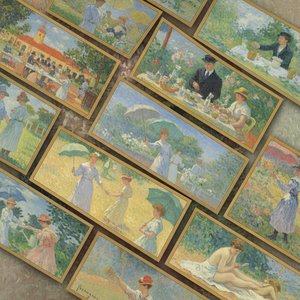
Renoir: As 25 Obras-Primas do Mestre Impressionista | OriginalUniqueArt
Descubra as 25 obras-primas de Renoir, o mestre do Impressionismo! Explore a história, cores vibrantes e emoção por trás de quadros icônicos como 'Bal au moulin de la Galette'. Encontre reproduções de arte exclusivas para decorar sua casa com elegância em OriginalUniqueArt.com.
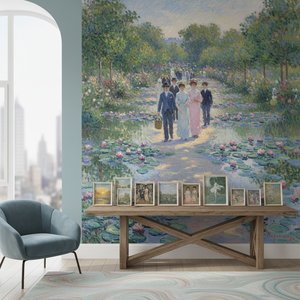
Os 10 Mestres do Impressionismo: Obras que Definiram um Movimento Artístico |
Descubra os 10 quadros impressionistas que revolucionaram a arte! Explore Monet, Renoir, Degas e outros mestres. História, técnica e cores vibrantes para inspirar sua decoração. Encontre reproduções de alta qualidade em
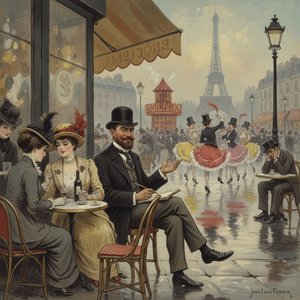
Jean-Louis Forain: Capturing Parisian Life with Wit & Realism
Explore the captivating world of Jean-Louis Forain, a master Impressionist chronicler of Belle Époque Paris. Discover his satirical paintings, realistic scenes & lasting legacy. Learn about collecting Forain's art today!

Paisagens Impressionistas Icônicas: 10 Obras que Mudaram a Arte | OriginalUniqueArt
Descubra as 10 obras impressionistas que revolucionaram a arte! Explore Monet, Renoir e outros mestres da paisagem. Encontre reproduções de alta qualidade para decorar sua casa com a beleza do Impressionismo em OriginalUniqueArt.com.

