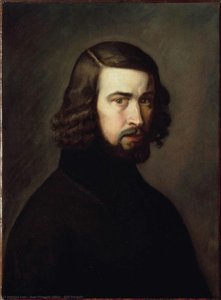
Visualizar na parede
 Compartilhar
 Compartilhar
 Detalhes

 Baixar imagem
 Semelhantes
 Raio X
 Slideshow
 Estatísticas
As Colheitadoras
 Óleo sobre tela
- Arte de Parede
- Barbizon School Realism
 1857
1857- Alta Idade Média
 85.0 x 111.0 cm
 Museu do Louvre
 Ler mais
Reprodução em Óleo Feita à Mão
Óleo sobre tela pintado à mão no tamanho e moldura de sua escolha, feito sob encomenda pelos nossos artistas. ( Alternar para Impressão Alternar para Imagem Digital)




P118B $10

P118H $10

P118W $10

P438Z $10

P508JH $12

P508YH $12

P805H $10

P805Z $10

P919BZ $10

P919G $10

P919XJ $10

P959ZH $10

P968JZ $12

W106C $8

W218G $10

W218JH $8

W218Y $10

W307PJ $10

W316G $10

W316PJ $8

W316Y $10

W398PJ $8

W4111J $10

W500HY $15

W500JH $15

W692G $12

W849H $8

W940BG $15

W953PJ $8




Escolha entre os nossos tamanhos pré-definidos que respeitam as proporções originais da obra de arte.

Pode inserir as suas próprias dimensões para se adequar a uma moldura ou espaço específico. Se o tamanho selecionado não corresponder às proporções da imagem original, iremos cortar a obra de arte ou estender a pintura com elementos adicionais pintados à mão. Um esboço digital será enviado para sua aprovação antes do início da produção.
Tenha em atenção que a pré-visualização no ecrã não reflete o corte ou extensão real. Apenas o esboço mostrará com precisão a composição final.
Embora tamanhos personalizados estejam disponíveis, recomendamos selecionar uma dimensão da lista predefinida para preservar as proporções originais.
Após o pedido, a equipa OriginalUniqueArt.com enviará um e-mail ao cliente para solicitar instruções e fornecer uma prévia do esboço.
Entrega mundial () em 3 a 4 semanas, em vez das 5 semanas padrão. (9 Setembro). Sem comprometer a qualidade.

Envio expresso gratuito para todo o mundo

Tela de Linho de Alta Qualidade

Seguro de transporte completo

Garantia de Reembolso de Impostos Alfandegários

Garantia de Fidelidade Cromática

Política de Devolução de 100 Dias (Apenas Defeitos)

Garantia de reembolso de 100%

Oferta de desconto por quantidade
 A opção de vidro está disponível apenas para tamanhos inferiores a 110 cm

As Colheitadoras
Técnica de Reprodução
Tamanho da Reprodução
-


Preço Total
$ 300
Um Momento Congelado no Tempo: "As Colheitadoras" de Jean-François Millet
A obra "As Colheitadoras" (The Gleaners) de Jean-François Millet, concluída em 1857, não é meramente uma pintura; é uma janela pungente para o coração da França rural do século XIX. Mais do que uma simples representação do trabalho agrícola, este mestre óleo sobre tela incorpora uma profunda simpatia pelas marginalizadas e uma silenciosa afirmação de dignidade em meio à adversidade. Exposta no prestigiado Musée d'Orsay, em Paris, "As Colheitadoras" atrai imediatamente o espectador para uma cena ao mesmo tempo drasticamente realista e profundamente comovente – três camponesas curvadas, suas figuras gravadas pelo esforço, recolhendo os últimos restos de trigo após a colheita. O gênio de Millet reside não apenas em sua habilidade técnica, mas em sua capacidade de infundir nestas trabalhadoras anônimas uma humanidade inegável, transformando uma atividade comum em um poderoso manifesto sobre justiça social e o espírito duradouro daqueles que vivem nas franjas da sociedade.

Realismo Enraizado na Observação
A abordagem de Millet para "As Colheitadoras" foi revolucionária para sua época. Rejeitando as paisagens idealizadas favoritas de muitos de seus contemporâneos, ele optou por retratar a vida rural com honestidade implacável e um compromisso em capturar as realidades físicas da existência camponesa. Ele passou anos observando estas mulheres em seu ambiente natural, estudando meticulosamente suas posturas, gestos e as texturas de suas roupas e arredores. Esta dedicação à observação direta é evidente em cada detalhe – desde o tecido gasto de seus vestidos até a terra seca sob seus pés. A paleta da pintura – marrons terrosos, ocres e verdes suaves – reforça ainda mais este senso de realismo, ancorando a cena firmemente na paisagem.
Tecnicamente, Millet emprega uma técnica que é ao mesmo tempo discreta e notavelmente eficaz. Ele utiliza pinceladas curtas e quebradas para criar uma sensação de textura e movimento, capturando a fisicalidade do trabalho das mulheres. As figuras são renderizadas com um grau notável de detalhe, mas retêm uma simplicidade essencial, evitando qualquer traço de sentimentalismo ou romantização. A composição em si é cuidadosamente equilibrada, atraindo o olhar para o grupo central enquanto incorpora sutilmente elementos como o cavalo distante e a vasta extensão do campo para estabelecer um senso de escala e profundidade.
Uma Imagem Controversa e Legado Duradouro
Em sua primeira exposição no Salão em 1857, "As Colheitadoras" provocou considerável controvérsia. As classes altas francesas, acostumadas com representações da vida rural que glorificavam o lazer aristocrático e a proeza agrícola, ficaram profundamente incomodadas pelo retrato implacável de pobreza e dificuldade por parte de Millet. Elas perceberam a pintura como uma crítica velada ao seu próprio privilégio e um potencial catalisador de agitação social. Apesar desta crítica inicial, "As Colheitadoras" rapidamente ganhou reconhecimento como uma obra seminal do Realismo, influenciando profundamente gerações subsequentes de artistas. Seus temas – desigualdade social, trabalho e a dignidade da classe trabalhadora – ressoaram profundamente com aqueles que defendiam a reforma social e inspiraram movimentos como o Realismo Social.
Possuindo um Pedaço de História: Reproduções na OriginalUniqueArt
Na OriginalUniqueArt, temos orgulho de oferecer reproduções meticulosamente elaboradas, pintadas à mão em óleo, de "As Colheitadoras" de Jean-François Millet. Nossos artesãos replicam cada nuance da técnica original de Millet – desde as sutis variações de cor e textura até a delicada representação das expressões das figuras – com precisão incomparável. Cada reprodução é criada usando materiais de qualidade de arquivo, garantindo que ela manterá sua beleza e vivacidade por gerações vindouras. Quer você seja um entusiasta de arte, um colecionador buscando expandir sua coleção, ou simplesmente alguém que aprecia o poder da imagem evocativa, uma reprodução de "As Colheitadoras" da OriginalUniqueArt oferece uma oportunidade única de possuir um pedaço da história da arte – um testemunho do legado duradouro de Millet e de seu profundo entendimento da condição humana.
Biografia do Artista
A Life Rooted in the Soil: The World of Jean-François Millet
Jean-François Millet, a name inextricably linked to the dignity of rural life and the burgeoning Realist movement in 19th-century France, was not born into the rarefied atmosphere of artistic privilege. Instead, he emerged from the very earth that would become the subject and inspiration of his enduring legacy. On October 4, 1814, he arrived in Gruchy, a small Norman village nestled within a landscape dominated by agricultural tradition – a place where life revolved around the rhythms of the seasons and the labor of the land. This upbringing wasn’t merely a geographical backdrop; it *was* his foundation, shaping his artistic vision with an authenticity that resonated deeply with a society undergoing profound transformation. His parents, Jean-Louis-Nicolas and Aimée-Henriette-Adélaïde Henry Millet, were themselves farmers, instilling in young Jean-François not just a love for the land but also a deep understanding of its hardships and rewards. Early education wasn’t confined to formal schooling – facilitated by local priests who recognized his intellectual potential – but was equally shaped by the practical realities of farm life: sowing seeds, reaping harvests, threshing grain – tasks that would later become recurring motifs in his paintings, imbued with a visceral sense of purpose and toil. This intimate connection to the land wasn’t simply observational; it was experiential, a profound understanding forged through direct engagement with the physical world.From Academic Aspirations to Rural Revelation
Millet's artistic journey began within the confines of formal training, initially under the guidance of portrait painter Bon Du Mouchel in Cherbourg, followed by Théophile Langlois de Chèvreville, a student of Baron Gros. In 1837, he ventured to Paris and enrolled at the prestigious École des Beaux-Arts, immersing himself in the rigorous environment of the Académie des Beaux-Arts, studying under Paul Delaroche. However, the rigid expectations and conventions of the Salon system quickly proved stifling. Despite initial successes, Millet faced repeated rejections, grappling with a growing sense of disillusionment as he found himself at odds with the prevailing artistic norms. A pivotal moment arrived in the 1840s – marked by personal tragedy following the loss of his beloved wife, Pauline-Virginie Ono – and a burgeoning dissatisfaction with the romanticized depictions of peasant life that dominated the art world. He began to actively reject these idealized pastoral scenes, seeking instead to portray rural existence with an unflinching honesty and a commitment to representing the lives of ordinary people. This shift in direction was further solidified by his association with a group of like-minded artists – Constant Troyon, Narcisse Diaz, Charles Jacque, and Théodore Rousseau – who formed the core of the Barbizon school. These painters shared a common belief in *plein air* painting – working directly from nature – and a rejection of the artificiality and academic conventions that characterized much of Salon art. Millet’s decision to relocate to Barbizon in 1849 represented a decisive break with Parisian artistic circles and an embrace of his artistic destiny, inextricably linked to the landscapes and lives surrounding him.The Poetry of Labor: Themes and Techniques
Millet's oeuvre is profoundly characterized by its deep empathy for the working class, particularly peasant farmers. He didn’t merely depict their labor; he elevated it to a level of dignity and spiritual significance previously unseen in art. His paintings are not sentimental idealizations but rather honest portrayals of hardship, resilience, and quiet devotion. The Gleaners (1857), perhaps one of his most iconic works, exemplifies this approach. The three women depicted gathering leftover grain after the harvest aren’t romanticized figures; they are laborers, bent double by toil, yet possessing a remarkable sense of dignity and inner strength. The Angelus (1850-1861), another masterpiece, captures a moment of profound spirituality – a peasant couple pausing for prayer at sunset – transforming an everyday act into something sacred and imbued with a sense of timelessness. The Sower (1850) stands as an enduring symbol of the cyclical nature of agricultural labor and humanity’s fundamental connection to the land, representing the beginning of the harvest season. Millet's technical approach was deeply influenced by the Dutch Masters, particularly their masterful use of light and shadow to create a sense of depth and atmosphere. He also drew inspiration from classical sculpture, evident in the monumental quality of his figures and their carefully rendered musculature. Millet employed a restrained palette, primarily utilizing earthy tones – ochres, browns, and grays – that reflected the colors of the countryside, and he built up layers of paint to create a rich, textured surface that conveyed the tactile qualities of the landscape and the garments worn by his subjects.A Lasting Legacy: Millet’s Influence and Historical Significance
Jean-François Millet died in Barbizon on January 20, 1875, leaving behind a body of work that profoundly impacted the course of modern art. He played a pivotal role in establishing Realism as a dominant force in painting, challenging the conventions of academic art and paving the way for future movements like Impressionism and Social Realism. His unwavering focus on everyday life and social issues resonated with artists who sought to depict the world around them with honesty and authenticity. His influence extended far beyond the realm of painting; his images became powerful symbols of rural virtue, working-class solidarity, and the dignity of labor, inspiring writers, poets, and political thinkers alike. Artists such as Correa Benito Rebolledo continued to explore themes of rural life and social justice, directly influenced by Millet’s pioneering example. Today, Millet's paintings continue to captivate audiences with their timeless beauty, emotional depth, and enduring message of human dignity – a testament to his profound understanding of the human condition and his ability to capture its essence on canvas.Major Works
- The Gleaners (1857): A poignant depiction of women gathering leftover grain.
- The Angelus (1850-1861): A symbol of rural piety and a moment of quiet devotion.
- The Sower (1850): An iconic image representing the cycle of agricultural labor.
- Man with a Hoe: A powerful representation of physical toil and human endurance.
- Harvesters Resting: Capturing a moment of respite amidst arduous work.

Jean-François Millet
1814 - 1875 , França
Dados Rápidos
- Artistic Movement Or Style: Realismo, Barbizon
- Artists Or Movements Influenced By This Artist:
- Impressionismo
- Realismo Social
- Artists Who Influenced This Artist:
- Holandeses
- Delaroche
- Date Of Birth: 4 de Outubro de 1814
- Date Of Death: 20 de Janeiro de 1875
- Full Name: Jean-François Millet
- Nationality: Francês
- Notable Artworks:
- Os Recolhidores
- O Angelus
- O Semeador
- Place Of Birth: Gruchy, França
Artigos Relacionados
Romantic Realism's Finest: 10 Masterpieces for Your Home | OriginalUniqueArt
Explore 10 defining masterpieces of Romantic Realism! Discover Courbet, Millet & Daumier's powerful paintings—capturing emotion and social realities. Find museum-quality reproductions for your home at OriginalUniqueArt.com.
The Poetic Truth of Observation: Exploring 19th-Century Realism in Painting
Explore the captivating world of 19th-century Realism! Discover key artists like Courbet & Millet, masterpieces, and the powerful social commentary behind this influential art movement. Expert insights at OriginalUniqueArt.
Jules Breton: Capturing the Poetic Soul of French Rural Life
Explore the captivating world of Jules Breton, master of French Realism. Discover his iconic paintings of rural life, learn about his artistic journey, and find high-quality reproductions to elevate your art collection at OriginalUniqueArt.

Echoes of Rural Life: Art's Enduring Representations of the Countryside
Explore the rich history of rural life in art! Discover masterpieces from Millet to Mauve & beyond. Learn about Realism, Barbizon School & find inspiration for your home with OriginalUniqueArt.

Jean-François Millet: Realism, Rural Life & the Poetic Depiction of Labor
Explore the life & work of Jean-François Millet, a founder of Realism. Discover his poignant depictions of rural France, iconic paintings like 'The Angelus,' and lasting influence on art history. Learn more at OriginalUniqueArt.