
 Visualizar na parede
 Compartilhar
 Compartilhar
 Detalhes
 Guia
Guia

 Baixar imagem
 Semelhantes
 Raio X
 Ver diaporama
 Perguntas e Respostas
 Estatísticas
Self-Portrait

- 61.0 x 49.0 cm


 Ler mais
Giclée / Impressão de Arte
Impressão giclée ou em tela de qualidade de museu, com produção rápida e opções flexíveis de acabamento. ( Comprar pintura feita à mão Alternar para Imagem Digital)




P118B €10

P118H €10

P118W €10

P438Z €10

P508JH €12

P508YH €12

P805H €10

P805Z €10

P919BZ €10

P919G €10

P919XJ €10

P959ZH €10

P968JZ €12

W106C €8

W218G €10

W218JH €8

W218Y €10

W307PJ €10

W316G €10

W316PJ €8

W316Y €10

W398PJ €8

W4111J €10

W500HY €15

W500JH €15

W692G €12

W849H €8

W940BG €15

W953PJ €8




Escolha entre os nossos tamanhos pré-definidos que respeitam as proporções originais da obra de arte.

Insira a largura e a altura desejadas para se ajustarem à sua moldura ou parede. Uma impressão pode ser apenas cortada, nunca ampliada além da imagem original; portanto, um tamanho com proporções diferentes resultará na perda de parte da imagem. Enviamos uma maquete digital para sua aprovação antes de realizarmos a impressão. A imagem exibida nesta página não mostra o corte real — apenas a maquete o faz.
Entrega mundial () em 2 semanas, em vez das 4/5 semanas padrão. (15 Novembro)

Envio expresso gratuito para todo o mundo

Tela de Linho de Alta Qualidade

Seguro de transporte completo

Garantia de Reembolso de Impostos Alfandegários

Garantia de Fidelidade Cromática

Política de Devolução em 100 Dias (Apenas para Defeitos)

Garantia de reembolso de 100%

Oferta de desconto por quantidade
 A opção de vidro está disponível apenas para tamanhos inferiores a 110 cm

Self-Portrait
Giclée / Impressão de Arte
Tamanho da Reprodução
-


Preço Total
€ 72
Jean-Étienne Liotard’s “Self-Portrait,” A Window into Rococo Introspection
The year 1744 marks a pivotal moment in the artistic trajectory of Jean-Étienne Liotard, a Genevan painter whose oeuvre is defined by an exquisite blend of naturalism and ethereal beauty. His “Self-Portrait,” housed within the hallowed halls of the Uffizi Gallery in Florence, isn’t merely a depiction of a man; it's a carefully constructed meditation on identity, perception, and the delicate balance between the observed world and the inner self. Painted during his period in Rome, this pastel masterpiece exemplifies Liotard’s signature style – a luminous, almost dreamlike quality achieved through masterful layering and an unparalleled sensitivity to light and texture.
Liotard's technique is immediately striking. He eschews the rigid formality of traditional portraiture, opting instead for a relaxed pose and a gaze that feels both direct and contemplative. The pastel medium itself—a relatively new tool in 18th-century art—allowed Liotard to build up color with astonishing subtlety, creating an effect akin to sfumato, the hazy blurring technique perfected by Leonardo da Vinci. Notice how he employs delicate washes of pinks, blues, and greens to capture the nuances of light on his face and clothing, imbuing the portrait with a sense of atmospheric depth. The background, rendered in loose, impressionistic strokes, isn’t merely decorative; it subtly reinforces the feeling of introspection, suggesting an inner landscape mirroring the sitter's thoughts.
A Genevan Artist Embraces the Orient
Born in Geneva in 1702, Liotard’s early life was shaped by his Huguenot heritage and a rigorous artistic training under esteemed miniaturists. However, it was his sojourn to Constantinople between 1738 and 1742 that profoundly influenced his artistic vision. Immersed in the vibrant culture of the Ottoman Empire, he developed a fascination with Eastern aesthetics – particularly the use of rich colors, luxurious fabrics, and the portrayal of everyday life. This influence is subtly present in “Self-Portrait,” not through overt Orientalist tropes, but rather through the overall mood of serenity and an appreciation for tactile textures. The loose brushwork and soft color palette evoke a sense of exoticism without resorting to stereotypical imagery.
Interestingly, Liotard’s embrace of the East wasn't solely aesthetic; it was also deeply personal. He deliberately adopted Turkish dress in his portraits, a conscious decision that challenged European conventions and established him as a unique figure within the art world. This choice, documented in numerous accounts, reflected not just an artistic preference but a genuine engagement with a culture vastly different from his own. It’s a testament to Liotard's intellectual curiosity and willingness to transcend conventional boundaries.
Symbolism of Inner Reflection
Beyond its technical brilliance, “Self-Portrait” is rich in symbolic meaning. The sitter’s direct gaze invites the viewer into his world, fostering a sense of intimacy and shared contemplation. The slightly parted lips suggest a quiet amusement, while the subtle furrow of his brow hints at underlying thoughts and emotions. Some art historians have interpreted the portrait as an exploration of the concept of “inner space”—a realm where the self is revealed through careful observation and artistic representation.
The inclusion of a small, partially visible book in the foreground adds another layer of complexity. It’s a subtle nod to Liotard's own intellectual pursuits – his studies of art theory and his role as an art dealer. The book symbolizes knowledge, reflection, and the pursuit of understanding—qualities that are central to the portrait’s overall message. The soft lighting and hazy atmosphere further contribute to this sense of introspection, creating a space where the viewer is invited to contemplate not just the subject's appearance but also his inner world.
A Timeless Masterpiece for Collectors
Liotard’s “Self-Portrait” remains a captivating work of art, offering a rare glimpse into the mind and soul of a remarkable artist. Its delicate pastel technique, evocative atmosphere, and profound symbolism continue to resonate with viewers centuries after its creation. A high-quality reproduction captures much of this beauty, making it an ideal addition to any collection or interior space. The painting’s luminous quality and contemplative mood create a sense of serenity and intellectual engagement—a perfect choice for those seeking art that transcends mere decoration.
Perguntas e Respostas
Que humor e emoção "Self-Portrait", de Jean-Étienne Liotard transmite?
A atmosfera de "Self-Portrait", de Jean-Étienne Liotard é Elegant, e seu tom emocional é Reflective.
Posso usar realidade aumentada para ver "Self-Portrait", de Jean-Étienne Liotard no meu ambiente?
A página de Prévia em RA de "Self-Portrait", de Jean-Étienne Liotard utiliza realidade aumentada para mostrar a obra em seu próprio espaço, através de um dispositivo compatível.
Qual é a cor predominante de "Self-Portrait", de Jean-Étienne Liotard?
A cor que mais se destaca em "Self-Portrait" é Clay (#a67555). A cor dominante é útil ao combinar uma obra de arte com um ambiente interno.
Biografia do Artista
Início da Vida, Família e Formação
Jean-Étienne Liotard chegou ao mundo em 22 de dezembro de 1702, em Genebra, na Suíça. Nasceu no seio de uma família de protestantes franceses que haviam buscado refúgio em Genebra após os eventos de 1685. Sua chegada foi acompanhada por um irmão gémeo, Jean-Michel, que mais tarde seguiria o seu próprio caminho como desenhista e gravador. Este ambiente primordial, moldado pelo deslocamento de seus pais, proporcionou uma base tranquila e disciplinada para os anos de estudo que se seguiriam.
Sua instrução formal teve início em Genebra, sob o olhar atento dos professores Daniel Gardelle e Petitot. Foi nestas primeiras lições que ele dominou, pela primeira vez, as delicadas complexidades da pintura em esmalte e em miniatura, técnicas que exigiam uma mão firme e um olhar aguçado para o detalhe. Estes anos formativos estabeleceram a precisão técnica que definiria a sua produção posterior, muito antes de buscar horizontes mais amplos além das fronteiras suíças.
Em 1725, o jovem artista mudou-se para Paris para dar continuidade ao seu desenvolvimento. Passou três anos no atelier de Jean-Baptiste Massé, um período caracterizado mais pelo trabalho profissional do que por um aprendizado formal. Durante este tempo, trabalhou como assistente, produzindo inúmeras cópias de obras existentes para sustentar-se. Esta imersão prática na cena artística parisiense proporcionou a exposição necessária aos gostos predominantes da época, preparando-o para as viagens que, eventualmente, o conduziriam em direção ao Império Otomano.
Vida e Atividade em Constantinopla
A residência de Jean-Étienne Liotard em Constantinopla, que teve início em 1738 e estendeu-se por quatro anos, alterou fundamentalmente a trajetória de sua carreira. Imerso no Império Otomano, ele desenvolveu um fascínio profundo pela estética oriental. Não se tratava de um mero interesse passageiro pelo exótico; ele buscava compreender as texturas e as cores de uma cultura profundamente distante de suas raízes genebrinas. Suas observações eram meticulosas, focando na quietude da vida doméstica e nas especificidades dos costumes locais.
Ele não se limitou a observar a partir da periferia. Liotard adotou o estilo de vida local, vestindo frequentemente trajes turcos em seu próprio cotidiano. Essa escolha de vestimenta foi tão constante que ele acabou por ganhar o apelido de "o pintor turco". Ao integrar-se ao tecido social da cidade, ele obteve acesso a cenas íntimas que um viajante casual jamais testemunharia. Seus pastéis deste período capturam esses interiores domésticos com um sentido de presença autêntica, transcendendo a superficialidade frequentemente encontrada nas obras orientalistas contemporâneas.
- Turkish Woman with a Tambourine (1738)
- A Turk Seated (c. 1740)
Técnica e Estilo Artístico
A abordagem de Jean-Étienne Liotard em relação à arte estava profundamente enraizada em um compromisso rigoroso com o naturalismo. Em seu tratado, Traité des principes et des règles de la peinture, ele defendia que o propósito da pintura era atuar como um espelho da natureza. Esta filosofia guiava sua mão, fosse trabalhando com óleo, gravura ou em seu meio mais característico, o pastel. Ele buscava capturar o mundo com uma precisão que evitava a artificialidade frequentemente encontrada na retratística de sua era.
Seu domínio do pastel permitia-lhe alcançar uma luminosidade que poucos de seus contemporâneos conseguiam replicar. Ele não se limitava a pincelar a cor sobre uma superfície; ele pressionava o pastel com vigor sobre seus suportes para construir uma profundidade de tom. Esta técnica exigia uma preparação específica de seus materiais. Ele frequentemente trabalhava sobre pergaminho — pele de bezerro, cabra ou cordeiro — que havia sido tratado com uma mistura de cola de peixe, vinho e pó de pedra-pomes fina para criar a textura necessária para sua aplicação de cor em camadas.
Esta precisão técnica é evidente em sua habilidade de renderizar as texturas sutis dos tecidos e as nuances suaves da pele humana. Seus retratos são notáveis por seu detalhamento impressionante, capturando o caráter específico de um modelo através de um manuseio delicado da luz. Embora suas viagens lhe tenham proporcionado temas exóticos, seu método permaneceu focado na observação fiel de seus modelos.
Obras Notáveis e Obras-Primas
O ano de 1744 revelou-se um marco fundamental em sua produção artística, assinalado pela criação de The Chocolate Girl e de um notável Self-Portrait. Este último, atualmente preservado na Galleria degli Uffizi, em Florença, oferece um vislumbre íntimo de sua própria identidade através da delicadeza do pastel. Em sua obra, Jean-Étienne Liotard utiliza o material para construir a cor com uma técnica de camadas sutis, alcançando uma sensação de profundidade atmosférica quase palpável. Sua habilidade em capturar as nuances da luz e da textura permitiu que ele se afastasse da formalidade rígida frequentemente encontrada na retratística tradicional da época.
Seu envolvimento com os círculos intelectuais da Europa torna-se evidente no Portrait of Francesco Algarotti, concluído em 1745. Este trabalho em pastel captura o sujeito com uma qualidade fluida e luminosa, enfatizando o caráter do filósofo através de gradações tonais delicadas. De forma semelhante, sua maestria em retratar temas juvenis é demonstrada no Portrait of Maria Frederike van Reede-Athlone at Seven Years of Age, obra preservada no J. Paul Getty Museum, em Los Angeles. Tais retratos demonstram uma capacidade singular de equilibrar a semelhança física com uma profunda sensação da presença viva do modelo.
Em uma fase posterior de sua carreira, seu olhar expandiu-se para abraçar as paisagens de sua região natal. Em 1770, ele produziu a obra View of the Mont Blanc massif from the artist's studio in Geneva, with self-portrait. Este óleo sobre tela retrata uma vista dos Alpes Suíços através de uma grande janela, fundindo a grandiosidade externa das montanhas com o espaço silencioso e introspectivo de seu estúdio. A peça permanece como um exemplo significativo de sua habilidade em fundir o realismo com uma abordagem suave, quase impressionista, da luz e da distância.
Anos Finais e Morte
A última década da vida de Jean-Étienne Liotard foi marcada por uma transição profunda, partindo da precisão observacional de seus anos de juventude em direção a um envolvimento mais teórico com o seu ofício. Em 1781, ele publicou o seu tratado, Traité des Principes et règles de la Peinture, uma obra que buscava codificar os padrões essenciais de sua profissão. Esta publicação refletia uma vida inteira de investigação técnica, indo além da mera imitação da forma para abordar os princípios fundamentais do meio artístico.
Mesmo quando os seus interesses se voltaram para os fundamentos intelectuais da arte, a sua mão permaneceu ativa no estúdio. Ele não abandonou o ato físico da criação, continuando a produzir naturezas-mortas e paisagens em seus anos tardios. Estas obras tardias, frequentemente focadas na quietude da natureza ou na disposição cuidadosa de objetos, proporcionaram uma produção constante ao lado de sua retratística mais famosa. Ele permaneceu um homem do estúdio até o seu último suspiro.
Liotard acabou por retornar às suas raízes em Genebra, a cidade onde nasceu de Antoine, um mercador, e Anne Sauvage. Ele permaneceu nesta paisagem familiar até o seu falecimento em 12 de junho de 1789. Sua partida ocorreu na véspera de uma era de mudanças, deixando para trás um corpo de obras que serviu de ponte entre o detalhe meticuloso do início do século XVIII e os gostos mutáveis do final do Iluminismo.
Onde Contemplar suas Obras Hoje
A dispersão da produção de Jean-Étienne Liotard pela Europa e além permite um estudo diversificado de sua precisão técnica. O Rijksmuseum, em Amsterdã, mantém a maior presença de sua obra, abrigando treze peças que refletem seu domínio absoluto do meio artístico. Em Londres, a Royal Collection preserva dez obras, oferecendo um vislumbre dos retratos que outrora circulavam entre a elite britânica. Para aqueles que buscam suas explorações mais íntimas, o Musée d'Art et d'Histoire, em Genebra, abriga uma coleção significativa de seus pastéis e desenhos.
Sua presença em grandes instituições internacionais permanece constante. O J. Paul Getty Museum, em Los Angeles, detém quatro de suas obras, enquanto a Galleria degli Uffizi, em Florença, preserva seu Autorretrato de 1744. Estas obras, espalhadas desde os Alpes Suíços até o Mediterrâneo, fornecem um mapa físico de uma vida dedicada ao movimento entre os centros das culturas europeia e otomana.
- 1744: Autorretrato - Galleria degli Uffizi, Florença
- 1744: The Chocolate Girl - Gemäldegalerie, Dresden
- 1754: Retrato do Príncipe Edward, Duque de York e Albany - Royal Collection, Londres
- 1756: Retrato de Maria Frederike van Reede-Athlone aos Sete Anos - J. Paul Getty Museum, Los Angeles

Jean-Étienne Liotard
1702 - 1789 , Suíça
Dados Rápidos
- Artistas Que Influenciaram Este Artista:
- Daniel Gardelle
- Petitot
- Jean-Baptiste Massé
- François Lemoyne
- Data De Falecimento: 1789
- Data De Nascimento: 1702
- Local De Nascimento: Genebra, Suíça
- Nacionalidade: Suíço
- Nome Completo: Jean-Étienne Liotard
- Obras Notáveis:
- Dutch girl at breakfast
- La liseuse
- The chocolate girl
- La belle lyonnaise
- Maria frederike van reede-athlone at seven
Artigos Relacionados

The Introspective Gaze: Tracing the Evolution and Psychological Depth of the Self-Portrait
Explore the psychological evolution of self-portraiture from Dürer to modern masters. Trace the history of the human gaze with us.
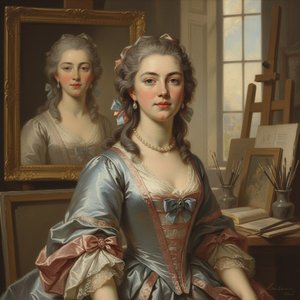
Jean-Étienne Liotard: Rococo Portraiture & the Pursuit of Naturalism
Explore the exquisite Rococo portraits of Jean-Étienne Liotard, a master of pastel and enamel. Discover his innovative techniques, captivating Turkish scenes, and lasting influence on art history. Learn more at OriginalUniqueArt.

Jean-Marc Nattier: Rococo Portraiture & Aristocratic Patronage
Explore the exquisite Rococo portraits of Jean-Marc Nattier, favored by French aristocracy. Discover his artistic techniques, patronage network, and lasting legacy – a guide for discerning collectors.

Beyond Decor: How Custom Historical Portraits Redefine Modern Self-Expression
Discover how custom historical portraits transcend decor to become profound expressions of identity. Explore the artistry of bespoke oil reproductions, from Renaissance mastery to modern reimagining, and learn to transform personal legacies into museum-quality fine art masterpieces.

25 Iconic Masterpieces by Henri de Toulouse-Lautrec: Capturing the Spirit of Montmartre
Step into the vibrant nightlife of Montmartre with our curated guide to the top 25 Henri de Toulouse-Lautrec masterpieces. Explore the soul of Post-Impressionism through iconic prints and museum-quality reproductions. Discover all masterpieces on OriginalUniqueArt.com.
