Visualizar em escala
 Enviar
 Compartilhar
 Ver detalhes
 Guia de Obras do Aluno

 Baixar imagem
 Semelhantes
 Raio X
 Apresentação de slides
 Estatísticas
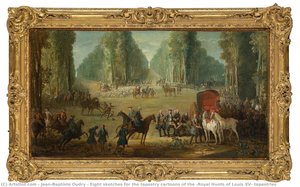
Dog Pointing a Partridge
 Acrylic On Canvas
- WallArt
- Rococo
 1725
1725 129.0 x 162.0 cm
 Museu Hermitage
 Ver mais
Giclée / Impressão de Arte
Impressão giclée ou em tela de qualidade de museu, com produção rápida e opções flexíveis de acabamento. ( Encomendar reprodução pintada à mão Ver Imagem Digital)




P118B €10

P118H €10

P118W €10

P438Z €10

P508JH €12

P508YH €12

P805H €10

P805Z €10

P919BZ €10

P919G €10

P919XJ €10

P959ZH €10

P968JZ €12

W106C €8

W218G €10

W218JH €8

W218Y €10

W307PJ €10

W316G €10

W316PJ €8

W316Y €10

W398PJ €8

W4111J €10

W500HY €15

W500JH €15

W692G €12

W849H €8

W940BG €15

W953PJ €8




Escolha entre os nossos tamanhos pré-definidos que respeitam as proporções originais da obra de arte.

Digite a largura e a altura de que necessita, para se ajustar à sua moldura ou à sua parede. Uma impressão só pode ser cortada, nunca ampliada além da imagem original, pelo que um tamanho com uma proporção diferente perderá parte da imagem. Enviamos-lhe uma maquete digital para aprovação antes de imprimirmos qualquer coisa. A imagem apresentada nesta página não mostra o corte real — apenas a maquete o faz.
Entrega mundial () em 2 semanas, em vez das 4/5 semanas padrão. (22 Outubro)

Envio expresso gratuito para todo o mundo

Tela de Linho Premium

Seguro de transporte total

Garantia de Reembolso de Impostos Alfandegários

Garantia de Fidelidade de Cor

Política de Devolução em 100 Dias (Apenas para Defeitos)

Garantia de reembolso de 100%

Desconto para múltiplas unidades
 A opção de vidro está disponível apenas para tamanhos inferiores a 110 cm

Dog Pointing a Partridge
Giclée / Impressão de Arte
Dimensões da Reprodução
-


Preço Total
€ 70
A Moment of Focused Grace: Oudry’s “Dog Pointing a Partridge”
Jean-Baptiste Oudry's "Dog Pointing a Partridge," painted in 1725, isn’t merely a depiction of a hunt; it’s a distillation of the Rococo spirit – an elegant tableau capturing a fleeting moment of intense concentration and the harmonious relationship between man and animal. The painting immediately draws the eye to the dog, a magnificent specimen of the Pointer breed, utterly absorbed in its task. Its head is lowered, tail held high in anticipation, and posture radiating unwavering focus. This isn’t a clumsy or frantic pursuit; it's a controlled, almost meditative state, suggesting an innate understanding of scent and instinct. The Partridge, perched delicately amongst the grasses, becomes a secondary subject, almost a reward for this dedicated vigilance.
The Rococo Palette and Precise Observation
Oudry’s mastery lies in his meticulous observation and the skillful application of Rococo techniques. The painting is rendered in a remarkably detailed black and white, emphasizing form and texture rather than relying on vibrant color. This monochrome palette was common for hunting scenes at the time, allowing Oudry to concentrate on capturing the nuances of light and shadow – the way it falls across the dog’s fur, the delicate details of the bird's plumage, and the undulating surface of the grass. The brushstrokes are smooth and refined, contributing to a sense of serenity and control. Notice how he uses subtle gradations of tone to create depth and volume, particularly in the dog’s musculature and the surrounding foliage. The composition itself is carefully balanced, with the elements arranged to guide the viewer's eye through the scene – from the rock at the foreground, up to the bird and then back down to the dog.
- Technique: Oil on canvas, demonstrating Oudry’s command of chiaroscuro (light and shadow).
- Composition: Balanced arrangement drawing the eye through the scene.
- Brushwork: Smooth, refined strokes contributing to a sense of serenity.
A Royal Pursuit and Aristocratic Leisure
“Dog Pointing a Partridge” reflects the aristocratic pursuits of 18th-century France, specifically the royal hunt. These scenes weren’t simply records of hunting expeditions; they were carefully constructed displays of wealth, skill, and social status. Oudry was commissioned by figures like Noël-Antoine de Mérou, director of the Royal Beauvais Tapestry Manufactory, to create designs for tapestries depicting similar hunts – a testament to their popularity and importance within courtly life. The painting embodies the Rococo fascination with leisure, elegance, and the idealized depiction of aristocratic pursuits. The dog’s posture speaks volumes about the values of the time: loyalty, discipline, and an appreciation for the natural world—all carefully curated and presented for a discerning audience.
Symbolism and Emotional Resonance
Beyond its technical brilliance, the painting holds symbolic weight. The dog represents not just a hunting tool but also a companion – a loyal friend engaged in a shared activity. The Partridge, often associated with fertility and renewal, adds another layer of meaning to the scene. The overall effect is one of quiet grace and focused intensity. It’s a moment frozen in time, capturing the beauty of nature and the harmonious relationship between man and animal—a timeless image that continues to resonate with viewers today. Reproductions allow us to appreciate Oudry's skill and bring this elegant scene into our own homes, offering a glimpse into the refined world of 18th-century French aristocracy.
Perguntas e Respostas
Posso usar realidade aumentada para ver "Dog Pointing a Partridge" de Jean-Baptiste Oudry no meu ambiente?
Você pode visualizar "Dog Pointing a Partridge" de Jean-Baptiste Oudry na sua própria parede através da página de Visualização em RA da obra, utilizando realidade aumentada em um dispositivo compatível.
Que atmosfera uma reprodução de "Dog Pointing a Partridge" de Jean-Baptiste Oudry traria para um ambiente?
A atmosfera Elegant de "Dog Pointing a Partridge" de Jean-Baptiste Oudry combina com o seu espaço recomendado: um(a) Living Room.
As cores de "Dog Pointing a Partridge" de Jean-Baptiste Oudry são vibrantes ou suaves?
"Dog Pointing a Partridge" de Jean-Baptiste Oudry é registrado com uma saturação Subtle Color e uma intensidade Monochromatic.
Biografia do Artista
Jean-Baptiste Oudry: Uma Vida na Arte
Primeiros Anos e Formação
- Nascimento: 17 de março de 1686, em Paris, França.
- Oudry era fruto de uma linhagem artística; seu pai, Jacques Oudório, era pintor e marchand de arte. Sua mãe, Nicole Papillon, possuía laços com o célebre gravador Jean-Baptiste-Michel Papillon.
- Ele iniciou sua formação na Académie de Saint-Luc, estudando sob a tutela de Nicolas de Largillière entre 1707 e 1712. Este período fundamental moldou suas primeiras habilidades em retratística e observação minuciosa.
- Sua ascensão foi rápida, tornando-se professor assistente na Académie de Saint-Luc em 1714 e alcançando o título de professor titular já em 1717.
Desenvolvimento Artístico e Estilo
- Embora tenha focado inicialmente no retrato, Oudry expandiu gradualmente seu repertório para incluir naturezas-mortas, particularmente de frutas e animais, além de temas religiosos.
- Seu estilo evoluiu em direção ao Rococó, movimento caracterizado pela elegância, pelo naturalismo e por uma representação lúdica da vida aristocrática e do lazer.
- A atenção meticulosa de Oudry aos detalhes e sua capacidade de capturar as texturas e as características singulares dos animais tornaram-se as marcas registradas de sua obra.
- Ele demonstrou um domínio magistral tanto na pintura quanto no design, transitando com fluidez entre a criação em tela e a concepção de tapeçarias.
Grandes Conquistas e Obras Notáveis
- Os Diversões Pastoris (Les Amusements Champêtres): Uma série de tapeçarias projetadas para a Real Manufatura de Tapeçaria de Beauvais, exibindo cenas idílicas da vida rural e da caça.
- Luís XV Caçando um Cervo na Floresta de Saint-Germain (1730): Esta pintura consolidou a reputação de Oudry como o pintor oficial da caça real, exemplificando sua habilidade em retratar tanto a grandiosidade do evento quanto o ambiente natural.
- Caçadas Reais de Luís XV (Chasses Royales Gobelins): Uma série de designs para tapeçaria destinados à Manufatura de Gobelins, estabelecendo ainda mais o prestígio de Oudry como designer têxtil.
- Inúmeros retratos de caça morta encomendados pelo Rei Luís XV, que demonstram sua perícia em anatomia animal e composição de natureza-morta.
Influências e Legado
- Influenciado por: Nicolas de Largillière desempenhou um papel crucial no desenvolvimento artístico inicial de Oudry, fornecendo a base técnica e o treinamento em retratística.
- A obra de Oudry influenciou gerações subsequentes de pintores de animais e designers de tapeçaria; seu estilo naturalista e rigoroso estabeleceu um novo padrão para a representação da vida selvagem.
- Ele contribuiu significativamente para as artes decorativas da corte francesa, criando tapeçarias luxuosas que adornaram residências reais.
Significância Histórica
- O trabalho de Oudry oferece visões valiosas sobre a vida aristocrática do século XVIII e a importância da caça como um passatempo essencial para a nobreza francesa.
- Suas tapeçarias são consideradas obras-primas das artes decorativas francesas, exibindo a habilidade técnica e a criatividade artística de sua época.
- Sua nomeação para cargos prestigiados na Académie Royale de Peinture et de Sculpture demonstra o reconhecimento de sua posição como um dos principais artistas de seu tempo.
- Falecimento: 30 de abril de 1755, deixando um legado de pinturas e tapeçarias requintadas que continuam a ser admiradas até os dias de hoje.

Jean-Baptiste Oudry
1686 - 1755 , França
Informações Rápidas
- Artistic Movement Or Style: Rococo
- Artists Who Influenced This Artist: ['Nicolas de Largillière']
- Date Of Birth: 17 Mar 1686
- Full Name: Jean-Baptiste Oudry
- Nationality: Francês
- Notable Artworks:
- Les Amusements Champêtres
- Louis XV Hunting a Deer in the Forest of Saint-Germain
- Place Of Birth: Paris, França
Artigos Relacionados
Animalia: A Presença Duradoura dos Animais na Arte e no Design de Interiores
Explore a rica história da representação animal na arte e como ela inspira o design de interiores. Descubra simbolismos, tendências e artistas que celebram a beleza do reino animal.
The Pursuit of Power & Prestige: Hunting Scenes in Western Art
Explore the rich history of hunting scenes in Western art, from royal pursuits to powerful allegories. Discover masterpieces & expert insights for discerning collectors. OriginalUniqueArt offers museum-quality reproductions.

Rococó: 10 Obras-Primas que Definiram um Movimento Artístico Elegante | OriginalUniqueArt.com
Descubra as 10 obras-primas do Rococó! Explore a elegância de Fragonard, Boucher e Watteau. A arte do século XVIII ganha vida com cores pastel e detalhes luxuosos. Encontre reproduções de alta qualidade em OriginalUniqueArt.com.
Beastly Brushstrokes: A Historical Journey Through Animal Painting & Aesthetic Movements
Explore the rich history of animal painting across cultures & movements. Discover iconic artists, symbolism, collecting trends & expert art consultation at OriginalUniqueArt.com.

The Rococo Aesthetic: Opulence, Rebellion & the Pursuit of Pleasure in 18th-Century Art
Explore the opulent world of Rococo art! Discover its origins, key artists like Watteau & Boucher, and lasting influence on design. Expert insights for collectors & enthusiasts.