

 Visualizar em escala
 Enviar
 Compartilhar
 Ver detalhes
 Guia de Obras do Aluno

 Baixar imagem
 Semelhantes
 Raio X
 Apresentação de slides
 Estatísticas
LA PECHE MIRACULEUSE


 Ver mais
Giclée / Impressão de Arte
Impressão giclée ou em tela de qualidade de museu, com produção rápida e opções flexíveis de acabamento. ( Encomendar reprodução pintada à mão Ver Imagem Digital)




P118B $10

P118H $10

P118W $10

P438Z $10

P508JH $12

P508YH $12

P805H $10

P805Z $10

P919BZ $10

P919G $10

P919XJ $10

P959ZH $10

P968JZ $12

W106C $8

W218G $10

W218JH $8

W218Y $10

W307PJ $10

W316G $10

W316PJ $8

W316Y $10

W398PJ $8

W4111J $10

W500HY $15

W500JH $15

W692G $12

W849H $8

W940BG $15

W953PJ $8




Escolha entre os nossos tamanhos pré-definidos que respeitam as proporções originais da obra de arte.

Você pode inserir suas próprias dimensões para se ajustar a uma moldura ou espaço específico. Se o tamanho selecionado não corresponder às proporções da imagem original, iremos recortar a obra de arte ou estender a imagem com uma borda espelhada ou preenchimento sólido. Um mockup digital será enviado para sua aprovação antes do início da produção.
Por favor, observe que a visualização na tela não reflete o recorte ou a extensão real. Apenas o mockup mostrará com precisão a composição final.
Embora tamanhos personalizados estejam disponíveis, recomendamos selecionar uma dimensão da lista predefinida para preservar as proporções originais.
Entrega mundial () em 2 semanas, em vez das 4/5 semanas padrão. (26 Setembro)

Envio expresso gratuito para todo o mundo

Tela de Linho Premium

Seguro de transporte total

Garantia de Reembolso de Impostos Alfandegários

Garantia de Fidelidade de Cor

Política de Devolução em 100 Dias (Apenas para Defeitos)

Garantia de reembolso de 100%

Desconto para múltiplas unidades
 A opção de vidro está disponível apenas para tamanhos inferiores a 110 cm

LA PECHE MIRACULEUSE
Giclée / Impressão de Arte
Dimensões da Reprodução
-


Preço Total
$ 80
Jean-Baptiste Jouvenet’s “The Miraculous Draught” – A Baroque Masterpiece of Faith and Drama
“The Miraculous Draught,” painted by Jean-Baptiste Jouvenet in 1706, is more than just a depiction of a biblical scene; it's a vibrant tableau of faith, human interaction, and the sheer drama of divine intervention. This monumental oil on canvas, now residing within the hallowed halls of the Louvre Museum in Paris, offers a profound glimpse into the artistic sensibilities of the French Baroque period – a time when religious fervor intertwined seamlessly with naturalism and theatricality. Measuring an impressive 6.64 meters (21.7 feet) in width, the painting commands attention, drawing viewers into its bustling, emotionally charged world.
Jouvenet’s artistic lineage is deeply rooted in the traditions of Rouen, France, where he was born into a family already recognized for their artistic talents. His grandfather, Noël Jouvenet, is even rumored to have imparted early artistic principles to Nicolas Poussin, highlighting a significant connection within the broader artistic landscape of the era. This heritage undoubtedly influenced Jouvenet’s approach – a masterful blend of classical restraint and Baroque exuberance. He was quickly recognized by Pierre Les Brun, a leading figure in the Académie Royale de Peinture et de Sculpture, who provided him with invaluable training and ultimately secured his position within the prestigious Parisian artistic circles.
A Dramatic Narrative: The Biblical Scene Unfolds
The painting vividly portrays the pivotal moment from the Gospel of John (21:1-8) where Jesus miraculously replenishes the nets of the fishermen, Peter and his companions. The scene is rendered with a remarkable dynamism – a chaotic yet purposeful energy that captures the immediacy of the event. We see Jesus, depicted as a youthful figure radiating authority and compassion, gesturing emphatically towards the overflowing nets. Around him swirl the disciples: some are hauling in the catch with strenuous effort, others are sorting through the fish, while still others engage in animated conversation – a microcosm of human interaction amidst a miraculous occurrence.
Jouvenet’s skill lies not merely in depicting the figures themselves but in conveying their emotions and actions. The expressions on the faces of the disciples range from astonishment to delight, reflecting the profound impact of Jesus's act. The artist masterfully uses diagonal lines – created by the nets, the boats, and the figures themselves – to generate a sense of movement and depth, pulling the viewer into the heart of the scene. The composition is tightly packed, emphasizing the density of the action and reinforcing the feeling of urgency.
Baroque Techniques: Light, Color, and Texture
“The Miraculous Draught” exemplifies many of the key characteristics of Baroque painting. Jouvenet employs a rich palette dominated by earthy tones – browns, ochres, and muted greens – creating a sense of realism and grounding the miraculous event within a tangible world. However, he doesn’t shy away from dramatic lighting; pools of light illuminate the figures, highlighting their forms and gestures while casting deep shadows that add to the painting's intensity. The artist’s brushwork is visible, contributing to the textured appearance of the clothing, the rough surface of the rocks, and the glistening scales of the fish.
The use of *chiaroscuro* – the dramatic contrast between light and dark – is particularly effective in emphasizing the figures' expressions and creating a sense of theatricality. This technique, borrowed from Renaissance masters like Caravaggio, elevates the scene beyond mere representation, transforming it into a powerful emotional experience. The meticulous rendering of fabrics—the flowing robes, the roughspun nets—demonstrates Jouvenet’s commitment to naturalism, even within a highly stylized and dramatic composition.
Symbolism and Spiritual Resonance
Beyond its immediate narrative, “The Miraculous Draught” is laden with symbolism. The overflowing nets represent abundance and divine provision – a potent image of Jesus's ability to meet the needs of his followers. The act of casting aside their old fishing gear symbolizes a transition from earthly pursuits to a new vocation: following Christ. The scene, therefore, serves as an allegory for faith itself—a call to abandon one’s former ways and embrace a higher purpose. It's a powerful reminder of the transformative power of belief and the enduring legacy of this iconic biblical story.
A Timeless Masterpiece – Reproduction Considerations
Reproductions of “The Miraculous Draught” capture much of the original’s dramatic intensity, offering an accessible way to experience Jouvenet's masterpiece. When selecting a reproduction, consider the quality of materials and printing techniques—a high-quality giclee print will faithfully reproduce the painting’s rich colors and intricate details. The scale of the original is significant; therefore, a large-format reproduction can truly dominate a room, creating a focal point that evokes the same sense of awe and wonder as the original.
Biografia do Artista
Um Legado de Luz Divina: A Vida e a Arte de Jean-Baptiste Jouvenet
Na grandiosa e vasta tapeçaria do Barroco francês, poucos fios brilham com tanta intensidade dramática e profundidade espiritual quanto aqueles tecidos por Jean-Baptiste Jouvenet. Nascido em 1644 na histórica cidade de Rouen, Jouvenet estava destinado a uma vida imersa nos pigmentos e filosofias de seus antepassados. Ele emergiu de uma ilustre linhagem artística; seu pai, Laurent Jouvenet, forneceu sua orientação inicial, enquanto sussurros de uma conexão com o lendário Nicolas Poussin, através de seu avô, Noel Jouvenet, sugerem uma ascendência enraizada nos próprios fundamentos da tradição clássica europeia. Essa imersão precoce na linguagem da arte permitiu-lhe desenvolver uma sensibilidade à luz e à forma que acabaria por cativar as cortes mais prestigiadas da França.
A ascensão de Jouvenet no mundo da arte parisiense foi nada menos que meteórica. Ao chegar à capital, seu talento prodigioso atraiu o olhar de Charles Le Brun, o titã da pintura real francesa. Sob a mentoria de Le Brun, Jouvenet encontrou-se no coração do empreendimento artístico mais significativo da época: a decoração do Salon de Mars em Versalhes. Este período de intensa colaboração e exposição à grandeza real serviu como um cadinho para o desenvolvimento de seu estilo. Em 1675, ele fora admitido na Académie Royale de Peinture et de Sculpture, uma conquista que sinalizou sua transição de um aluno promissor para um mestre por direito próprio. Sua influência dentro da Academia cresceu constantemente, levando-o eventualmente aos prestigiados cargos de professor e um dos quatro reitores perpétuos, onde moldou as sensibilidades estéticas da próxima geração de pintores franceses.
A Maestria do Naturalismo Barroco
O que verdadeiramente distingue Jouvenet de seus contemporâneos foi sua capacidade de unir a escala monumental do Barroco com um naturalismo profundo e tocante. Enquanto muitos artistas da época se inclinavam fortemente para o teatral e o artificial, Jouveneste buscava uma verdade mais profunda em seus temas. Suas composições religiosas, embora grandiosas em escopo, possuem uma ressonância emocional íntima que atrai o espectador para a narrativa sagrada. Seja retratando a ternura doméstica encontrada em Jesus Christ chez Marthe et Marie ou a energia dinâmica e turbulenta de La Peche Miraculeuse, ele utilizava uma paleta rica e um chiaroscuro magistral para infundir vida ao divino.
Sua proeza técnica era particularmente evidente no tratamento do movimento e da luz. Em obras como Saint Philippe, pode-se observar como ele emprega cores vibrantes e uma sensação de movimento rítmico para transmitir a majestade de Cristo. Essa habilidade de equilibrar o épico com o humano permitiu-lhe realizar projetos massivos de afrescos em locais icônicos, como o Louvre e o Palácio das Tuileries, onde sua pincelada podia comandar vastos espaços arquitetônicos sem perder sua intimidade essencial. Seus retratos, como o evocativo Dr Raymond Finot, demonstram ainda mais essa versatilidade, exibindo um olhar aguçado para a profundidade psicológica e uma representação realista do caráter que permanece surpreendentemente moderna.
Significância Histórica e Influência Duradoura
A importância histórica de Jean-Baptiste Jouvenet reside em seu papel como uma ponte entre o classicismo rígido do início do século XVII e os estilos mais emotivos e fluidos que viriam a seguir. Ele foi uma figura central na escola de Le Brun, mas infundiu essa tradição com uma vitalidade única que impediu que ela se tornasse estagnada. Sua carreira, que abrangeu o auge do reinado de Luís XIV, espelhou a mudança da era em direção a uma linguagem visual mais sofisticada e emocionalmente complexa.
Ao refletirmos sobre sua obra hoje, vários elementos fundamentais de seu legado permanecem inconfundíveis:
- A Síntese de Estilos: Sua capacidade única de fundir a disciplina estrutural da tradição clássica francesa com o emocionalismo dramático do Barroco.
- Naturalismo Espiritual: Uma abordagem transformadora da iconografia religiosa que enfatizava a emoção humana e a realidade tangível sobre a mera alegoria.
- Liderança Acadêmica: Seu profundo impacto na Académie Royale, garantindo a continuidade do treinamento técnico de alto nível na França.
- Versatilidade de Escala: A rara habilidade necessária para executar tanto afrescos monumentais em palácios quanto retratos íntimos e psicologicamente complexos.
Embora tenha falecido em Paris em 1717, os ecos do pincel de Jouvenet ainda podem ser sentidos nas salas dos grandes museus da Europa. Ele permanece como um mestre do "momento divino", um artista que conseguia capturar a intersecção entre o terreno e o eterno com uma graça inigualável.

Jean Baptiste Jouvenet
1644 - 1717 , França
Informações Rápidas
- Artistic Movement Or Style: Barroco
- Artists Who Influenced This Artist:
- Nicolas poussin
- Le Brun
- Rafael
- Date Of Birth: 1 de maio de 1644
- Date Of Death: 5 de abril de 1717
- Full Name: Jean Baptiste Jouvenet
- Nationality: Francês
- Notable Artworks:
- A Pesca Milagrosa
- São João
- Apoteose de São João
- Descida da Cruz
- Place Of Birth: Rouen, França
Artigos Relacionados
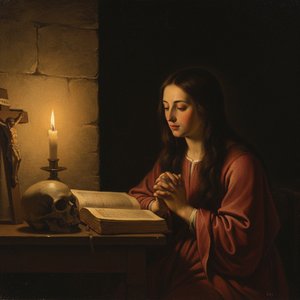
Georges de La Tour: Luminosity, Spirituality & Realism in Baroque Painting
Discover the captivating world of Georges de La Tour, a Baroque master renowned for his dramatic chiaroscuro & spiritual realism. Explore key works, influences, and his remarkable rediscovery. Learn more at OriginalUniqueArt.

Os 10 Mestres do Barroco: Obras-Primas que Moldaram a Arte e Decoram o Lar
Descubra os 10 maiores ícones do Barroco! Explore a história, técnica e emoção por trás de Caravaggio, Rembrandt, Bernini e outros mestres. Encontre reproduções de arte barroca para decorar seu lar com luxo em OriginalUniqueArt.com.
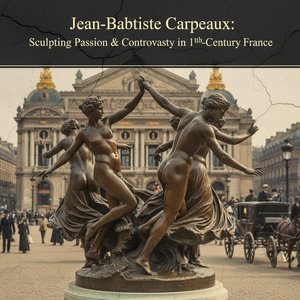
Jean-Baptiste Carpeaux: Sculpting Passion & Controversy in 19th-Century France
Explore the passionate life & controversial works of Jean-Baptiste Carpeaux, a leading French sculptor of the Second Empire. Discover his realism, iconic sculptures like 'Ugolino,' and lasting legacy as a precursor to Rodin.

Barroco Brasileiro: Opulência e Emoção para Interiores Contemporâneos
Descubra como o Barroco brasileiro pode transformar seus interiores! Explore a história, elementos-chave e dicas para integrar este estilo luxuoso e cheio de emoção em sua casa.

The Dramatic Flourish: Exploring the Baroque Movement's Enduring Legacy in Art History
Explore the dramatic world of Baroque art! Discover iconic artists like Caravaggio & Rubens, defining techniques, and its lasting impact on art history. Expert insights for collectors & enthusiasts at OriginalUniqueArt.