

 Visualizar na parede
 Compartilhar
 Compartilhar
 Detalhes
 Guia
Guia

 Baixar imagem
 Semelhantes
 Raio X
 Ver diaporama
 Estatísticas
The Spoiled Child

 Ler mais
Reprodução em Óleo Feita à Mão
Óleo sobre tela pintado à mão no tamanho e moldura de sua escolha, feito sob encomenda pelos nossos artistas. ( Alternar para Impressão Alternar para Imagem Digital)




P118B €10

P118H €10

P118W €10

P438Z €10

P508JH €12

P508YH €12

P805H €10

P805Z €10

P919BZ €10

P919G €10

P919XJ €10

P959ZH €10

P968JZ €12

W106C €8

W218G €10

W218JH €8

W218Y €10

W307PJ €10

W316G €10

W316PJ €8

W316Y €10

W398PJ €8

W4111J €10

W500HY €15

W500JH €15

W692G €12

W849H €8

W940BG €15

W953PJ €8




Escolha entre os nossos tamanhos pré-definidos que respeitam as proporções originais da obra de arte.

Insira a largura e a altura desejadas para se ajustarem à sua moldura ou parede. Como esta obra é pintada à mão, para um tamanho com proporções diferentes, o artista poderá pintar um pouco mais ao redor da imagem ou reduzir ligeiramente a composição — você escolhe. Enviamos uma maquete digital para sua aprovação antes de iniciar a pintura. A imagem exibida nesta página não representa o resultado real — apenas a maquete mostra o resultado final.
Após o pedido, a equipa OriginalUniqueArt.com enviará um e-mail ao cliente para solicitar instruções e fornecer uma prévia do esboço.
Entrega mundial () em 3 a 4 semanas, em vez das 5 semanas padrão. (25 Outubro). Sem comprometer a qualidade.

Envio expresso gratuito para todo o mundo

Tela de Linho de Alta Qualidade

Seguro de transporte completo

Garantia de Reembolso de Impostos Alfandegários

Garantia de Fidelidade Cromática

Política de Devolução em 100 Dias (Apenas para Defeitos)

Garantia de reembolso de 100%

Oferta de desconto por quantidade
 A opção de vidro está disponível apenas para tamanhos inferiores a 110 cm

The Spoiled Child
Técnica de Reprodução
Tamanho da Reprodução
-


Preço Total
€ 263
Biografia do Artista
Jean-Baptiste Greuze (1725–1805): A Master of Sentiment in the Rococo Era
Jean-Baptiste Greuze, born in Tournus, a small Burgundian town in 1725, stands as one of the most distinctive and emotionally resonant figures of eighteenth-century French art. His life’s journey is a compelling narrative of artistic ascent, punctuated by both extraordinary success and profound personal struggles. Initially discouraged from pursuing his passion for painting by his roofer father, young Greuze found early encouragement in Lyon, where he studied under Grandon, an artist who recognized the nascent talent within him. This initial mentorship proved pivotal, leading to further studies in Paris at the prestigious Royal Academy, under the tutelage of Charles-Joseph Natoire – a setting that ultimately shaped his artistic trajectory and distinct style. Greuze’s story is not merely one of artistic skill; it's a testament to an artist who profoundly captured the emotional currents of his time, becoming synonymous with the burgeoning sentimentalism of the Rococo era.The Rise of a Genre Painter: Capturing the Essence of Everyday Life
Greuze’s breakthrough arrived in 1755 with *Le Père de famille expliquant la Bible à ses enfants* (The Father Explaining the Bible to His Children). This painting, far more than a simple depiction of domestic life, became an embodiment of Enlightenment ideals. It resonated deeply with contemporary audiences precisely because it presented a vision of familial piety and moral instruction – values that were gaining increasing prominence in French society. The success of this work catapulted Greuze into the spotlight, securing him entry into the Royal Academy and establishing him as a leading figure in the emerging genre painting movement. He swiftly followed this triumph with a series of further genre scenes—intimate glimpses into everyday life imbued with profound emotional depth and moral undertones. These weren’t merely illustrations; they were carefully constructed narratives designed to evoke empathy, provoke reflection, and subtly impart moral lessons. A significant turning point in his career was his journey to Italy in 1755, undertaken alongside Abbé Gougenot. While the trip itself yielded limited artistic gains, it broadened Greuze's exposure to classical art and provided him with a renewed sense of purpose.Mastering Emotion and Moral Narrative: A Unique Artistic Approach
Greuze’s true genius lay in his ability to translate complex emotions onto canvas—joy, sorrow, remorse, innocence, and even transgression—with remarkable sensitivity and precision. He possessed an extraordinary talent for capturing subtle nuances of expression, conveying inner turmoil with a depth rarely seen in his contemporaries. His compositions were often meticulously staged, utilizing dramatic lighting, carefully chosen props, and expressive gestures to heighten the emotional impact of each scene. Unlike many of his peers who focused on historical or mythological subjects, Greuze chose to depict the realities of everyday life—the struggles of families, the vulnerability of children, the complexities of human relationships. This focus on contemporary themes, combined with his masterful command of emotion, set him apart and established him as a pioneer in a new form of genre painting. The influence of earlier Dutch masters is evident in his work, particularly their ability to convey narrative through visual detail and emotional resonance.Key Works & Their Significance
- Le Père de famille expliquant la Bible à ses enfants (1755): A cornerstone of his early success, embodying Enlightenment ideals of familial piety and establishing his signature style.
- La Jeune Fille qui pleure son oiseau mort (c. 1765): Demonstrates Greuze’s mastery of emotional expression and poignant storytelling through the depiction of a child's grief.
- Savoyard with a Dancing Doll (c. 1763): Captures the spirit and vulnerability of childhood, showcasing his skill in portraiture and his ability to convey innocence.
- Septimius Severus Reproaching Caracalla (1769): A failed attempt at historical painting that highlighted his strengths lay elsewhere, but demonstrated his ambition and artistic range.
- The Broken Pitcher (c. 1770s): Represents a shift towards more sensual and morally ambiguous themes in his later work, reflecting the changing social landscape of France.
Later Years and Lasting Legacy: A Complex Figure
Despite his initial success, Greuze’s career took a difficult turn after he was rejected by the Academy for failing to submit a historical painting. This rejection, coupled with personal hardships—including a failed marriage—led to a period of isolation and bitterness. In his later years, Greuze increasingly explored themes of seduction and moral transgression, sometimes venturing into territory that bordered on the overtly sensual. These works, while technically proficient, lacked the emotional depth and moral clarity of his earlier masterpieces. Tragically, he died in poverty within the Louvre itself in 1805, a stark contrast to the acclaim he had once enjoyed. However, Jean-Baptiste Greuze’s influence on French art remains profound. He pioneered a new form of genre painting that focused on contemporary life and explored universal human emotions—a style that continues to captivate viewers today. His legacy is not simply one of artistic skill; it's a testament to an artist who dared to capture the complexities of the human heart, leaving behind a body of work that speaks powerfully across the centuries.
Jean-Baptiste Greuze
1725 - 1805 , França
Dados Rápidos
- Artistic Movement Or Style: Rococó, Pintura de gênero
- Artists Or Movements Influenced By This Artist: ['Pintura holandesa de gênero']
- Artists Who Influenced This Artist: ['Grandon (ou Grondom)']
- Date Of Birth: 1725
- Date Of Death: 1805
- Full Name: Jean-Baptiste Greuze
- Nationality: Francês
- Notable Artworks:
- Pai explicando a Bíblia
- Menina chorando pássaro
- Savoyard com boneca dançante
- Place Of Birth: Tournus, França
Artigos Relacionados

Illuminating the Enlightenment: A Comprehensive Exploration of 18th-Century Painting
Explore the captivating world of 18th-century painting! Discover Rococo's playful elegance & Neoclassicism’s Enlightenment ideals with expert insights into Fragonard, David, and more. A comprehensive guide for art enthusiasts.
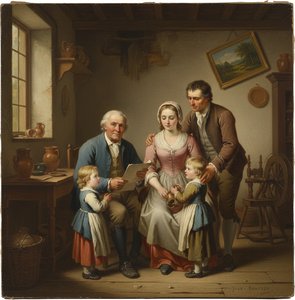
Jean-Baptiste Greuze: Morality, Sentiment & the Rise of Genre Painting
Explore the life & art of Jean-Baptiste Greuze, a pivotal French Rococo painter renowned for his emotionally resonant genre scenes and moral lessons. Discover his legacy & impact on 18th-century art history.

Rococó: 10 Obras-Primas que Definiram um Movimento Artístico Elegante | OriginalUniqueArt.com
Descubra as 10 obras-primas do Rococó! Explore a elegância de Fragonard, Boucher e Watteau. A arte do século XVIII ganha vida com cores pastel e detalhes luxuosos. Encontre reproduções de alta qualidade em OriginalUniqueArt.com.
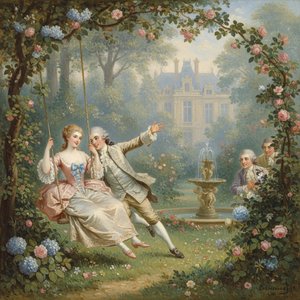
The Rococo Reverie of Fragonard: Love, Leisure & Pleasure in 18th-Century France
Explore the captivating world of Jean-Honoré Fragonard! Discover his Rococo masterpieces, intimate portraits & the allure of 18th-century French art. Learn about 'The Progress of Love' and more at OriginalUniqueArt.

The Rococo Aesthetic: Opulence, Rebellion & the Pursuit of Pleasure in 18th-Century Art
Explore the opulent world of Rococo art! Discover its origins, key artists like Watteau & Boucher, and lasting influence on design. Expert insights for collectors & enthusiasts.