
 Enviar
 Compartilhar
 Ver detalhes
 Guia de Obras do Aluno

 Baixar imagem
 Semelhantes
 Apresentação de slides
 Estatísticas
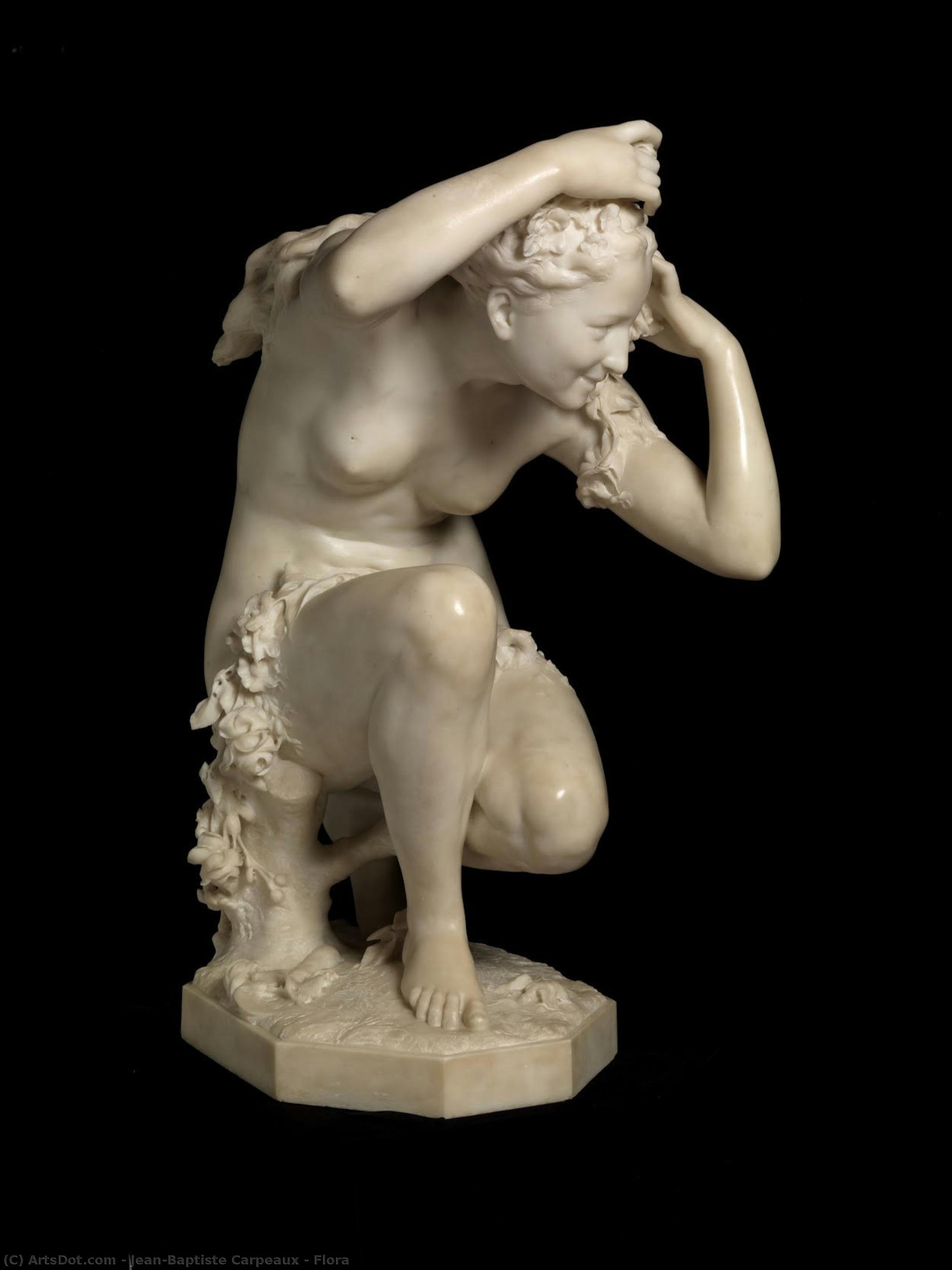
Flora


 Ver mais
Adquira uma imagem digital de alta resolução e aprimorada, muito superior à prévia online.
Cada arquivo é meticulosamente preparado por nossos especialistas internos, utilizando ferramentas avançadas e retoques manuais de alta precisão. Garantimos que cada imagem apresente clareza excepcional, fidelidade de cores e detalhes minuciosos.
O arquivo final é entregue por e-mail em até 72 horas, otimizado para uso imediato em ambientes profissionais, editoriais e de impressão. Esta é a mesma qualidade utilizada por estúdios de design de alto nível, editoras e galerias.
Imagem Digital
Baixe um arquivo de alta resolução para exibição pessoal, impressão e projetos criativos. ( Alternar para Impressão Encomendar reprodução pintada à mão)
Incluído em cada pedido de imagem digital
Entrega Digital Especializada e Garantida
Ao escolher o OriginalUniqueArt.com, você não está apenas adquirindo uma imagem — você está recebendo uma obra de arte digital profissionalmente aprimorada, elaborada com precisão e com garantia de satisfação. Aqui está tudo o que acompanha seu pedido, automaticamente:

Entrega rápida por e-mail
O seu arquivo de imagem digital em alta resolução será enviado por e-mail em até 72 horas após o pedido — pronto para uso imediato.

Arquivo Digital com IA Otimizado
Sua obra de arte é otimizada profissionalmente por meio de ferramentas avançadas de IA e edição manual, garantindo o máximo de detalhes, clareza e precisão de cores.

Reenvio gratuito vitalício
Apagou ou perdeu o seu ficheiro acidentalmente? Não se preocupe – nós reenviamos para si a qualquer momento, gratuitamente.

Sem Taxas de Importação - Sempre
Desfrute da sua obra de arte instantaneamente, sem taxas alfandegárias, impostos ou custos de entrega — downloads digitais são sempre isentos de taxas.

Garantia de Precisão de Cores
Garantimos que sua imagem digital reflita as cores originais com a maior fidelidade possível, utilizando ferramentas profissionais e gerenciamento de cores.

Garantia de satisfação de 100 dias
Se não estiver satisfeito com a sua imagem digital, nós a revisaremos ou reembolsaremos 100% dentro de 100 dias — sem perguntas.

Garantia de Reembolso 100%
Não está satisfeito? Receba o reembolso total em até 100 dias após o recebimento do seu arquivo digital — sem perguntas.

Descontos para pedidos em lote
Compre 3 imagens, economize 10% - Compre 5, economize 15% - Compre 10+, economize 20%. Ideal para projetos criativos, galerias e agências.
A Symphony of Marble and Springtime
In the realm of nineteenth-century sculpture, few works capture the ephemeral essence of joy as profoundly as Jean-Baptiste Carpeaux’s Flora. This exquisite marble masterpiece is far more than a mere depiction of a mythological figure; it is a breathtaking celebration of vitality, movement, and the tender arrival of a new season. The sculpture presents a woman in a moment of intimate grace, crouching with a naturalistic ease that seems to defy the very stone from which she is carved. As she reaches up to adorn her hair with delicate blossoms, her lips part in a subtle, enchanting smile—a feature famously modeled after Anne Foucart, whose youthful radiance provided the sculptor with the perfect vessel for expressing pure, unadulterated delight.
The technique employed by Carpeaux is nothing short of miraculous, bridging the gap between the rigid traditions of classical sculpture and the burgeoning desire for emotional realism. While his training under François Rude instilled in him a mastery of form, Carpeost sought to break free from the cold, static nature of academicism. In Flora, one can observe a tactile sensitivity where the smoothness of skin meets the intricate, organic textures of floral garlands. The way light plays across the undulating surfaces of her limbs creates an illusion of breath and pulse, making the marble appear almost soft to the touch. This mastery of texture and light ensures that the piece remains dynamic, inviting the viewer to move around it to discover new shadows and highlights.
Historical Resonance and Artistic Legacy
The origins of this work are deeply intertwined with the architectural grandeur of Paris. Carpeaux was originally commissioned by the architect Lefuel to create a high-relief for the Pavillon de Flore at the Palais du Louvre, themed around the Triumph of Flora. However, the singular figure we admire today emerged from a period of personal and political transition. Executed in 1873 while Carpeaux was living in London following the fall of the Second Empire, this human-scale version represents a mature refinement of his earlier ideas. Commissioned by the art enthusiast Henry James Turner, the sculpture reflects a moment where the artist, though in exile, found the inspiration to revisit and elevate his most beloved theme.
Symbolically, the piece serves as an allegory for rebirth and the cyclical nature of life. By drawing inspiration from the Crouching Aphrodite of classical antiquity, Carpeaux connects the modern spirit of the 1870s to the timeless beauty of the ancient world. The sculpture does not merely represent a goddess; it embodies the very concept of "Spring"—a period of awakening and flourishing. For the discerning collector or interior designer, this work offers a profound emotional anchor. Whether placed in a sunlit gallery or as a focal point in a sophisticated living space, Flora radiates an atmosphere of optimism and elegance, making it an incomparable choice for those looking to infuse their surroundings with a sense of timeless grace and poetic movement.
Perguntas e Respostas
Onde deve ser pendurada uma reprodução de "Flora" de Jean-Baptiste Carpeaux?
Com o seu formato Portrait, uma reprodução de "Flora" é sugerida para um(a) Living Room.
Que paleta e que sentimento "Flora" combina?
Em "Flora", cores de Earthy acompanham um sentimento Romantic.
Sobre o que trata "Flora" e qual é a sua atmosfera?
"Flora" de Jean-Baptiste Carpeaux combina flora sculpture, renaissance art, louvre pavilion, french art history, marble statues, anne foucart, jean carpeaux legacy com uma atmosfera Elegant.
Biografia do Artista
A Life Sculpted in Passion: The World of Jean-Baptiste Carpeaux
Jean-Baptiste Carpeaux, a name synonymous with dynamism and emotional depth in 19th-century French sculpture, emerged from humble beginnings to become one of the most celebrated artists of his time. Born in Valenciennes in 1827, the son of a mason, Carpeaux’s early life was deeply rooted in the physicality of craftsmanship – an influence that profoundly shaped his artistic sensibility. This grounding in tangible creation fostered a profound understanding of materials and form, laying the foundation for a career defined by its tactile realism and expressive power. His initial training under François Rude, famed for his dramatic reliefs on the Arc de Triomphe, provided a solid base in classical technique, but it was at the École des Beaux-Arts that Carpeaux truly began to hone his unique vision. The rigorous academic environment of the school, combined with his innate talent, propelled him towards winning the prestigious Prix de Rome in 1854 – a pivotal moment that set him on a transformative journey to Italy.Roman Reveries and the Birth of a New Style
The years Carpeaux spent in Rome were crucial in shaping his artistic development. Immersed in the masterpieces of Michelangelo, Donatello, and Verrocchio, he absorbed their mastery of anatomy, composition, and emotional intensity. However, rather than simply imitating these Renaissance giants, Carpeaux began to forge his own path, deliberately rejecting the rigid formality that characterized much of Neoclassical sculpture. He sought a more fluid, spontaneous approach, one that captured the energy and vitality of life itself – a departure from the idealized forms prevalent in earlier styles. This shift is strikingly evident in *Pêcheur napolitain à la coquille* (Neapolitan Fisherboy), created during this period. The sculpture, depicting a young boy with a shell, is remarkable for its naturalism and sense of movement; it’s not merely a representation of a figure but an embodiment of youthful exuberance and carefree joy. This work immediately garnered significant attention upon its exhibition in Paris, establishing Carpeaux as a rising star and securing commissions from Empress Eugénie herself. He meticulously studied the nuances of light and shadow, striving to capture the fleeting expressions and subtle gestures that brought his subjects to life.Triumph and Turmoil: The Second Empire Years
Carpeaux’s talent flourished during the Second Empire under Napoleon III, an era marked by artistic innovation and ambitious public projects. He quickly became a favorite of the imperial court, receiving numerous commissions for portraits and monumental sculptures designed to celebrate the grandeur of the regime. His work on the façade of the Opéra Garnier in Paris, *La Danse*, remains one of his most iconic achievements – a breathtaking display of dynamic movement and graceful forms. This high-relief sculpture, depicting figures caught in a swirling vortex of energy, was intended to embody the spirit of dance and celebration. However, this masterpiece was not without controversy; its overt sensuality sparked outrage among some conservative critics who deemed it indecent. Despite the criticism, *La Danse* cemented Carpeaux’s reputation as a bold and innovative artist, unafraid to challenge conventions and push boundaries. Other significant works from this period include *Ugolino and His Sons*, a harrowing depiction of Dante's tragic tale of starvation and despair – showcasing his ability to convey profound emotional depth through sculpted form. The sculpture powerfully illustrates the depths of human suffering and the devastating consequences of injustice, demonstrating Carpeaux’s capacity for dramatic storytelling.A Legacy Forged in Movement and Emotion
Despite facing financial difficulties and health challenges in later life, Carpeaux continued to create with unwavering dedication until his untimely death in 1875. His influence on subsequent generations of sculptors is undeniable. He broke away from the constraints of academic tradition, embracing a more naturalistic and expressive style that paved the way for artists like Auguste Rodin. Rodin, often considered the father of modern sculpture, acknowledged Carpeaux as a key precursor, recognizing his pioneering efforts in capturing movement and emotion in three dimensions. Rodin’s own work owes a significant debt to Carpeaux's innovations in portraying human feeling and dynamism. *Carpeaux’s emphasis on realism, combined with his ability to infuse his works with psychological depth*, resonated deeply with artists seeking to move beyond mere imitation and explore the complexities of the human experience. His students – including Jules Dalou, Jean-Louis Forain, and Olin Levi Warner – carried forward his legacy, further expanding the boundaries of sculptural expression. Today, Carpeaux’s sculptures are displayed in prominent museums around the world, serving as a testament to his enduring artistic vision and his profound impact on the history of sculpture. His work continues to captivate audiences with its raw emotion, dynamic energy, and timeless beauty.Major Works
Here's a brief overview of some of Carpeaux’s most celebrated works:- Ugolino and His Sons (1861): A dramatic bronze depicting Dante’s tragic tale of starvation and despair.
- La Danse (1869-1870): A monumental relief sculpture for the façade of the Opéra Garnier, renowned for its dynamic movement and sensuality.
- Neapolitan Fisherboy (1857): A charming depiction of a young boy with a shell, showcasing Carpeaux’s ability to capture youthful joy and spontaneity.
- Girl with a Shell (1865): The companion piece to *Neapolitan Fisherboy*, further demonstrating his mastery of naturalism and movement.
- Portrait of Empress Eugénie (1872): A striking portrait capturing the elegance and grace of the French empress.

Jean-Baptiste Carpeaux
1827 - 1875 , França
Informações Rápidas
- Artistic Movement Or Style: Naturalismo, Realismo
- Artists Or Movements Influenced By This Artist: ['Rodin']
- Artists Who Influenced This Artist:
- Rude
- Michelangelo
- Donatello
- Date Of Birth: 1827
- Date Of Death: 1875
- Full Name: Jean-Baptiste Carpeaux
- Nationality: Francês
- Notable Artworks:
- Ugolino e seus filhos
- Pescador napolitano
- A Dança
- Place Of Birth: Valenciennes, França