

 Visualizar em escala
 Enviar
 Compartilhar
 Ver detalhes
 Guia de Obras do Aluno

 Baixar imagem
 Semelhantes
 Raio X
 Apresentação de slides
 Estatísticas
Relief, clock

 Ver mais
A obra de arte exibida nesta página é protegida por leis de direitos autorais, o que significa que não podemos criar ou vender legalmente uma reprodução idêntica. Esta proteção é aplicada por meio de acordos internacionais, tais como a Convenção de Berna e pelas leis nacionais, incluindo as estabelecidas por Lei de Direitos Autorais dos EUA - Título 17.
Este método cumpre plenamente as regulamentações de direitos autorais, pois não envolve a cópia ou duplicação da obra protegida. Em vez disso, trata-se de uma reinterpretação criativa — uma nova pintura que é influenciada pela original, mas não idêntica a ela.
Giclée / Impressão de Arte
Impressão giclée ou em tela de qualidade de museu, com produção rápida e opções flexíveis de acabamento. ( Encomendar reprodução pintada à mão Ver Imagem Digital)




P118B €10

P118H €10

P118W €10

P438Z €10

P508JH €12

P508YH €12

P805H €10

P805Z €10

P919BZ €10

P919G €10

P919XJ €10

P959ZH €10

P968JZ €12

W106C €8

W218G €10

W218JH €8

W218Y €10

W307PJ €10

W316G €10

W316PJ €8

W316Y €10

W398PJ €8

W4111J €10

W500HY €15

W500JH €15

W692G €12

W849H €8

W940BG €15

W953PJ €8




Escolha entre os nossos tamanhos pré-definidos que respeitam as proporções originais da obra de arte.

Digite a largura e a altura de que necessita, para se ajustar à sua moldura ou à sua parede. Uma impressão só pode ser cortada, nunca ampliada além da imagem original, pelo que um tamanho com uma proporção diferente perderá parte da imagem. Enviamos-lhe uma maquete digital para aprovação antes de imprimirmos qualquer coisa. A imagem apresentada nesta página não mostra o corte real — apenas a maquete o faz.
Entrega mundial () em 2 semanas, em vez das 4/5 semanas padrão. (24 Outubro)

Envio expresso gratuito para todo o mundo

Tela de Linho Premium

Seguro de transporte total

Garantia de Reembolso de Impostos Alfandegários

Garantia de Fidelidade de Cor

Política de Devolução em 100 Dias (Apenas para Defeitos)

Garantia de reembolso de 100%

Desconto para múltiplas unidades
 A opção de vidro está disponível apenas para tamanhos inferiores a 110 cm

Relief, clock
Giclée / Impressão de Arte
Dimensões da Reprodução
-


Preço Total
€ 70
Relief, Clock (1914) by Jean Arp
Jean Arp’s “Relief, Clock,” created in 1914 during the tumultuous period of Dadaism and its nascent embrace of Surrealist principles, stands as a testament to artistic experimentation and a profound engagement with geometric abstraction. More than just a decorative object; it embodies a radical departure from traditional sculptural conventions—a deliberate rejection of representational accuracy in favor of exploring fundamental visual elements: form, color, and chance.
- Overall Impression: The artwork presents a striking relief sculpture characterized by circular composition and bold chromatic contrasts. Its glossy finish suggests meticulous lacquering, highlighting the artist’s dedication to surface texture and visual impact.
- Composition & Movement: Dominating the image is a large circle bisected by overlapping organic shapes—biomorphic forms reminiscent of abstracted natural elements—that generate an undeniable sense of dynamism. The arrangement isn't merely decorative; it speaks to Arp’s fascination with spontaneity and unpredictability, mirroring the Dadaist ethos.
- Color Palette & Technique: Vibrant hues – sapphire blue, scarlet red, lemon yellow, olive green, charcoal black, and pristine white – are applied in flat planes with sharp boundaries, creating a visually arresting juxtaposition of colors. The technique involved layering cut shapes adhered to a rigid substrate like painted wood, demonstrating precision and careful consideration for material properties.
Historical Context & Artistic Influences
“Relief, Clock” emerged from the Dada movement’s rejection of logic and reason—a reaction against the horrors of World War I. Dada artists sought to dismantle established artistic hierarchies and embrace absurdity as a means of critique. Arp's work aligns closely with Surrealist explorations of subconscious imagery and dreamlike states, drawing inspiration from figures like Marcel Duchamp and Giorgio Morandi. Notably, it shares stylistic similarities with Jean Arp’s biomorphic sculptures—a deliberate move away from representational art toward an aesthetic rooted in organic forms.
Symbolism & Emotional Resonance
The circular motif symbolizes wholeness and unity – a concept central to Surrealist thought. The asymmetrical arrangement of shapes contributes to the artwork's emotional impact, conveying a feeling of playful disruption and inviting contemplation. Beyond its formal qualities, “Relief, Clock” evokes an atmosphere of quiet dynamism—a subtle suggestion of movement within stillness.
Material & Craftsmanship
Likely executed using painted wood or similar durable material, the sculpture’s surface is remarkably smooth and glossy due to a meticulous polishing process. The careful cutting and placement of geometric shapes underscore Arp's mastery of craftsmanship—a testament to his commitment to achieving visual harmony through precise execution.
Perguntas e Respostas
Que humor e emoção se unem em "Relief, clock"?
"Relief, clock" de Jean Arp transmite um sentimento Calm dentro de uma atmosfera geral Serene.
Em qual movimento e em qual época se insere "Relief, clock" de Jean Arp?
"Relief, clock" pertence ao movimento Surrealist Expression, e seu criador trabalhou na era Era Moderna.
Posso visualizar "Relief, clock" de Jean Arp antes de fazer o pedido?
A página de Visualização de "Relief, clock" permite que você visualize a obra de arte antes de fazer o pedido.
Biografia do Artista
Uma Vida Forjada Entre Mundos: Os Primeiros Anos de Jean Arp
Nascido como Hans Peter Wilhelm Arp em 1886, na disputada cidade de Estrasburgo — um lugar que oscilava entre as identidades francesa e alemã —, o artista que viria a ser conhecido como Jean Arpland encarnou uma dualidade fascinante desde os seus primeiros instantes. Essa liminaridade geográfica e cultural moldou profundamente sua visão artística, instilando nele um senso de deslocamento e um questionamento das fronteiras fixas que permeariam toda a sua obra. Seus pais — uma mãe francesa e um pai alemão — sem saber, lançaram as bases para um artista que desafiaria consistentemente qualquer categorização. Os estudos iniciais na École des Arts et Métiers, em Estrasburgo, e posteriormente na Weimarer Kunstschule, na Alemanha, proporcionaram a Arp uma educação artística fundamental, mas foi o incentivo de seu tio, Carl Arp, um pintor de paisagens, que verdadeiramente acendeu sua paixão. A mudança para Paris em 1908, para frequentar a Académie Julian, ampliou ainda mais seus horizontes, expondo-o às correntes vibrantes da vanguarda. No entanto, Estrasburgo permaneceu como uma memória potente — uma cidade imersa em história e peso simbólico, influenciando eternamente sua sensibilidade artística. Este período inicial não tratava apenas de adquirir técnica; era sobre absorver as complexidades da identidade e do pertencimento, temas que ressoariam por toda a sua vida e obra.Abraçando o Caos: O Dadaísmo e o Nascimento das Formas Biomórficas
O estopim da Primeira Guerra Mundial revelou-se um momento crucial para Arp. Desiludido com a violência sem sentido e com os fracassos percebidos da razão, ele gravitou em direção ao emergente movimento Dada por volta de 1915. Esta não foi simplesmente uma escolha estética; foi uma rejeição radical das normas estabelecidas, um abraço desafiador ao caos como resposta a um mundo caótico. Arp encontrou-se entre um grupo de artistas e intelectuais na neutra Suíça — Hugo Ball, Tristan Tzara, Marcel Janco — que buscavam desmantelar as convenções artísticas tradicionais. Ele participou ativamente de exposições com o Moderne Bund, uma aliança precoce da arte moderna, e cofundou o grupo Dada de Colônia em 1920, ao lado de Max Ernst e Alfred Grünwald. Foi durante este período que Arp começou a experimentar com operações de acaso, uma técnica que refletia a rejeição dadaísta ao controle artístico. Suas “colagens ao acaso”, criadas ao deixar fragmentos de papel caírem sobre uma superfície e colá-los onde pousavam, foram revolucionárias — uma abdicação do design consciente em favor de resultados imprevisíveis. Simultaneamente, ele começou a explorar formas biomórficas — formas abstratas que lembram a vida orgânica — que se tornariam uma característica definidora de seu trabalho. Estas não eram meramente composições abstratas; elas sugeriam energias ocultas, os blocos fundamentais da existência e uma conexão subconsciente com a natureza. Essa exploração foi significativamente influenciada por sua profunda parceria artística com Sophie Taeuber-Arp, com quem se casou em 1922. Seus projetos colaborativos foram inovadores e mutuamente inspiradores, expandindo os limites das práticas de ambos.Visões Surrealistas e Explorações Esculturais
À medida que o Dadaísmo começava a se dissipar, a trajetória artística de Arp conduziu-o ao Surrealismo. Sua obra foi apresentada na primeira exposição surrealista na Galerie Pierre, em Paris, em 1925, consolidando sua conexão com este movimento que mergulhava no reino dos sonhos e do subconsciente. No entanto, Arp não adotou o Surrealismo de forma integral; ele o infundiu com sua própria sensibilidade única. Ele iniciou uma transição significativa dos relevos escultóricos para obras tridimensionais, explorando a abstração orgânica em formas autoportantes. A série “Concreção Humana” surgiu durante este período — esculturas suaves e arredondadas que evocavam referências ambíguas tanto à forma humana quanto a objetos naturais. A exploração de materiais por Arp foi igualmente importante. Ele experimentou com mármore, bronze, vidro e madeira, cada meio oferecendo texturas e efeitos distintos, permitindo-lhe refinar ainda mais sua visão da abstração orgânica. Suas formas biomórficas influenciaram profundamente o desenvolvimento do Surrealismo, particularmente sua fascinação pelo automatismo e pelas imagens subconscientes. Arp não estava interessado em retratar objetos reconhecíveis; ele buscava capturar a essência da própria vida — seu crescimento, sua fluidez, seu mistério inerente.Legado e Influência Duradoura
O impacto de Jean Arp na arte do século XX é inegável. Seu papel pioneiro na abstração orgânica, seu abraço ao acaso e sua exploração das formas biomórficas consolidaram seu lugar como uma figura fundamental da vanguarda. Obras notáveis como Trousse d'un dada, a série Dada Heads, Human Concretion without Oval Bowl, Le Soleil recerclé e The Three Graces continuam a cativar o público com sua elegância simples e profundo simbolismo. Ele recebeu reconhecimento crescente na era pós-Segunda Guerra Mundial, culminando no Grande Prêmio de Escultura na Bienal de Veneza em 1954, além de grandes exposições retrospectivas no Museum of Modern Art em Nova York (1958) e no Musée National d’Art Moderne em Paris (1962). Sua criação de um relevo escultórico para o Harvard Graduate Center permanece como um testemunho de seu legado duradouro. A ênfase de Arp nas formas orgânicas ressoou com gerações subsequentes de artistas, influenciando movimentos como o Expressionismo Abstrato e além. Seu uso das operações de acaso continua a inspirar aqueles que exploram a aleatoriedade e métodos criativos não convencionais. O trabalho colaborativo que ele compartilhou com Sophie Taeuber-Arp é hoje reconhecido como uma das contribuições mais significativas para o movimento Dada, destacando o poder da parceria artística. A abordagem inovadora de Jean Arp, sua disposição em desafiar convenções e seu compromisso inabalável em explorar as forças fundamentais da vida garantem que sua arte continuará a inspirar e provocar por gerações vindouras.
Jean Arp
1886 - 1966 , Alemanha
Informações Rápidas
- Artistic Movement Or Style: Dadaísmo, Surrealismo, Arte abstrata
- Artists Who Influenced This Artist:
- Wassily Kandinsky
- Hugo Ball
- Date Of Birth: 16 setembro 1886
- Date Of Death: 7 junho 1966
- Full Name: Hans Peter Wilhelm Arp
- Nationality: Alemão
- Notable Artworks:
- Trousse d'un dada
- Dada Heads
- Human Concretion
- Le Soleil recerclé
- Place Of Birth: Estrasburgo, Alemanha
Artigos Relacionados

Neo-Abstract Art: The High-Impact Evolution of Modern Visual Energy and Geometric Sophistication
Discover the power of Neo-Abstract art. Explore how bold geometric forms and high-impact visual energy are redefining modern design. Learn to curate sophisticated, high-energy spaces with the latest trends in contemporary abstraction and structural color.

Esculturas em Bronze Icônicas: 10 Obras que Revolucionaram a Arte | OriginalUniqueArt
Descubra as 10 esculturas em bronze mais icônicas da história! Explore a arte de Rodin, Michelangelo e outros mestres. Encontre reproduções de alta qualidade para sua casa em OriginalUniqueArt.com.
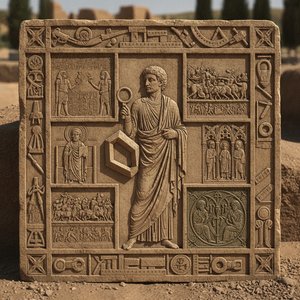
Mastering Dimension: An Art Historian's Guide to the Elegance of Sculptural Relief Art
Explore the profound beauty of sculptural relief art. From classical bas-relief to modern geometric textures, discover how depth and light transform spaces through an expert guide on art history and sophisticated curation for discerning collectors.

Abstração Geométrica: 10 Obras-Primas que Moldaram a Arte Moderna | OriginalUniqueArt.com
Descubra as 10 obras-primas da Abstração Geométrica que revolucionaram a arte moderna! Explore Kandinsky, Mondrian e outros artistas icônicos. Encontre reproduções de alta qualidade para decorar sua casa com OriginalUniqueArt.com.

Beyond Form & Color: Geometric Abstraction's Evolution in 20th/21st Century Art
Explore the evolution of geometric abstraction from Cubism to contemporary art. Discover key artists like Malevich & Mondrian, investment insights, and expert collecting advice at OriginalUniqueArt.
