
 Visualizar em escala
 Enviar
 Compartilhar
 Ver detalhes

 Baixar
 Semelhantes
 Raio X
 Apresentação de slides
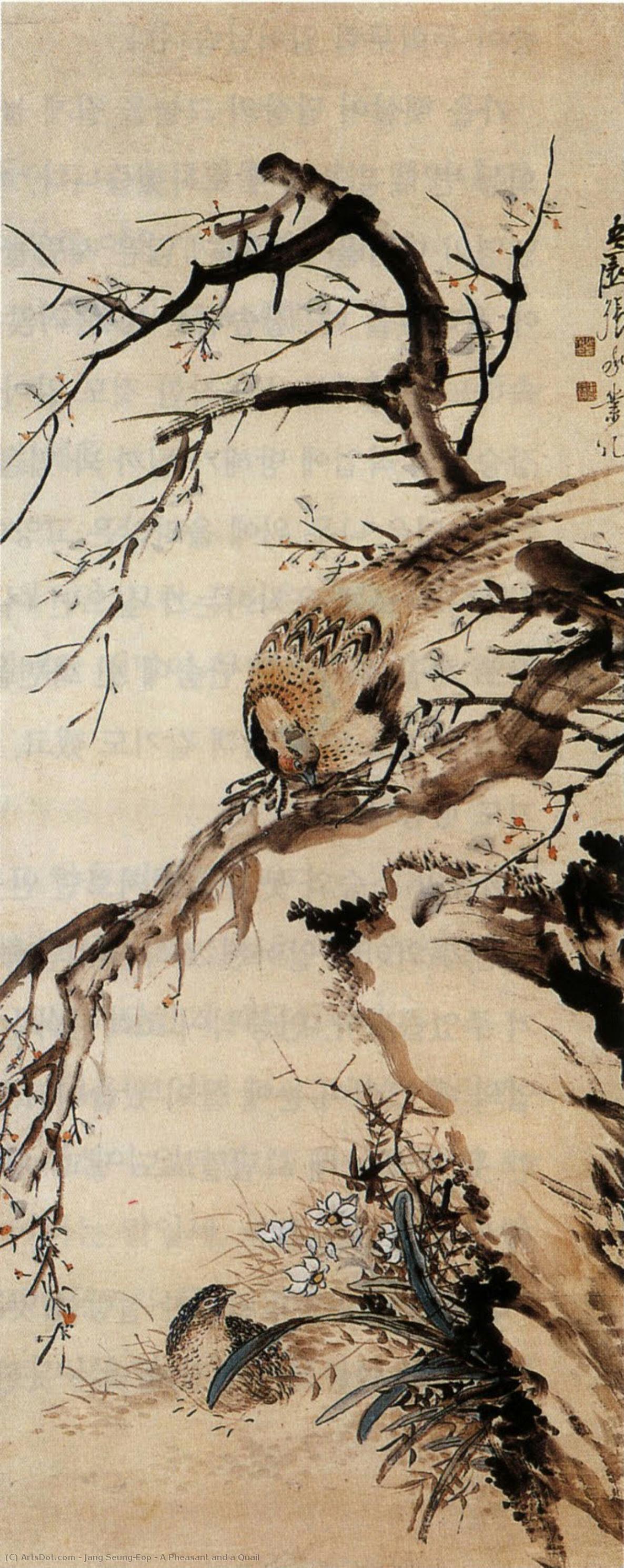
A Pheasant and a Quail
 55.0 x 135.0 cm
 Museu Nacional da Coreia
 Ver mais
Reprodução em Óleo Feita à Mão
Óleo sobre tela pintado à mão no seu tamanho e moldura, feito sob encomenda pelos nossos artistas. ( Encomendar impressão Comprar imagem em alta resolução)




































Escolha entre os nossos tamanhos pré-definidos que respeitam as proporções originais da obra de arte.

Pode inserir as suas próprias dimensões para se adequar a uma moldura ou espaço específico. Se o tamanho selecionado não corresponder às proporções da imagem original, iremos cortar a obra de arte ou estender a pintura com elementos adicionais pintados à mão. Um esboço digital será enviado para sua aprovação antes do início da produção.
Tenha em atenção que a pré-visualização no ecrã não reflete o corte ou extensão real. Apenas o esboço mostrará com precisão a composição final.
Embora tamanhos personalizados estejam disponíveis, recomendamos selecionar uma dimensão da lista predefinida para preservar as proporções originais.
Após o pedido, a equipa OriginalUniqueArt.com enviará um e-mail ao cliente para solicitar instruções e fornecer uma prévia do esboço.
Entrega mundial () em 3 a 4 semanas, em vez das 5 semanas padrão. (15 Agosto). Sem comprometer a qualidade.

Envio Expresso Gratuito para todo o Mundo

Tela de Linho Premium

Seguro de transporte total

Garantia de Reembolso de Impostos Alfandegários

Garantia de Fidelidade de Cor

Política de Devolução de 60 Dias (Apenas para Defeitos)

Garantia de reembolso de 100%

Desconto para múltiplas unidades
 A opção de vidro está disponível apenas para tamanhos inferiores a 110 cm

A Pheasant and a Quail
Técnica de Reprodução
Dimensões da Reprodução
-


Preço Total
$ 300
Biografia do Artista
The Brush of a Legend: The Life and Legacy of Jang Seung-eop
In the twilight of the Joseon Dynasty, a period of profound cultural transition in Korea, there emerged a painter whose brush possessed the rare ability to capture both the ephemeral beauty of nature and the enduring dignity of the human spirit. Jang Seung-eop, known more intimately by his art name Owon, was not merely a practitioner of traditional techniques but a transformative force in Korean art history. Born in Seoul in 1843, his life was a tapestry of brilliant artistic triumph and personal turbulence, a narrative so compelling that it was later immortalized in the cinematic masterpiece Chi-hwa-seon. Unlike many of his contemporaries who sought status through lineage, Owon’s ascent was fueled by raw, unadulterated talent, eventually earning him the rare distinction of holding an official rank within the royal court—a testament to a skill that even the highest authorities could not ignore.
The artistry of Owon was characterized by a breathtaking synthesis of realism and the classical aesthetics of the East. While he drew deep inspiration from the sophisticated traditions of Chinese and Japanese landscape painting, he remained steadfastly rooted in the Korean soul. His work avoided the encroaching Western influences of his era, choosing instead to refine the delicate balance of calligraphy and ink wash. He possessed an uncanny ability to breathe life into the inanimate; a single stroke could convey the rugged texture of ancient stone or the soft, translucent petal of a spring blossom. His compositions were masterclasses in harmony, where every element—from the sweeping curves of a mountain range to the minute details of a scholar’s study—contributed to a sense of profound equilibrium.
Mastery of Form and the Spirit of the Joseon Era
Owon’s repertoire was as diverse as the landscapes he depicted, ranging from grand, sweeping vistas to intimate, soul-stirring portraits. He was a master of genre painting, finding extraordinary beauty in the mundane rhythms of everyday life. His canvases often transported viewers to bustling marketplaces or serene, secluded gardens, capturing the vitality of the Korean people with an observant and empathetic eye. This mastery extended into his botanical and animal studies, where works such as Flowers and Animals demonstrated his ability to render organic life with both scientific precision and poetic grace. Through his use of ink and light color on paper, he achieved a luminosity that made his subjects appear to vibrate with life.
Beyond the landscapes, Owon’s portraiture remains some of the most evocative of his era. In works like Portrait of a Beauty, he moved beyond mere physical likeness to capture the internal essence and social grace of his subjects. His ability to render delicate facial features and tranquil gazes allowed him to communicate complex emotions through subtle shifts in line and shade. This period of his development saw him perfecting the art of the screen painting, such as the magnificent Still Life with Bronze Vessels and Flowering Plants, where he utilized the expansive format to create intricate, multi-layered narratives of elegance and abundance.
A Lasting Impression on Korean Artistry
The historical significance of Jang Seung-eop cannot be overstated. As one of the "Three Wons" of late Joseon painting, he served as a bridge between the rigid traditions of the past and a more expressive, realistic approach to subject matter. His legacy is not found merely in the museums that house his delicate scrolls, but in the very foundation of modern Korean aesthetic identity. He proved that tradition could be revitalized through observation and emotion without losing its cultural essence. Today, as we look upon his works, we see more than just ink on paper; we see the heartbeat of a bygone era, preserved through the masterful hand of an artist who saw the divine in the details of the world around him.

jang seung-eop
1843 - 1897 , South Korea
Informações Rápidas
- Artistic Movement Or Style: Realism; Harmony; Chinese & Japanese art influence
- Artists Or Movements Influenced By This Artist: ['Genre paintings']
- Artists Who Influenced This Artist: ['Kim Hong-do']
- Date Of Birth: Seoul, South Korea (1843)
- Date Of Death: 1897
- Full Name: Jang Seung-eop
- Nationality: Korean
- Notable Artworks:
- Portrait of a Beauty
- Still life with bronze vessels and flowering plants
- Place Of Birth: Seoul

