

 Visualizar em escala
 Enviar
 Compartilhar
 Ver detalhes
 Guia de Obras do Aluno

 Baixar imagem
 Semelhantes
 Raio X
 Apresentação de slides
 Estatísticas
Still-Life
 Oil On Canvas
- WallArt
- Baroque
 86.0 x 68.0 cm
 Museu Hermitage
 Ver mais
Giclée / Impressão de Arte
Impressão giclée ou em tela de qualidade de museu, com produção rápida e opções flexíveis de acabamento. ( Encomendar reprodução pintada à mão Ver Imagem Digital)




P118B €10

P118H €10

P118W €10

P438Z €10

P508JH €12

P508YH €12

P805H €10

P805Z €10

P919BZ €10

P919G €10

P919XJ €10

P959ZH €10

P968JZ €12

W106C €8

W218G €10

W218JH €8

W218Y €10

W307PJ €10

W316G €10

W316PJ €8

W316Y €10

W398PJ €8

W4111J €10

W500HY €15

W500JH €15

W692G €12

W849H €8

W940BG €15

W953PJ €8




Escolha entre os nossos tamanhos pré-definidos que respeitam as proporções originais da obra de arte.

Você pode inserir suas próprias dimensões para se ajustar a uma moldura ou espaço específico. Se o tamanho selecionado não corresponder às proporções da imagem original, iremos recortar a obra de arte ou estender a imagem com uma borda espelhada ou preenchimento sólido. Um mockup digital será enviado para sua aprovação antes do início da produção.
Por favor, observe que a visualização na tela não reflete o recorte ou a extensão real. Apenas o mockup mostrará com precisão a composição final.
Embora tamanhos personalizados estejam disponíveis, recomendamos selecionar uma dimensão da lista predefinida para preservar as proporções originais.
Entrega mundial () em 2 semanas, em vez das 4/5 semanas padrão. (28 Setembro)

Envio expresso gratuito para todo o mundo

Tela de Linho Premium

Seguro de transporte total

Garantia de Reembolso de Impostos Alfandegários

Garantia de Fidelidade de Cor

Política de Devolução em 100 Dias (Apenas para Defeitos)

Garantia de reembolso de 100%

Desconto para múltiplas unidades
 A opção de vidro está disponível apenas para tamanhos inferiores a 110 cm

Still-Life
Giclée / Impressão de Arte
Dimensões da Reprodução
-


Preço Total
€ 69
A Glimpse into Baroque Grandeur: Jan Weenix’s “Still Life with a Monkey”
Jan Weenix's "Still Life with a Monkey," painted around 1697, is more than just a depiction of fruit and game; it’s a meticulously crafted window into the opulent world of Dutch Golden Age society. This remarkable piece, currently housed within the Hermitage Museum in St. Petersburg, Russia, offers a captivating blend of realism, theatricality, and subtle symbolism that continues to intrigue viewers centuries after its creation. Weenix, trained by his father Jan Baptist Weenix – himself a master of animal and still life painting – inherited a legacy of artistic precision and an appreciation for the natural world, but he quickly established his own distinctive style characterized by dramatic lighting, rich textures, and a keen eye for detail.
The composition immediately draws the viewer’s attention to a striking monkey perched on a ledge within a richly appointed interior. This isn't merely a decorative element; the monkey is the focal point, radiating an almost mischievous energy as it holds an apple in its hand. Surrounding this central figure are an abundance of carefully arranged objects: luscious grapes spilling from a basket, a plump pear glistening with ripeness, and a selection of game birds – a pheasant, a partridge, and a dove – all rendered with astonishing realism. The background is equally elaborate, featuring a large bird being plucked by two smaller birds, creating a dynamic and slightly unsettling tableau. The entire scene unfolds against the backdrop of a grand room, hinting at wealth and status—a testament to Weenix’s ability to seamlessly integrate elements of both naturalism and interior design.
Technique and Materials: A Masterclass in Baroque Realism
Weenix's mastery lies not only in his subject matter but also in his technical execution. He employed the oil painting technique with exceptional skill, layering thin glazes to achieve a remarkable sense of depth and luminosity. Notice how he captures the textures of the fruit – the velvety skin of the pear, the plumpness of the grapes – using subtle variations in color and brushstroke. The lighting is dramatic and carefully considered, casting strong shadows that accentuate the forms and create a sense of three-dimensionality. The use of chiaroscuro—the contrast between light and dark—is particularly effective in highlighting the monkey’s posture and drawing attention to its expressive face.
Furthermore, Weenix's meticulous observation of nature is evident throughout the painting. He studied animal anatomy with a keen eye, capturing their movements and expressions with remarkable accuracy. The arrangement of the game birds suggests a successful hunt, reflecting the importance of hunting in Dutch society at the time. The inclusion of the monkey adds an element of surprise and intrigue, hinting at the exotic and worldly influences that were increasingly prevalent in the Netherlands during the 17th century.
Symbolism and Context: A Window into Dutch Society
Beyond its aesthetic beauty, “Still Life with a Monkey” is rich in symbolism. The monkey itself has been interpreted as representing various concepts – from folly and deception to the fleeting nature of pleasure. Its holding of the apple can be seen as an allusion to the biblical story of Adam and Eve, suggesting a cautionary tale about temptation and indulgence. The presence of the hunting scene reflects the importance of hunting in Dutch society, not just for sustenance but also as a demonstration of wealth and status. The grand interior setting underscores the prosperity and sophistication of the merchant class who commissioned such elaborate artworks.
Painted during the Baroque period, this work embodies many of the key characteristics of the style: dramatic lighting, rich colors, complex compositions, and an emphasis on realism. However, Weenix’s approach is distinct from that of other Baroque painters, particularly in his use of light and shadow to create a sense of depth and atmosphere. The painting also reflects the growing interest in natural history and scientific observation during this period, as artists sought to accurately depict the world around them.
A Timeless Masterpiece: Reproductions and Beyond
Today, “Still Life with a Monkey” remains one of Jan Weenix’s most celebrated works. Its captivating composition, masterful technique, and rich symbolism continue to resonate with viewers centuries after its creation. High-quality reproductions offer an accessible way to appreciate the beauty and complexity of this remarkable painting. Whether displayed in a grand salon or a cozy corner, a reproduction of “Still Life with a Monkey” can bring a touch of Baroque grandeur into any setting, serving as a reminder of the artistic brilliance of the Dutch Golden Age.
Biografia do Artista
Um Legado do Realismo Holandês: A Vida e a Arte de Jan Weenix
Jan Weenix, nascido em Amsterdã em 1641, emergiu de uma linhagem profundamente imersa na tradição artística, herdando a paixão pela pintura de seu pai, o estimado Jan Baptist Weenix. Embora os detalhes precisos sobre seus primeiros anos permaneçam um tanto elusivos, é evidente que o jovem Jan recebeu treinamento fundamental no atelier de seu pai, absorvendo técnicas cruciais para a representação tanto de naturezas-mortas quanto de temas animais — uma marca registrada da arte da Era de Ouro holandesa. Esta influência familiar não foi meramente técnica; ela instilou um profundo apreço pela observação meticulosa da natureza e um compromisso em retratar sua beleza com um realismo impressionante. A própria jornada artística do pai, incluindo estadias na Itália que infundiram seu trabalho com uma sensibilidade italianizante, sem dúvida moldou também a estética em desenvolvimento de Jan. Embora inicialmente ofuscado pela reputação de seu pai, Jan rapidamente se distinguiu, forjando um caminho único dentro da vibrante paisagem da pintura holandesa do século XVII.O Florescimento de um Estilo Barroco
O estilo artístico de Weenix floresceu durante o auge do período Barroco, refletindo a inclinação da época pelo drama, pelo detalhe rico e pela composição dinâmica. Ele não trabalhava isoladamente; influências de contemporâneos como Hendrick Cornelisz Vroom, renomado por suas pinturas marinhas, e possivelmente outros especialistas em temas animais, como Melchior de Hondecoeter e Gillis Claesz d'Hondecoeter, informaram sutilmente sua abordagem. No entanto, Weenix sintetizou essas inspirações em um estilo distintamente seu. Suas telas são caracterizadas por uma precisão quase fotográfica na representação de texturas — o brilho das penas, a suavidade da pelagem, a delicada translucidez das frutas — tudo alcançado através de pinceladas magistrais e uma compreensão aguçada de luz e sombra. O Chiaroscuro, o jogo dramático entre claro e escuro, é empregado para criar profundidade e interesse visual, atraindo o espectador para a cena com um realismo envolvente. Uma paleta de cores vibrante anima ainda mais seus temas, imbuindo-os de uma sensação de imediatismo e vitalidade. Ele possuía uma habilidade excepcional em organizar elementos dentro do quadro, criando composições equilibradas e harmoniosas que são, ao mesmo tempo, visualmente atraentes e narrativamente cativantes.Obras-Primas e Patronato
Ao longo de sua carreira, Jan Weenix produziu um corpo substancial de obras celebradas por seu brilho técnico e temática cativante. Pinturas como Natureza-morta com Caça e Frutas junto a um Vaso de Jardim (1714) exemplificam sua capacidade de integrar perfeitamente diversos elementos — aves de caça, frutas suculentas, detalhes arquitetônicos — em um arranjo complexo e visualmente deslumbrante. Natureza-morta com uma Lebre e outras Caças (1697) demonstra seu domínio da anatomia animal e da textura, capturando a qualidade realista de seus temas com uma precisão notável. Mesmo obras menores, como Um Macaco Sentado (antes de 1685), revelam seu talento para imbuir animais com personalidade e caráter expressivo. Essa habilidade não passou despercebida por patronos proeminentes. Em 1702, Weenix recebeu um convite para a corte de Johann Wilhelm, Eleitor Palatino, onde trabalhou ao lado de outros artistas renomados, criando cenas de caça em grande escala para o Schloss Bensberg — um testemunho de sua crescente reputação e destreza artística. Esses encargos proporcionaram-lhe tanto segurança financeira quanto oportunidades para refinar ainda mais suas habilidades.Uma Influência Duradoura na Arte Holandesa
Jan Weenix desempenhou um papel fundamental na popularização das naturezas-mortas de caça e das pinturas de caça durante o período Barroco, elevando esses gêneros para além da mera decoração. Suas obras eram altamente procuradas por colecionadores, contribuindo significativamente para o desenvolvimento das tradições artísticas holandesas. Ele não apenas replicava a natureza; ele a interpretava através de sua lente única, imbuindo suas pinturas com um senso de realismo, drama e beleza estética que ressoou profundamente com o público contemporâneo. Seu legado estende-se para além de suas próprias criações; sua filha, Maria Weenix, continuou a tradição familiar como uma habilidosa pintora de flores, garantindo que o nome Weenix permanecesse sinônimo de excelência artística por gerações. Hoje, as pinturas de Jan Weenix são tesouros em museus e coleções particulares ao redor do mundo, continuando a inspirar artistas e a cativar o público com suas representações magistrais do mundo natural — um testemunho de sua contribuição duradoura para a rica tapeçaria da história da arte holandesa.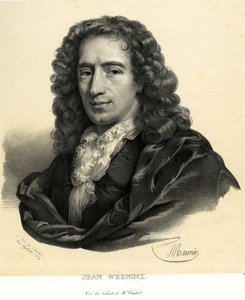
Jan Weenix
1641 - 1719 , Países Baixos
Informações Rápidas
- Artistic Movement Or Style: Barroco Holandês
- Artists Or Movements Influenced By This Artist: ['Maria Weenix']
- Artists Who Influenced This Artist:
- Jan Baptist Weenix
- Hendrick Vroom
- Date Of Birth: 1641
- Date Of Death: 1719
- Full Name: Jan Weenix
- Nationality: Holandesa
- Notable Artworks:
- Natureza-morta de Caça e Frutas
- Natureza-morta com uma Lebre
- Um Macaco Sentado
- O Pavão Branco
- Place Of Birth: Amsterdã, Países Baixos
Artigos Relacionados

Jan Jansz Wijnants: A Study in Dutch Golden Age Still Life & Floral Transience
Explore the captivating world of Jan Wijnants and Dutch Golden Age still life painting. Discover symbolism, masterful techniques & lasting influence on floral art history. Learn more!
Jan Steen: A Master of Dutch Genre Painting & the Golden Age
Explore the life & art of Jan Steen, a leading Dutch Golden Age painter renowned for his humorous genre scenes & insightful social commentary. Discover his techniques, legacy, and collecting tips.

Golden Age Reflections: Dutch Baroque Painting & Cultural Innovation
Explore the Dutch Golden Age of painting! Discover key artists like Vermeer & ter Borch, their innovative techniques, and the rich cultural context behind these Baroque masterpieces. Learn about collecting & appreciating this iconic art period.
Abraham Hendricksz van Beyeren: Pioneering Dutch Still Life & the Banquet Tradition
Explore the captivating world of Dutch Golden Age still life with Abraham van Beyeren. Discover his innovative techniques, symbolic banquet scenes & lasting influence on art history. Learn about collecting these masterpieces.

Os 10 Mestres do Barroco Holandês: Obras Essenciais para Decorar com Arte e História
Descubra os 10 mestres do Barroco Holandês! Explore a história e o legado de Rembrandt, Vermeer e outros artistas icônicos. Encontre reproduções de arte de alta qualidade para decorar sua casa com elegância em OriginalUniqueArt.com.

