
 Visualizar na parede
 Compartilhar
 Compartilhar
 Detalhes
 Guia
Guia

 Baixar imagem
 Semelhantes
 Raio X
 Ver diaporama
 Perguntas e Respostas
 Estatísticas
LE MENDIANT


 Ler mais
Giclée / Impressão de Arte
Impressão giclée ou em tela de qualidade de museu, com produção rápida e opções flexíveis de acabamento. ( Comprar pintura feita à mão Alternar para Imagem Digital)




P118B €10

P118H €10

P118W €10

P438Z €10

P508JH €12

P508YH €12

P805H €10

P805Z €10

P919BZ €10

P919G €10

P919XJ €10

P959ZH €10

P968JZ €12

W106C €8

W218G €10

W218JH €8

W218Y €10

W307PJ €10

W316G €10

W316PJ €8

W316Y €10

W398PJ €8

W4111J €10

W500HY €15

W500JH €15

W692G €12

W849H €8

W940BG €15

W953PJ €8




Escolha entre os nossos tamanhos pré-definidos que respeitam as proporções originais da obra de arte.

Insira a largura e a altura desejadas para se ajustarem à sua moldura ou parede. Uma impressão pode ser apenas cortada, nunca ampliada além da imagem original; portanto, um tamanho com proporções diferentes resultará na perda de parte da imagem. Enviamos uma maquete digital para sua aprovação antes de realizarmos a impressão. A imagem exibida nesta página não mostra o corte real — apenas a maquete o faz.
Entrega mundial () em 2 semanas, em vez das 4/5 semanas padrão. (10 Novembro)

Envio expresso gratuito para todo o mundo

Tela de Linho de Alta Qualidade

Seguro de transporte completo

Garantia de Reembolso de Impostos Alfandegários

Garantia de Fidelidade Cromática

Política de Devolução em 100 Dias (Apenas para Defeitos)

Garantia de reembolso de 100%

Oferta de desconto por quantidade
 A opção de vidro está disponível apenas para tamanhos inferiores a 110 cm

LE MENDIANT
Giclée / Impressão de Arte
Tamanho da Reprodução
-


Preço Total
€ 73
Jan Miel’s “Le Mendiant”: A Window Into Baroque Dignity Amidst Poverty
The artwork "Le Mendiant," attributed to Jan Miel (1599 – 1663), stands as a poignant testament to the artistic spirit of the Dutch Golden Age and its engagement with broader humanist concerns. Painted circa 1630, this genre scene—a hallmark of Miel’s oeuvre during his formative years in Rome—captures a moment of quiet contemplation within a bustling tavern interior, offering viewers an arresting glimpse into both social realities and artistic sophistication.Composition and Style: Baroque Restraint Within Classical Framework
Miel's stylistic approach skillfully blends influences from Flemish masters like Anthony van Dyck with the burgeoning grandeur of Italian Baroque aesthetics. The horizontal orientation of the canvas immediately establishes a sense of stability, mirroring the formal balance characteristic of Baroque compositions. However, unlike the opulent theatricality often associated with Rome at the time, Miel employs subtle tonal gradations and muted colors—primarily grayscale—to convey an atmosphere of understated dignity. This deliberate restraint serves to heighten the emotional impact of the depicted scene: a beggar humbly requesting alms amidst a group of patrons engaged in conversation. The artist’s meticulous attention to detail—evident in the rendering of textures, particularly on the tavern table and the livestock visible in the background—underscores Miel's commitment to realism while simultaneously grounding the image within a broader artistic tradition.Detailed Examination: Technique and Materials
The painting utilizes oil paint on canvas with considerable skill. Brushstrokes are perceptible but carefully blended, creating a smooth surface that enhances the illusion of depth and luminosity despite the absence of vibrant hues. Layers of tonal variation—a technique favored by Miel—are skillfully applied to sculpt form and delineate contours, capturing the nuances of light and shadow within the tavern setting. The artist’s meticulous observation of natural forms—reflected in the depiction of the cows and sheep—demonstrates a profound understanding of classical principles of perspective and anatomical accuracy.Historical Context: Rome and Beyond – Miel's Artistic Journey
Jan Miel’s artistic development unfolded primarily in Rome during the 1630s, where he honed his craft under the patronage of Charles Emanuel II, Duke of Savoy—a connection that cemented his reputation as a court artist. This period witnessed a significant shift towards classicizing tendencies within Miel's oeuvre, mirroring the broader cultural revival occurring across Europe. The artwork’s subject matter – depicting poverty alongside social interaction – speaks to the humanist ideals prevalent during the Baroque era, reflecting an interest in portraying human experience with compassion and intellectual rigor.Symbolism: Dignity Amidst Adversity
“Le Mendiant” transcends mere visual representation; it embodies a deeper symbolic resonance. The beggar’s posture—characterized by humility and supplication—serves as a poignant reminder of the vulnerability inherent within the human condition. Simultaneously, the gathering of people around the table symbolizes communal life and social responsibility. The inclusion of livestock reinforces the artwork's connection to rural existence and underscores its engagement with themes of moral contemplation. Ultimately, Miel’s masterpiece invites viewers to consider not only the aesthetic beauty of the scene but also its profound ethical implications—a testament to the enduring power of art to illuminate both the grandeur and fragility of human experience.- Artist: Jan Miel
- Birth Year: 1599
- Death Year: 1663
- Birth City: Beveren
- Birth Country: Belgium
Additional Resources:
LE MENDIANT – Louvre site des collections 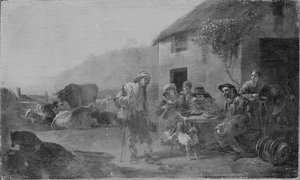
jan josef horemans the elder – Belgian painter (1682-1759) known for detailed interiors & anatomical precision.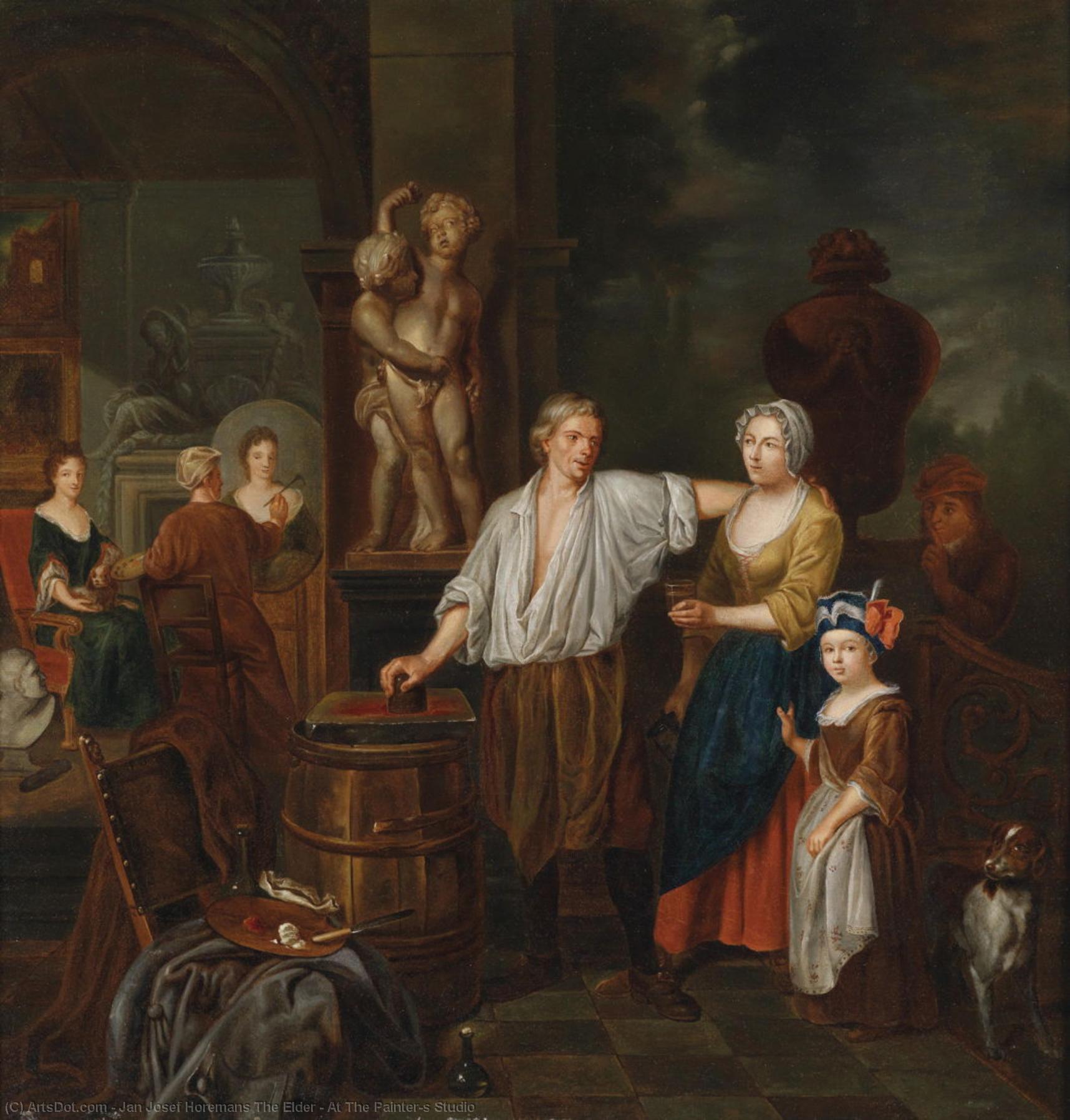
jan le ducq – Explore the captivating landscapes & animal paintings of Jan Le Ducq, a Dutch master known for his dog portraits.
Jan Miel – Cavaliere della Vita, (Anvers, 1599 - Turin, 1663) Court artist to Charles Emanuel II, Duke of Savoy.
Louvre, Paris, France – INV 1447 and MR 816 ( )
)

File:Jan Miel - The beggar.JPG – Wikimedia Commons 
Louvre Cartel – Foucart, Jacques, Catalogue des peintures flamandes et hollandaises du musée du Louvre, Gallimard / Louvre éditions, 2009, p. 182, ill. n&bCatalogue des peintures flamandes et hollandaises
Perguntas e Respostas
De que forma o estilo de "LE MENDIANT" se relaciona com a época de seu criador?
"LE MENDIANT", de Jan Miel insere-se no movimento Dutch Golden Age Painting, dentro da era Idade Moderna de seu criador.
Por que o status de direitos autorais de "LE MENDIANT" é como é?
O status de direitos autorais de "LE MENDIANT" - em domínio público — seus direitos autorais expiraram - decorre do falecimento do artista em 1663.
Qual é a saturação e a intensidade de "LE MENDIANT", de Jan Miel?
"LE MENDIANT", de Jan Miel apresenta uma saturação Muted e uma intensidade Monochromatic.
Biografia do Artista
Jan Miel: A Ponte entre o Realismo Holandês e a Grandiosidade Barroca
Jan Miel (1599–1663) ergue-se como uma figura fundamental no cenário artístico do século XVII, personificando a fascinante confluência entre a tradição flamenga e a inovação italiana. Nascido em Beveren, na Bélgica — embora Antuérpia e 's-Hertogenbosch permaneçam como possíveis locais de seu nascimento — os primeiros anos de vida de Miel permanecem envoltos em uma relativa obscuridade, deixando detalhes biográficos escassos. No entanto, o que emerge das pesquisas acadêmicas é uma jornada artística notável, marcada por uma evolução estilística e esforços colaborativos que consolidaram seu lugar no vibrante meio cultural de Roma e Turim.
Seus anos formativos foram dedicados ao aperfeiçoamento de seu ofício, principalmente em Antuérpia, onde absorveu as influências de proeminentes mestres flamengos como Anthony van Dyck. Embora o alcance preciso de seu treinamento permaneça incerto, ele sem dúvida instilou nele um apreço pela observação meticulosa e por uma técnica refinada — qualidades que caracterizariam grande parte de sua obra subsequente. Essa base fundamental no desenho clássico e na retratística forneceu o conjunto de ferramentas essencial para uma carreira que, eventualmente, transcenderia as fronteiras regionais.
A Transformação Romana e o Espírito Bamboccianti
A chegada de Miel a Roma, por volta de 1636, sinalizou um momento transformador em sua trajetória artística. Ele rapidamente se juntou aos Bentvueghels, uma influente associação de artistas holandeses e flamengos residentes na Cidade Eterna. Dentro desta irmandade, ele adotou o memorável apelido de ‘bieco’, um monônimo que refletia seu olhar distintivo e semicerrado — uma característica que se tornaria sinônima de sua persona artística. Esta afiliação promoveu conexões profundas dentro de uma comunidade artística mais ampla, profundamente impactada pelo estilo Bamboccianti de Pieter van Laer.
Este movimento dedicava-se a retratar cenas da vida cotidiana entre as classes baixas em Roma e seus arredores, evitando a grandeza idealizada da arte do Alto Renascimento em favor de algo muito mais visceral e imediato. Miel abraçou essa tendência de todo o coração, produzindo pinturas de gênero cativantes que capturavam o espírito da existência urbana com um realismo e uma sensibilidade notáveis. Suas obras frequentemente apresentavam:
- Cenas de rua vivas, povoadas por viajantes, mercadores e trabalhadores.
- Um uso magistral da luz para evocar a atmosfera empoeirada e ensolarada dos becos romanos.
- O jogo sutil da emoção humana dentro de cenários lotados e caóticos.
- Uma atenção meticulosa às texturas de tecidos, pedras e terra.
Evolução rumo ao Classicismo e à Grandiosidade Palaciana
À medida que sua carreira progredia, a visão artística de Miel passou por uma metamorfose significativa. Embora tenha permanecido um mestre das cenas de gênero, ele começou a se afastar do realismo cru dos Bamboccianti em direção a pinturas históricas mais classicistas. Essa mudança refletia uma tendência mais ampla na arte europeia, onde a energia bruta do Barroco era cada vez mais temperada por um desejo de ordem, nobreza e alegoria clássica.
Esta evolução eventualmente o conduziu a nomeações prestigiosas, sendo a mais notável o serviço como artista da corte de Carlos Emanuel II, Duque de Saboia. A serviço da corte de Turim, o trabalho de Miel assumiu um caráter mais formal e magnífico. A intimidade de suas cenas romanas anteriores deu lugar a composições de maior escala e complexidade, projetadas para refletir o poder e o prestígio de seu patrono real. Este período representa o ápice de sua realização profissional, onde suas raízes flamengas no detalhe encontraram as narrativas grandiosas e abrangentes exigidas pela aristocracia europeia.
A importância histórica de Jan Miel reside em sua habilidade de navegar por esses mundos díspares. Ele foi um artista capaz de encontrar beleza nas lutas humildes de um menino de rua romano e dignidade nos contos épicos da antiguidade. Ao construir uma ponte entre o realismo meticuloso do Norte e o classicismo dramático do Sul, Miel deixou uma marca indelével no cânone do século XVII, garantindo seu legado como um verdadeiro cosmopolita da era Barroca.
Jan Miel
1599 - 1663 , Bélgica
Dados Rápidos
- Artistic Movement Or Style: Bamboccianti, Classicismo
- Artists Or Movements Influenced By This Artist: ['Pieter van Laer']
- Artists Who Influenced This Artist: ['Anthony van Dyck']
- Date Of Birth: 1599 Beveren Bélgica
- Date Of Death: 1663
- Full Name: Jan Miel
- Nationality: Flamengo
- Notable Artworks:
- Paisagem com uma Batalha entre Dois Carneiros
- Caldeira de Cal Romana com Camponeses Jogando
- Place Of Birth: Beveren Bélgica
Artigos Relacionados

Chiaroscuro and Character: A Definitive Guide to Light and Shadow in the Dutch Baroque Era
Explore the dramatic mastery of the Dutch Baroque era. Discover how masters like Rembrandt used chiaroscuro to transform everyday life into timeless art. An expert guide for collectors and enthusiasts seeking to understand the profound interplay of light and shadow.

Os 10 Mestres do Barroco Holandês: Obras Essenciais para Decorar com Arte e História
Descubra os 10 mestres do Barroco Holandês! Explore a história e o legado de Rembrandt, Vermeer e outros artistas icônicos. Encontre reproduções de arte de alta qualidade para decorar sua casa com elegância em OriginalUniqueArt.com.

Giclée Prints: Archival Quality & Aesthetic Nuances for the Discerning Collector
Explore the world of giclée prints with OriginalUniqueArt. Learn about archival quality, aesthetic nuances & investment potential. Expert guidance for discerning art collectors seeking museum-quality reproductions and lasting value.

Golden Age Reflections: Dutch Baroque Painting & Cultural Innovation
Explore the Dutch Golden Age of painting! Discover key artists like Vermeer & ter Borch, their innovative techniques, and the rich cultural context behind these Baroque masterpieces. Learn about collecting & appreciating this iconic art period.
Genre Painting: A Window into Daily Life & Societal Values of the Dutch Golden Age
Explore the captivating world of Dutch Golden Age genre painting! Discover realistic depictions of daily life, masterful artists like Ostade & Metsu, and hidden symbolism. Learn about this influential art movement with OriginalUniqueArt.
