

 Visualizar na parede
 Compartilhar
 Compartilhar
 Detalhes
 Guia
Guia

 Baixar imagem
 Semelhantes
 Raio X
 Ver diaporama
 Estatísticas
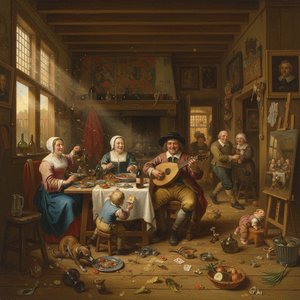
Dance in the Trattoria
 Oil On Canvas
- WallArt
- Baroque
 1647
1647- Early Modern
 51.0 x 67.0 cm
 Academia de Belas Artes de Viena
 Ler mais
Reprodução em Óleo Feita à Mão
Óleo sobre tela pintado à mão no tamanho e moldura de sua escolha, feito sob encomenda pelos nossos artistas. ( Alternar para Impressão Alternar para Imagem Digital)




P118B €10

P118H €10

P118W €10

P438Z €10

P508JH €12

P508YH €12

P805H €10

P805Z €10

P919BZ €10

P919G €10

P919XJ €10

P959ZH €10

P968JZ €12

W106C €8

W218G €10

W218JH €8

W218Y €10

W307PJ €10

W316G €10

W316PJ €8

W316Y €10

W398PJ €8

W4111J €10

W500HY €15

W500JH €15

W692G €12

W849H €8

W940BG €15

W953PJ €8




Escolha entre os nossos tamanhos pré-definidos que respeitam as proporções originais da obra de arte.

Insira a largura e a altura desejadas para se ajustarem à sua moldura ou parede. Como esta obra é pintada à mão, para um tamanho com proporções diferentes, o artista poderá pintar um pouco mais ao redor da imagem ou reduzir ligeiramente a composição — você escolhe. Enviamos uma maquete digital para sua aprovação antes de iniciar a pintura. A imagem exibida nesta página não representa o resultado real — apenas a maquete mostra o resultado final.
Após o pedido, a equipa OriginalUniqueArt.com enviará um e-mail ao cliente para solicitar instruções e fornecer uma prévia do esboço.
Entrega mundial () em 3 a 4 semanas, em vez das 5 semanas padrão. (28 Outubro). Sem comprometer a qualidade.

Envio expresso gratuito para todo o mundo

Tela de Linho de Alta Qualidade

Seguro de transporte completo

Garantia de Reembolso de Impostos Alfandegários

Garantia de Fidelidade Cromática

Política de Devolução em 100 Dias (Apenas para Defeitos)

Garantia de reembolso de 100%

Oferta de desconto por quantidade
 A opção de vidro está disponível apenas para tamanhos inferiores a 110 cm

Dance in the Trattoria
Técnica de Reprodução
Tamanho da Reprodução
-


Preço Total
€ 264
A Tapestry of Life in the Italian Courtyard
To gaze upon Jan Miel's "Dance in the Trattoria" is to be instantly transported across the centuries and into the warm, vibrant heart of an Italian gathering. This scene, rendered with masterful detail, captures more than just a moment; it encapsulates the very essence of communal joy and human connection. The composition buzzes with life—a lively tableau featuring at least thirteen figures gathered in what appears to be a sun-dappled courtyard or trattoria setting. One can almost hear the murmur of conversation, the clinking of unseen glasses, and the rhythm of an impromptu dance echoing through the space. Miel has gifted us a glimpse into a social ecosystem where every individual plays a part, contributing to the rich, palpable atmosphere.
Mastery in Monochrome: Technique and Atmosphere
Though this particular depiction is presented in striking black and white tones, one must appreciate the technical brilliance that underpins the drama. Miel’s handling of light and shadow—the interplay between illumination and deep shade across the figures and architectural elements—is breathtaking. The artist employs a technique that suggests both the robust realism of Flemish tradition and the dramatic flair characteristic of Baroque grandeur. Notice how the seating arrangements, the two benches flanking the scene, the central chair, and the dining table on the right anchor the composition while simultaneously allowing the human element to float above the mundane structure. This careful balance between static setting and dynamic action is a hallmark of Miel's genius.
The Social Fabric: Context and Symbolism
Dating from 1647, this painting serves as a rich document of genre life during the mid-seventeenth century. The varied attire of the assembled group hints at a fascinating cross-section of society—a mingling of different classes enjoying leisure time together. Symbolically, the gathering itself speaks to themes of community, pleasure, and the enduring human need for fellowship. It is an ode to shared experience. For the modern collector or designer, this piece offers more than mere decoration; it suggests a curated atmosphere of conviviality, perfect for evoking the spirit of grand entertaining within a home.
Bringing Baroque Warmth Home
Owning a reproduction of "Dance in the Trattoria" is to invite a piece of historical narrative into your own space. The emotional impact of this work is one of immediate warmth and nostalgic delight. It doesn't demand quiet contemplation; rather, it invites participation. Whether placed above a mantelpiece or used as an accent piece in a dining area, its lively energy acts as a visual catalyst, transforming a room into a place where stories are shared and laughter rings out. It is art that breathes life back into the stillness.
Perguntas e Respostas
Existem obras semelhantes a "Dance in the Trattoria"?
A página Obras semelhantes de "Dance in the Trattoria", de Jan Miel apresenta obras relacionadas.
Qual técnica foi utilizada para "Dance in the Trattoria" e quando a obra foi criada?
A técnica de "Dance in the Trattoria", de Jan Miel é Oil On Canvas, e a obra data de 1647.
Que sensação as cores de "Dance in the Trattoria", de Jan Miel transmitem?
A paleta Earthy de "Dance in the Trattoria", de Jan Miel harmoniza-se com seu tom emocional Joyful. A cor é uma das formas pelas quais uma obra transmite sentimento.
Biografia do Artista
Jan Miel: A Ponte entre o Realismo Holandês e a Grandiosidade Barroca
Jan Miel (1599–1663) ergue-se como uma figura fundamental no cenário artístico do século XVII, personificando a fascinante confluência entre a tradição flamenga e a inovação italiana. Nascido em Beveren, na Bélgica — embora Antuérpia e 's-Hertogenbosch permaneçam como possíveis locais de seu nascimento — os primeiros anos de vida de Miel permanecem envoltos em uma relativa obscuridade, deixando detalhes biográficos escassos. No entanto, o que emerge das pesquisas acadêmicas é uma jornada artística notável, marcada por uma evolução estilística e esforços colaborativos que consolidaram seu lugar no vibrante meio cultural de Roma e Turim.
Seus anos formativos foram dedicados ao aperfeiçoamento de seu ofício, principalmente em Antuérpia, onde absorveu as influências de proeminentes mestres flamengos como Anthony van Dyck. Embora o alcance preciso de seu treinamento permaneça incerto, ele sem dúvida instilou nele um apreço pela observação meticulosa e por uma técnica refinada — qualidades que caracterizariam grande parte de sua obra subsequente. Essa base fundamental no desenho clássico e na retratística forneceu o conjunto de ferramentas essencial para uma carreira que, eventualmente, transcenderia as fronteiras regionais.
A Transformação Romana e o Espírito Bamboccianti
A chegada de Miel a Roma, por volta de 1636, sinalizou um momento transformador em sua trajetória artística. Ele rapidamente se juntou aos Bentvueghels, uma influente associação de artistas holandeses e flamengos residentes na Cidade Eterna. Dentro desta irmandade, ele adotou o memorável apelido de ‘bieco’, um monônimo que refletia seu olhar distintivo e semicerrado — uma característica que se tornaria sinônima de sua persona artística. Esta afiliação promoveu conexões profundas dentro de uma comunidade artística mais ampla, profundamente impactada pelo estilo Bamboccianti de Pieter van Laer.
Este movimento dedicava-se a retratar cenas da vida cotidiana entre as classes baixas em Roma e seus arredores, evitando a grandeza idealizada da arte do Alto Renascimento em favor de algo muito mais visceral e imediato. Miel abraçou essa tendência de todo o coração, produzindo pinturas de gênero cativantes que capturavam o espírito da existência urbana com um realismo e uma sensibilidade notáveis. Suas obras frequentemente apresentavam:
- Cenas de rua vivas, povoadas por viajantes, mercadores e trabalhadores.
- Um uso magistral da luz para evocar a atmosfera empoeirada e ensolarada dos becos romanos.
- O jogo sutil da emoção humana dentro de cenários lotados e caóticos.
- Uma atenção meticulosa às texturas de tecidos, pedras e terra.
Evolução rumo ao Classicismo e à Grandiosidade Palaciana
À medida que sua carreira progredia, a visão artística de Miel passou por uma metamorfose significativa. Embora tenha permanecido um mestre das cenas de gênero, ele começou a se afastar do realismo cru dos Bamboccianti em direção a pinturas históricas mais classicistas. Essa mudança refletia uma tendência mais ampla na arte europeia, onde a energia bruta do Barroco era cada vez mais temperada por um desejo de ordem, nobreza e alegoria clássica.
Esta evolução eventualmente o conduziu a nomeações prestigiosas, sendo a mais notável o serviço como artista da corte de Carlos Emanuel II, Duque de Saboia. A serviço da corte de Turim, o trabalho de Miel assumiu um caráter mais formal e magnífico. A intimidade de suas cenas romanas anteriores deu lugar a composições de maior escala e complexidade, projetadas para refletir o poder e o prestígio de seu patrono real. Este período representa o ápice de sua realização profissional, onde suas raízes flamengas no detalhe encontraram as narrativas grandiosas e abrangentes exigidas pela aristocracia europeia.
A importância histórica de Jan Miel reside em sua habilidade de navegar por esses mundos díspares. Ele foi um artista capaz de encontrar beleza nas lutas humildes de um menino de rua romano e dignidade nos contos épicos da antiguidade. Ao construir uma ponte entre o realismo meticuloso do Norte e o classicismo dramático do Sul, Miel deixou uma marca indelével no cânone do século XVII, garantindo seu legado como um verdadeiro cosmopolita da era Barroca.

Jan Miel
1599 - 1663 , Bélgica
Dados Rápidos
- Artistic Movement Or Style: Bamboccianti, Classicismo
- Artists Or Movements Influenced By This Artist: ['Pieter van Laer']
- Artists Who Influenced This Artist: ['Anthony van Dyck']
- Date Of Birth: 1599 Beveren Bélgica
- Date Of Death: 1663
- Full Name: Jan Miel
- Nationality: Flamengo
- Notable Artworks:
- Paisagem com uma Batalha entre Dois Carneiros
- Caldeira de Cal Romana com Camponeses Jogando
- Place Of Birth: Beveren Bélgica
Artigos Relacionados
Jan Steen: A Master of Dutch Genre Painting & the Golden Age
Explore the life & art of Jan Steen, a leading Dutch Golden Age painter renowned for his humorous genre scenes & insightful social commentary. Discover his techniques, legacy, and collecting tips.

The Visceral Stage: Exploring Dramatic Narratives & Emotional Intensity in Baroque Art
Explore the dramatic world of Baroque art! Discover iconic masters like Caravaggio & Rembrandt, their techniques, and the movement's lasting impact. Expert insights for collectors & enthusiasts at OriginalUniqueArt.

A Estética do Drama: A Grandiosidade e a Técnica da Arte Barroca no Século XVII
Descubra o drama e a técnica dos mestres do Barroco, de Caravaggio a Rubens. Explore a grandiosidade desta era agora.

Baroque Classicism: Reconciling Drama & Order in 17th-Century Art
Explore the captivating world of Baroque Classicism! Discover its history, key artists like Caravaggio & Rubens, and defining characteristics. Expert insights & high-quality reproductions at OriginalUniqueArt.

Baroque Classicism: The Grandeur of Order and Drama in 17th-Century Art History
Explore the profound elegance of Baroque Classicism. Discover how 17th-century masters synthesized dramatic emotion with classical order through the lens of the Counter-Reformation and the works of legends like Carlo Maratta and Andrea Sacchi.
