

 Visualizar na parede
 Compartilhar
 Compartilhar
 Detalhes
 Guia
Guia

 Baixar imagem
 Semelhantes
 Raio X
 Ver diaporama
 Estatísticas
Lieu dit II (rot)
 Oil
Oil- WallArt
- Contemporary Art
 1989
1989- Contemporary
 218.0 x 314.0 cm
 Lentos Kunstmuseum Linz
 Ler mais
A obra de arte exibida nesta página é protegida por leis de direitos autorais, o que significa que não podemos criar ou vender legalmente uma reprodução idêntica. Esta proteção é aplicada por meio de acordos internacionais, tais como a Convenção de Berna e pelas leis nacionais, incluindo as estabelecidas por Lei de Direitos Autorais dos EUA - Título 17.
Este método cumpre plenamente as regulamentações de direitos autorais, pois não envolve a cópia ou duplicação da obra protegida. Em vez disso, trata-se de uma reinterpretação criativa — uma nova pintura que é influenciada pela original, mas não idêntica a ela.
Giclée / Impressão de Arte
Impressão giclée ou em tela de qualidade de museu, com produção rápida e opções flexíveis de acabamento. ( Comprar pintura feita à mão Alternar para Imagem Digital)




































Escolha entre os nossos tamanhos pré-definidos que respeitam as proporções originais da obra de arte.

Insira a largura e a altura desejadas para se ajustarem à sua moldura ou parede. Uma impressão pode ser apenas cortada, nunca ampliada além da imagem original; portanto, um tamanho com proporções diferentes resultará na perda de parte da imagem. Enviamos uma maquete digital para sua aprovação antes de realizarmos a impressão. A imagem exibida nesta página não mostra o corte real — apenas a maquete o faz.
Entrega mundial () em 2 semanas, em vez das 4/5 semanas padrão. (26 Outubro)

Envio expresso gratuito para todo o mundo

Tela de Linho de Alta Qualidade

Seguro de transporte completo

Garantia de Reembolso de Impostos Alfandegários

Garantia de Fidelidade Cromática

Política de Devolução em 100 Dias (Apenas para Defeitos)

Garantia de reembolso de 100%

Oferta de desconto por quantidade
 A opção de vidro está disponível apenas para tamanhos inferiores a 110 cm

Lieu dit II (rot)
Giclée / Impressão de Arte
Tamanho da Reprodução
-


Preço Total
€ 70
A Symphony of Crimson Chaos
In the vast, immersive expanse of Lieu dit II (rot), the viewer is immediately plunged into a visceral, monochromatic world where color ceases to be merely a pigment and becomes an environment. Created in 1989 by the enigmatic German artist Jan Appel, this monumental oil painting—measuring a staggering 218 x 314 cm—commands the space it inhabits with an unapologetic intensity. The work is a masterclass in the use of red, utilizing a spectrum of scarlet, crimson, and deep vermilion to create a textured landscape that feels both tactile and atmospheric. At first glance, the composition presents a sense of profound disarray, as if a moment of creative destruction has been frozen in time. Scattered across the canvas are fragments of red fabric, scraps of paper, and even the sharp, metallic presence of scissors, all layered within a sea of crimson that blurs the line between painting and assemblage.
The technique employed by Appel in this late-career masterpiece suggests a deep engagement with the physical properties of his medium. Rather than seeking a smooth, illusionistic finish, the artist embraces the raw, sculptural quality of oil paint combined with mixed media elements. The way the fabric pieces interact with the painted surface creates a rhythmic, almost percussive visual texture, drawing the eye through a labyrinth of folds and edges. This approach evokes the spirit of late 20th-century abstraction, where the act of creation is as much about the physical struggle with materials as it is about the final image. For the collector or interior designer, this piece offers a profound sense of depth; its sheer scale and complex layering allow it to serve as a powerful focal point that changes character depending on the light and the angle of observation.
Historical Echoes and Emotional Resonance
To understand the turbulent energy of Lieu dit II (rot), one must consider the historical weight carried by Jan Appel. Though often remembered for his revolutionary political activism in early 20th-century Germany, Appel’s later artistic output reflects a lifetime of navigating social and structural upheaval. The "chaos" within this painting—the scattered remnants and the sense of fragmentation—can be read as a metaphor for the fractured nature of modern existence and the beautiful, messy process of reconstruction. There is a profound tension between the destruction suggested by the discarded scraps and the vibrant, life-affirming power of the red hue itself. It is an artwork that does not merely sit on a wall; it breathes with a restless, revolutionary spirit.
For those looking to integrate such a commanding work into a curated space, Lieu dit II (rot) offers unparalleled emotional impact. In a contemporary interior, this reproduction serves as a bold statement of sophistication and intellectual depth. It provides a warm yet provocative energy that can anchor a minimalist room or add a layer of complex history to a more traditional setting. The painting invites contemplation, prompting the viewer to find order within the disorder and beauty within the fragments. Owning a piece of this magnitude is an opportunity to possess a fragment of German art history—a work that captures the raw, unyielding pulse of human expression.
Perguntas e Respostas
O que "Lieu dit II (rot)", de Jan Appel retrata e qual é a sua atmosfera?
"Lieu dit II (rot)", de Jan Appel retrata abstract, red color, fabric texture, chaos, mixed media, collage style, em uma atmosfera Bold. O tema e a ambientação descrevem, juntos, a obra.
Quão harmoniosas são as cores de "Lieu dit II (rot)", de Jan Appel?
As cores de "Lieu dit II (rot)", de Jan Appel apresentam uma harmonia Unified Palette. A harmonia descreve como as cores se relacionam entre si.
Quem criou "Lieu dit II (rot)"?
O artista por trás de "Lieu dit II (rot)" é Jan Appel. A obra está catalogada sob o nome de Jan Appel.
Artigos Relacionados

Top 10 Obras-Primas do Expressionismo Abstrato: Arte para Decorar e Inspirar | OriginalUniqueArt.com
Descubra as 10 obras-primas do Expressionismo Abstrato com Jackson Pollock, Mark Rothko e mais! Explore a história, técnica e emoção por trás de cada pintura. Encontre reproduções de arte exclusivas para decorar sua casa em OriginalUniqueArt.com.

Abstração Geométrica: 10 Obras-Primas que Moldaram a Arte Moderna | OriginalUniqueArt.com
Descubra as 10 obras-primas da Abstração Geométrica que revolucionaram a arte moderna! Explore Kandinsky, Mondrian e outros artistas icônicos. Encontre reproduções de alta qualidade para decorar sua casa com OriginalUniqueArt.com.
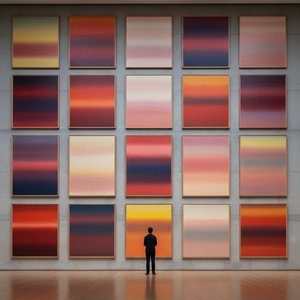
Mark Rothko: As 25 Obras-Primas que Definem um Ícone da Arte Abstrata | OriginalUniqueArt
Descubra as 25 obras-primas de Mark Rothko, ícone do expressionismo abstrato. Explore a história, cores e emoção por trás de cada tela. Reproduções de arte exclusivas para sua casa em OriginalUniqueArt.com.

Crimson Threads of Narrative: Exploring Symbolism & Representation in Artworks Featuring the Red Dress
Explore the rich symbolism of the red dress in art history! From ancient power displays to iconic portraits like Cézanne’s 'Madame Cezanne', discover the cultural and artistic significance behind this captivating color. Expert analysis & insights.

Kandinsky: As 25 Obras-Primas que Definem o Abstracionismo | OriginalUniqueArt
Descubra as 25 obras-primas de Wassily Kandinsky, pioneiro da arte abstrata! Explore a história, cores e significado por trás de cada pintura. Encontre reproduções de alta qualidade e inspire sua decoração em OriginalUniqueArt.com.