

 Visualizar na parede
 Compartilhar
 Compartilhar
 Detalhes
 Guia
Guia

 Baixar imagem
 Semelhantes
 Raio X
 Ver diaporama
 Q&A
Q&A Estatísticas
Heath Ewe and Lambs
 Oil
Oil- WallArt
- Romantic Landscape
 1810
1810- 19th Century
 71.0 x 92.0 cm
 Museu de Arte Britânica da Universidade Yale
 Ler mais
Giclée / Impressão de Arte
Impressão giclée ou em tela de qualidade de museu, com produção rápida e opções flexíveis de acabamento. ( Comprar pintura feita à mão Alternar para Imagem Digital)




P118B €10

P118H €10

P118W €10

P438Z €10

P508JH €12

P508YH €12

P805H €10

P805Z €10

P919BZ €10

P919G €10

P919XJ €10

P959ZH €10

P968JZ €12

W106C €8

W218G €10

W218JH €8

W218Y €10

W307PJ €10

W316G €10

W316PJ €8

W316Y €10

W398PJ €8

W4111J €10

W500HY €15

W500JH €15

W692G €12

W849H €8

W940BG €15

W953PJ €8




Escolha entre os nossos tamanhos pré-definidos que respeitam as proporções originais da obra de arte.

Insira a largura e a altura desejadas para se ajustarem à sua moldura ou parede. Uma impressão pode ser apenas cortada, nunca ampliada além da imagem original; portanto, um tamanho com proporções diferentes resultará na perda de parte da imagem. Enviamos uma maquete digital para sua aprovação antes de realizarmos a impressão. A imagem exibida nesta página não mostra o corte real — apenas a maquete o faz.
Entrega mundial () em 2 semanas, em vez das 4/5 semanas padrão. (30 Outubro)

Envio expresso gratuito para todo o mundo

Tela de Linho de Alta Qualidade

Seguro de transporte completo

Garantia de Reembolso de Impostos Alfandegários

Garantia de Fidelidade Cromática

Política de Devolução em 100 Dias (Apenas para Defeitos)

Garantia de reembolso de 100%

Oferta de desconto por quantidade
 A opção de vidro está disponível apenas para tamanhos inferiores a 110 cm

Heath Ewe and Lambs
Giclée / Impressão de Arte
Tamanho da Reprodução
-


Preço Total
€ 71
A Pastoral Symphony in Wool and Earth
In the quietude of the English countryside, captured through the masterful lens of James Ward, Heath Ewe and Lambs emerges as a profound meditation on the rhythms of pastoral life. Painted in 1810, this evocative work transcends a mere depiction of livestock, offering instead a window into a vanished era of rustic tranquility. The composition draws the viewer immediately into a tender encounter between ewe and lamb, where the soft textures of fleece meet the rugged, weathered elements of the landscape. Through his delicate handling of light and form, Ward invites us to witness a moment of profound biological and emotional connection, set against the backdrop of an enduring, timeless countryside.
The scene is anchored by the presence of three sheep, their forms rendered with a tactile realism that makes one almost feel the warmth of their wool. A lamb, nestled closely beside its mother, serves as the emotional heartbeat of the piece, embodying innocence and the cycle of life. This intimacy is balanced by the broader landscape, where an old wooden fence and a striking splash of red cloth provide structural rhythm and a touch of human presence. The inclusion of figures in the periphery—one near the upper corner and another toward the bottom—suggests the watchful, symbiotic relationship between man and beast, hinting at a life defined by stewardship and the seasonal movements of the flock.
Mastery of the Romantic Animalier Style
James Ward was a titan of the British school, particularly renowned for his ability to imbue animal subjects with a sense of dignity and individual character. In Heath Ewe and Lambs, we see the hallmarks of his evolving technique during the early 19th century. Moving away from the simpler genre scenes of his early career, Ward began to embrace a more Romantic sensibility, where the landscape is not merely a setting but an active participant in the emotional narrative. His brushwork, though precise enough to capture the coarse grain of the wooden fence and the softness of the lamb's coat, possesses a fluid grace that allows the atmosphere of the heath to breathe.
For the discerning collector or interior designer, this painting offers a sophisticated interplay of texture and tone. The muted, earthy palette—rich with mossy greens, weathered browns, and subtle ochres—creates a soothing visual harmony that is ideal for creating a focal point in a classic or farmhouse-style interior. The sudden, rhythmic accent of the red cloth serves as a brilliant compositional device, drawing the eye across the canvas and preventing the pastoral scene from becoming overly monochromatic. It is a work that commands attention through its subtlety rather than through overt spectacle.
An Enduring Legacy for the Modern Collector
To possess a reproduction of such a significant work is to bring a piece of British art history into one's personal sanctuary. Heath Ewe and Lambs resonates deeply with the contemporary desire for connection to nature and the restorative power of the pastoral ideal. It evokes a sense of nostalgia for a slower, more deliberate way of existence, making it an inspiring choice for spaces designed for reflection and peace. Whether placed in a sunlit study or a grand dining hall, this painting serves as a testament to Ward's enduring ability to capture the soul of the natural world, offering a timeless elegance that transcends the boundaries of its 1810 origins.
Perguntas e Respostas
As cores de "Heath Ewe and Lambs", de James Ward são vibrantes ou suaves?
As cores de "Heath Ewe and Lambs", de James Ward apresentam uma saturação Subtle Color com uma intensidade Monochromatic.
De que material é feita a obra "Heath Ewe and Lambs" e em qual estilo?
"Heath Ewe and Lambs" é feita em Oil, no estilo Romantic Landscape.
Qual o tamanho e a orientação de impressão sugeridos para "Heath Ewe and Lambs", de James Ward?
Tamanho Large, orientação Landscape: esta é a configuração de impressão sugerida para "Heath Ewe and Lambs", de James Ward.
Biografia do Artista
James Ward: Um Mestre da Pintura Animal e Paisagens Românticas Britânicas
James Ward (1769-1859) foi um pintor inglês de grande destaque, reverenciado por suas pinturas de animais cativantes, paisagens românticas e retratos perspicazes. Embora muitas vezes ofuscado por contemporâneos mais renomados, seu estilo único e habilidade influenciaram significativamente o desenvolvimento da arte britânica no século XIX.
Primeiros Anos e Formação
Nascido em 23 de outubro de 1769, na vibrante cidade de Londres, Inglaterra, James Ward era o irmão mais jovem do gravador William Ward. Desde cedo, suas inclinações artísticas foram nutridas em um ambiente familiar criativo e estimulante. Embora tenha recebido alguma instrução formal, seu desenvolvimento artístico foi impulsionado principalmente pela observação atenta e pela prática constante – uma dedicação que moldaria sua visão singular.
Desenvolvimento Artístico e Influências
A carreira de Ward pode ser dividida em dois períodos distintos, marcados por influências distintas. Inicialmente, até cerca de 1803, suas obras exibiam uma forte semelhança com a de seu cunhado, George Morland, caracterizada por cenas do cotidiano e um foco na vida simples. No entanto, a partir dessa época, ele foi profundamente inspirado pelo mestre barroco Peter Paul Rubens, adotando uma composição mais dinâmica, uma paleta de cores rica e um uso dramático da luz e sombra – elementos que dariam vida às suas pinturas.
Obras Notáveis e Estilo Único
O estilo singular de Ward o distinguiu de muitos contemporâneos. Ele se destacou em diversos gêneros, incluindo pintura histórica, retrato, paisagem e arte animal. Algumas de suas obras mais celebradas incluem:
- Gordale Scar (1814/15): Considerada sua obra-prima, esta representação dramática do desfilvo escocês de Gordale exemplifica as qualidades sublimes da pintura romântica inglesa. A cena, com suas rochas imponentes e a atmosfera melancólica, evoca um senso de admiração e temor diante da natureza selvagem.
- The Deer Stealer (1823): Comissionada pelo Theophilus Levett, esta pintura demonstra a habilidade de Ward em narrar histórias e representar animais com precisão e sensibilidade. A cena captura o momento de perseguição com dinamismo e emoção, revelando a relação complexa entre o homem e a natureza.
- John Levett Hunting at Wychnor, Staffordshire (1817): Um retrato do seu patrono, John Levett, que demonstra a capacidade de Ward em capturar tanto a semelhança física quanto a atmosfera geral de uma cena. A pintura transmite um senso de movimento e aventura, revelando o estilo de vida da aristocracia inglesa no início do século XIX.
Suas pinturas são caracterizadas por um detalhe meticuloso, especialmente na representação dos animais, combinado com uma sensibilidade romântica que enfatiza a beleza e o poder da natureza. Ward demonstra um profundo conhecimento anatômico e comportamental dos animais, capturando sua graça, força e individualidade em cada pincelada.
Comissões e Exposições
Ward recebeu inúmeras comissões de figuras proeminentes da época, como Theophilus Levett, o que lhe permitiu desenvolver uma carreira lucrativa. Ele regularmente expôs suas obras na Royal Academy, ganhando reconhecimento por sua habilidade e originalidade. Sua admissão na Academia em 1811 solidificou sua posição no cenário artístico britânico.
Vida Tardia e Legado
Ward continuou a pintar com vigor até o ataque que sofreu em 1855, que limitou sua capacidade de trabalhar. Ele faleceu em 17 de novembro de 1859, em relativa pobreza apesar do sucesso anterior. No entanto, seu impacto na arte britânica permanece inegável, e suas obras continuam a inspirar e encantar admiradores até hoje.
Significado Histórico
James Ward ocupa uma posição significativa na transição da pintura neoclássica para o romantismo na arte inglesa. Ele conectou os estilos tradicionais de gênero com o crescente interesse em paisagens e naturalismo, deixando um legado de obras cativantes que moldaram a direção da arte britânica no século XIX. Sua habilidade em capturar a beleza e o poder da natureza, combinada com sua sensibilidade emocional, o estabeleceu como um dos pintores mais importantes de sua época.

James Ward
1769 - 1859 , Reino Unido
Dados Rápidos
- Artistic Movement Or Style: Romantismo
- Artists Or Movements Influenced By This Artist:
- Morland
- Rubens
- Artists Who Influenced This Artist:
- George Morland
- Rubens
- Date Of Birth: 23 Out 1769
- Date Of Death: 17 Nov 1859
- Full Name: James Ward
- Nationality: Britânico
- Notable Artworks:
- Gordale Scar
- O Caçador de Veados
- Place Of Birth: Londres, Reino Unido
Artigos Relacionados

James Abbott McNeill Whistler: As 25 Obras-Primas que Definem um Mestre da Arte
Descubra as 25 obras-primas de James Abbott McNeill Whistler, o mestre do Impressionismo e dos 'Nocturnes'. Explore a história por trás de cada pintura, cores e técnicas. Encontre reproduções de arte exclusivas para decorar sua casa com elegância em OriginalUniqueArt.com!
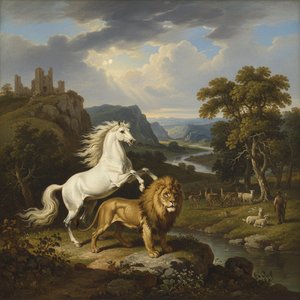
James Ward: A Study in British Romantic Landscape and Animal Painting
Explore the captivating world of James Ward (1769-1859), a master of British Romantic landscape & animal painting. Discover his iconic 'Gordale Scar' and exquisite portraits – a timeless art investment. Learn about his influences, style, and enduring legacy.

As 25 Obras-Primas de Alfred Munnings: Arte Equina e a Alma Inglesa | OriginalUniqueArt
Descubra as 25 obras-primas de Alfred Munnings, o mestre da pintura equina e da alma inglesa. Explore a história, técnica e beleza atemporal de cada quadro. Reproduções de arte exclusivas em OriginalUniqueArt.com! Explore a coleção online.
Animalia: A Presença Duradoura dos Animais na Arte e no Design de Interiores
Explore a rica história da representação animal na arte e como ela inspira o design de interiores. Descubra simbolismos, tendências e artistas que celebram a beleza do reino animal.

Beyond the Screen: Transforming Personal Memories into Timeless AI-Driven Anime Masterpieces
Experience the magic of digital metamorphosis. Transform your cherished photos into stunning, hand-painted anime masterpieces using our proprietary AI technology and professional artists. Elevate your personal story with a timeless, high-quality oil painting on canvas.

