

 Visualizar na parede
 Compartilhar
 Compartilhar
 Detalhes
 Guia
Guia

 Baixar imagem
 Semelhantes
 Raio X
 Ver diaporama
 Estatísticas
Gloucestershire Old Spot


 Ler mais
Reprodução em Óleo Feita à Mão
Óleo sobre tela pintado à mão no tamanho e moldura de sua escolha, feito sob encomenda pelos nossos artistas. ( Alternar para Impressão Alternar para Imagem Digital)




P118B €10

P118H €10

P118W €10

P438Z €10

P508JH €12

P508YH €12

P805H €10

P805Z €10

P919BZ €10

P919G €10

P919XJ €10

P959ZH €10

P968JZ €12

W106C €8

W218G €10

W218JH €8

W218Y €10

W307PJ €10

W316G €10

W316PJ €8

W316Y €10

W398PJ €8

W4111J €10

W500HY €15

W500JH €15

W692G €12

W849H €8

W940BG €15

W953PJ €8




Escolha entre os nossos tamanhos pré-definidos que respeitam as proporções originais da obra de arte.

Insira a largura e a altura desejadas para se ajustarem à sua moldura ou parede. Como esta obra é pintada à mão, para um tamanho com proporções diferentes, o artista poderá pintar um pouco mais ao redor da imagem ou reduzir ligeiramente a composição — você escolhe. Enviamos uma maquete digital para sua aprovação antes de iniciar a pintura. A imagem exibida nesta página não representa o resultado real — apenas a maquete mostra o resultado final.
Após o pedido, a equipa OriginalUniqueArt.com enviará um e-mail ao cliente para solicitar instruções e fornecer uma prévia do esboço.
Entrega mundial () em 3 a 4 semanas, em vez das 5 semanas padrão. (25 Outubro). Sem comprometer a qualidade.

Envio expresso gratuito para todo o mundo

Tela de Linho de Alta Qualidade

Seguro de transporte completo

Garantia de Reembolso de Impostos Alfandegários

Garantia de Fidelidade Cromática

Política de Devolução em 100 Dias (Apenas para Defeitos)

Garantia de reembolso de 100%

Oferta de desconto por quantidade
 A opção de vidro está disponível apenas para tamanhos inferiores a 110 cm

Gloucestershire Old Spot
Técnica de Reprodução
Tamanho da Reprodução
-


Preço Total
€ 263
James Ward’s Gloucestershire Old Spot: A Romantic Vision of Rural England
James Ward (1769-1859) stands as a pivotal figure in British Romantic landscape painting, often overshadowed by his more celebrated contemporaries yet undeniably influential in shaping the aesthetic sensibilities of his era. This monumental oil on panel depiction – “Gloucestershire Old Spot” – exemplifies Ward’s distinctive approach: capturing not merely visual beauty but also an idealized representation of pastoral life and imbued with subtle symbolic resonance. Let's delve into what makes this artwork so remarkable.A Masterstroke of Genre Painting
Initially, Ward’s artistic trajectory mirrored that of his brother-in-law George Morland, focusing on genre scenes depicting everyday rural life – farmers tending their livestock, bustling market squares, and convivial gatherings around hearth fires. However, by the early 1800s, Ward decisively shifted towards a grander scale, embracing monumental landscapes inspired by Rubens’ masterful compositions. This stylistic evolution is powerfully evident in “Gloucestershire Old Spot,” where Ward abandons Morland's intimate perspective for a panoramic vista that commands attention and invites contemplation. The painting skillfully blends observation with imagination, presenting a scene brimming with activity yet underpinned by an overarching sense of serenity.Technique and Composition: Rubensian Influence
Ward’s technique owes considerable debt to Rubens—a conscious decision reflecting his admiration for the Flemish master's ability to convey emotion through dramatic lighting and masterful brushwork. Notice the thick impasto – heavily textured paint application – particularly prominent in the pig’s coat, creating a palpable physicality that transcends mere representation. This textural richness contributes significantly to the painting’s atmospheric depth, simulating the hazy light of a Gloucestershire afternoon. The composition is carefully balanced, guiding the viewer's eye across the canvas from left to right, punctuated by figures and dogs strategically positioned within the landscape. The placement of the central pig amidst the expansive field underscores its importance as both subject matter and symbolic emblem—representing fertility, prosperity, and the harmonious relationship between humanity and nature.Symbolism Within Pastoral Beauty
Beyond its technical prowess, “Gloucestershire Old Spot” resonates with deeper symbolic meanings characteristic of Romantic art. The idyllic setting – a sunlit Gloucestershire meadow populated by livestock and people – embodies the Romantic ideal of unspoiled wilderness untouched by industrial progress. The pig itself is not merely an animal; it symbolizes abundance and fecundity—a visual shorthand for the promise of future generations. Furthermore, the presence of dogs adds to the narrative complexity, representing loyalty, guardianship, and companionship. They serve as silent witnesses to the unfolding drama of rural life, reinforcing Ward’s overarching message about the beauty and sanctity of the natural world.A Legacy Enduring Through Reproduction
Today, “Gloucestershire Old Spot” resides in the Yale Center for British Art's collection, a testament to Ward’s enduring artistic legacy. Reproductions offer an opportunity to experience this masterpiece firsthand—to appreciate its textural brilliance and immerse oneself in the evocative atmosphere of Victorian England. OriginalUniqueArt.com presents exceptional quality reproductions that faithfully capture the essence of Ward’s vision, allowing art lovers everywhere to bring a piece of Romantic landscape painting into their homes.Perguntas e Respostas
Qual tamanho de impressão é sugerido para "Gloucestershire Old Spot" em um(a) Living Room?
Para um(a) Living Room, sugere-se que "Gloucestershire Old Spot" seja impresso no tamanho Large.
"Gloucestershire Old Spot", de James Ward utiliza contrastes fortes ou harmonias suaves?
A composição cromática de "Gloucestershire Old Spot", de James Ward combina um contraste Balanced com uma harmonia Strong Color Unity.
Onde posso comprar uma reprodução pintada à mão de "Gloucestershire Old Spot", de James Ward?
"Gloucestershire Old Spot" está disponível como uma reprodução a óleo pintada à mão sobre tela de linho. O pedido pode ser feito em sua página de Reprodução Pintada à Mão, com escolha de tamanhos.
Biografia do Artista
James Ward: Um Mestre da Pintura Animal e Paisagens Românticas Britânicas
James Ward (1769-1859) foi um pintor inglês de grande destaque, reverenciado por suas pinturas de animais cativantes, paisagens românticas e retratos perspicazes. Embora muitas vezes ofuscado por contemporâneos mais renomados, seu estilo único e habilidade influenciaram significativamente o desenvolvimento da arte britânica no século XIX.
Primeiros Anos e Formação
Nascido em 23 de outubro de 1769, na vibrante cidade de Londres, Inglaterra, James Ward era o irmão mais jovem do gravador William Ward. Desde cedo, suas inclinações artísticas foram nutridas em um ambiente familiar criativo e estimulante. Embora tenha recebido alguma instrução formal, seu desenvolvimento artístico foi impulsionado principalmente pela observação atenta e pela prática constante – uma dedicação que moldaria sua visão singular.
Desenvolvimento Artístico e Influências
A carreira de Ward pode ser dividida em dois períodos distintos, marcados por influências distintas. Inicialmente, até cerca de 1803, suas obras exibiam uma forte semelhança com a de seu cunhado, George Morland, caracterizada por cenas do cotidiano e um foco na vida simples. No entanto, a partir dessa época, ele foi profundamente inspirado pelo mestre barroco Peter Paul Rubens, adotando uma composição mais dinâmica, uma paleta de cores rica e um uso dramático da luz e sombra – elementos que dariam vida às suas pinturas.
Obras Notáveis e Estilo Único
O estilo singular de Ward o distinguiu de muitos contemporâneos. Ele se destacou em diversos gêneros, incluindo pintura histórica, retrato, paisagem e arte animal. Algumas de suas obras mais celebradas incluem:
- Gordale Scar (1814/15): Considerada sua obra-prima, esta representação dramática do desfilvo escocês de Gordale exemplifica as qualidades sublimes da pintura romântica inglesa. A cena, com suas rochas imponentes e a atmosfera melancólica, evoca um senso de admiração e temor diante da natureza selvagem.
- The Deer Stealer (1823): Comissionada pelo Theophilus Levett, esta pintura demonstra a habilidade de Ward em narrar histórias e representar animais com precisão e sensibilidade. A cena captura o momento de perseguição com dinamismo e emoção, revelando a relação complexa entre o homem e a natureza.
- John Levett Hunting at Wychnor, Staffordshire (1817): Um retrato do seu patrono, John Levett, que demonstra a capacidade de Ward em capturar tanto a semelhança física quanto a atmosfera geral de uma cena. A pintura transmite um senso de movimento e aventura, revelando o estilo de vida da aristocracia inglesa no início do século XIX.
Suas pinturas são caracterizadas por um detalhe meticuloso, especialmente na representação dos animais, combinado com uma sensibilidade romântica que enfatiza a beleza e o poder da natureza. Ward demonstra um profundo conhecimento anatômico e comportamental dos animais, capturando sua graça, força e individualidade em cada pincelada.
Comissões e Exposições
Ward recebeu inúmeras comissões de figuras proeminentes da época, como Theophilus Levett, o que lhe permitiu desenvolver uma carreira lucrativa. Ele regularmente expôs suas obras na Royal Academy, ganhando reconhecimento por sua habilidade e originalidade. Sua admissão na Academia em 1811 solidificou sua posição no cenário artístico britânico.
Vida Tardia e Legado
Ward continuou a pintar com vigor até o ataque que sofreu em 1855, que limitou sua capacidade de trabalhar. Ele faleceu em 17 de novembro de 1859, em relativa pobreza apesar do sucesso anterior. No entanto, seu impacto na arte britânica permanece inegável, e suas obras continuam a inspirar e encantar admiradores até hoje.
Significado Histórico
James Ward ocupa uma posição significativa na transição da pintura neoclássica para o romantismo na arte inglesa. Ele conectou os estilos tradicionais de gênero com o crescente interesse em paisagens e naturalismo, deixando um legado de obras cativantes que moldaram a direção da arte britânica no século XIX. Sua habilidade em capturar a beleza e o poder da natureza, combinada com sua sensibilidade emocional, o estabeleceu como um dos pintores mais importantes de sua época.

James Ward
1769 - 1859 , Reino Unido
Dados Rápidos
- Artistic Movement Or Style: Romantismo
- Artists Or Movements Influenced By This Artist:
- Morland
- Rubens
- Artists Who Influenced This Artist:
- George Morland
- Rubens
- Date Of Birth: 23 Out 1769
- Date Of Death: 17 Nov 1859
- Full Name: James Ward
- Nationality: Britânico
- Notable Artworks:
- Gordale Scar
- O Caçador de Veados
- Place Of Birth: Londres, Reino Unido
Artigos Relacionados

James Abbott McNeill Whistler: As 25 Obras-Primas que Definem um Mestre da Arte
Descubra as 25 obras-primas de James Abbott McNeill Whistler, o mestre do Impressionismo e dos 'Nocturnes'. Explore a história por trás de cada pintura, cores e técnicas. Encontre reproduções de arte exclusivas para decorar sua casa com elegância em OriginalUniqueArt.com!

As 25 Obras-Primas de Alfred Munnings: Arte Equina e a Alma Inglesa | OriginalUniqueArt
Descubra as 25 obras-primas de Alfred Munnings, o mestre da pintura equina e da alma inglesa. Explore a história, técnica e beleza atemporal de cada quadro. Reproduções de arte exclusivas em OriginalUniqueArt.com! Explore a coleção online.
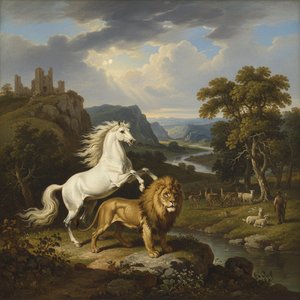
James Ward: A Study in British Romantic Landscape and Animal Painting
Explore the captivating world of James Ward (1769-1859), a master of British Romantic landscape & animal painting. Discover his iconic 'Gordale Scar' and exquisite portraits – a timeless art investment. Learn about his influences, style, and enduring legacy.

Os 10 Mestres da Paisagem Romântica: Arte para Inspirar a Sua Casa
Descubra os 10 quadros mais emblemáticos da Paisagem Romântica! Explore a história de Turner, Friedrich e outros mestres. Encontre reproduções de arte exclusivas para inspirar sua decoração em OriginalUniqueArt.com.
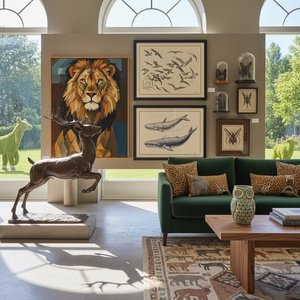
Animalia: A Presença Duradoura dos Animais na Arte e no Design de Interiores
Explore a rica história da representação animal na arte e como ela inspira o design de interiores. Descubra simbolismos, tendências e artistas que celebram a beleza do reino animal.

