Visualizar em escala
 Enviar
 Compartilhar
 Ver detalhes

 Baixar
 Semelhantes
 Raio X
 Apresentação de slides
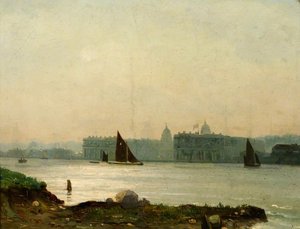
The Mountain Torrent


 Ver mais
Giclée / Impressão de Arte
Impressão giclée ou em tela de qualidade de museu, com produção rápida e opções flexíveis de acabamento. ( Encomendar reprodução pintada à mão Comprar imagem em alta resolução)




P118B $10

P118H $10

P118W $10

P438Z $10

P508JH $12

P508YH $12

P805H $10

P805Z $10

P919BZ $10

P919G $10

P919XJ $10

P959ZH $10

P968JZ $12

W106C $8

W218G $10

W218JH $8

W218Y $10

W307PJ $10

W316G $10

W316PJ $8

W316Y $10

W398PJ $8

W4111J $10

W500HY $15

W500JH $15

W692G $12

W849H $8

W940BG $15

W953PJ $8




Escolha entre os nossos tamanhos pré-definidos que respeitam as proporções originais da obra de arte.

Você pode inserir suas próprias dimensões para se ajustar a uma moldura ou espaço específico. Se o tamanho selecionado não corresponder às proporções da imagem original, iremos recortar a obra de arte ou estender a imagem com uma borda espelhada ou preenchimento sólido. Um mockup digital será enviado para sua aprovação antes do início da produção.
Por favor, observe que a visualização na tela não reflete o recorte ou a extensão real. Apenas o mockup mostrará com precisão a composição final.
Embora tamanhos personalizados estejam disponíveis, recomendamos selecionar uma dimensão da lista predefinida para preservar as proporções originais.
Entrega mundial () em 2 semanas, em vez das 4/5 semanas padrão. (22 Agosto)

Envio Expresso Gratuito para todo o Mundo

Tela de Linho Premium

Seguro de transporte total

Garantia de Reembolso de Impostos Alfandegários

Garantia de Fidelidade de Cor

Política de Devolução de 60 Dias (Apenas para Defeitos)

Garantia de reembolso de 100%

Desconto para múltiplas unidades
 A opção de vidro está disponível apenas para tamanhos inferiores a 110 cm

The Mountain Torrent
Giclée / Impressão de Arte
Dimensões da Reprodução
-


Preço Total
$ 80
Biografia do Artista
A Romantic Visionary: The Life and Art of James Francis Danby
Born in County Wexford, Ireland, in 1793, James Francis Danby emerged as a significant figure within the British Romantic movement, crafting landscapes imbued with dramatic intensity and emotional resonance. His canvases, often vast in scale and steeped in atmospheric effects, stand alongside those of contemporaries like John Martin and J.M.W. Turner, yet possess a unique character rooted in his Irish origins and artistic journey. Danby’s early life was marked by upheaval; the death of his father in 1807 forced a relocation to Dublin, where he began formal art training at the Royal Dublin Society's schools under James Arthur O’Connor and alongside George Petrie. This foundational period instilled in him not only technical skills but also an appreciation for landscape as a vehicle for expressing profound feeling—a hallmark of the burgeoning Romantic sensibility. A pivotal moment arrived in 1813 when Danby, accompanied by O’Connor and Petrie, ventured to London seeking artistic opportunities. Initial struggles led them to Bristol, where Danby discovered success selling watercolor drawings, an experience that proved crucial in shaping his developing style.The Flourishing of the Bristol School
Bristol became a fertile ground for Danby’s artistic growth, as he quickly rose to prominence within the informal collective known as the Bristol School. Initially centered around Edward Bird, this group fostered an environment of shared sketching excursions and mutual influence. Danby soon succeeded Bird as its leading figure, inheriting a naturalistic approach characterized by fresh colors and meticulous observation. Works like “Boys Sailing a Little Boat” (circa 1821) exemplify this early style, showcasing his ability to capture the subtle nuances of light and atmosphere. However, Danby’s ambition extended beyond mere representation; encouraged by figures such as Edward Villiers Rippingille, Francis Gold, and notably George Cumberland—a friend of William Blake—he began to explore more imaginative and poetic subjects. Cumberland's influence was particularly significant, suggesting themes for paintings and potentially introducing Danby to the visionary power of Blake’s art. This exposure ignited a shift towards grander, more emotionally charged compositions that would define his mature style. The Bristol School provided not just technical guidance but also a vital network of support and encouragement as Danby began to forge his own distinct artistic path.Dramatic Visions and Critical Acclaim
Danby’s breakthrough arrived with “The Upas Tree of Java” (1820), a painting that garnered immediate recognition and secured his election as an Associate Member of the Royal Academy. This work, depicting a poisonous tree from Indonesian folklore, showcased his mastery of dramatic composition and atmospheric effects—qualities that resonated deeply with the Byronic taste prevalent in the 1820s. He continued to produce ambitious canvases such as “Disappointed Love” (1821), demonstrating his characteristic poetical approach to landscape, potentially influenced by the writings of Samuel Taylor Coleridge. "An Enchanted Island" (1825) proved particularly influential, inspiring other Bristol School artists and earning praise from Letitia Elizabeth Landon in her celebrated collection, “The Troubadour.” His ambition reached new heights with “Opening of the Sixth Seal” (1828), a monumental work that showcased his continued mastery of dramatic composition. These works established Danby as a leading exponent of Romantic landscape painting, renowned for his ability to evoke powerful emotions and transport viewers to realms of imagination and awe. His style is characterized by vast illusionist canvases depicting grand, gloomy, and fantastic subjects – themes that resonated with the Byronic taste of the 1820s.Later Years and Enduring Legacy
Following a period spent on the shores of Lake Geneva in Switzerland and a brief sojourn in Paris, Danby returned to England in 1840, revitalizing his reputation with “The Deluge” – a monumental work that showcased his continued mastery of dramatic composition. While some later paintings, such as “The Woodnymph’s Hymn to the Rising Sun” (1845), displayed a calmer aesthetic, he ultimately returned to his earlier, more theatrical mode with pieces like “The Shipwreck” (1859). Throughout his career, Danby grappled with financial difficulties and critical fluctuations, yet he remained committed to his artistic vision. He continued exhibiting regularly, showcasing both new works and revisiting themes from his earlier successes. James Francis Danby died in 1861, leaving behind a body of work that continues to captivate audiences today. His legacy rests on his significant contribution to British Romantic art. Along with John Martin and J.M.W. Turner, he is celebrated for his imaginative landscapes and ability to evoke powerful emotions through his paintings, solidifying his place as a visionary artist of the 19th century.Key Characteristics of Danby’s Art
- Dramatic Landscapes: Vast, sweeping vistas often featuring turbulent skies and seas.
- Emotional Intensity: Paintings imbued with a sense of awe, mystery, and emotional depth.
- Romantic Themes: Exploration of themes such as the sublime, the power of nature, and human vulnerability.
- Illusionistic Technique: Masterful use of light, shadow, and perspective to create a sense of realism and grandeur.
- Narrative Elements: Many works incorporate narrative elements drawn from mythology, literature, or biblical stories.

James Francis Danby
1793 - 1861 , Irlanda
Informações Rápidas
- Artistic Movement Or Style: Romantismo
- Artists Or Movements Influenced By This Artist:
- Escola de Bristol
- J.M.W. Turner
- Artists Who Influenced This Artist:
- John Martin
- William Blake
- Date Of Birth: 1793
- Date Of Death: 1861
- Full Name: James Francis Danby
- Nationality: Irlandês
- Notable Artworks:
- Upas Tree
- Disappointed Love
- An Enchanted Island
- Place Of Birth: Wexford, Irlanda
Artigos Relacionados
Francis Bacon: As 25 Obras Essenciais do Mestre da Angústia – OriginalUniqueArt
Descubra as 25 obras mais impactantes de Francis Bacon, o mestre da angústia e do expressionismo. Explore a história por trás dos retratos icônicos, cores vibrantes e emoções intensas. Encontre reproduções de arte exclusivas para transformar sua casa em OriginalUniqueArt.com!

Os 10 Mestres da Paisagem Romântica: Arte para Inspirar a Sua Casa
Descubra os 10 quadros mais emblemáticos da Paisagem Romântica! Explore a história de Turner, Friedrich e outros mestres. Encontre reproduções de arte exclusivas para inspirar sua decoração em OriginalUniqueArt.com.

As 25 Obras-Primas de Alfred Munnings: Arte Equina e a Alma Inglesa | OriginalUniqueArt
Descubra as 25 obras-primas de Alfred Munnings, o mestre da pintura equina e da alma inglesa. Explore a história, técnica e beleza atemporal de cada quadro. Reproduções de arte exclusivas em OriginalUniqueArt.com! Explore a coleção online.

James Abbott McNeill Whistler: As 25 Obras-Primas que Definem um Mestre da Arte
Descubra as 25 obras-primas de James Abbott McNeill Whistler, o mestre do Impressionismo e dos 'Nocturnes'. Explore a história por trás de cada pintura, cores e técnicas. Encontre reproduções de arte exclusivas para decorar sua casa com elegância em OriginalUniqueArt.com!

Evocations of Place: A Historical Journey Through Landscape Art
Explore the rich history of landscape art with OriginalUniqueArt. Discover renowned artists, movements like Impressionism & Romanticism, and expert guidance for collecting timeless pieces. Find your perfect serene escape today!