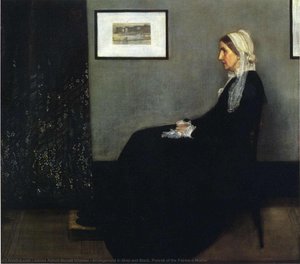
Visualizar na parede
 Compartilhar
 Compartilhar
 Detalhes
 Guia
Guia

 Baixar imagem
 Semelhantes
 Raio X
 Ver diaporama
 Estatísticas
Billingsgate


 Ler mais
Giclée / Impressão de Arte
Impressão giclée ou em tela de qualidade de museu, com produção rápida e opções flexíveis de acabamento. ( Comprar pintura feita à mão Alternar para Imagem Digital)




P118B €10

P118H €10

P118W €10

P438Z €10

P508JH €12

P508YH €12

P805H €10

P805Z €10

P919BZ €10

P919G €10

P919XJ €10

P959ZH €10

P968JZ €12

W106C €8

W218G €10

W218JH €8

W218Y €10

W307PJ €10

W316G €10

W316PJ €8

W316Y €10

W398PJ €8

W4111J €10

W500HY €15

W500JH €15

W692G €12

W849H €8

W940BG €15

W953PJ €8




Escolha entre os nossos tamanhos pré-definidos que respeitam as proporções originais da obra de arte.

Insira a largura e a altura desejadas para se ajustarem à sua moldura ou parede. Uma impressão pode ser apenas cortada, nunca ampliada além da imagem original; portanto, um tamanho com proporções diferentes resultará na perda de parte da imagem. Enviamos uma maquete digital para sua aprovação antes de realizarmos a impressão. A imagem exibida nesta página não mostra o corte real — apenas a maquete o faz.
Entrega mundial () em 2 semanas, em vez das 4/5 semanas padrão. (25 Outubro)

Envio expresso gratuito para todo o mundo

Tela de Linho de Alta Qualidade

Seguro de transporte completo

Garantia de Reembolso de Impostos Alfandegários

Garantia de Fidelidade Cromática

Política de Devolução em 100 Dias (Apenas para Defeitos)

Garantia de reembolso de 100%

Oferta de desconto por quantidade
 A opção de vidro está disponível apenas para tamanhos inferiores a 110 cm

Billingsgate
Giclée / Impressão de Arte
Tamanho da Reprodução
-


Preço Total
€ 70
James Abbott McNeill Whistler’s Billingsgate: A Study in Atmospheric Harmony
James Abbott McNeill Whistler, born in Lowell, Massachusetts in 1834, stands as a pivotal figure in the burgeoning aesthetic movement of the mid-Victorian era—a painter who deliberately rejected narrative storytelling for pure artistic contemplation. His formative years were marked by constant relocation due to his father’s railroad engineering career, fostering within him an adaptability and exposure to diverse cultural landscapes that profoundly shaped his worldview. A brief, unsuccessful foray into military service at West Point underscored the incompatibility between Whistler's artistic inclinations and institutional discipline, followed by employment with the U.S. Coast and Geodetic Survey—a role that provided valuable observational experience but ultimately deferred the fulfillment of his lifelong ambition to pursue art professionally. These early influences instilled a deep conviction in Whistler’s mind: art should exist for its own sake, divorced from didactic purpose or moral instruction—a stance that would propel him into the vibrant intellectual circles of Europe and solidify his reputation as one of the era's most distinctive voices.- Subject Matter: Whistler’s ‘Billingsgate’ captures a quintessential scene of Victorian commerce – the bustling Billingsgate Fish Market on the Thames River in London. More than just a depiction of industry, it represents a deliberate effort to distill the essence of observation into tonal harmony and atmospheric effect.
- Style & Technique: The etching exemplifies Whistler's aesthetic principles; he eschewed meticulous detail in favor of capturing the mood and ambiance of the subject matter. Employing drypoint alongside etching needles, Whistler achieved remarkable textural nuances through hatching and cross-hatching—a technique that prioritizes tonal gradation over precise line rendering.
- Historical Context: Created in 1859, ‘Billingsgate’ reflects the broader preoccupation with Impressionism and tonalism prevalent during this period. Whistler's rejection of academic conventions aligned him with a movement seeking to liberate art from traditional constraints and explore subjective experience.
- Materials Used: Whistler utilized a copper printing plate meticulously etched with fine lines using etching needles and subsequently inked for printing on medium weight laid paper—a process that demanded precision and patience, reflecting Whistler’s unwavering commitment to craftsmanship.
Perguntas e Respostas
Em que ano foi criado "Billingsgate", de James Abbott McNeill Whistler?
"Billingsgate" data de 1859. A data situa a obra na carreira de James Abbott McNeill Whistler e em sua época.
Quem criou "Billingsgate" e em que ano?
"Billingsgate" foi criado por James Abbott McNeill Whistler em 1859.
Quem criou "Billingsgate"?
"Billingsgate" foi criado por James Abbott McNeill Whistler. As informações nesta página descrevem a obra original de James Abbott McNeill Whistler.
Biografia do Artista
A Vida Moldada pelo Esteticismo: O Mundo de James Abbott McNeill Whistler
James Abbott McNeill Whistler, nascido em Lowell, Massachusetts em 1834, foi uma figura perpetuamente em conflito com a convenção – um pintor que defendeu “a arte pela arte” durante uma era obcecada com narrativas moralizadoras. Sua vida inicial, marcada por frequentes mudanças de residência devido à carreira de engenheiro ferroviário de seu pai, inculcou nele um senso de adaptabilidade e exposição a ambientes diversos. Um breve e infeliz período em West Point provou ser inadequado para sua inclinação artística, seguido por trabalho com a Pesquisa Costeira e Geodésica dos EUA que, embora atrasasse, não extinguiu sua paixão crescente pela arte. Esses anos formativos foram caracterizados por um talento inato para o desenho e um desejo resoluto de trilhar seu próprio caminho como artista profissional, uma busca que o levaria eventualmente à travessia do Atlântico e ao coração da avant-garde europeia. As sementes da rebelião artística de Whistler foram plantadas cedo, nutrindo-se por uma alma que resistia à conformidade e abraçava a exploração estética acima de tudo.Inícios Parisienses e Cultivação do Estilo
O momento crucial na jornada artística de Whistler chegou com sua mudança para Paris em 1855. Lá, sob a tutela de Sébastien Bouré, ele aperfeiçoou suas habilidades em pintura a óleo, aquarela e gravura, absorvendo as influências dos pintores realistas franceses e da Escola Barbizon. No entanto, Whistler transcendeu rapidamente a mera imitação, desenvolvendo um estilo distinto caracterizado por harmonias tonais e efeitos atmosféricos. Ele não estava interessado em replicar a realidade; ao invés disso, buscava capturar sua *essência*, seus estados de espírito fugazes e nuances sutis. Este período marcou uma mudança crucial da precisão representacional para uma exploração da forma estética pura. Seus primeiros trabalhos já prenunciavam o delicado equilíbrio entre observação e abstração que definiria seu estilo maduro. Foi em Paris que Whistler começou a articular sua crença de que a arte deveria ser julgada apenas por suas qualidades estéticas, livre de narrativas didáticas ou moralizadoras – uma filosofia que se tornaria a pedra angular de sua prática artística e um traço definidor do movimento Estético.Nocturnes, Retratos e a Busca pela Harmonia
A visão artística de Whistler cristalizou-se em vários temas e escolhas estilísticas-chave. Ele defendeu o conceito de “a arte pela arte”, rejeitando narrativas carregadas de moral ou comentários sociais. Sua obra tornou-se um exercício na captura de nuances sutis de luz, cor e atmosfera – uma busca que levou a seus icônicos *Nocturnes*. Essas pinturas atmosféricas de cenas crepusculares, frequentemente retratando o Rio Tamisa à noite, não tinham como objetivo ser representações literais, mas sim impressões evocativas, estudos em harmonia tonal e humor. Ele empregava com frequência paletas limitadas e pinceladas delicadas, criando uma sensação de beleza etérea e contemplação silenciosa. Retratos também ocupavam um lugar central em sua prática, embora ele abordasse-os com uma sensibilidade única. Whistler não estava preocupado em capturar representações perfeitas; ao invés disso, concentrava-se na organização formal e nas relações tonais, tratando seus retratados como elementos composicionais dentro de um quadro estético cuidadosamente construído. Obras como *Arrangement in Grey and Black No. 1* – mais conhecida como *Whistler’s Mother* – demonstram essa abordagem perfeitamente, transformando um retrato familiar em uma imagem icônica da maternidade vitoriana através de seu uso magistral de forma e tom.Controvérsia, Influência e Legado Duradouro
A carreira de Whistler não foi isenta de controvérsias. A famosa ação judicial movida contra ele pelo crítico John Ruskin em 1878, desencadeada por *Nocturne in Black and Gold – The Falling Rocket*, tornou-se um momento marcante na história da arte. Whistler defendeu com sucesso sua autonomia artística, argumentando que suas pinturas não tinham como objetivo ser representações literais, mas sim arranjos estéticos de cor e forma. Este caso elevou seu perfil e desencadeou debates importantes sobre a natureza da crítica de arte e da liberdade artística. Além desta batalha legal, a influência de Whistler se estendeu amplamente. Ele foi profundamente inspirado por gravuras japonesas (ukiyo-e), que informaram seus princípios composicionais e sua ênfase em padrões decorativos, bem como o domínio tonal dos pintores espanhóis como Velázquez. Sua defesa de “a arte pela arte” impactou profundamente o movimento Estético na Inglaterra e nos Estados Unidos, abrindo caminho para o modernismo e desafiando as noções convencionais sobre o propósito da arte. Ele deixou um legado indelével na arte americana, inspirando gerações de artistas a abraçar abordagens formalistas e explorar o potencial expressivo da cor e da composição.
James Abbott McNeill Whistler
1834 - 1903 , Estados Unidos
Dados Rápidos
- Artistic Movement Or Style: Tonalismo e Esteticismo
- Artists Or Movements Influenced By This Artist:
- Movimento Estético
- Modernismo
- Artists Who Influenced This Artist:
- Velázquez
- Xilogravuras japonesas
- Date Of Birth: 10 de julho de 1834
- Date Of Death: 17 de julho de 1903
- Full Name: James Abbott McNeill Whistler
- Nationality: Americano
- Notable Artworks:
- Mãe Whistler
- Nocturno em Azul e Prata
- Arranjo em Cinza e Preto No. 1
- Place Of Birth (City And Country): Lowell, Massachusetts
Artigos Relacionados

The Intricate World of Etching: A Historical Survey of Technique, Aesthetic Evolution, and Enduring Artistic Impact
Explore the rich history of etching, from its origins to modern practice. Discover techniques, key artists like Rembrandt, and insights for collectors. A comprehensive guide by OriginalUniqueArt.

James Abbott McNeill Whistler: As 25 Obras-Primas que Definem um Mestre da Arte
Descubra as 25 obras-primas de James Abbott McNeill Whistler, o mestre do Impressionismo e dos 'Nocturnes'. Explore a história por trás de cada pintura, cores e técnicas. Encontre reproduções de arte exclusivas para decorar sua casa com elegância em OriginalUniqueArt.com!

Etching: A Historical Survey of Technique, Aesthetic Qualities & Enduring Artistic Significance
Explore the rich history of etching, from its origins to Rembrandt's masterful innovations. Discover the technique, aesthetic qualities & enduring legacy of this captivating art form. Expert insights for collectors and enthusiasts.
Walter Greaves: A Study in Victorian Realism & the Social Landscape of British Art
Explore the life & work of Walter Greaves, a key Victorian realist painter influenced by Whistler. Discover his London streetscapes, portraits, and enduring legacy. Learn about art appraisal & reproduction options at OriginalUniqueArt.
As 10 Gravuras Mais Icônicas da História da Arte | OriginalUniqueArt
Descubra as 10 gravuras mais influentes da história, de Rembrandt a Goya! Explore a técnica, o contexto e a beleza atemporal dessas obras-primas. Encontre reproduções de alta qualidade para decorar sua casa com arte clássica em OriginalUniqueArt.com.