Visualizar na parede
 Compartilhar
 Compartilhar
 Detalhes
 Guia
Guia

 Baixar imagem
 Semelhantes
 Raio X
 Ver diaporama
 Perguntas e Respostas
 Estatísticas
General Étienne-Maurice Gérard (1773–1852)

- 197.0 x 136.0 cm


 Ler mais
Giclée / Impressão de Arte
Impressão giclée ou em tela de qualidade de museu, com produção rápida e opções flexíveis de acabamento. ( Comprar pintura feita à mão Alternar para Imagem Digital)




P118B €10

P118H €10

P118W €10

P438Z €10

P508JH €12

P508YH €12

P805H €10

P805Z €10

P919BZ €10

P919G €10

P919XJ €10

P959ZH €10

P968JZ €12

W106C €8

W218G €10

W218JH €8

W218Y €10

W307PJ €10

W316G €10

W316PJ €8

W316Y €10

W398PJ €8

W4111J €10

W500HY €15

W500JH €15

W692G €12

W849H €8

W940BG €15

W953PJ €8




Escolha entre os nossos tamanhos pré-definidos que respeitam as proporções originais da obra de arte.

Insira a largura e a altura desejadas para se ajustarem à sua moldura ou parede. Uma impressão pode ser apenas cortada, nunca ampliada além da imagem original; portanto, um tamanho com proporções diferentes resultará na perda de parte da imagem. Enviamos uma maquete digital para sua aprovação antes de realizarmos a impressão. A imagem exibida nesta página não mostra o corte real — apenas a maquete o faz.
Entrega mundial () em 2 semanas, em vez das 4/5 semanas padrão. (6 Novembro)

Envio expresso gratuito para todo o mundo

Tela de Linho de Alta Qualidade

Seguro de transporte completo

Garantia de Reembolso de Impostos Alfandegários

Garantia de Fidelidade Cromática

Política de Devolução em 100 Dias (Apenas para Defeitos)

Garantia de reembolso de 100%

Oferta de desconto por quantidade
 A opção de vidro está disponível apenas para tamanhos inferiores a 110 cm

General Étienne-Maurice Gérard (1773–1852)
Giclée / Impressão de Arte
Tamanho da Reprodução
-


Preço Total
€ 72
Uma Crônica de Exílio e Grandeza Imperial: O General Étienne-Maurice Gérard, de Jacques-Louis David
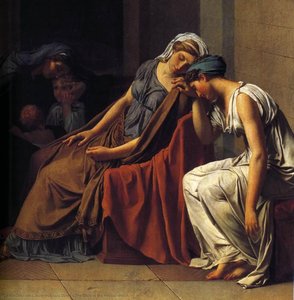
O "General Étienne-Maurice Gérard", de Jacques-Louis David, é mais do que um simples retrato; é um documento meticulosamente elaborado de uma era turbulenta. Pintada em 1816, logo após a derrota de Napoleão em Waterloo e o subsequente exílio de muitas figuras proeminentes para Bruxelas, esta tela monumental captura não apenas um homem, mas o peso da história, as convulsões políticas e a ambição imperial persistente. David, uma figura central na Revolução Francesa e, mais tarde, intimamente ligado à ascensão e queda de Napoleão, apresenta aqui Gérard – um comandante altamente condecorado que personificamente tanto o fervor revolucionário quanto o poder autocrático que definiu grande parte do século XVIII e início do XIX. A pintura permanece como um testemunho da extraordinária habilidade de David em destilar realidades políticas complexas em uma única imagem imponente, revelando uma contenção surpreendente em suas escolhas artísticas, apesar das circunstâncias dramáticas.
O retrato estabelece imediatamente uma sensação de autoridade através da estatura imponente e da pose deliberada de Gérard. Ele é retratado em uma varanda com vista para uma vasta paisagem urbana – um símbolo sutil, porém potente, de sua posição elevada na hierarquia militar francesa. Sua postura, ereta e resoluta, transmite uma confiança inabalável, enquanto o leve giro de sua cabeça envolve o espectador em um engajamento direto. O detalhe meticuloso em seu traje — o rico casaco azul adornado com detalhes dourados, o chapéu preto impecável e a vibrante faixa vermelha — remete à opulência associada à era napoleônica; no entanto, a paleta de David evita deliberadamente o excesso de ostentação. Em vez disso, ele emprega um uso de cor surpreendentemente vibrante e quase teatral – azuis profundos, vermelhos e dourados são justapostos contra um fundo suave, criando uma tensão dinâmica que reflete a instabilidade da época.
Precisão Neoclássica e Ressonância Emocional
A maestria de David no Neoclassicismo é evidente em cada pincelada. A composição adere a princípios geométricos estritos, com linhas claras e proporções equilibradas que contribuem para uma sensação geral de ordem e controle. Contudo, esta não é a formalidade fria e distante frequentemente associada ao estilo. David infunde o retrato com uma intensidade emocional palpável através de sua habilidade no manejo da luz e da sombra. Note como a luz incide sobre o rosto de Gérard, realçando seus traços e transmitindo um sutil toque de melancolia – talvez refletindo a perda de poder e o exílio de sua pátria. O realismo aguçado na representação de seu traje e postura aumenta ainda mais essa sensação de imediatismo, fazendo com que o espectador sinta como se estivesse testemunhando um momento genuíno capturado no tempo.
A inclusão da carta na mão de Gérard é particularmente significativa. Ela sugere uma reflexão privada, um anseio por conexão em meio ao isolamento. O pano de fundo, apresentando árvores e vislumbres da paisagem urbana de Bruxelas, fornece contexto sem sobrecarregar a figura central. Esta orquestração cuidadosa de elementos cria uma narrativa em camadas – uma que fala tanto das conquistas militares do homem quanto de suas circunstâncias pessoais. A escala da pintura — medindo 197 x 136 cm — enfatiza ainda mais a importância de Gérard e a grandeza associada ao seu cargo, reforçando a intenção de David de retratá-lo como uma presença de comando.
Contexto Histórico e Intenção Artística
Compreender o contexto histórico é crucial para apreciar as nuances deste retrato. Após a derrota de Napoleão, muitas figuras imperiais de outrora buscaram refúgio em Bruxelas, formando uma vibrante comunidade de emigrados. David, ele próprio exilado da França, foi encarregado de pintar retratos desses indivíduos proeminentes – um projeto que lhe ofereceu certo grau de liberdade artística e a chance de documentar um capítulo significativo da história europeia. Este retrato em particular destaca-se por sua contenção relativa em comparação com algumas das obras anteriores de David que celebravam Napoleão; falta-lhe a glorificação explícita e os elementos propagandísticos característicos de suas encomendas imperiais.
David parece evitar deliberadamente sucumbir ao clima político predominante, optando, em vez disso, por um retrato digno que enfatiza o caráter de Gérard, sem se alinhar abertamente a qualquer regime específico. Este desafio sutil é um testemunho da integridade artística de David e de sua capacidade de navegar pelo complexo cenário político da França pós-revolucionária. A pintura serve como um lembrete pungente dos sacrifícios pessoais feitos por indivíduos presos nas correntes da guerra e da revolução, oferecendo um vislumbre das vidas e ansiedades daqueles que outrora detiveram imenso poder.
Uma Reprodução para Colecionadores
A OriginalUniqueArt tem o orgulho de oferecer reproduções meticulosamente pintadas à mão do “General Étienne-Maurice Gérard”, de Jacques-Louis David. Nossos artesãos habilidosos replicam a técnica magistral do artista, capturando as cores vibrantes, os detalhes nítidos e a profundidade emocional do original com uma precisão excepcional. Seja você um entusiasta da arte, um colecionador em busca de expandir sua coleção ou simplesmente alguém atraído pelo drama e pela beleza deste retrato icônico, nossa reprodução oferece uma representação impressionante e autêntica desta obra de arte significativa. Experimente o poder e a maestria da obra-prima de David de uma forma que honre seu contexto histórico e seu apelo duradouro.
Perguntas e Respostas
A qual artista "General Étienne-Maurice Gérard (1773–1852)" é atribuída?
"General Étienne-Maurice Gérard (1773–1852)" é atribuída a Jacques-Louis David.
Onde e para qual finalidade é recomendado "General Étienne-Maurice Gérard (1773–1852)"?
"General Étienne-Maurice Gérard (1773–1852)" é sugerida para Peça de destaque, e o espaço recomendado é um(a) Sala de Estar.
Com qual sentimento "General Étienne-Maurice Gérard (1773–1852)" está associada?
"General Étienne-Maurice Gérard (1773–1852)", de Jacques-Louis David transmite um tom emocional Nostálgico.
Biografia do Artista
A Brushstroke Across Revolution: The Life and Art of Jacques-Louis David
Jacques-Louis David, born in Paris in 1748, was more than just a painter; he was a visual chronicler of an era defined by upheaval, idealism, and the relentless pursuit of new orders. His life mirrored the dramatic shifts unfolding across France – from the waning opulence of the Rococo to the austere clarity of Neoclassicism, and ultimately, through the tumultuous years of revolution and Napoleonic glory. A childhood marked by the early loss of his father and a facial impediment that initially hindered his speech seemed only to sharpen his observational skills and fuel an unwavering dedication to artistic mastery. Though initially apprenticed to François Boucher, David quickly found himself drawn to the more morally resonant work of Joseph-Marie Vien, whose emphasis on history painting and classical subjects resonated with a burgeoning sense of purpose within the young artist. His early attempts to win the prestigious Prix de Rome were fraught with frustration, yet these repeated setbacks only intensified his resolve, forging a relentless perfectionism that would characterize his entire career.The Birth of Neoclassical Drama
David’s artistic evolution wasn't merely a stylistic shift; it was a philosophical statement. He rejected the frivolous ornamentation and playful themes of the Rococo, embracing instead the clarity, order, and moral seriousness inherent in classical antiquity. This commitment was profoundly influenced by archaeological discoveries at Pompeii and Herculaneum, which unveiled a world of Roman art and architecture previously lost to time. These ruins ignited within him a profound respect for the rationalism and civic virtue of the ancient republic, inspiring a desire to emulate their ideals in his own work. His breakthrough came with “Oath of the Horatii” (1784), a painting that transcended mere artistic skill to become an emblem of civic virtue and patriotic sacrifice. The stark composition, dramatic lighting – carefully calculated to emphasize the figures’ musculature and emotional intensity – and precise draftsmanship were revolutionary, signaling a decisive break from the past. It wasn't simply *what* he painted but *how* – a deliberate construction designed to evoke powerful emotional responses and inspire contemplation on themes of duty, honor, and self-sacrifice. The figures are rendered with an almost sculptural quality, their bodies idealized according to classical principles, reflecting David’s deep study of Roman sculpture. This work didn't just announce a new style; it foreshadowed the ideological currents that would soon sweep across France.Revolution and Remembrance: Art as Political Weapon
As the French Revolution erupted in 1789, David was not merely an observer but an active participant. A fervent supporter of the revolutionary cause and a close associate of Maximilien Robespierre, he saw art as a powerful tool for shaping public opinion and immortalizing the ideals of the new republic. He believed that art could serve as a moral compass, guiding society towards virtue and justice. His paintings during this period became potent symbols of revolutionary martyrdom and republican fervor. Perhaps his most iconic work from this era is “The Death of Marat” (1793), a hauntingly realistic depiction of the assassinated journalist, transformed into a secular saint. The painting’s stark simplicity – the pale body, the makeshift desk, the poignant letter clutched in Marat's hand – elevates the scene to a level of profound emotional resonance. David deliberately chose this subject matter to honor the revolutionary hero and inspire further acts of sacrifice for the cause. He meticulously researched the event, relying on eyewitness accounts and seeking to capture the raw emotion of the moment with unflinching realism. “The Death of Marat” wasn’t just a portrait; it was a carefully constructed propaganda piece designed to galvanize support for the revolution.From Revolution to Empire: Serving Napoleon
The fall of Robespierre marked another turning point in David's career. With remarkable adaptability, he navigated the shifting political landscape and aligned himself with Napoleon Bonaparte, becoming the First Consul’s official court painter. This new patronage ushered in a period of grand-scale commissions designed to glorify Napoleon’s victories and achievements. “Napoleon Crossing the Alps” (1801-1805) is perhaps the most famous example – a masterful piece of propaganda that presents Napoleon as a heroic, almost mythical figure conquering both nature and adversity. The dramatic lighting, the dynamic composition, and the carefully chosen details all contribute to the image’s powerful effect. David skillfully employed classical motifs—the hero in a heroic pose, battling against the elements—to elevate Napoleon's status and associate him with the grandeur of antiquity. “The Coronation of Napoleon” (1807), an immense canvas capturing the opulence and grandeur of the imperial ceremony, further cemented David’s position as the preeminent artist of the Napoleonic era. During this time, his palette subtly shifted, incorporating warmer Venetian colors while maintaining the precision and clarity that defined his style.Exile, Legacy, and Enduring Influence
The Bourbon Restoration in 1814 brought renewed peril for David, whose association with the fallen Napoleon made him a target of persecution. He chose exile in Brussels in 1816, where he continued to paint and teach until his death on December 29, 1825. Despite facing hardship and political isolation, David remained committed to his art, producing works that reflected his evolving philosophical views. Even in exile, his influence remained profound. He trained numerous pupils, including Jean-Auguste-Dominique Ingres, who would become one of the most important neoclassical painters of the 19th century. David’s emphasis on draftsmanship, composition, and historical accuracy left an indelible mark on French art. *His legacy extends beyond mere imitation*; his expressive distortions of form and space even foreshadowed the innovations of later artists like Henri Matisse and Pablo Picasso. Jacques-Louis David was not simply a painter of his time; he *defined* it, capturing its spirit of revolution, ambition, and enduring ideals on canvas for generations to come.- Major Achievements: Established Neoclassicism as the dominant style in French painting.
- Historical Significance: Created iconic images that captured the spirit of the French Revolution and the Napoleonic era.
- Influence: Trained a generation of influential artists who carried on his legacy.

Jacques-Louis David
1748 - 1800 , França
Dados Rápidos
- Artistic Movement Or Style: Neoclassicismo
- Artists Or Movements Influenced By This Artist:
- Ingres
- Matisse
- Artists Who Influenced This Artist:
- Vien
- Rafael
- Date Of Birth: 30 de agosto de 1748
- Date Of Death: 29 de dezembro de 1825
- Full Name: Jacques-Louis David
- Nationality: Francês
- Notable Artworks:
- Juramento dos Horátios
- Morte de Marat
- Napoletano cruzando os Alpes
- Place Of Birth: Paris, França
Artigos Relacionados
Os 10 Grandes Mestres do Neoclassicismo: Arte, História e Decoração
Descubra os 10 grandes mestres do Neoclassicismo! Explore a história, técnica e beleza de obras icônicas de David, Ingres e outros. Encontre reproduções de arte de museu e inspire sua decoração em OriginalUniqueArt.com.
The Revival of Antiquity: Exploring Ideals of Beauty & Power in Neoclassical Portraiture
Explore the captivating world of Neoclassical portraiture! Discover the power & ideals behind masterpieces by David, Girodet & more. Expert analysis, custom reproductions & art appraisal at OriginalUniqueArt.

Anne-Louis Girodet: Bridging Neoclassicism & Romanticism with Emotional Truth
Explore the captivating world of Anne-Louis Girodet, a pivotal figure bridging Neoclassicism & Romanticism. Discover his masterpieces and unique artistic vision with OriginalUniqueArt.
Gerard David: Bridging Late Medieval Tradition with Early Renaissance Humanism
Explore the captivating world of Gerard David, a pivotal figure bridging late medieval artistry with the Early Renaissance. Discover his innovative techniques, religious masterpieces, and enduring legacy – a must-read for discerning art collectors.

Jacques-Louis David: Neoclassical Ideals & Revolutionary Witness
Explore the life & art of Jacques-Louis David, leading Neoclassical painter of the French Revolution. Discover iconic works like 'The Death of Marat' and his lasting impact on art history. Expert analysis & high-quality reproductions at OriginalUniqueArt.