Visualizar em escala
 Enviar
 Compartilhar
 Ver detalhes
 Guia de Obras do Aluno

 Baixar imagem
 Semelhantes
 Raio X
 Apresentação de slides
 Estatísticas
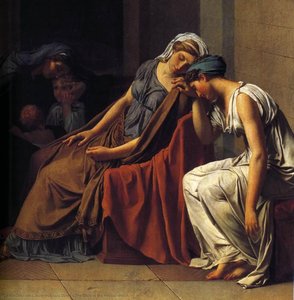
Cupido e Psiquê
 Óleo sobre tela
- Arte de Parede
- Estilo Neoclássico
 1817
1817- Século XIX
 184.0 x 242.0 cm
 Museu de Arte de Cleveland
 Ver mais
Giclée / Impressão de Arte
Impressão giclée ou em tela de qualidade de museu, com produção rápida e opções flexíveis de acabamento. ( Encomendar reprodução pintada à mão Ver Imagem Digital)




P118B €10

P118H €10

P118W €10

P438Z €10

P508JH €12

P508YH €12

P805H €10

P805Z €10

P919BZ €10

P919G €10

P919XJ €10

P959ZH €10

P968JZ €12

W106C €8

W218G €10

W218JH €8

W218Y €10

W307PJ €10

W316G €10

W316PJ €8

W316Y €10

W398PJ €8

W4111J €10

W500HY €15

W500JH €15

W692G €12

W849H €8

W940BG €15

W953PJ €8




Escolha entre os nossos tamanhos pré-definidos que respeitam as proporções originais da obra de arte.

Digite a largura e a altura de que necessita, para se ajustar à sua moldura ou à sua parede. Uma impressão só pode ser cortada, nunca ampliada além da imagem original, pelo que um tamanho com uma proporção diferente perderá parte da imagem. Enviamos-lhe uma maquete digital para aprovação antes de imprimirmos qualquer coisa. A imagem apresentada nesta página não mostra o corte real — apenas a maquete o faz.
Entrega mundial () em 2 semanas, em vez das 4/5 semanas padrão. (21 Outubro)

Envio expresso gratuito para todo o mundo

Tela de Linho Premium

Seguro de transporte total

Garantia de Reembolso de Impostos Alfandegários

Garantia de Fidelidade de Cor

Política de Devolução em 100 Dias (Apenas para Defeitos)

Garantia de reembolso de 100%

Desconto para múltiplas unidades
 A opção de vidro está disponível apenas para tamanhos inferiores a 110 cm

Cupido e Psiquê
Giclée / Impressão de Arte
Dimensões da Reprodução
-


Preço Total
€ 70
Um Devaneio Neoclássico: A Intimidade de Cupido e Psiquê
Na grandiosa tapeçaria da história da arte europeia, poucas telas capturam a delicada tensão entre a paixão divina e a vulnerabilidade mortal com tanta excelência quanto Cupido e Psiquê, de Jacques-Louis David. Concluída em 1817, esta obra monumental serve como uma profunda meditação sobre o amor, a virtude e a graça, erguendo-se como um pilar do espírito neoclássico. Dentro dos limites silenciosos de um quarto banhado por uma luz suave e difusa, David convida o espectador para um drama intensamente pessoal. A composição é magistralmente equilibrada, atraindo o olhar para as figuras centrais — as formas nuas e entrelaçadas de Cupido e Psiquê — enquanto integra sutilmente personagens secundários como Zeus e Hermes na periferia. Este arranjo cuidadoso cria uma atmosfera de serena vulnerabilidade, onde os elementos fantásticos da mitologia são ancorados pela realidade tangível de um cenário doméstico, completado por uma cadeira simples que prende a narrativa celestial à terra.
A pintura é muito mais do que uma mera ilustração mitológica; é uma exploração sofisticada da jornada da alma. Inspirando-se na filosofia platônica, David utiliza a história de Cupido e Psiquê para simbolizar a luta pelo esclarecimento espiritual. As figuras encarnam o jogo entre o desejo humano e a busca pelo conhecimento divino, onde o olhar inabalável de Psiquê em direção a Cupido reflete uma devoção que transcende a atração física. Através de gestos sutis e faces expressivas, o artista captura o poder transformador do afeto genuíno, sugerindo que, mesmo através de provações e desobediência, o amor possui a capacidade de redenção e renascimento definitivos.
O Domínio da Forma e a Linguagem da Luz
Tecnicamente, Cupido e Psiquê é um triunfo da precisão neoclássica. David evita a ornamentação extravagante da era Rococo precedente em favor de um compromisso inabalável com a precisão anatômica e a modelagem escultural. Sua técnica envolve a aplicação meticulosa de tintas a óleo sobre a tela, utilizando veladuras translúcidas para alcançar uma luminosidade notável que parece irradiar de dentro da pele dos personagens. Esta camada minuciosa cria uma sensação de profundidade e vida, tornando as figuras quase palpáveis ao observador.
A paleta de cores é intencionalmente contida, porém harmoniosamente rica, dominada por tons suaves de vermelho, dourado e creme. Estas tonalidades não são meras escolhas estéticas; elas estão profundamente associadas à nobreza e à contemplação espiritual, reforçando os temas de dignidade e clareza moral da pintura. Para o colecionador exigente ou designer de interiores, esta obra-prima oferece uma oportunidade única de introduzir um senso de elegância atemporal e profundidade intelectual em um espaço. Uma reprodução de alta qualidade deste trabalho faz mais do que decorar uma parede; ela traz para o lar o legado duradouro do gênio de David, oferecendo uma janela para uma era em que a arte buscava elevar o espírito humano através da beleza, da ordem e da verdade.
Perguntas e Respostas
O que "Cupido e Psiquê" compartilha com o restante da obra de Jacques-Louis David?
"Cupido e Psiquê" pertence à obra Estilo Neoclássico de Jacques-Louis David, cujos temas recorrentes incluem mitologia clássica, idealismo romântico, amor divino, tradição neoclássica, legado de david.
Qual é o formato de "Cupido e Psiquê"?
"Cupido e Psiquê" de Jacques-Louis David é uma composição em Formato paisagem. As proporções valem a pena ser conferidas antes de escolher o tamanho da impressão.
Como posso obter um arquivo digital de "Cupido e Psiquê" de Jacques-Louis David?
Uma imagem digital de "Cupido e Psiquê" de Jacques-Louis David pode ser adquirida em sua página de Imagem Digital: download de imagem digital em alta resolução.
Biografia do Artista
A Brushstroke Across Revolution: The Life and Art of Jacques-Louis David
Jacques-Louis David, born in Paris in 1748, was more than just a painter; he was a visual chronicler of an era defined by upheaval, idealism, and the relentless pursuit of new orders. His life mirrored the dramatic shifts unfolding across France – from the waning opulence of the Rococo to the austere clarity of Neoclassicism, and ultimately, through the tumultuous years of revolution and Napoleonic glory. A childhood marked by the early loss of his father and a facial impediment that initially hindered his speech seemed only to sharpen his observational skills and fuel an unwavering dedication to artistic mastery. Though initially apprenticed to François Boucher, David quickly found himself drawn to the more morally resonant work of Joseph-Marie Vien, whose emphasis on history painting and classical subjects resonated with a burgeoning sense of purpose within the young artist. His early attempts to win the prestigious Prix de Rome were fraught with frustration, yet these repeated setbacks only intensified his resolve, forging a relentless perfectionism that would characterize his entire career.The Birth of Neoclassical Drama
David’s artistic evolution wasn't merely a stylistic shift; it was a philosophical statement. He rejected the frivolous ornamentation and playful themes of the Rococo, embracing instead the clarity, order, and moral seriousness inherent in classical antiquity. This commitment was profoundly influenced by archaeological discoveries at Pompeii and Herculaneum, which unveiled a world of Roman art and architecture previously lost to time. These ruins ignited within him a profound respect for the rationalism and civic virtue of the ancient republic, inspiring a desire to emulate their ideals in his own work. His breakthrough came with “Oath of the Horatii” (1784), a painting that transcended mere artistic skill to become an emblem of civic virtue and patriotic sacrifice. The stark composition, dramatic lighting – carefully calculated to emphasize the figures’ musculature and emotional intensity – and precise draftsmanship were revolutionary, signaling a decisive break from the past. It wasn't simply *what* he painted but *how* – a deliberate construction designed to evoke powerful emotional responses and inspire contemplation on themes of duty, honor, and self-sacrifice. The figures are rendered with an almost sculptural quality, their bodies idealized according to classical principles, reflecting David’s deep study of Roman sculpture. This work didn't just announce a new style; it foreshadowed the ideological currents that would soon sweep across France.Revolution and Remembrance: Art as Political Weapon
As the French Revolution erupted in 1789, David was not merely an observer but an active participant. A fervent supporter of the revolutionary cause and a close associate of Maximilien Robespierre, he saw art as a powerful tool for shaping public opinion and immortalizing the ideals of the new republic. He believed that art could serve as a moral compass, guiding society towards virtue and justice. His paintings during this period became potent symbols of revolutionary martyrdom and republican fervor. Perhaps his most iconic work from this era is “The Death of Marat” (1793), a hauntingly realistic depiction of the assassinated journalist, transformed into a secular saint. The painting’s stark simplicity – the pale body, the makeshift desk, the poignant letter clutched in Marat's hand – elevates the scene to a level of profound emotional resonance. David deliberately chose this subject matter to honor the revolutionary hero and inspire further acts of sacrifice for the cause. He meticulously researched the event, relying on eyewitness accounts and seeking to capture the raw emotion of the moment with unflinching realism. “The Death of Marat” wasn’t just a portrait; it was a carefully constructed propaganda piece designed to galvanize support for the revolution.From Revolution to Empire: Serving Napoleon
The fall of Robespierre marked another turning point in David's career. With remarkable adaptability, he navigated the shifting political landscape and aligned himself with Napoleon Bonaparte, becoming the First Consul’s official court painter. This new patronage ushered in a period of grand-scale commissions designed to glorify Napoleon’s victories and achievements. “Napoleon Crossing the Alps” (1801-1805) is perhaps the most famous example – a masterful piece of propaganda that presents Napoleon as a heroic, almost mythical figure conquering both nature and adversity. The dramatic lighting, the dynamic composition, and the carefully chosen details all contribute to the image’s powerful effect. David skillfully employed classical motifs—the hero in a heroic pose, battling against the elements—to elevate Napoleon's status and associate him with the grandeur of antiquity. “The Coronation of Napoleon” (1807), an immense canvas capturing the opulence and grandeur of the imperial ceremony, further cemented David’s position as the preeminent artist of the Napoleonic era. During this time, his palette subtly shifted, incorporating warmer Venetian colors while maintaining the precision and clarity that defined his style.Exile, Legacy, and Enduring Influence
The Bourbon Restoration in 1814 brought renewed peril for David, whose association with the fallen Napoleon made him a target of persecution. He chose exile in Brussels in 1816, where he continued to paint and teach until his death on December 29, 1825. Despite facing hardship and political isolation, David remained committed to his art, producing works that reflected his evolving philosophical views. Even in exile, his influence remained profound. He trained numerous pupils, including Jean-Auguste-Dominique Ingres, who would become one of the most important neoclassical painters of the 19th century. David’s emphasis on draftsmanship, composition, and historical accuracy left an indelible mark on French art. *His legacy extends beyond mere imitation*; his expressive distortions of form and space even foreshadowed the innovations of later artists like Henri Matisse and Pablo Picasso. Jacques-Louis David was not simply a painter of his time; he *defined* it, capturing its spirit of revolution, ambition, and enduring ideals on canvas for generations to come.- Major Achievements: Established Neoclassicism as the dominant style in French painting.
- Historical Significance: Created iconic images that captured the spirit of the French Revolution and the Napoleonic era.
- Influence: Trained a generation of influential artists who carried on his legacy.

Jacques-Louis David
1748 - 1800 , França
Informações Rápidas
- Artistic Movement Or Style: Neoclassicismo
- Artists Or Movements Influenced By This Artist:
- Ingres
- Matisse
- Artists Who Influenced This Artist:
- Vien
- Rafael
- Date Of Birth: 30 de agosto de 1748
- Date Of Death: 29 de dezembro de 1825
- Full Name: Jacques-Louis David
- Nationality: Francês
- Notable Artworks:
- Juramento dos Horátios
- Morte de Marat
- Napoletano cruzando os Alpes
- Place Of Birth: Paris, França
Artigos Relacionados

Jacques-Louis David: Neoclassical Ideals & Revolutionary Witness
Explore the life & art of Jacques-Louis David, leading Neoclassical painter of the French Revolution. Discover iconic works like 'The Death of Marat' and his lasting impact on art history. Expert analysis & high-quality reproductions at OriginalUniqueArt.
Os 10 Grandes Mestres do Neoclassicismo: Arte, História e Decoração
Descubra os 10 grandes mestres do Neoclassicismo! Explore a história, técnica e beleza de obras icônicas de David, Ingres e outros. Encontre reproduções de arte de museu e inspire sua decoração em OriginalUniqueArt.com.

The Revival of Antiquity: Exploring Neoclassical Art's Ideals & Enduring Legacy
Explore the revival of classical ideals in Neoclassical art! Discover Jacques-Louis David & the movement's impact on painting, sculpture & architecture. Expert insights & high-quality reproductions at OriginalUniqueArt.
The Revival of Antiquity: Exploring Ideals of Beauty & Power in Neoclassical Portraiture
Explore the captivating world of Neoclassical portraiture! Discover the power & ideals behind masterpieces by David, Girodet & more. Expert analysis, custom reproductions & art appraisal at OriginalUniqueArt.

Neoclassical Portraiture: The Timeless Elegance of Order, Grace, and Academic Mastery
Explore the refined world of Neoclassical portraiture. Discover the mastery of line, light, and order through an expert exploration of academic art history, from Jacques-Louis David to Jean-Antoine Houdon. Immerse yourself in the timeless elegance of classical realism.