Visualizar em escala
 Enviar
 Compartilhar
 Ver detalhes
 Guia de Obras do Aluno

 Baixar imagem
 Semelhantes
 Raio X
 Apresentação de slides
 Estatísticas
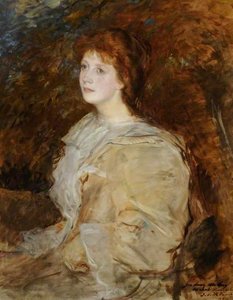
Jeanne
 Oil On Canvas
- WallArt
- Belle Époque Impressionism
 1901
1901- 19th Century
 Dublin City Gallery The Hugh Lane
 Ver mais
Giclée / Impressão de Arte
Impressão giclée ou em tela de qualidade de museu, com produção rápida e opções flexíveis de acabamento. ( Encomendar reprodução pintada à mão Ver Imagem Digital)




P118B €10

P118H €10

P118W €10

P438Z €10

P508JH €12

P508YH €12

P805H €10

P805Z €10

P919BZ €10

P919G €10

P919XJ €10

P959ZH €10

P968JZ €12

W106C €8

W218G €10

W218JH €8

W218Y €10

W307PJ €10

W316G €10

W316PJ €8

W316Y €10

W398PJ €8

W4111J €10

W500HY €15

W500JH €15

W692G €12

W849H €8

W940BG €15

W953PJ €8




Escolha entre os nossos tamanhos pré-definidos que respeitam as proporções originais da obra de arte.

Digite a largura e a altura de que necessita, para se ajustar à sua moldura ou à sua parede. Uma impressão só pode ser cortada, nunca ampliada além da imagem original, pelo que um tamanho com uma proporção diferente perderá parte da imagem. Enviamos-lhe uma maquete digital para aprovação antes de imprimirmos qualquer coisa. A imagem apresentada nesta página não mostra o corte real — apenas a maquete o faz.
Entrega mundial () em 2 semanas, em vez das 4/5 semanas padrão. (21 Outubro)

Envio expresso gratuito para todo o mundo

Tela de Linho Premium

Seguro de transporte total

Garantia de Reembolso de Impostos Alfandegários

Garantia de Fidelidade de Cor

Política de Devolução em 100 Dias (Apenas para Defeitos)

Garantia de reembolso de 100%

Desconto para múltiplas unidades
 A opção de vidro está disponível apenas para tamanhos inferiores a 110 cm

Jeanne
Giclée / Impressão de Arte
Dimensões da Reprodução
-


Preço Total
€ 70
An Encounter with Elegance: The Allure of Jeanne
In the soft, amber glow of the Belle Époque, Jacques-Émile Blanche captures a moment of quiet, poised intimacy in his masterpiece, Jeanne. This full-length portrait serves as more than just a likeness; it is a window into the sophisticated atmosphere of early 20th-century Parisian society. The subject, Jeanne, stands with a graceful presence that commands the viewer's attention, her figure positioned with a subtle, off-center balance that breathes life and movement into the composition. Clad in the fashionable attire of her era, she wears a striking reddish-brown jacket that anchors the painting, while a delicate pink ribbon nestled in her hair provides a tender, luminous focal point. The presence of shadowy figures in the background suggests a larger, bustling world just out of focus, yet all attention remains tethered to the quiet dignity of the woman at the center.
The artistry of Blanche is revealed through his masterful command of Impressionistic Realism, a style that marries precise observation with an evocative, atmospheric touch. He avoids harsh outlines, choosing instead to define the contours of Jeanne’s form through subtle shifts in tone and value. This technique creates a sense of organic fluidity, where the fabric of her clothing and the soft curves of her silhouette seem to emerge naturally from the darkness. The lighting, appearing to emanate from an unseen source to the left, casts a gentle radiance across her face and upper body, leaving much of the background in a mysterious, velvety shadow. This dramatic use of chiaroscuro not only adds depth to the canvas but also imbues the portrait with a psychological weight, inviting the observer to wonder about the thoughts behind Jeanne's steady gaze.
A Timeless Addition to the Sophisticated Interior
For the discerning collector or interior designer, Jeanne offers an unparalleled opportunity to introduce a sense of historical grandeur and warmth into a contemporary space. The color palette—a rich tapestry of deep reds, earthy browns, and muted pinks set against a profound, dark backdrop—possesses a versatile elegance that complements both classical and modern decor. The painting’s texture, characterized by visible yet refined brushstrokes, lends a tactile quality that celebrates the tradition of oil on canvas. It is a piece that does not merely hang on a wall; it anchors a room, providing a sophisticated focal point that evokes the romanticism of a bygone era.
Beyond its aesthetic beauty, the painting carries an emotional resonance that speaks to the enduring human desire for connection and grace. To possess a reproduction of this work is to invite the spirit of the French Impressionist movement into one's home—a celebration of light, shadow, and the quiet majesty of the individual. Whether placed in a sunlit gallery or a moody, library-style study, Jeanne serves as an enduring testament to the skill of Jacques-Émile Blanche and the timeless allure of the Belle Époque.
Perguntas e Respostas
Qual é a cor predominante de "Jeanne" de Jacques-Émile Blanche?
A cor dominante de "Jeanne" de Jacques-Émile Blanche é Phthalo Green (#2c1a12).
Como o movimento e a época se encontram em "Jeanne" de Jacques-Émile Blanche?
Em "Jeanne" de Jacques-Émile Blanche, o movimento Belle Époque Impressionism encontra a era Século XIX.
Existe um guia para "Jeanne" de Jacques-Émile Blanche?
A página Guia de "Jeanne" de Jacques-Émile Blanche oferece uma ficha informativa imprimível em duas folhas: a obra de arte com sua tabela de identificação, uma linha do tempo situando-a no período de vida do artista, outras obras do artista, a paleta de cores medida e citações prontas para copiar em quatro estilos.
Biografia do Artista
Early Life and Artistic Foundations
Jacques Émile Blanche, a figure of undeniable elegance and sensitivity in the world of French art, was born on January 1st, 1861, in the heart of Paris. His origins were deeply rooted in Parisian society; his father, Émile Blanche, was a distinguished pathologist – a medical doctor specializing in mental health – whose work profoundly shaped young Jacques’s upbringing. The family resided within the affluent neighborhood of Passy, an area renowned for its proximity to prominent artists and intellectuals. This environment fostered an early exposure to artistic discourse and creative expression, laying the groundwork for Blanche's future career. His father, recognizing his son’s innate artistic inclinations, encouraged him to pursue these interests, providing a nurturing atmosphere where creativity could flourish. Crucially, Jacques’s childhood was spent within the walls of the Blanche family clinic in Montmartre, a unique setting that offered an unparalleled education. This wasn't merely a place of healing; it was a vibrant hub of artistic and intellectual exchange, frequented by celebrated writers, musicians, and painters – figures like Jules Michelet, Ernest Renan, and even Henri Fantin-Latour. These encounters profoundly influenced Blanche’s worldview and artistic sensibilities, exposing him to diverse perspectives and inspiring his own creative explorations. The family's involvement with the clinic also provided a fascinating glimpse into the social dynamics of the time, blending the worlds of medicine, art, and society in a truly remarkable way.A Self-Taught Artist: Style and Influences
Despite lacking formal training at an established academy, Jacques Émile Blanche developed his artistic style through diligent self-study and observation. He was largely guided by his own instincts and a deep appreciation for the works of master painters. His distinctive approach can be characterized as a synthesis of several key influences. Notably, he drew inspiration from the Impressionist movement, particularly the loose brushwork and emphasis on capturing fleeting moments of light and atmosphere championed by artists like Edouard Manet. However, Blanche’s style also incorporated elements of 18th-century English portraiture, most notably the refined elegance and psychological depth evident in the works of Thomas Gainsborough. The influence of James McNeill Whistler is also undeniable, particularly in his use of color and composition to evoke mood and atmosphere. This eclectic blend resulted in a unique artistic voice – one that was both modern and deeply rooted in tradition. Blanche’s portraits are not merely representations of physical likeness; they are carefully constructed narratives that reveal the inner lives and personalities of his subjects. He possessed an extraordinary ability to capture subtle nuances of expression, conveying emotions with remarkable sensitivity and insight.Career in Paris and London: A Cosmopolitan Artist
Blanche's artistic career unfolded across two prominent cities – Paris and London. Beginning in 1882, he exhibited regularly at the Salon des Artistes Français, a prestigious venue that served as a barometer of contemporary art trends. He continued to exhibit with other reputable societies throughout his life, solidifying his position within the Parisian art scene. However, it was his time in London that proved particularly fruitful. From 1870 onwards, Blanche spent extended periods living and working in England, immersing himself in the vibrant cultural landscape of Victorian society. He quickly established a strong reputation as a portrait painter, capturing the elegance and sophistication of London’s elite – from socialites to prominent figures in literature and the arts. His portraits of Marcel Proust, Henry James, and other notable personalities are considered masterpieces of their time, showcasing his exceptional skill in conveying character and personality. Blanche's cosmopolitan lifestyle—navigating the artistic circles of both Paris and London—provided him with a broad perspective and enriched his artistic vision.Notable Works and Legacy
Jacques Émile Blanche’s oeuvre encompasses a diverse range of subjects, including landscapes, still lifes, and, most famously, portraits. Among his most celebrated works are “The Kreutzer Sonata,” a painting that powerfully captures the emotional intensity of music; "Portrait of Henry James," a nuanced depiction of the American author's character; and a series of evocative London views. These paintings, along with many others, can be found in prestigious collections worldwide, including the Musée d’Orsay in Paris and the National Gallery in London. Blanche’s legacy extends beyond his individual artworks. He was also a respected art critic and collector, actively involved in promoting and supporting emerging artists. His influence on subsequent generations of painters is undeniable, and his work continues to be admired for its elegance, sensitivity, and artistic innovation. Jacques Émile Blanche died on September 30th, 1942, leaving behind a rich and enduring body of work that reflects the spirit of a bygone era.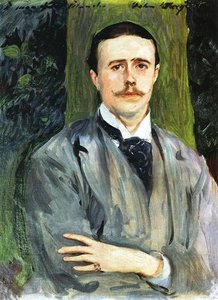
Jacques-Émile Blanche
1861 - 1942 , França
Informações Rápidas
- Artistic Movement Or Style: Impressionismo
- Artists Or Movements Influenced By This Artist: ['Thomas Gainsborough']
- Artists Who Influenced This Artist:
- Edouard Manet
- James Whistler
- Date Of Birth: 1 de fevereiro de 1861
- Date Of Death: 30 de setembro de 1942
- Full Name: Jacques Émile Blanche
- Nationality: Francês
- Notable Artworks:
- A Sonata do Kreutzer
- Retrato de Marcel Proust
- Place Of Birth: Paris, França
Artigos Relacionados
Jean-Georges Béraud: Capturing Parisian Life in the Belle Époque
Explore the captivating world of Jean-Georges Béraud, master painter of Belle Époque Paris. Discover his iconic scenes, artistic evolution, and social commentary. A deep dive into 19th-century French art.

Echoes of 1875: Art, Culture & the Belle Époque's Pivotal Moment
Explore the art & culture of 1875 Paris – a pivotal year for Impressionism & the Belle Époque. Discover Degas, Béraud, Stewart & more with OriginalUniqueArt's expert insights.

Giovanni Boldini: A Study in Belle Époque Portraiture & the Cult of Personality
Explore the captivating world of Giovanni Boldini, master of Belle Époque portraiture. Discover his signature style, iconic works like 'Miss Bell,' and lasting influence on art history. Expert analysis for collectors.
Jacques-Émile Blanche: Capturing Belle Époque Society & the Cult of Personality
Explore the captivating portraits of Jacques-Émile Blanche, a master Impressionist who captured the essence of Belle Époque society in Paris and London. Discover his unique style & lasting legacy.
Echoes of 1882: Art, Culture & the Belle Époque's Lasting Impression
Explore the art & culture of the Belle Époque! Discover Impressionism, Realism, and iconic Parisian paintings from Degas, Béraud & more. High-quality reproductions at OriginalUniqueArt.