Visualizar na parede
 Compartilhar
 Compartilhar
 Detalhes
 Guia
Guia

 Baixar imagem
 Semelhantes
 Raio X
 Ver diaporama
 Perguntas e Respostas
 Estatísticas
Henley Regatta


 Ler mais
Giclée / Impressão de Arte
Impressão giclée ou em tela de qualidade de museu, com produção rápida e opções flexíveis de acabamento. ( Comprar pintura feita à mão Alternar para Imagem Digital)




P118B €10

P118H €10

P118W €10

P438Z €10

P508JH €12

P508YH €12

P805H €10

P805Z €10

P919BZ €10

P919G €10

P919XJ €10

P959ZH €10

P968JZ €12

W106C €8

W218G €10

W218JH €8

W218Y €10

W307PJ €10

W316G €10

W316PJ €8

W316Y €10

W398PJ €8

W4111J €10

W500HY €15

W500JH €15

W692G €12

W849H €8

W940BG €15

W953PJ €8




Escolha entre os nossos tamanhos pré-definidos que respeitam as proporções originais da obra de arte.

Insira a largura e a altura desejadas para se ajustarem à sua moldura ou parede. Uma impressão pode ser apenas cortada, nunca ampliada além da imagem original; portanto, um tamanho com proporções diferentes resultará na perda de parte da imagem. Enviamos uma maquete digital para sua aprovação antes de realizarmos a impressão. A imagem exibida nesta página não mostra o corte real — apenas a maquete o faz.
Entrega mundial () em 2 semanas, em vez das 4/5 semanas padrão. (11 Novembro)

Envio expresso gratuito para todo o mundo

Tela de Linho de Alta Qualidade

Seguro de transporte completo

Garantia de Reembolso de Impostos Alfandegários

Garantia de Fidelidade Cromática

Política de Devolução em 100 Dias (Apenas para Defeitos)

Garantia de reembolso de 100%

Oferta de desconto por quantidade
 A opção de vidro está disponível apenas para tamanhos inferiores a 110 cm

Henley Regatta
Giclée / Impressão de Arte
Tamanho da Reprodução
-


Preço Total
€ 72
Henley Regatta: A Moment Frozen in Impressionistic Brilliance
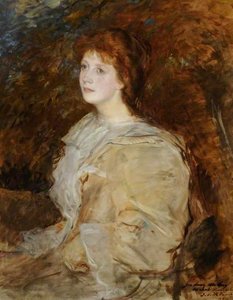
The painting depicts Henley Royal Regatta, a prestigious rowing event held annually on the Thames since 1839, captured with remarkable precision and imbued with an atmosphere of quiet contemplation by Jacques-Émile Blanche. Executed in 1914, during a period of burgeoning artistic experimentation and social change, this artwork stands as a testament to Blanche’s mastery of Impressionistic technique—a style characterized by loose brushstrokes and a muted palette designed to convey fleeting impressions rather than photographic realism.- Subject Matter: The scene focuses on the regatta itself, showcasing boats gliding along the river's surface amidst a gathering crowd of spectators. Blanche skillfully captures the dynamism of the event while simultaneously conveying a sense of stillness and serenity through his compositional choices.
- Style & Technique: Blanche’s approach aligns perfectly with Impressionism, prioritizing light and color over detailed representation. He employs short, broken brushstrokes—a hallmark of the movement—to build up tonal variations that illuminate the textures of the boats, the water, and the clothing of the figures. The subdued hues – predominantly browns, greens, and blues – contribute to an overall mood of understated elegance.
- Historical Context: Painted during World War I, Henley Regatta served as a symbol of normalcy amidst the anxieties of the time. Blanche’s depiction reflects the desire for beauty and leisure in contrast to the grim realities of conflict, capturing a moment of respite before the storm of war descended upon Europe.
- Symbolism: The inclusion of a clock—positioned subtly near the upper left corner—adds another layer of significance. It serves as a visual reminder of time passing, emphasizing the ephemeral nature of beauty and experience – themes central to Impressionist philosophy. Blanche’s deliberate framing invites contemplation on these concepts.
- Emotional Impact: Viewing this painting evokes feelings of tranquility and nostalgia for a bygone era. Blanche's masterful rendering captures not just what was seen but also how it felt—a quiet celebration of tradition, artistry, and the enduring allure of natural beauty.
- Useful Links:
- Henley-on-Thames - Wikipedia
- Jacques-%C3%89mile Blanche - OriginalUniqueArt Artists Database
Perguntas e Respostas
Em que ano foi criado "Henley Regatta"?
"Henley Regatta", de Jacques-Émile Blanche foi criado em 1914.
Posso usar realidade aumentada para ver "Henley Regatta", de Jacques-Émile Blanche no meu ambiente?
"Henley Regatta" possui uma prévia em realidade aumentada: a página de Prévia em RA da obra permite visualizá-la no seu próprio espaço através de um dispositivo compatível.
Que sentimento "Henley Regatta", de Jacques-Émile Blanche expressa dentro de Impressionism?
A emoção Calm de "Henley Regatta" acompanha seu estilo Impressionism.
Biografia do Artista
Early Life and Artistic Foundations
Jacques Émile Blanche, a figure of undeniable elegance and sensitivity in the world of French art, was born on January 1st, 1861, in the heart of Paris. His origins were deeply rooted in Parisian society; his father, Émile Blanche, was a distinguished pathologist – a medical doctor specializing in mental health – whose work profoundly shaped young Jacques’s upbringing. The family resided within the affluent neighborhood of Passy, an area renowned for its proximity to prominent artists and intellectuals. This environment fostered an early exposure to artistic discourse and creative expression, laying the groundwork for Blanche's future career. His father, recognizing his son’s innate artistic inclinations, encouraged him to pursue these interests, providing a nurturing atmosphere where creativity could flourish. Crucially, Jacques’s childhood was spent within the walls of the Blanche family clinic in Montmartre, a unique setting that offered an unparalleled education. This wasn't merely a place of healing; it was a vibrant hub of artistic and intellectual exchange, frequented by celebrated writers, musicians, and painters – figures like Jules Michelet, Ernest Renan, and even Henri Fantin-Latour. These encounters profoundly influenced Blanche’s worldview and artistic sensibilities, exposing him to diverse perspectives and inspiring his own creative explorations. The family's involvement with the clinic also provided a fascinating glimpse into the social dynamics of the time, blending the worlds of medicine, art, and society in a truly remarkable way.A Self-Taught Artist: Style and Influences
Despite lacking formal training at an established academy, Jacques Émile Blanche developed his artistic style through diligent self-study and observation. He was largely guided by his own instincts and a deep appreciation for the works of master painters. His distinctive approach can be characterized as a synthesis of several key influences. Notably, he drew inspiration from the Impressionist movement, particularly the loose brushwork and emphasis on capturing fleeting moments of light and atmosphere championed by artists like Edouard Manet. However, Blanche’s style also incorporated elements of 18th-century English portraiture, most notably the refined elegance and psychological depth evident in the works of Thomas Gainsborough. The influence of James McNeill Whistler is also undeniable, particularly in his use of color and composition to evoke mood and atmosphere. This eclectic blend resulted in a unique artistic voice – one that was both modern and deeply rooted in tradition. Blanche’s portraits are not merely representations of physical likeness; they are carefully constructed narratives that reveal the inner lives and personalities of his subjects. He possessed an extraordinary ability to capture subtle nuances of expression, conveying emotions with remarkable sensitivity and insight.Career in Paris and London: A Cosmopolitan Artist
Blanche's artistic career unfolded across two prominent cities – Paris and London. Beginning in 1882, he exhibited regularly at the Salon des Artistes Français, a prestigious venue that served as a barometer of contemporary art trends. He continued to exhibit with other reputable societies throughout his life, solidifying his position within the Parisian art scene. However, it was his time in London that proved particularly fruitful. From 1870 onwards, Blanche spent extended periods living and working in England, immersing himself in the vibrant cultural landscape of Victorian society. He quickly established a strong reputation as a portrait painter, capturing the elegance and sophistication of London’s elite – from socialites to prominent figures in literature and the arts. His portraits of Marcel Proust, Henry James, and other notable personalities are considered masterpieces of their time, showcasing his exceptional skill in conveying character and personality. Blanche's cosmopolitan lifestyle—navigating the artistic circles of both Paris and London—provided him with a broad perspective and enriched his artistic vision.Notable Works and Legacy
Jacques Émile Blanche’s oeuvre encompasses a diverse range of subjects, including landscapes, still lifes, and, most famously, portraits. Among his most celebrated works are “The Kreutzer Sonata,” a painting that powerfully captures the emotional intensity of music; "Portrait of Henry James," a nuanced depiction of the American author's character; and a series of evocative London views. These paintings, along with many others, can be found in prestigious collections worldwide, including the Musée d’Orsay in Paris and the National Gallery in London. Blanche’s legacy extends beyond his individual artworks. He was also a respected art critic and collector, actively involved in promoting and supporting emerging artists. His influence on subsequent generations of painters is undeniable, and his work continues to be admired for its elegance, sensitivity, and artistic innovation. Jacques Émile Blanche died on September 30th, 1942, leaving behind a rich and enduring body of work that reflects the spirit of a bygone era.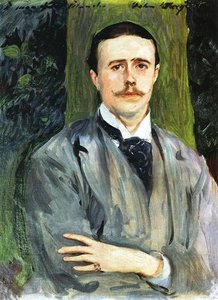
Jacques-Émile Blanche
1861 - 1942 , França
Dados Rápidos
- Artistic Movement Or Style: Impressionismo
- Artists Or Movements Influenced By This Artist: ['Thomas Gainsborough']
- Artists Who Influenced This Artist:
- Edouard Manet
- James Whistler
- Date Of Birth: 1 de fevereiro de 1861
- Date Of Death: 30 de setembro de 1942
- Full Name: Jacques Émile Blanche
- Nationality: Francês
- Notable Artworks:
- A Sonata do Kreutzer
- Retrato de Marcel Proust
- Place Of Birth: Paris, França
Artigos Relacionados

Paul Cézanne: As 25 Obras-Primas que Definiram um Gênio da Arte Moderna | OriginalUniqueArt
Descubra as 25 obras-primas de Paul Cézanne, o mestre do pós-impressionismo! Explore a história, técnica e cores vibrantes por trás de quadros icônicos como 'Les Baigneurs' e 'Mont Sainte-Victoire'. Encontre reproduções de arte exclusivas para decorar sua casa com elegância em OriginalUniqueArt.com.

Além da Luz e Cor: Impressionismo vs. Pós-Impressionismo para o Colecionador Exigente
Descubra as nuances entre Impressionismo e Pós-Impressionismo! Guia completo para colecionadores exigentes, com artistas, história e dicas de investimento. Explore o legado da arte moderna.
Jacques-Émile Blanche: Capturing Belle Époque Society & the Cult of Personality
Explore the captivating portraits of Jacques-Émile Blanche, a master Impressionist who captured the essence of Belle Époque society in Paris and London. Discover his unique style & lasting legacy.

Os 10 Ícones do Impressionismo para Inspirar sua Decoração | OriginalUniqueArt
Descubra os 10 quadros impressionistas mais icônicos de Monet, Renoir e Degas! Explore a história, cores vibrantes e técnicas revolucionárias do Impressionismo. Encontre reproduções de arte exclusivas para inspirar sua decoração em OriginalUniqueArt.com.
Beyond Impressionism: Exploring the Emotional Depth of Post-Impressionist Painting
Explore the profound emotional depth & innovative techniques of Post-Impressionism with OriginalUniqueArt. Discover Cézanne, Van Gogh, Gauguin & more – and their lasting impact on modern art.