Alternar para Impressão
 Ler mais







































 Para obras de arte ou reproduções com mais de 105 cm (aproximadamente 41 polegadas) em qualquer um dos lados, a moldura será enviada como um kit desmontado. Este método garante uma entrega segura e evita danos durante o transporte.


A Venetian Master of Drama and Light
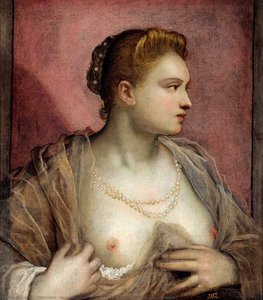
Jacopo Tintoretto (1518-1594) permanece um dos mais fascinantes e enigmáticos personagens da Renascença Alta e período barroco precoce. Seu próprio apelido, “Tintoretto” – pouco pintor – fala sobre o comércio de sua família, mas isso contradiz a vasta arte que o distinguiria de todos os outros. Diferentemente de muitos artistas que se beneficiaram de estágios estruturados, Tintoretto trilhou seu caminho principalmente autodidata, alimentado por uma curiosidade insaciável e um impulso constante pela inovação. Embora tenha passado por uma breve e infeliz estadias sob Titian, o renomado mestre do colorismo veneziano, parece que a experiência provou mais conturbadora do que formativa. Titian’s alegada expulsão do jovem Jacopo – seja por inveja ou discordância artística – impulsionou Tintoretto em direção a um curso independente, marcado por ousadia experimental e uma visão artística única, uma que demonstraria um compromisso inabalável com a inovação estética. Embora suas obras fossem muitas vezes consideradas extravagantes pelo público da época, Tintoretto buscava constantemente novas formas de expressão, desafiando as convenções tradicionais e estabelecendo novos padrões para o estilo veneziano.The Supper at Emmaus: A Biblical Drama Illuminated
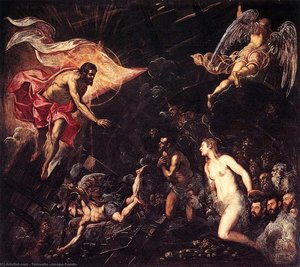
Tintoretto’s Supper at Emmaus stands as a cornerstone of Venetian Renaissance art—a testament to Jacopo Robusti’s unparalleled mastery and an emblem of his distinctive artistic vision. Completed around 1542, this monumental oil on canvas resides within the Szépmúvészeti Múzeum in Budapest, Hungary, offering visitors a profound glimpse into the spiritual fervor and stylistic innovation that characterized the era.
Alla Maniera Veneziana: Technique and Innovation
The painting recounts the biblical narrative of Jesus’s appearance to two disciples on their journey from Jerusalem to Emmaus—a pivotal episode illustrating the transformative power of divine encounter. Tintoretto skillfully captures this moment with dramatic intensity, prioritizing emotional resonance over strict adherence to classical conventions. Unlike many artists of his time who sought idealized beauty and harmonious balance, Tintoretto embraced a style marked by dynamism and expressive gesture—traits that would define his oeuvre for decades to come. The artist employs alla maniera veneziana, characterized by rapid brushwork and the layering of glazes—a method that allows for unparalleled luminosity and textural richness.
Compositional Genius & Atmospheric Perspective
Tintoretto’s genius lies not only in his subject matter but also in his masterful execution. He meticulously arranges figures on the table, utilizing a system of counterbalances to generate visual tension and convey movement. Three cups dominate the central axis, while two bowls flank Christ’s position, mirroring the compositional structure. Furthermore, Tintoretto’s use of perspective—particularly atmospheric perspective—deepens the illusionistic depth of the scene, transporting viewers into the heart of the biblical narrative. The artist's attention to detail extends beyond mere representation; he incorporates decorative elements such as a vase situated at the bottom left corner of image and a clock hanging on the wall above the dining area.
Symbolism & Emotional Resonance
Beyond its technical prowess, The Supper at Emmaus resonates with profound symbolic significance. The resurrected Christ embodies divine compassion and offers solace to his disciples—a theme central to Christian theology. Tintoretto’s expressive portrayal of the figures conveys a palpable sense of emotion—wonder, joy, and gratitude—capturing the transformative experience of recognizing Jesus amidst the everyday realities of human existence. The painting serves as an enduring reminder of faith's ability to illuminate even the darkest corners of human consciousness.
A Legacy Illuminated
Jacopo Tintoretto (1518-1594) stands alongside Michelangelo and Titian as one of the titans of Venetian Renaissance art—a painter whose influence extended far beyond his lifetime. His prolific output encompasses portraits, mythological scenes, and biblical narratives, demonstrating an astonishing versatility and unwavering commitment to artistic innovation. To delve deeper into Tintoretto’s artistic achievements, visit The Museum Szépmúvészeti Múzeum and explore the extensive collection of Tintoretto’s paintings available at Tintoretto (Jacopo Comin): The Supper at Emmaus—a captivating journey into the heart of Venetian artistic genius.
Perguntas e Respostas
Quem criou "A Ceia de Emmaus" e em que ano?
Jacopo Tintoretto criou "A Ceia de Emmaus" em 1542.
Que atmosfera "A Ceia de Emmaus", de Jacopo Tintoretto traz a um ambiente?
Com sua atmosfera Dramático, "A Ceia de Emmaus" é sugerida para um(a) Sala de Estar.
Quais são as dimensões de "A Ceia de Emmaus", de Jacopo Tintoretto na vida real?
A obra original "A Ceia de Emmaus", de Jacopo Tintoretto mede 156 x 212 cm.
 Visualizar na parede
 Compartilhar
 Compartilhar
 Detalhes
 Guia
Guia

 Baixar imagem
 Semelhantes
 Raio X
 Ver diaporama
 Q&A
Q&A Estatísticas