
 Visualizar em escala
 Enviar
 Compartilhar
 Ver detalhes
 Guia de Obras do Aluno

 Baixar imagem
 Semelhantes
 Raio X
 Apresentação de slides
 Estatísticas
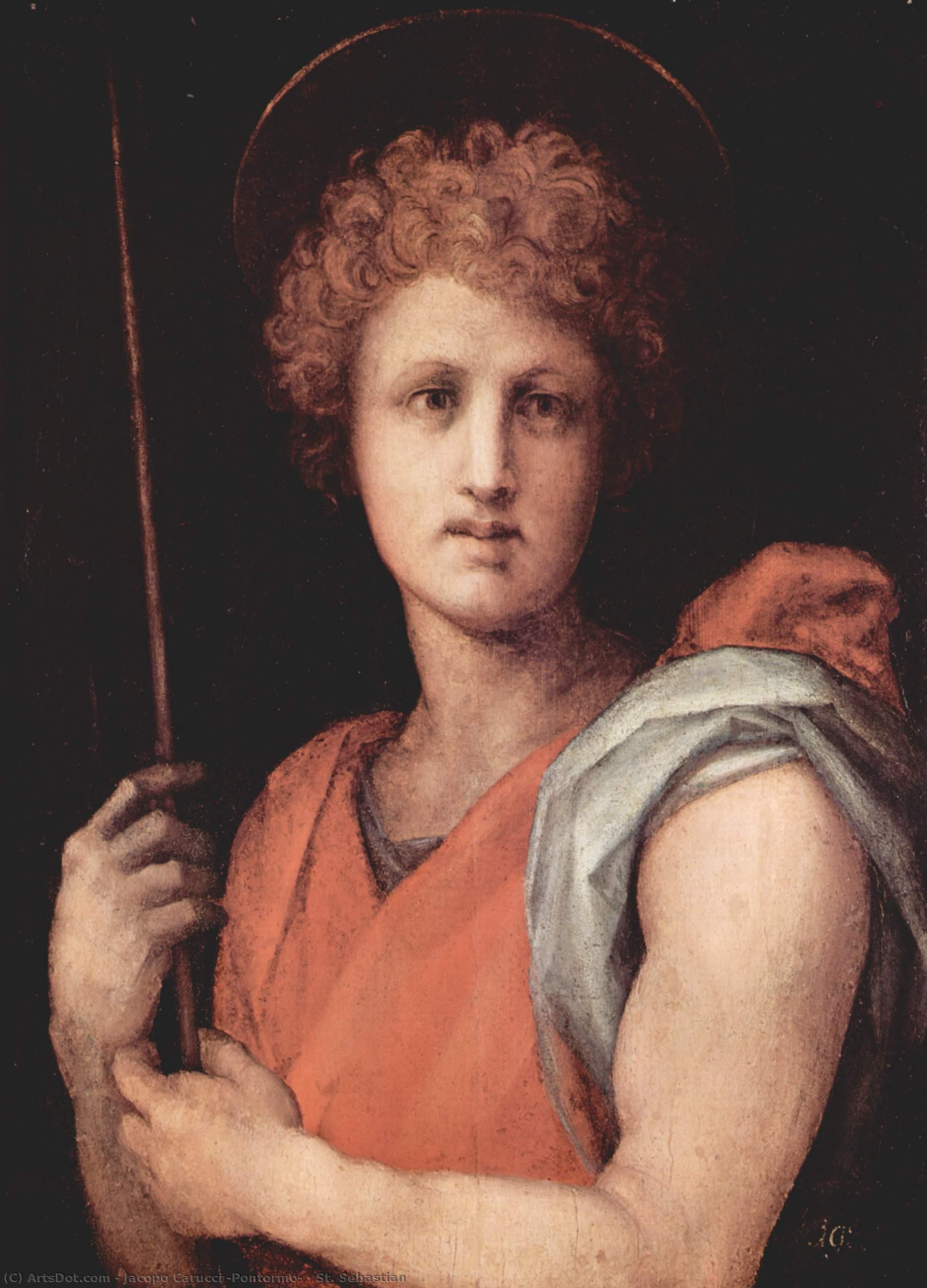
St. Sebastian


 Ver mais
Reprodução em Óleo Feita à Mão
Óleo sobre tela pintado à mão no tamanho e moldura de sua escolha, feito sob encomenda pelos nossos artistas. ( Alternar para Impressão Ver Imagem Digital)




P118B €10

P118H €10

P118W €10

P438Z €10

P508JH €12

P508YH €12

P805H €10

P805Z €10

P919BZ €10

P919G €10

P919XJ €10

P959ZH €10

P968JZ €12

W106C €8

W218G €10

W218JH €8

W218Y €10

W307PJ €10

W316G €10

W316PJ €8

W316Y €10

W398PJ €8

W4111J €10

W500HY €15

W500JH €15

W692G €12

W849H €8

W940BG €15

W953PJ €8




Escolha entre os nossos tamanhos pré-definidos que respeitam as proporções originais da obra de arte.

Digite a largura e a altura de que necessita, para se ajustar à sua moldura ou à sua parede. Esta obra é pintada à mão, por isso, para um tamanho com uma proporção diferente, o artista pode pintar um pouco mais ao redor da imagem ou cortar um pouco — você escolhe. Enviamos-lhe uma maquete digital para aprovação antes de a pintura começar. A imagem exibida nesta página não mostra o resultado real — apenas a maquete mostra.
Após o pedido, a equipa OriginalUniqueArt.com enviará um e-mail ao cliente para solicitar instruções e fornecer uma prévia do esboço.
Entrega mundial () em 3 a 4 semanas, em vez das 5 semanas padrão. (24 Outubro). Sem comprometer a qualidade.

Envio expresso gratuito para todo o mundo

Tela de Linho Premium

Seguro de transporte total

Garantia de Reembolso de Impostos Alfandegários

Garantia de Fidelidade de Cor

Política de Devolução em 100 Dias (Apenas para Defeitos)

Garantia de reembolso de 100%

Desconto para múltiplas unidades
 A opção de vidro está disponível apenas para tamanhos inferiores a 110 cm

St. Sebastian
Técnica de Reprodução
Dimensões da Reprodução
-


Preço Total
€ 263
A Portrait of Spiritual Anguish: Unveiling Jacopo Pontormo’s St. Sebastian
Jacopo Pontormo's 1515 depiction of Saint Sebastian is not merely a portrait; it’s an immersion into the heart of Mannerist emotion, a profound exploration of faith, suffering, and the human condition. Painted during a period of artistic upheaval—a deliberate departure from the idealized beauty of the High Renaissance—Pontormo crafted a work that anticipates the dramatic intensity of the Baroque while retaining a distinctly personal and haunting quality. The painting immediately commands attention with its stark contrast: a dark, almost impenetrable background against which the figure of St. Sebastian is rendered in rich, warm hues, creating an immediate sense of isolation and vulnerability.
The composition itself is meticulously constructed, adhering to the pyramidal structure favored by Renaissance artists but imbued with a subtle instability that speaks to the era’s fascination with ambiguity. St. Sebastian's head, centrally positioned, dominates the canvas, his gaze direct and unwavering – an invitation, perhaps, or a plea for understanding. The crossed arms, a gesture of both defense and acceptance, suggest a man caught between earthly suffering and divine grace. The halo encircling his head is not a symbol of triumphant victory but rather a quiet acknowledgment of his martyrdom, a subtle reminder of the spiritual weight he carries.
The Language of Mannerism: Color, Line, and Emotion
Pontormo’s masterful use of color is central to the painting's emotional impact. The dominant palette—deep reds, oranges, and earthy terracotta tones—evokes a sense of warmth and vitality, yet this is immediately tempered by the surrounding darkness. These warm hues are juxtaposed against cooler blues and whites in the draped fabric, creating visual tension and highlighting the figure’s isolation. The artist employs a technique known as *sfumato*, subtly blurring lines and edges to create an atmosphere of ethereal softness—a hallmark of Mannerism. Lines are deliberately soft and blended, avoiding sharp definition; this contributes significantly to the painting's overall sense of fluidity and emotional intensity.
Furthermore, Pontormo’s manipulation of light is particularly noteworthy. It isn’t a dramatic spotlight but rather a diffused illumination that seems to emanate from multiple sources, gently sculpting St. Sebastian’s form and emphasizing his face. This subtle lighting creates a sense of depth and volume while simultaneously flattening the space, drawing the viewer's attention solely to the figure himself. The textures are rendered with remarkable delicacy—the smooth skin, the flowing fabric—suggesting an almost tactile quality that invites close observation.
Symbolism and Historical Context: A Bridge Between Eras
Beyond its aesthetic qualities, St. Sebastian’s image is rich in symbolic meaning. As a martyr for his Christian faith, he represents sacrifice, endurance, and the triumph of spirit over adversity. The arrows piercing his body are not merely depictions of physical pain but potent symbols of spiritual wounds—a visual representation of the suffering endured by all believers. The painting reflects the turbulent religious climate of 16th-century Florence, a city grappling with political instability and religious reform. Pontormo’s embrace of Mannerism can be seen as a response to the perceived rigidity of the High Renaissance, a willingness to explore subjective experience and emotional intensity.
Born Jacopo Carucci in Pontorme, Tuscany, around 1494, Pontormo was a pivotal figure bridging the Renaissance and Baroque eras. His life was marked by both artistic brilliance and personal tragedy – a loss of his wife and children profoundly impacting his work. This experience undoubtedly contributed to the melancholic tone that permeates St. Sebastian, transforming it into a timeless meditation on grief, faith, and the enduring power of the human spirit.
A Timeless Masterpiece: Reproduction and Beyond
Reproductions of Jacopo Pontormo’s *St. Sebastian* offer an exceptional opportunity to experience this profoundly moving work firsthand. The meticulous detail, evocative color palette, and masterful composition are faithfully captured in high-quality reproductions, allowing viewers to appreciate the artist's genius from any vantage point. Whether adorning a grand salon or a more intimate space, this painting continues to resonate with its powerful message of resilience and spiritual depth.
Perguntas e Respostas
Com que idade Jacopo Pontormo criou "St. Sebastian"?
Quando "St. Sebastian" foi criada em 1515, Jacopo Pontormo — nascido(a) em 1494 — tinha 21 anos.
Posso ver uma visão de raio-X de "St. Sebastian" de Jacopo Pontormo?
A página Raio X de "St. Sebastian" de Jacopo Pontormo é um visualizador interativo que permite percorrer onze camadas ópticas da imagem da obra, incluindo uma visualização em estilo raio-X.
Onde "St. Sebastian" se posiciona dentro da obra de Jacopo Pontormo?
Na produção de Jacopo Pontormo, "St. Sebastian" insere-se no estilo Mannerist Painting, acompanhando os temas de renaissance mannerism, emotional intensity, christian martyrdom, spiritual themes, religious iconography, symbolism rich, pontormo’s unique style, innovation”.
Biografia do Artista
O Visionário Melancólico: A Vida e o Legado de Jacopo Pontormo
Jacopo Carucci, conhecido pela história pelo evocativo apelido de Pontormo, foi um artista cujo pincel capturou a própria essência da transição. Nascido na pequena aldeia toscana de Pontorme por volta de 1494, sua vida inicial foi marcada por um profundo senso de solidão e melancolia, qualidades que mais tarde infundiriam suas telas com uma profundidade psicológica inigualável. Como um jovem aprendiz em Florença, ele transitou por um mundo de paradigmas artísticos em mutação, emergindo eventualmente como uma figura central do movimento maneirista florentino. Ao contrário dos mestres do Alto Renascimento, que buscavam a perfeição através do equilíbrio e da harmonia matemática, Pontormamente olhou para dentro, buscando expressar as complexidades turbulentas e muitas vezes inquietantes da alma humana. Seus anos formativos foram moldados pelas sombras de gigantes. Sob a tutela de Domenico del Pollaiuolo e a influência monumental de Michelangelo Buonarroti, ele dominou a precisão anatômica exigida de um mestre renascentista, mas possuía um desejo irreprimível de distorcer essa própria realidade para obter efeito emocional. Ele buscou inspiração não apenas no peso escultural de Michelangelo, mas também nas gravuras intrincadas e emotivas de Albrecht Dürer. Esta síntese única da forma italiana e do detalhe expressivo do norte da Europa permitiu-lhe ser pioneiro em um estilo onde as figuras pareciam perder sua conexão com a gravidade, flutuando através de espaços ambíguos e oníricos.A Arquitetura do Maneirismo: Estilo e Inovação
Testemunhar uma pintura de Pontormo é entrar em um reino onde as leis familiares da física e da perspectiva são suspensas. Sua obra representa um afastamento deliberado da serenidade e da regularidade perspectivada de seus predecessores. Em obras-primas como sua "Visitação" ou a assombrosa "Deposição," observa-se as marcas registradas de sua estética maneirista revolucionária: membros alongados, poses entrelaçadas e não naturais, e uma paleta de cores vibrantes, quase ácidas, que colidem e brilham com uma luz de outro mundo. Ele substituiu as composições triangulares estáveis do Renascimento por arranjos agitados e aglomerados que evocam uma sensação de energia inquieta e desassossego espiritual. O brilhantismo técnico de Pontormo residia em sua habilidade de usar a cor e a forma como ferramentas psicológicas. Suas figuras frequentemente parecem flutuar em ambientes incertos, sem o peso da gravidade, criando uma sensação de profunda instabilidade. Isso não era mero artifício; era uma tentativa deliberada de transmitir as ansiedades espirituais de uma era presa entre as certezas do Renascimento e o drama iminente do Barroco. Seja através da luz dramática em sua "Ceia em Emaús" ou da intensidade emocional crua encontrada em seus estudos de Cristo, Pontormo utilizou cada pincelada para explorar temas de luto, devoção e o divino.Uma Impressão Duradoura na História da Arte
A importância histórica de Jacopo Pontormo não pode ser subestimada. Ele serviu como uma ponte vital, traduzindo os ideais clássicos do século XV para a linguagem expressiva e teatral que definiria grande parte da arte do século XVI. Sua influência reverberou por toda a Escola Florentina, moldando as obras de sucessores como Bronzino e garantindo que a tensão entre beleza e artifício permanecesse como um diálogo central na pintura europeia. Sua obra permanece como um testemunho do poder da visão individual sobre a tradição. Através de seus retratos, como o majestoso "Cosimo I de' Medici," e suas obras religiosas profundamente simbólicas, ele demonstrou que a arte poderia ser mais do que um espelho da realidade; ela poderia ser uma janela para o subconsciente. Embora sua vida tenha sido frequentemente sombreada por tristezas pessoais, o brilho de sua cor e a complexidade de suas composições continuam a cativar, convidando cada espectador a perder-se no mundo belo, distorcido e profundamente humano do mestre florentino.
Jacopo Pontormo
1494 - 1557 , Itália
Informações Rápidas
- Artistic Movement Or Style: Mannerismo
- Artists Or Movements Influenced By This Artist: ['Albrecht Dürer']
- Artists Who Influenced This Artist:
- Michelangelo
- Leonardo da Vinci
- Date Of Birth: 1494
- Full Name: Jacopo Pontormo
- Nationality: Italiano
- Notable Artworks:
- Visitação
- Deposição
- Place Of Birth: Pontorme, Itália
Artigos Relacionados

The Enduring Legacy of Oil on Canvas: Technique, History & Aesthetic Impact
Explore the rich history & techniques of oil painting – from Renaissance masters to Impressionism. Discover pigments, layering methods, and why this timeless medium endures. Expert insights for artists & art enthusiasts.

El Greco: As 25 Obras-Primas que Definem um Gênio da Pintura | OriginalUniqueArt
Descubra as 25 obras-primas de El Greco, o mestre renascentista espanhol! Explore a história, técnica e emoção por trás de quadros icônicos como 'O Enterro do Conde Orgaz'. Encontre reproduções de arte exclusivas e inspire sua decoração em OriginalUniqueArt.com.
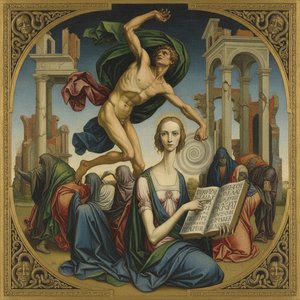
Beyond Perfection: The Dramatic Elegance and Intellectual Tension of Renaissance Mannerism
Explore the captivating world of Renaissance Mannerism. Discover how artists moved beyond High Renaissance harmony into a realm of elegant distortion, psychological tension, and dramatic beauty that bridged the gap to the Baroque era.

The Enduring Power of Painting: A Historical & Contemporary Exploration of Form and Emotion
Explore the rich history & enduring techniques of oil painting with OriginalUniqueArt. Discover masterpieces, learn about art collecting, and find authentic handmade reproductions crafted by skilled artists.

Oil on Canvas: A Historical & Technical Exploration of a Timeless Artistic Medium
Explore the rich history & enduring techniques of oil painting on canvas. Discover the science behind its longevity, conservation practices, and contemporary relevance. Expert insights for art enthusiasts.


