

 Visualizar em escala
 Enviar
 Compartilhar
 Ver detalhes

 Baixar
 Semelhantes
 Raio X
 Apresentação de slides
St Michael Defeating Satan
 Acrylic On Canvas
- WallArt
- Early Renaissance
 33.0 x 41.0 cm
 Museu Britânico
 Ver mais
Giclée / Impressão de Arte
Impressão giclée ou em tela de qualidade de museu, com produção rápida e opções flexíveis de acabamento. ( Encomendar reprodução pintada à mão Comprar imagem em alta resolução)




P118B $10

P118H $10

P118W $10

P438Z $10

P508JH $12

P508YH $12

P805H $10

P805Z $10

P919BZ $10

P919G $10

P919XJ $10

P959ZH $10

P968JZ $12

W106C $8

W218G $10

W218JH $8

W218Y $10

W307PJ $10

W316G $10

W316PJ $8

W316Y $10

W398PJ $8

W4111J $10

W500HY $15

W500JH $15

W692G $12

W849H $8

W940BG $15

W953PJ $8




Escolha entre os nossos tamanhos pré-definidos que respeitam as proporções originais da obra de arte.

Você pode inserir suas próprias dimensões para se ajustar a uma moldura ou espaço específico. Se o tamanho selecionado não corresponder às proporções da imagem original, iremos recortar a obra de arte ou estender a imagem com uma borda espelhada ou preenchimento sólido. Um mockup digital será enviado para sua aprovação antes do início da produção.
Por favor, observe que a visualização na tela não reflete o recorte ou a extensão real. Apenas o mockup mostrará com precisão a composição final.
Embora tamanhos personalizados estejam disponíveis, recomendamos selecionar uma dimensão da lista predefinida para preservar as proporções originais.
Entrega mundial () em 2 semanas, em vez das 4/5 semanas padrão. (22 Agosto)

Envio Expresso Gratuito para todo o Mundo

Tela de Linho Premium

Seguro de transporte total

Garantia de Reembolso de Impostos Alfandegários

Garantia de Fidelidade de Cor

Política de Devolução de 60 Dias (Apenas para Defeitos)

Garantia de reembolso de 100%

Desconto para múltiplas unidades
 A opção de vidro está disponível apenas para tamanhos inferiores a 110 cm

St Michael Defeating Satan
Giclée / Impressão de Arte
Dimensões da Reprodução
-


Preço Total
$ 80
Descrição do Item
A Clash of Heavens: Jacopo Bellini’s ‘St Michael Defeating Satan’
Jacopo Bellini's “St Michael Defeating Satan,” painted circa 1450, isn’t merely a depiction of an epic biblical battle; it’s a visceral embodiment of the eternal struggle between good and evil. This arresting work, currently housed in the British Museum, transcends its historical context to resonate with a profound sense of drama and spiritual intensity – qualities that continue to captivate viewers centuries later. Bellini, a pivotal figure in bridging the gap between late Gothic and early Renaissance styles, masterfully employed techniques honed during his extensive travels throughout Italy and beyond, resulting in an image brimming with dynamic movement and carefully rendered detail.
The composition immediately commands attention. At its heart stands St Michael, not as a serene saint, but as a warrior – clad in gleaming armor, he dominates the scene with a resolute posture. His outstretched hand firmly grasps his sword, poised to strike down Satan, who writhes beneath him, a grotesque figure of serpentine coils and fiery wings. The fallen angel’s contorted face is a mask of rage and despair, reflecting the agonizing defeat. Bellini's use of chiaroscuro – the dramatic interplay of light and shadow – intensifies this sense of conflict, highlighting Michael’s heroic form while plunging Satan into an abyss of darkness. Notice how the folds of Michael’s cloak billow dramatically, mirroring the turbulent energy of the battle itself.
Renaissance Perspective and Symbolism
Bellini's genius lies not just in his dramatic portrayal but also in his innovative application of Renaissance perspective. Unlike the flattened, symbolic representations common in earlier Gothic art, Bellini meticulously constructs a three-dimensional space, drawing the viewer into the heart of the conflict. The receding lines of the architecture behind the figures create an illusion of depth, while the carefully rendered details – from the intricate scales on Satan’s body to the folds of Michael's armor – contribute to the overall realism. This commitment to naturalism was a hallmark of the burgeoning Renaissance aesthetic.
Beyond its technical brilliance, “St Michael Defeating Satan” is rich in symbolic meaning. The battle itself represents the ongoing conflict between divine justice and demonic corruption. St Michael’s sword symbolizes faith and righteousness, while Satan's fiery wings represent temptation and sin. The eagle soaring above – a traditional symbol of imperial power and divine vigilance – reinforces this theme. Furthermore, the setting, often interpreted as a symbolic representation of Hell itself, underscores the gravity of the struggle.
Historical Context and Artistic Influences
Bellini’s work emerged during a period of profound artistic and intellectual transformation in Venice. The city was experiencing a surge of wealth and patronage, fueling an explosion of creativity. Bellini himself was deeply influenced by the works of Giotto, whose naturalistic style paved the way for Renaissance realism. He also drew inspiration from Byzantine art, particularly its use of vibrant colors and dramatic compositions. The painting’s powerful emotional impact reflects this confluence of influences.
Interestingly, “St Michael Defeating Satan” is one of relatively few surviving original Bellini canvases. Much of his legacy resides in his extensive sketchbook pages, offering invaluable insights into his artistic process – a testament to the meticulous observation and innovative thinking that characterized his work. The painting’s enduring appeal speaks to its timeless themes and Bellini's masterful ability to capture the drama and intensity of this pivotal biblical narrative.
A Timeless Masterpiece: Reproduction Possibilities
Reproductions of “St Michael Defeating Satan” offer a remarkable opportunity to bring this iconic artwork into your home or office. Available in a range of sizes, from intimate prints to large-scale canvases, these reproductions faithfully capture the painting’s rich colors, dramatic lighting, and dynamic composition. Whether you're an art enthusiast, a collector, or simply seeking a striking piece for your interior design, this reproduction provides a beautiful and accessible way to experience the power and beauty of Jacopo Bellini’s masterpiece.
Biografia do Artista
O Pioneiro Veneziano da Perspectiva Renascentista
Jacopo Bellini ergue-se como uma figura fundamental no florescente estilo de pintura renascentista que prosperou em Veneza e no norte da Itália. Ele foi muito mais do que um mero pintor; foi um dos inovadores fundacionais de sua era, moldando as sensibilidades artísticas através de uma observação meticulosa da natureza e de uma incorporação magistral da perspectiva linear — uma técnica que, anteriormente, estava amplamente ausente na tradição veneziana. Embora poucas das telas originais de Bellini sobrevivam hoje para serem apreciadas em toda a sua glória, seu legado profundo reside primordialmente em seus requintados cadernos de esboços, como aqueles preservados no British Museum e no Louvre. Esses desenhos revelam uma profunda fascinação por vastas paisagens e elaborados projetos arquitetônicos, oferecendo uma visão inestimável de um processo artístico que prefigurou as revoluções estilísticas dos séculos seguintes.
Nascido em Veneza por volta de 1396, os anos formativos de Jacopo foram imersos nas ricas e decorativas tradições do período gótico tardio. Sua formação inicial sugere que ele foi discípulo do célebre Gentile da Fabriano, um artista cujo ateliê produziu alguns dos afrescos mais ambiciosos e ornamentados da época. Esta prestigiada associação sem dúvida instilou em Bellini um apreço vitalício pelo detalhe intrincado, pela harmonia das cores e por uma certa complexidade decorativa. No início de sua carreira, ele esteve ativo em Foligno entre 1411 e 1412, onde colaborou nos monumentais afrescos do Palazzo Trinci, trabalhando ao lado dos próprios mestres que definiram o estilo gótico internacional.
Uma Jornada pelo Coração do Renascimento
Um ponto de virada significativo ocorreu quando Bellini viajou para Florença por volta de 1423. Esta jornada colocou-o no epicentro de um período intenso de experimentação artística, liderado por luminares como Brunelleschi, Donatello e Masaccio. Em Florença, ele encontrou a ciência emergente da perspectiva linear, uma descoberta que alteraria fundamentalmente sua abordagem ao espaço e à profundidade. Ao fundir a elegância lírica e decorativa de suas raízes venezianas com o rigor estrutural e a clareza espacial dos inovadores florentinos, Bellini começou a forjar uma linguagem visual única. Esta síntese permitiu-lhe ir além dos planos simbólicos e planos do período medieval em direção a uma representação do mundo mais imersiva, como se fosse uma janela aberta.
À medida que sua carreira progredia, Bellini tornou-se uma figura central no estabelecimento de uma dinastia familiar que dominaria a arte veneziana por gerações. Sua influência não foi meramente pessoal, mas pedagógica, pois ele transmitiu suas inovações aos seus filhos, Gentile e Giovanni. Através deles, as sementes de sua experimentação com a luz, a paisagem e a perspectiva floresceram no esplendor do Alto Renascimento associado ao nome Bellini. Sua obra serviu como uma ponte entre as tradições ornamentais do passado e o realismo humanista do futuro, tornando-o um elo indispensável na evolução da arte italiana.
Legado e Significância Histórica
A importância histórica de Jacopo Bellini reside em seu papel como catalisador de mudanças. Embora grande parte de sua produção permaneça capturada no meio íntimo da tinta e da pena, aqueles esboços servem como um projeto para o Renascimento veneziano. Sua habilidade de vislumbrar paisagens complexas e multicamadas e arquiteturas matematicamente coerentes forneceu a base para que seus sucessores explorassem a beleza atmosférica da lagoa veneziana. Estudar Bellini é testemunhar o exato momento em que o olhar do artista começou a dominar verdadeiramente a ilusão de profundidade, mudando para sempre a forma como a humanidade percebe o mundo pintado.
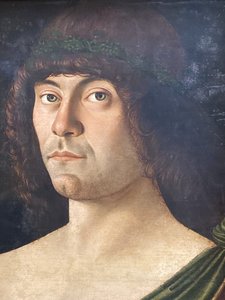
Jacopo Bellini
1396 - 1470 , Itália
Informações Rápidas
- Artistic Movement Or Style: Renascimento
- Artists Or Movements Influenced By This Artist: ['Masaccio']
- Artists Who Influenced This Artist: ['Gentile da Fabriano']
- Date Of Birth: Veneza, Itália (1396)
- Date Of Death: c. 1470
- Full Name: Jacopo Bellini
- Nationality: Italiano
- Notable Artworks:
- A Crucifixão na Catedral de Verona
- Madona e o Menino
- Place Of Birth: Veneza
Artigos Relacionados

Celestial Messengers: A Comprehensive Exploration of Angelic Representation in Art History
Explore the captivating history of angels in art! Discover symbolism, iconic Renaissance masterpieces & renowned artists. Expert insights for art lovers & collectors at OriginalUniqueArt.

Celestial Messengers: Angels in Painting – A Historical & Artistic Exploration
Explore the captivating history of angels in painting! Discover symbolism, iconic Renaissance & Byzantine masterpieces, and renowned artists. Expert insights for art lovers & collectors at OriginalUniqueArt.

Divine Beauty: A Curated Guide to the Celestial Majesty of Angelic Figures in Art History
Explore the profound beauty of angelic figures in art history. From Renaissance masterpieces to celestial symbolism, our expert guide offers a sophisticated journey through the divine imagery of the Old Masters for discerning collectors and art enthusiasts.

El Greco: As 25 Obras-Primas que Definem um Gênio da Pintura | OriginalUniqueArt
Descubra as 25 obras-primas de El Greco, o mestre renascentista espanhol! Explore a história, técnica e emoção por trás de quadros icônicos como 'O Enterro do Conde Orgaz'. Encontre reproduções de arte exclusivas e inspire sua decoração em OriginalUniqueArt.com.
Fra Angelico: As 25 Obras-Primas que Definem a Arte Renascentista | OriginalUniqueArt
Descubra as 25 obras-primas de Fra Angelico, o mestre renascentista da arte sacra. Explore a beleza dos afrescos e pinturas que inspiram fé e contemplação. Reproduções de alta qualidade em OriginalUniqueArt.com!



