
 Visualizar na parede
 Compartilhar
 Compartilhar
 Detalhes
 Guia
Guia

 Baixar imagem
 Semelhantes
 Raio X
 Ver diaporama
 Perguntas e Respostas
 Estatísticas
The King Drinks


 Ler mais
Giclée / Impressão de Arte
Impressão giclée ou em tela de qualidade de museu, com produção rápida e opções flexíveis de acabamento. ( Comprar pintura feita à mão Alternar para Imagem Digital)




P118B €10

P118H €10

P118W €10

P438Z €10

P508JH €12

P508YH €12

P805H €10

P805Z €10

P919BZ €10

P919G €10

P919XJ €10

P959ZH €10

P968JZ €12

W106C €8

W218G €10

W218JH €8

W218Y €10

W307PJ €10

W316G €10

W316PJ €8

W316Y €10

W398PJ €8

W4111J €10

W500HY €15

W500JH €15

W692G €12

W849H €8

W940BG €15

W953PJ €8




Escolha entre os nossos tamanhos pré-definidos que respeitam as proporções originais da obra de arte.

Insira a largura e a altura desejadas para se ajustarem à sua moldura ou parede. Uma impressão pode ser apenas cortada, nunca ampliada além da imagem original; portanto, um tamanho com proporções diferentes resultará na perda de parte da imagem. Enviamos uma maquete digital para sua aprovação antes de realizarmos a impressão. A imagem exibida nesta página não mostra o corte real — apenas a maquete o faz.
Entrega mundial () em 2 semanas, em vez das 4/5 semanas padrão. (11 Novembro)

Envio expresso gratuito para todo o mundo

Tela de Linho de Alta Qualidade

Seguro de transporte completo

Garantia de Reembolso de Impostos Alfandegários

Garantia de Fidelidade Cromática

Política de Devolução em 100 Dias (Apenas para Defeitos)

Garantia de reembolso de 100%

Oferta de desconto por quantidade
 A opção de vidro está disponível apenas para tamanhos inferiores a 110 cm

The King Drinks
Giclée / Impressão de Arte
Tamanho da Reprodução
-


Preço Total
€ 72
A Riotous Tableau of Flemish Revelry: Jacob Jordaens’ “The King Drinks”
Jacob Jordaens' "The King Drinks," painted in 1640, isn’t merely a depiction of a feast; it’s a vibrant explosion of Baroque energy captured on canvas. This monumental oil painting, now residing within the Oldmasters Museum in Brussels, transports the viewer directly into the heart of a Twelfth Night celebration – a boisterous gathering steeped in tradition and overflowing with life. Jordaens, a key figure in the Antwerp School, masterfully employs his signature style to create an immersive scene that pulsates with movement, color, and a palpable sense of joyous excess.
The painting’s core is dominated by its dynamic composition – a carefully orchestrated chaos of figures engaged in a multitude of activities. Diagonal lines, created through the arrangement of tables laden with food, overflowing goblets, and the bodies of revelers, propel the eye across the canvas, drawing us into the swirling heart of the celebration. Jordaens’s masterful use of perspective flattens the space, lending an immediate and overwhelming sense of participation. The scene feels less like a distant observation and more like being thrust directly into the midst of the merriment – a truly immersive experience.
The Ritual of Twelfth Night: Symbolism in Excess
“The King Drinks” is deeply rooted in the traditions surrounding Twelfth Night, a pivotal event in the medieval calendar. This celebration marked the end of the old year and the beginning of the new, often involving elaborate feasts, games, and symbolic rituals. The central figure, crowned and holding a goblet high, embodies the role of the “Bean King” – a temporary ruler chosen to preside over the festivities. The abundance of food and drink—roast meats, overflowing platters, and goblets brimming with wine—is not simply decorative; it’s a potent symbol of prosperity, indulgence, and the shedding of old ways. The scattered beans themselves, remnants of the celebratory meal, represent the guiding star that led the Magi to the infant Jesus – a reminder of the religious significance underlying the secular revelry.
A Masterclass in Baroque Technique
Jordaens’s skill as a painter is immediately evident in his meticulous attention to detail and his masterful command of light and shadow. The figures are rendered with remarkable realism, each face capturing a distinct expression of delight, drunkenness, or mischievousness. Notice the subtle variations in texture – the rough weave of fabrics, the glistening sheen of wine, the smooth skin tones of the characters. Jordaens employs a dramatic chiaroscuro technique, utilizing strong contrasts between light and dark to heighten the sense of drama and create a palpable atmosphere of excitement. The brushstrokes are visible yet blended seamlessly, contributing to the painting’s rich texture and vibrant color palette.
A Window into 17th-Century Flemish Life
“The King Drinks” offers a fascinating glimpse into the social customs and values of 17th-century Flanders. The scene depicts a gathering that transcends mere entertainment; it's a celebration of community, tradition, and the release of pent-up energy. The inclusion of children amidst the revelry underscores the importance of family and the acceptance of boisterous behavior as part of the festive spirit. Jordaens’s work reflects a society where pleasure was not merely tolerated but actively embraced – a testament to the vibrant cultural landscape of Antwerp during his time. It's a painting that invites us to step back in time and experience, vicariously, the joyous chaos of a Twelfth Night celebration.
Perguntas e Respostas
Qual é o nível de contraste de "The King Drinks", de Jacob Jordaens?
O contraste entre claro e escuro de "The King Drinks" é registrado como Statement. O contraste descreve a intensidade da diferença entre as áreas claras e escuras.
"The King Drinks" é típico do que Jacob Jordaens costumava criar?
"The King Drinks" retrata feast, revelry, royalty, baroque, celebration, drinking, excess, dutch art, enquanto os temas recorrentes de Jacob Jordaens são rubens' influence, dynamic composition, flemish extravagance, opulent scenes, baroque drama, theatrical display, moral excess, indulgence critique. A comparação entre ambos revela como a obra se relaciona com os temas habituais do artista.
Em que fase da carreira de Jacob Jordaens se situa "The King Drinks", considerando a sua data?
"The King Drinks", criado em 1638, pertence ao Mature Period da carreira de Jacob Jordaens.
Biografia do Artista
A Vida e a Ascensão de um Mestre da Alegria: Jacob Jordaens
Jacob Jordaens nasceu em 1593, na próspera cidade de Antuérpia, no coração dos Países Baixos Espanhóis. Filho de um rico comerciante de linho, Jacob recebeu uma educação que lhe permitiu desfrutar de uma vida confortável e de oportunidades para desenvolver seu talento artístico. Diferentemente de muitos de seus contemporâneos, que buscavam aprimorar suas habilidades na Itália, Jordaens permaneceu enraizado em sua terra natal, cultivando um estilo único e vibrante que celebrava os prazeres e as realidades da vida cotidiana. Sua formação inicial foi influenciada por Adam van Noort, também mestre de Peter Paul Rubens, o que lhe proporcionou uma base sólida em técnica e composição. Em 1616, casou-se com a filha de seu mestre, Katharina, consolidando sua posição no cenário artístico local.O Pintor dos Festivais Populares e da Grandiosidade Barroca
A obra de Jordaens era incrivelmente diversificada, abrangendo desde narrativas religiosas e cenas mitológicas até composições alegóricas, pinturas de gênero repletas de vida e até mesmo retratos. No entanto, ele é mais lembrado por suas representações exuberantes de festivais populares e cenas de taverna – obras que irradiavam uma energia palpável e um espírito desinibido de alegria nos prazeres terrenos. Pinturas como *O Rei Bebendo* (também conhecida como a Festa do Rei Trancoso) exemplificam este estilo característico: composições lotadas com figuras robustas envolvidas em festividades animadas, pintadas com cores quentes e vibrantes e utilizando um contraste dramático de luz e sombra. Essas cenas não eram apenas celebrações da alegria; muitas vezes carregavam subtextos morais sutis, refletindo a complexa relação entre indulgência e restrição que prevalecia na sociedade do século XVII. Apesar disso, Jordaens era igualmente habilidoso em lidar com encargos mais formais e grandiosos. Sua participação na decoração do palácio Huis ten Bosch, perto de Haia, demonstrou sua capacidade de criar obras monumentais e alegóricas que integravam perfeitamente pintura e arquitetura.Influências e a Voz Artística Única
Embora Jordaens nunca tenha viajado para a Itália, ele foi profundamente influenciado por mestres italianos como Jacopo Bassano, Paolo Veronese e Caravaggio – artistas cujas obras chegaram aos Países Baixos através de gravuras e pinturas trazidas por outros artistas. A influência de Caravaggio é particularmente evidente em seu uso dramático da luz e sombra, uma técnica conhecida como *tenebrismo*, que intensifica a intensidade emocional de suas cenas. No entanto, Jordaens não simplesmente imitou essas influências; ele as sintetizou com suas próprias sensibilidades flamengas, criando um estilo único que era o seu. Ele se diferenciou de Rubens e Van Dyck em sua preferência pelo realismo em vez do idealismo, abraçando uma abordagem mais direta e despretensiosa para a representação da forma humana. Suas figuras são frequentemente substanciais, até mesmo corpulentas, seus rostos avermelhados e saudáveis. Este compromisso com o naturalismo, combinado com seu domínio magistral da cor e da composição, o distinguiu de seus contemporâneos e estabeleceu-o como uma figura proeminente na pintura barroca flamenga.A Técnica e a Abundância de Detalhes
O estilo de Jordaens era caracterizado por uma riqueza de detalhes e uma atenção meticulosa aos menores elementos. Ele frequentemente utilizava *sfumato*, uma técnica que suavizava os contornos das figuras, criando uma sensação de profundidade e atmosfera. Suas pinturas eram repletas de personagens, objetos e paisagens, cada um cuidadosamente renderizado com precisão e realismo. Jordaens era conhecido por sua habilidade em capturar a luz natural e as sombras, criando efeitos dramáticos que davam vida às suas cenas. Ele também era um mestre na representação da textura, utilizando pinceladas variadas para simular o toque do tecido, a rugosidade da madeira e a suavidade da pele.Legado e Impacto Duradouro
Ao longo de sua longa e prolífica carreira, Jordaens treinou numerosos alunos – quinze foram oficialmente registrados no Círculo de São Lucas entre 1621 e 1667—garantindo a continuidade de seu legado artístico. Sua influência pode ser vista na obra de artistas posteriores como Jan Steen, que compartilhava sua inclinação para representar cenas de gênero animadas. Além de seu impacto direto em outros pintores, as temáticas clássicas de Jordaens sobre a vida popular tiveram um efeito duradouro no mundo da arte, desafiando hierarquias tradicionais e celebrando a dignidade da vida cotidiana. Mesmo hoje, suas pinturas continuam a cativar o público com sua energia, vitalidade e representação honesta da experiência humana. Sua capacidade de combinar realismo com alegoria, sensualidade com moralidade e grandiosidade com intimidade o torna uma das figuras mais convincentes e duradouras do período barroco.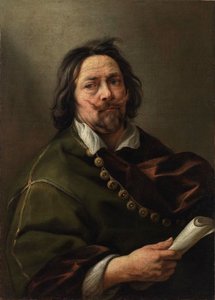
Jacob Jordaens
1593 - 1678 , Bélgica
Dados Rápidos
- Artistic Movement Or Style: Barroco
- Artists Or Movements Influenced By This Artist: ['Jan Steen']
- Artists Who Influenced This Artist: ['Adam van Noort']
- Date Of Birth: 19 de Maio de 1593
- Date Of Death: 18 de Outubro de 1678
- Full Name: Jacob Jordaens
- Nationality: Flemish
- Notable Artworks:
- O Banquete do Rei
- A Satyre et le Paysan
- Place Of Birth: Antuérpia, Bélgica
Artigos Relacionados
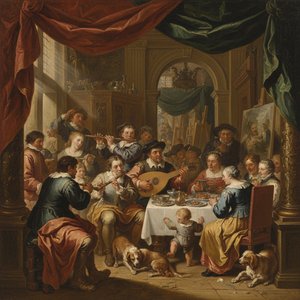
Jacob Jordaens: Baroque Dynamism & Genre Innovation of the Antwerp School
Discover Jacob Jordaens, a leading Flemish Baroque painter renowned for his dynamic compositions & realistic genre scenes. Explore his life, art, and lasting influence with OriginalUniqueArt.

Mastering Drama and Light: A Definitive Guide to the Flemish Baroque Art Movement
Explore the dramatic brilliance of the Flemish Baroque movement. Discover how masters like Peter Paul Rubens utilized chiaroscuro and dynamic composition to redefine art history through light, shadow, and unparalleled emotion.

A Estética do Drama: A Grandiosidade e a Técnica da Arte Barroca no Século XVII
Descubra o drama e a técnica dos mestres do Barroco, de Caravaggio a Rubens. Explore a grandiosidade desta era agora.
Baroque Classicism: The Grandeur of Order and Drama in 17th-Century Art History
Explore the profound elegance of Baroque Classicism. Discover how 17th-century masters synthesized dramatic emotion with classical order through the lens of the Counter-Reformation and the works of legends like Carlo Maratta and Andrea Sacchi.
Baroque Classicism: Reconciling Drama & Order in 17th-Century Art
Explore the captivating world of Baroque Classicism! Discover its history, key artists like Caravaggio & Rubens, and defining characteristics. Expert insights & high-quality reproductions at OriginalUniqueArt.


