
 Visualizar na parede
 Compartilhar
 Compartilhar
 Detalhes
 Guia
Guia

 Baixar imagem
 Semelhantes
 Raio X
 Ver diaporama
 Perguntas e Respostas
 Estatísticas
The Cloister

- 75.0 x 96.0 cm


 Ler mais
Giclée / Impressão de Arte
Impressão giclée ou em tela de qualidade de museu, com produção rápida e opções flexíveis de acabamento. ( Comprar pintura feita à mão Alternar para Imagem Digital)




P118B €10

P118H €10

P118W €10

P438Z €10

P508JH €12

P508YH €12

P805H €10

P805Z €10

P919BZ €10

P919G €10

P919XJ €10

P959ZH €10

P968JZ €12

W106C €8

W218G €10

W218JH €8

W218Y €10

W307PJ €10

W316G €10

W316PJ €8

W316Y €10

W398PJ €8

W4111J €10

W500HY €15

W500JH €15

W692G €12

W849H €8

W940BG €15

W953PJ €8




Escolha entre os nossos tamanhos pré-definidos que respeitam as proporções originais da obra de arte.

Insira a largura e a altura desejadas para se ajustarem à sua moldura ou parede. Uma impressão pode ser apenas cortada, nunca ampliada além da imagem original; portanto, um tamanho com proporções diferentes resultará na perda de parte da imagem. Enviamos uma maquete digital para sua aprovação antes de realizarmos a impressão. A imagem exibida nesta página não mostra o corte real — apenas a maquete o faz.
Entrega mundial () em 2 semanas, em vez das 4/5 semanas padrão. (8 Novembro)

Envio expresso gratuito para todo o mundo

Tela de Linho de Alta Qualidade

Seguro de transporte completo

Garantia de Reembolso de Impostos Alfandegários

Garantia de Fidelidade Cromática

Política de Devolução em 100 Dias (Apenas para Defeitos)

Garantia de reembolso de 100%

Oferta de desconto por quantidade
 A opção de vidro está disponível apenas para tamanhos inferiores a 110 cm

The Cloister
Giclée / Impressão de Arte
Tamanho da Reprodução
-


Preço Total
€ 72
A Window Into the Dutch Landscape Soul
In the quiet expanse of Jacob Isaackszoon van Ruisdael’s "The Cloister," painted around 1650, viewers are invited to step into a world where the boundaries between nature and spirituality dissolve. This masterpiece, a cornerstone of the Dutch Golden Age, offers far more than a mere topographical record of a rural vista; it is a profound meditation on the passage of time and the enduring presence of the divine within the earthly realm. As the eye wanders across the rolling hills and weathered stone, one feels the weight of history and the serene pulse of a landscape that breathes with its own quiet dignity.
The composition is anchored by a weathered stone tower, its crumbling façade acting as a poignant memento mori—a reminder of the inevitable decay that touches all man-made structures. Yet, this sense of fragility is balanced by the vibrant life teeming in the foreground. Figures engaged in the rhythmic, everyday labors of tending livestock and agricultural tasks ground the grandeur of the scene in human reality. This interplay between the monumental architecture and the humble, industrious figures creates a compositional harmony that has captivated collectors and art enthusiasts for centuries.
The Mastery of Light and Atmosphere
Ruisdael was a virtuoso of luminism, a technique that prioritizes the ethereal portrayal of atmospheric effects to evoke a sense of immediate presence. In "The Cloister," the artist captures the fleeting magic of late afternoon sunlight as it filters through a dramatic, cloud-swept sky. The way the warm glow kisses the textured stone of the tower and illuminates the lush greenery creates an illusion of immense depth, pulling the viewer into the very heart of the Dutch countryside. Through subtle gradations of color and meticulous tonal variations, Rulsdael achieves a remarkable precision, rendering the rough texture of rock, the softness of foliage, and the weight of the clouds with equal mastery.
For the discerning interior designer or collector, this painting offers an unparalleled emotional resonance. The dramatic sky, occupying a significant portion of the canvas, provides a sense of movement and energy that can breathe life into any sophisticated space. Whether placed in a sun-drenched gallery or a more somber, contemplative study, the work’s ability to manipulate light makes it a dynamic centerpiece. It does not merely decorate a wall; it transforms an environment, inviting a sense of peace, reflection, and awe.
A Legacy of Humanist Thought
To understand "The Cloister" is to understand the intellectual climate of the 17th-century Netherlands. Painted shortly after Ruisdael’s transformative journey to Germany, the work reflects the burgeoning humanist philosophy and scientific curiosity of the era. The inclusion of classical architectural elements speaks to a fascination with antiquity, while the meticulous realism of the landscape mirrors the period's devotion to empirical observation. The cloister itself serves as a powerful symbol of solitude and spiritual devotion, values deeply embedded in Dutch Calvinist culture.
Owning a high-quality reproduction of this work allows one to possess a fragment of this historical grandeur. It is an investment in a narrative of resilience and beauty—a piece that speaks of the eternal cycle of growth and decay, of the industrious human spirit, and the breathtaking majesty of the natural world. "The Cloister" remains an enduring testament to Ruisdael's ability to capture not just what the eye sees, but what the soul feels.
Perguntas e Respostas
Quão saturada é a paleta de "The Cloister"?
As cores de "The Cloister", de Jacob Van Ruisdael possuem uma saturação Muted. A saturação descreve o quão vívidas ou suaves são as cores.
Que tipo de obra é "The Cloister"?
"The Cloister" é uma obra de WallArt.
A qual artista "The Cloister" é atribuída?
O artista por trás de "The Cloister" é Jacob Van Ruisdael. A obra está catalogada sob o nome de Jacob Van Ruisdael.
Biografia do Artista
Os Primeiros Anos e a Formação de um Mestre
Jacob Isaackszoon van Ruisdael, nascido em Haarlem, nos Países Baixos, em 1628, emergiu durante o apogeu da chamada Idade de Ouro Holandesa. Este período foi marcado por uma extraordinária prosperidade econômica e um florescimento cultural sem precedentes, que se refletiu intensamente na pintura paisagística. Ruisdael não apenas testemunhou essa era vibrante, mas tornou-se seu mais emblemático cronista visual. Sua família possuía uma oficina de pintores, o que lhe proporcionou um ambiente propício para desenvolver suas habilidades artísticas desde cedo. Embora os detalhes precisos de sua formação permaneçam obscuros, é certo que ele recebeu instrução em desenho e pintura, absorvendo as técnicas e convenções da época.
A Versatilidade de um Olhar Incomparável
Ruisdael rapidamente se destacou pela notável versatilidade de seu talento. Ao contrário de muitos artistas que se especializavam em um único gênero, ele explorou uma ampla gama de temas paisagísticos com igual maestria. Desde 1646, dedicou-se a retratar as paisagens rurais holandesas, capturando a serenidade dos campos, a beleza das florestas e a atmosfera melancólica dos pântanos. Uma viagem à Alemanha em 1650 parece ter exercido uma influência significativa sobre sua obra, levando-o a incorporar elementos mais dramáticos e heroicos em suas composições. Em seus trabalhos posteriores, produzidos principalmente em Amsterdã, Ruisdael aventurou-se na representação de panoramas urbanos e paisagens marítimas, frequentemente com o céu ocupando uma porção considerável da tela – um recurso que se tornou uma marca registrada de seu estilo.
Luz, Composição e a Essência da Natureza
A arte de Ruisdael é caracterizada por uma sensibilidade excepcional à luz e à atmosfera. Ele conseguia capturar as nuances sutis do céu em constante mudança, transmitindo a sensação de movimento e a beleza efêmera dos fenômenos naturais. Sua habilidade na composição era igualmente notável; ele organizava os elementos da paisagem de forma harmoniosa e equilibrada, criando obras que eram ao mesmo tempo realistas e poéticas. “Cachoeira em uma Paisagem Rochosa e Montanhosa”, por exemplo, demonstra sua capacidade de representar a força bruta da natureza com um senso de drama e grandiosidade. Já “Vista de Haarlem com Branqueamento” exemplifica sua maestria na captura da essência da paisagem holandesa, revelando a vida cotidiana em harmonia com o ambiente natural. E “Vista do Dam e do Damrak em Amsterdã” destaca seu talento para a pintura urbana, retratando a cidade vibrante com detalhes precisos e uma atmosfera envolvente.
Influência Duradoura e Legado Imortal
A influência de Ruisdael na história da paisagem é profunda e duradoura. Sua obra inspirou gerações de artistas em toda a Europa, moldando o desenvolvimento do Romantismo Inglês, da Escola de Barbizon na França e da Escola do Rio Hudson nos Estados Unidos. Ele também exerceu um impacto significativo sobre outros pintores holandeses, que buscaram emular sua técnica e sensibilidade. Sua capacidade de transmitir emoção através da paisagem, combinada com sua maestria na representação da luz e da atmosfera, estabeleceu novos padrões para a pintura ao ar livre e abriu caminho para as inovações do Impressionismo.
Obras Notáveis e o Reconhecimento Universal
Entre suas obras mais emblemáticas destacam-se:
- Vista de Haarlem com Branqueamento
- Cachoeira em uma Paisagem Rochosa e Montanhosa
- Vista do Dam e do Damrak em Amsterdã
As obras de Ruisdael podem ser encontradas em importantes coleções ao redor do mundo, incluindo a National Gallery de Londres, o Rijksmuseum de Amsterdã e o Museu Hermitage de São Petersburgo. Seu legado permanece vivo até hoje, inspirando artistas e amantes da arte com sua beleza atemporal e sua profunda conexão com a natureza.

Jacob Van Ruisdael
1628 - 1682 , Países Baixos
Dados Rápidos
- Artistas Que O Influenciaram: ['Hendrick Vroom']
- Artistas/Movimentos Influenciados:
- Romantismo Inglês
- Escola de Barbizon
- Data Da Morte: 1682, Amsterdã
- Data De Nascimento: 1628, Haarlem
- Local De Nascimento: Haarlem, Países Baixos
- Movimento Artístico: Idade de Ouro Holandesa
- Nacionalidade: Holandês
- Nome Completo: Jacob Isaackszoon van Ruisdael
- Obras Notáveis:
- Vista de Haarlem
- Cachoeira rochosa
- Paisagem urbana Amsterdã
Artigos Relacionados

A Era de Ouro Holandesa: 10 Mestras-Obras Imperdíveis para Decorar com Arte
Descubra as 10 obras-primas da Era de Ouro Holandesa! Explore a história, técnica e beleza atemporal de Rembrandt, Vermeer e outros mestres. Encontre reproduções de arte exclusivas para decorar sua casa com elegância em OriginalUniqueArt.com.

Golden Light & Dutch Skies: The Timeless Magic of Dutch Golden Age Landscapes
Discover the breathtaking beauty of Dutch Golden Age landscapes. Explore the mastery of light, chiaroscuro, and 17th-century realism through an expert art history lens, celebrating the enduring legacy of the Dutch Masters for discerning collectors and art lovers.
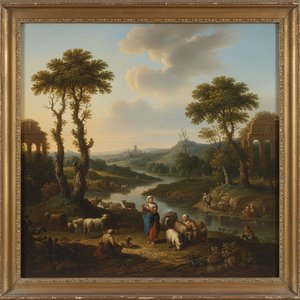
Nicolaes Berchem: Dutch Golden Age Pastoralism & the Evolution of Landscape Painting
Explore the captivating world of Nicolaes Berchem, a leading Dutch Golden Age painter. Discover his idyllic landscapes, masterful technique & lasting influence on art history. Learn more at OriginalUniqueArt.
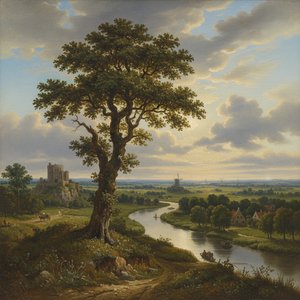
Jacob van Ruisdael: Master of Dutch Landscape & the Evocation of National Identity
Explore the life & work of Jacob van Ruisdael, the preeminent Dutch landscape painter. Discover his technical brilliance, symbolic depth, and lasting influence on art history. Learn about collecting Ruisdael's masterpieces.

Golden Light & Dutch Skies: Bringing the Magic of Dutch Golden Age Landscapes into Your Home
Transform your home with the breathtaking light of Dutch Golden Age landscapes. Discover how hand-painted oil reproductions of masterworks like Ruisdael and Vermeer bring timeless elegance, atmosphere, and soulful texture to modern interiors. Elevate your space with museum-quality art.


