

 Visualizar na parede
 Compartilhar
 Compartilhar
 Detalhes
 Guia
Guia

 Baixar imagem
 Semelhantes
 Raio X
 Ver diaporama
 Estatísticas
Self-Portrait
 Oil On Canvas
- WallArt
- Northern Renaissance
 1533
1533- Renaissance
 38.0 x 30.0 cm
 Rijksmuseum
 Ler mais
Giclée / Impressão de Arte
Impressão giclée ou em tela de qualidade de museu, com produção rápida e opções flexíveis de acabamento. ( Comprar pintura feita à mão Alternar para Imagem Digital)




P118B €10

P118H €10

P118W €10

P438Z €10

P508JH €12

P508YH €12

P805H €10

P805Z €10

P919BZ €10

P919G €10

P919XJ €10

P959ZH €10

P968JZ €12

W106C €8

W218G €10

W218JH €8

W218Y €10

W307PJ €10

W316G €10

W316PJ €8

W316Y €10

W398PJ €8

W4111J €10

W500HY €15

W500JH €15

W692G €12

W849H €8

W940BG €15

W953PJ €8




Escolha entre os nossos tamanhos pré-definidos que respeitam as proporções originais da obra de arte.

Insira a largura e a altura desejadas para se ajustarem à sua moldura ou parede. Uma impressão pode ser apenas cortada, nunca ampliada além da imagem original; portanto, um tamanho com proporções diferentes resultará na perda de parte da imagem. Enviamos uma maquete digital para sua aprovação antes de realizarmos a impressão. A imagem exibida nesta página não mostra o corte real — apenas a maquete o faz.
Entrega mundial () em 2 semanas, em vez das 4/5 semanas padrão. (27 Outubro)

Envio expresso gratuito para todo o mundo

Tela de Linho de Alta Qualidade

Seguro de transporte completo

Garantia de Reembolso de Impostos Alfandegários

Garantia de Fidelidade Cromática

Política de Devolução em 100 Dias (Apenas para Defeitos)

Garantia de reembolso de 100%

Oferta de desconto por quantidade
 A opção de vidro está disponível apenas para tamanhos inferiores a 110 cm

Self-Portrait
Giclée / Impressão de Arte
Tamanho da Reprodução
-


Preço Total
€ 70
A Glimpse into Northern Renaissance Authority
This arresting self-portrait by Jacob Cornelisz van Oostsanen transports us directly into the charged atmosphere of early sixteenth-century Netherlandish life. The central figure, commanding attention with his somber black hat and richly draped robe, exudes an aura of profound authority. His beard frames a countenance marked by a stern, almost intellectual gravity, suggesting a man accustomed to deep thought or significant community responsibility—perhaps a scholar, a theologian, or a respected civic leader. The composition is not merely a likeness; it is a carefully constructed statement of status and intellect, characteristic of the period when portraiture began to elevate the sitter from mere subject to philosophical presence.
Mastery Bridging Eras: Style and Technique
Van Oostsanen’s technique here showcases his remarkable position as an artist bridging two monumental artistic epochs. While one can detect the lingering, meticulous detail rooted in the Gothic tradition—a love for rich texture in the fabric and the precise rendering of individual features—the overall composition hints at the burgeoning naturalism and psychological depth of the Renaissance. Observe the handling of light; it seems to fall upon the subject with a deliberate, almost theatrical quality, sculpting the planes of his face and lending weight to his garments. The inclusion of two smaller figures flanking the main subject adds a subtle narrative complexity, grounding the central authority figure within a social context, suggesting patronage or discipleship.
The Historical Echo: Life in 1533
Dating to 1533, this painting emerges from a time of immense cultural ferment in the Netherlands. The transition from medieval piety to humanist inquiry was reshaping art and society. Van Oostsanen himself navigated these currents, absorbing influences that allowed him to create works that feel both deeply rooted in local tradition and keenly aware of continental artistic advancements. Owning a reproduction of this piece is not simply acquiring decoration; it is curating a tangible connection to the intellectual ferment of Amsterdam’s burgeoning cultural scene.
Symbolism and Emotional Resonance for the Modern Collector
The emotional impact of this portrait lies in its quiet power. The stern gaze challenges the viewer, inviting contemplation on themes of duty, knowledge, and enduring character. For the collector or designer, this piece offers unparalleled depth. It speaks to permanence—the weight of history embodied in oil paint. Whether placed in a library setting, an academic study, or a grand hall, it lends an immediate air of cultivated seriousness and historical gravitas. The rich tonality and masterful execution ensure that this artwork remains a focal point, whispering tales of the men who shaped the Northern Renaissance.
Perguntas e Respostas
Que atmosfera uma reprodução de "Self-Portrait", de Jacob Cornelisz van Oostsanen traria para um ambiente?
A atmosfera Calm de "Self-Portrait", de Jacob Cornelisz van Oostsanen combina perfeitamente com o ambiente recomendado: um(a) Living Room.
Qual é a data e o estilo de "Self-Portrait", de Jacob Cornelisz van Oostsanen?
"Self-Portrait", de Jacob Cornelisz van Oostsanen é datada de 1533 e pertence ao Northern Renaissance.
Que paleta e que sentimento "Self-Portrait" evoca?
A paleta Earthy de "Self-Portrait", de Jacob Cornelisz van Oostsanen harmoniza-se com seu tom emocional Melancholic. A cor é uma das formas pelas quais uma obra transmite sentimento.
Biografia do Artista
Jacob Cornelisz van Oostsanen: A Ponte entre o Gótico e o Renascimento em Amsterdã
Jacob Cornelisz van Oostsanen (c. 1470 – 1533) ergue-se como uma figura fundamental na arte do norte dos Países Baixos, marcando a transição final das tradições medievais para o espírito florescente do Renascimento na vibrante cidade de Amsterdã. Apesar da escassez de detalhes biográficos — dependendo primordialmente do Schilder-boeck de Karel van Mander e de registros arquivísticos — estudiosos reconstruíram com esmero sua vida e trajetória artística, revelando um mestre profundamente enraizado na herança gótica de Haarlem, mas profundamente impactado pelas inovações que emanavam de Florença e Nuremberg.- Juventude e Família: Nascido por volta de 1470 em Oostzaan, na Holanda Setentrional, Jacob Cornellis fazia parte de uma família dedicada à pintura — seus irmãos, Cornelis Buys I e II, também eram artistas talentosos. A própria localização oferece uma visão do meio artístico de seus anos formativos; a proximidade de Oostzaan com Amsterdã fomentou conexões com oficinas influentes e linhagens artísticas estabelecidas.
- Formação e Influências: Como muitos artistas de sua época, Jacob Cornelisz aperfeiçoou suas habilidades em Haarlem, absorvendo os preceitos estilísticos de Geertgen tot Sint Jans — um mestre de paletas de cores luminosas e proporções alongadas características da tradição gótica. No entanto, ele também encontrou as ideias transformadoras defendidas por Albrecht Dürer, demonstrando uma disposição para abraçar novas abordações e técnicas artísticas.
Amsterdã e o Amanhecer da Pintura Renascentista
A chegada de Jacob Cornelisz a Amsterdã, por volta de 1500, sinalizou uma mudança decisiva em sua carreira artística. Ele adquiriu duas casas adjacentes na Kalverstraat, estabelecendo-se como um dos principais artistas da cidade e garantindo um ambiente estável para sua família. Este movimento coincidiu com um período de considerável crescimento urbano e dinamismo cultural — Amsterdanc estava se transformando rapidamente em um centro cosmopolita que atraía artesãos e intelectuais de toda a Europa. Sua oficina tornou-se um polo de experimentação, produzindo não apenas retratos encomendados, mas também xilogravuras intrincadas e vitrais que refletiam as sensibilidades estéticas predominantes da época.Obras Notáveis e Estilo Artístico
A obra de Jacob Cornelisz compreende aproximadamente 200 xilogravuras e 27 pinturas — um testemunho de sua versatilidade como designer e pintor. Suas gravuras distinguem-se pelo detalhe meticuloso e pela adesão às convenções tradicionais do norte dos Países Baixos, priorizando a clareza narrativa e transmitindo emoção através de figuras cuidadosamente posicionadas. Pinturas como “Cristo como Jardineiro” exemplificam sua evolução estilística — caracterizada por proporções simplificadas, harmonias de cores luminosas e uma técnica de pincelada mais solta que se afastava do formalismo rígido da arte gótica anterior. Ele fundiu habilmente elementos da pintura de Haarlem com a influência de Dürer, criando imagens imbuídas tanto de profundidade espiritual quanto de esplendor visual.Simbolismo e Contexto Religioso
Ao longo de sua carreira artística, Jacob Cornelisz abordou consistentemente temas religiosos — frequentemente encomendados por patronos católicos que buscavam defender a ortodoxia contra a crescente Reforma Protestante. Suas pinturas — incluindo “A Natividade” e “Saul e a Bruxa de Endor” — empregaram uma iconografia estabelecida, enraizada na tradição medieval, mas incorporaram inovações estilísticas contemporâneas. Estas obras serviram como representações visuais da fé, habilmente elaboradas para ressoar com públicos familiarizados com o humanismo e as novas tendências artísticas.Legado e Significância Histórica
A contribuição de Jacob Cornelisz van Oostsanen para a história da arte é inegável — ele representa o último bastião dos pintores flamengos que resistiram às influências estilísticas italianas. Sua oficina continuou a florescer após sua morte, fomentando a inovação artística e perpetuando o legado de sua família como artistas proeminentes em Amsterdã. Ele permanece como um símbolo da transição artística, encarnando a convergência do artesanato gótico com os ideais renascentistas — um momento crucial na moldagem da cultura visual do norte da Europa.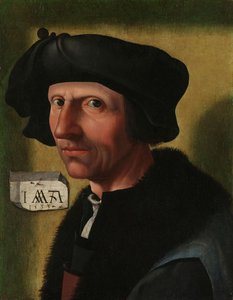
Jacob Cornelisz van Oostsanen
1470 - 1533 , Holanda
Dados Rápidos
- Artistic Movement Or Style: Renascença Flamenga
- Artists Who Influenced This Artist:
- Jan van Eyck
- Geertgen tot Sint Jans
- Albrecht Dürer
- Date Of Birth: c. 1470
- Date Of Death: 1533
- Full Name: Jacob Cornelisz van Oostsanen
- Nationality: Holandês
- Notable Artworks:
- A Adoração dos Magos
- Entombamento 1
- São Jerónimo
- Place Of Birth: Oostzaan, Netherlands
Artigos Relacionados

Os 10 Mestres da Pintura Primitiva Flamenga que Moldaram a Arte
Descubra os 10 quadros que revolucionaram a Pintura Primitiva Flamenga! Explore Jan van Eyck, Rogier van der Weyden e outros mestres renascentistas. Encontre reproduções de alta qualidade para decorar sua casa com arte atemporal em OriginalUniqueArt.com.

Gothic Vibes: From Dark Shadows to Bold Modern Edge | The Ultimate Trend Forecast
Explore the evolution of Gothic vibes, from historical shadows to bold modern edge. Discover how dark aesthetics, noir interiors, and contemporary subcultures are redefining modern design through a high-impact, trend-focused lens.
Shadows & Splendor: A Journey Through the Soul of Gothic Art and Architectural Grandeur
Embark on a profound journey through the spiritual intensity of Gothic art. Explore the architectural marvels, luminous stained glass, and sacred sculptures that define this era of grandeur and human devotion.

Rembrandt van Rijn: As 25 Obras-Primas que Definem um Mestre da Luz e Sombra | OriginalUniqueArt
Descubra as 25 obras-primas de Rembrandt van Rijn, o mestre da luz e sombra! Explore a história por trás de 'A Ronda Noturna', seus auto-retratos e muito mais. Encontre reproduções de arte exclusivas para decorar sua casa com OriginalUniqueArt.com.
Renascimento Primitivo Flamenco: 10 Obras-Primas Essenciais para Decorar com Arte
Descubra as 10 obras-primas do Renascimento Primitivo Flamenco! Explore a arte de Jan van Eyck, Robert Campin e outros mestres. Reproduções de alta qualidade para decorar sua casa com beleza e história. Explore a coleção completa em OriginalUniqueArt.com

