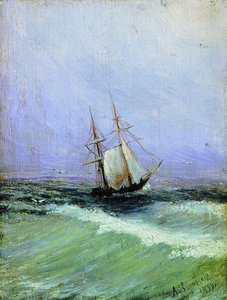
Visualizar em escala
 Enviar
 Compartilhar
 Ver detalhes
 Guia de Obras do Aluno

 Baixar imagem
 Semelhantes
 Raio X
 Apresentação de slides
 Estatísticas
A Nona Onda
 Óleo sobre tela
- Arte de Parede
- Romanticism
 1850
1850- Século XIX
 221.0 x 332.0 cm
 Ver mais
Giclée / Impressão de Arte
Impressão giclée ou em tela de qualidade de museu, com produção rápida e opções flexíveis de acabamento. ( Encomendar reprodução pintada à mão Ver Imagem Digital)




P118B €10

P118H €10

P118W €10

P438Z €10

P508JH €12

P508YH €12

P805H €10

P805Z €10

P919BZ €10

P919G €10

P919XJ €10

P959ZH €10

P968JZ €12

W106C €8

W218G €10

W218JH €8

W218Y €10

W307PJ €10

W316G €10

W316PJ €8

W316Y €10

W398PJ €8

W4111J €10

W500HY €15

W500JH €15

W692G €12

W849H €8

W940BG €15

W953PJ €8




Escolha entre os nossos tamanhos pré-definidos que respeitam as proporções originais da obra de arte.

Digite a largura e a altura de que necessita, para se ajustar à sua moldura ou à sua parede. Uma impressão só pode ser cortada, nunca ampliada além da imagem original, pelo que um tamanho com uma proporção diferente perderá parte da imagem. Enviamos-lhe uma maquete digital para aprovação antes de imprimirmos qualquer coisa. A imagem apresentada nesta página não mostra o corte real — apenas a maquete o faz.
Entrega mundial () em 2 semanas, em vez das 4/5 semanas padrão. (22 Outubro)

Envio expresso gratuito para todo o mundo

Tela de Linho Premium

Seguro de transporte total

Garantia de Reembolso de Impostos Alfandegários

Garantia de Fidelidade de Cor

Política de Devolução em 100 Dias (Apenas para Defeitos)

Garantia de reembolso de 100%

Desconto para múltiplas unidades
 A opção de vidro está disponível apenas para tamanhos inferiores a 110 cm

A Nona Onda
Giclée / Impressão de Arte
Dimensões da Reprodução
-


Preço Total
€ 70
A Tempestuous Embrace: Exploring Ivan Aivazovsky’s *The Ninth Wave*
Ivan Aivazovsky's *The Ninth Wave*, painted in 1850, isn’t merely a seascape; it’s an immersion into the raw, untamed heart of nature. This monumental work transcends simple representation, becoming a visceral experience of power and vulnerability. It captures a moment of desperate struggle against the elements – a small boat battling colossal waves under a sky ablaze with fury – and invites us to contemplate humanity's precarious position within the face of overwhelming natural forces. Aivazovsky’s genius lies in his ability to translate this feeling, not just through visual detail, but through an almost palpable sense of drama and impending doom.
The composition immediately commands attention. The horizon line is deliberately low, pulling our gaze upwards into a swirling vortex of turbulent water and a sky rendered in dramatic oranges, reds, and yellows. These fiery hues aren’t simply decorative; they amplify the feeling of chaos and danger, reflecting the heat radiating from the waves themselves. The boat, a tiny speck against this immensity, serves as a poignant symbol of human resilience – a desperate attempt to cling to survival amidst an unstoppable force. The careful layering of perspective creates depth, drawing us into the heart of the storm and emphasizing the sheer scale of the ocean’s power.
A Symphony of Color and Texture
Aivazovsky's masterful use of color is central to the painting’s impact. He employs a striking contrast between the deep blues, greens, and blacks of the water – suggesting both depth and an almost suffocating darkness – and the explosive warmth of the sky. This juxtaposition isn’t accidental; it mirrors the duality of nature: its beauty and its destructive potential. The thick, expressive brushstrokes are equally crucial. Aivazovsky doesn't simply paint the waves; he sculpts them with his brush, creating a sense of movement so intense that you can almost feel the spray on your face. The choppy surface of the water is rendered with meticulous detail, while the swirling clouds in the sky possess an incredible dynamism. This impasto technique adds a remarkable textural quality to the canvas, inviting us to reach out and touch the storm itself.
Romanticism’s Sublime Vision
*The Ninth Wave* is deeply rooted in the Romantic movement's fascination with emotion, drama, and the sublime – that feeling of awe and terror inspired by nature’s grandeur. Aivazovsky, a prolific artist who dedicated his life to capturing the sea, was celebrated for his ability to evoke these powerful emotions. The painting reflects the Romantic ideal of confronting humanity’s limitations in the face of overwhelming natural forces. Interestingly, the title itself – “The Ninth Wave” – refers to an old sailing expression describing a wave of extraordinary size that follows a succession of larger waves, adding another layer of symbolic meaning to the work.
Beyond its aesthetic qualities, *The Ninth Wave* carries a potent symbolism. The debris from the wrecked ship, resembling a cross, has been interpreted as a Christian metaphor for salvation – a fragile hope amidst devastation. Aivazovsky’s depiction of humanity's vulnerability against nature’s power serves as a timeless reminder of our place within the grand scheme of things. This painting is more than just a beautiful image; it’s a profound meditation on life, death, and the enduring force of the natural world.
Bringing *The Ninth Wave* to Your Space
OriginalUniqueArt offers meticulously crafted hand-painted reproductions of Ivan Aivazovsky's *The Ninth Wave*, allowing you to experience this masterpiece in stunning detail. Our skilled artisans faithfully recreate Aivazovsky’s technique and color palette, ensuring that your reproduction captures the painting’s original drama and emotional impact. Whether displayed as a statement piece in a grand salon or as a focal point in a more intimate setting, *The Ninth Wave* will undoubtedly become a captivating conversation starter – a testament to the enduring power of art and the sublime beauty of nature.
Perguntas e Respostas
Qual é a técnica e o tamanho do original de "A Nona Onda" de Ivan Aivazovsky?
"A Nona Onda" foi realizada em Óleo sobre tela e mede 221 x 332 cm em sua forma original.
"A Nona Onda" é uma obra famosa do Romanticism?
Dentro do movimento Romanticism, "A Nona Onda" possui um nível de popularidade Icônico.
"A Nona Onda" está disponível como uma impressão fine art?
Uma impressão de "A Nona Onda" de Ivan Aivazovsky pode ser encomendada diretamente na sua página de Impressão Fine Art: uma impressão fine art em tela de algodão ou papel canvas de arquivo.
Biografia do Artista
A Life Embraced by the Waves
Ivan Konstantinovich Aivazovsky, born Hovhannes Aivazian in 1817, was more than a painter of seascapes; he was a conduit to the ocean’s soul. His very existence seemed inextricably linked to the Black Sea—a vast, unpredictable expanse that would forever dominate his artistic vision and fuel an extraordinary career spanning nearly six decades. Born in the Crimean port city of Feodosia, Aivazovsky didn't merely observe the sea; he felt it – its raw energy, sublime beauty, and inherent danger becoming the very essence of his art. From a young age, this connection was nurtured, initially by local architect Jacob Koch who recognized the boy’s talent, then blossoming within the rigorous academic environment of the Imperial Academy of Arts in Saint Petersburg. Yet, formal training alone couldn't account for the depth of Aivazovsky’s understanding; it was the constant presence of salt-laced air and the cries of gulls that truly shaped his artistic sensibility. His Armenian heritage also played a significant role, as he was baptized at the St. Sargis Armenian Church in Feodosia and maintained strong cultural ties throughout his life, occasionally incorporating Armenian themes into his expansive body of work.The Early Years and Artistic Foundations
Aivazovsky’s early years were steeped in the maritime traditions of Feodosia, a bustling port city with deep roots in trade and seafaring. His family, of Armenian descent, had migrated from Western Armenia to Crimea centuries earlier, establishing themselves as merchants and artisans. This exposure to the sea—the ships, the sailors, the rhythms of coastal life—proved formative, shaping his artistic sensibilities long before he entered the formal training of the Imperial Academy of Arts in Saint Petersburg. There, he honed his skills under the tutelage of established masters, mastering techniques of perspective, composition, and color theory. However, Aivazovsky’s unique vision extended beyond traditional academic principles. He sought to capture not just the *appearance* of the sea, but its very *spirit*, its power, and its emotional resonance. This desire for authenticity led him to spend countless hours observing the Black Sea firsthand, sketching scenes from memory, and immersing himself in the sensory experience of the maritime world. His early works, often depicting coastal towns and harbors, demonstrated a remarkable ability to capture light and atmosphere—qualities that would become hallmarks of his mature style.The Italian Interlude: Refining the Vision
In the early 1840s, Aivazovsky embarked on a transformative journey to Italy, a period considered crucial in the development of his artistic voice. He spent several months exploring the landscapes and light of Venice, Florence, Naples, and Rome, absorbing the techniques of Italian masters such as Canaletto and Turner. This immersion in a new artistic environment broadened his horizons, allowing him to experiment with different color palettes, brushstrokes, and compositional approaches. The vibrant colors and dramatic lighting of the Italian landscape profoundly influenced his work, adding a richness and intensity that characterized many of his later seascapes. He began to incorporate elements of Romanticism into his paintings—a heightened sense of emotion, an emphasis on nature’s power, and a fascination with sublime landscapes. It was during this period that he developed his signature style: loose brushstrokes, vibrant colors, and a dynamic use of light and shadow to convey the movement and energy of the sea.Service to the Russian Navy and Artistic Recognition
Upon returning to Russia in 1844, Aivazovsky’s artistic talents quickly gained recognition. He was appointed as the main painter of the Russian Navy—a position that provided him with unparalleled access to naval life, ship battles, and firsthand observation of maritime activity. This appointment not only secured his financial stability but also profoundly influenced his work, leading to a series of powerful paintings depicting naval engagements, such as *The Battle of Navarino* (1846), a monumental depiction of the pivotal 1827 battle that effectively ended the Ottoman Empire’s dominance in the Eastern Mediterranean. His depictions were not merely historical records; they were imbued with a sense of drama, heroism, and the raw power of naval warfare. Aivazovsky's work became synonymous with Russian naval prowess, solidifying his reputation as one of Russia’s greatest artists. He continued to serve the Navy for decades, producing countless paintings that celebrated the nation’s maritime achievements.A Legacy of Seascapes: Style and Influence
Ivan Konstantinovich Aivazovsky's artistic legacy is primarily defined by his extraordinary seascapes—paintings that capture the essence of the ocean with unparalleled skill and emotional depth. His technique involved layering thin washes of paint to create luminous effects, capturing the shimmering play of light on the waves and seafoam. He was a master of atmospheric perspective, creating a sense of distance and depth through subtle variations in color and tone. Aivazovsky’s paintings are characterized by their dynamic compositions, vibrant colors, and evocative mood—a blend of realism and Romanticism that continues to captivate viewers today. His influence on subsequent generations of Russian landscape painters is undeniable, establishing a new standard for depicting the sea as both a powerful force of nature and a source of sublime beauty. Works like *The Ninth Wave* (1850), with its depiction of a devastating shipwreck, remain iconic examples of his artistic vision—a testament to his ability to convey both terror and awe through his art. His paintings are exhibited in museums worldwide, ensuring that the legacy of this remarkable artist will endure for generations to come.- Key Characteristics: Loose brushstrokes, vibrant colors, dynamic compositions, atmospheric perspective, evocative mood.
- Notable Works: *The Ninth Wave*, *Battle of Navarino*, *Seascape with Full Moon*.
- Historical Significance: Aivazovsky’s paintings helped to shape the image of Russia as a major naval power and influenced generations of Russian artists.

Ivan Aivazovsky
1817 - 1900 , Ucrânia
Informações Rápidas
- Artistic Movement Or Style: Romantismo, Arte Marinha
- Artists Or Movements Influenced By This Artist: Pintura Romântica Russa
- Artists Who Influenced This Artist: Pintura de paisagens russas
- Date Of Birth: 1817
- Date Of Death: 1900
- Full Name: Ivan Konstantinovich Aivazovsky
- Nationality: Russo-Armênio
- Notable Artworks:
- Oitava Onda
- Navio em Tempestade
- Paisagem com Lua Cheia
- Place Of Birth: Feodosia, Rússia
Artigos Relacionados
Ivan Aivazovsky: Mastering Light & Emotion in 19th-Century Marine Painting
Explore the captivating world of Ivan Aivazovsky, a master of 19th-century marine painting. Discover his techniques, iconic artworks & lasting legacy in this expert guide.

Romantic Realism's Finest: 10 Masterpieces for Your Home | OriginalUniqueArt
Explore 10 defining masterpieces of Romantic Realism! Discover Courbet, Millet & Daumier's powerful paintings—capturing emotion and social realities. Find museum-quality reproductions for your home at OriginalUniqueArt.com.
The Allure of the Horizon: A Comprehensive Exploration of Seascape Art Through History & Emotion
Explore the captivating world of seascape art! Discover its history, key artists & movements – from Dutch Masters to Impressionism. Expert insights for collectors and enthusiasts at OriginalUniqueArt.
The Azure Depths: Exploring Representations of the Ocean in Art History
Explore the rich history of ocean art! Discover Romantic seascapes, renowned artists like Aivazovsky & Harris, and expert guidance for collectors at OriginalUniqueArt.com.

Katsushika Hokusai: As 25 Obras-Primas que Definem um Mestre da Arte Japonesa
Descubra as 25 obras-primas de Katsushika Hokusai, o mestre do ukiyo-e! Explore a história por trás de 'A Grande Onda' e outras gravuras japonesas icônicas. Encontre reproduções de arte exclusivas para decorar sua casa com elegância em OriginalUniqueArt.com.