

 Visualizar na parede
 Compartilhar
 Compartilhar
 Detalhes
 Guia
Guia

 Baixar imagem
 Semelhantes
 Raio X
 Ver diaporama
 Estatísticas
Five hundred arhats
 Ink
Ink- WallArt
- Contemporary Realism
 1789
1789- Early Modern
 50.0 x 71.0 cm
 Galeria Nacional de Victoria
 Ler mais
Giclée / Impressão de Arte
Impressão giclée ou em tela de qualidade de museu, com produção rápida e opções flexíveis de acabamento. ( Comprar pintura feita à mão Alternar para Imagem Digital)




P118B €10

P118H €10

P118W €10

P438Z €10

P508JH €12

P508YH €12

P805H €10

P805Z €10

P919BZ €10

P919G €10

P919XJ €10

P959ZH €10

P968JZ €12

W106C €8

W218G €10

W218JH €8

W218Y €10

W307PJ €10

W316G €10

W316PJ €8

W316Y €10

W398PJ €8

W4111J €10

W500HY €15

W500JH €15

W692G €12

W849H €8

W940BG €15

W953PJ €8




Escolha entre os nossos tamanhos pré-definidos que respeitam as proporções originais da obra de arte.

Insira a largura e a altura desejadas para se ajustarem à sua moldura ou parede. Uma impressão pode ser apenas cortada, nunca ampliada além da imagem original; portanto, um tamanho com proporções diferentes resultará na perda de parte da imagem. Enviamos uma maquete digital para sua aprovação antes de realizarmos a impressão. A imagem exibida nesta página não mostra o corte real — apenas a maquete o faz.
Entrega mundial () em 2 semanas, em vez das 4/5 semanas padrão. (25 Outubro)

Envio expresso gratuito para todo o mundo

Tela de Linho de Alta Qualidade

Seguro de transporte completo

Garantia de Reembolso de Impostos Alfandegários

Garantia de Fidelidade Cromática

Política de Devolução em 100 Dias (Apenas para Defeitos)

Garantia de reembolso de 100%

Oferta de desconto por quantidade
 A opção de vidro está disponível apenas para tamanhos inferiores a 110 cm

Five hundred arhats
Giclée / Impressão de Arte
Tamanho da Reprodução
-


Preço Total
€ 70
A Vision of Zen Serenity: The Spiritual Landscape of Itō Jakuchū
In the quietude of the late 18th century, amidst the vibrant merchant culture of Kyoto, Itō Jakuchū breathed life into a masterpiece that transcends the boundaries of mere ink and silk. His 1789 work, “Five Hundred Arhats,” is not simply a depiction of religious figures; it is an immersive spiritual journey. As one gazes upon this monumental scroll, the viewer is transported to the serene gardens of Sekiho-ji Temple, where the boundaries between the physical world and the divine begin to dissolve. Jakuchū, born into a prosperous family of grocers, utilized his unique position—blending the practical observations of a merchant with the profound contemplations of Zen Buddhism—to create a visual narrative that captures the very essence of enlightenment.
The composition is a breathtaking feat of storytelling, where each arhat, or enlightened disciple, serves as a brushstroke in a larger tapestry of devotion. Through a masterful command of the ink wash technique, Jakuchū orchestrates a scene that feels both intimately detailed and vast in its spiritual scope. The painting invites the eye to wander through a meticulously recreated landscape, where trees, mountains, and architectural elements provide a grounded reality to the celestial assembly. This delicate balance between the tangible and the transcendent is what makes the piece so captivating for the modern observer; it offers a moment of stillness in an otherwise chaotic world.
Mastery of Technique and the Art of Observation
What sets Jakuchū apart from his contemporaries was his refusal to be bound by the rigid stylistic lineages of the Edo period. While he was trained in the Chinese realist style, he possessed an experimental spirit that allowed him to infuse his work with a startling vitality. In “Five Hundred Arhats,” this is evident in the way light and shadow are suggested through subtle gradations of ink, creating a sense of depth and atmosphere that feels remarkably modern. The artist’s ability to render the textures of silk, stone, and foliage with such precision demonstrates a profound engagement with the natural world—a hallmark of his unique artistic voice.
For the collector or interior designer, this piece offers more than just aesthetic beauty; it provides a focal point of profound emotional resonance. The painting’s ability to evoke Zen serenity makes it an ideal centerpiece for spaces dedicated to reflection, study, or sophisticated relaxation. Whether displayed in a contemporary gallery setting or integrated into a classic, curated interior, the "Five Hundred Arhats" brings with it an aura of historical weight and meditative peace. To possess a high-quality reproduction of this work is to invite the timeless wisdom of the Edo period into one's personal environment, fostering a connection to the enduring pursuit of spiritual clarity.
Perguntas e Respostas
Como "Five hundred arhats", de Ito Jakuchu pode ser utilizado na decoração de interiores?
"Five hundred arhats" é sugerida para Accent, e o espaço recomendado é um(a) Living Room.
Qual técnica foi utilizada para "Five hundred arhats" e quando a obra foi criada?
"Five hundred arhats" foi realizada em 1789, em Ink.
Qual é a atmosfera de "Five hundred arhats"?
A atmosfera geral de "Five hundred arhats", de Ito Jakuchu é Serene. O clima descreve a sensação predominante da obra.
Biografia do Artista
A Singular Vision Amidst Tradition: The Life and Art of Ito Jakuchu
Ito Jakuchu (1716 – 1800) stands as one of Japan’s most distinctive artistic figures, a painter who defied convention while simultaneously embracing the profound spirit of his era. Unlike many of his contemporaries who adhered to established lineages within the Kano school—a dominant force in Edo period art—Jakuchu forged an independent path, marked by meticulous observation and a daring willingness to challenge accepted aesthetic norms. His legacy resides not merely in his technical prowess but in his singular vision: a refusal to depict human figures alongside a deep reverence for the natural world, particularly birds and flowers, which became central to his oeuvre.- Early Life and Family Background
- Zen Influence and Artistic Training
- Style and Technique: The Pursuit of Detail
- Notable Works and Recognition
- Jakuchu's Enduring Legacy
Early Life and Family Background
Ito Jakuchu was born in Kyoto’s Nishiki market district, a vibrant hub of commerce and culture—a location that would profoundly shape his artistic sensibility. His father, Ito Genzaemon, operated Masuya, a sizable wholesaler specializing in vegetables, providing young Jakuchu with a comfortable upbringing rooted in the practical realities of Edo society. This familial environment instilled in him an awareness of societal shifts and the growing influence of Kyoto’s merchant class—a perspective that subtly permeated his artistic explorations. While expected to inherit the family business, Jakuchu possessed an innate passion for painting—a fascination nurtured from childhood by a father who recognized and encouraged his talent.Zen Influence and Artistic Training
Jakuchu’s artistic journey took an unexpected turn when he embraced Zen Buddhism at Kyoto’s Shokoku-ji temple. This formative experience instilled in him a contemplative mindset—a detachment from worldly concerns—and profoundly impacted his artistic approach. He studied under Ōoka Shunboku, a Kano school artist renowned for his bird and flower paintings, absorbing centuries of artistic tradition while simultaneously cultivating his own distinctive style. Notably, Jakuchu received permission to study classic Chinese paintings within the temple’s collection, furthering his understanding of artistic principles beyond Japanese conventions.Style and Technique: The Pursuit of Detail
Jakuchu's artistic style distinguishes itself through meticulous realism combined with a playful disregard for established norms. He achieved remarkable precision in capturing the essence of nature—particularly birds—employing techniques that would become synonymous with his legacy. His paintings are characterized by vibrant colors, dynamic compositions, and an unwavering focus on detail—a hallmark evident in works like “Rooster In The Snow,” where he painstakingly rendered individual feathers to convey a sense of palpable vitality. Unlike many artists of his time who prioritized idealized representations, Jakuchu sought to depict subjects as they appeared in reality, elevating observation and meticulous rendering to the highest artistic standards.Notable Works and Recognition
Among Jakuchu’s most celebrated creations are “Five Hundred Arhats,” a monumental undertaking demonstrating his extraordinary skill and dedication—a testament to his unwavering commitment to artistic excellence. Also noteworthy is “Hanshan and Shide,” which captures the spirit of Japanese folklore with remarkable sensitivity. His masterful polychrome renderings— *doshoku sai-e* —are particularly admired, showcasing an unparalleled attention to detail and a palette that defied prevailing stylistic trends. Despite remaining relatively unknown during his lifetime, Jakuchu’s work gained posthumous recognition thanks to the scholarship of Nobuo Tsuji, who championed him as a pivotal figure within the “Lineage of Eccentrics”—a movement that revolutionized perceptions of Edo period painting.Jakuchu's Enduring Legacy
Ito Jakuchu’s influence extends far beyond his own lifetime. His willingness to challenge artistic conventions paved the way for subsequent generations of artists—most notably Hakuin Ekaku and Suzuki Kiitsu—who embraced the “Lineage of Eccentrics” aesthetic. Today, Jakuchu is revered not only for his technical mastery but also for his singular vision—a testament to an artist who dared to forge his own path and capture the spirit of his time with unparalleled originality. His legacy continues to inspire artists and scholars alike, cementing his place as one of Japan’s most enduring cultural icons.
Ito Jakuchu
1716 - 1800 , Japão
Dados Rápidos
- Artistic Movement Or Style: Pintura tradicional japonesa
- Artists Or Movements Influenced By This Artist: ['Kano School']
- Artists Who Influenced This Artist: ['Ōoka Shunboku']
- Date Of Birth: March 2, 1716
- Date Of Death: October 27, 1800
- Full Name: Ito Jakuchū
- Nationality: Japonês
- Notable Artworks:
- Imagens do Reino Multicolorido das Criaturas Viventes
- Elefante
- Place Of Birth: Kyoto, Japan
Artigos Relacionados
Zen on Canvas: The Timeless Artistry and Spiritual Depth of Japanese Landscape Painting
Explore the profound beauty of Japanese landscape painting. From Hokusai's iconic vistas to Zen-inspired compositions, discover the spiritual depth and historical mastery of Ukiyo-e art in this expert cultural retrospective.
Cultivating Paradise: A Historical & Artistic Exploration of Gardens in Painting
Explore the rich history of gardens in painting! Discover masterpieces from Renaissance to Impressionism & beyond. Learn about symbolism, artists like Monet & Klimt, and find your perfect artwork at OriginalUniqueArt.
Nature’s Masterpieces: The Timeless Elegance of Gardens and Parks in Fine Art
Embark on a visual journey through the serene beauty of gardens and parks in fine art. Discover how master artists capture nature's tranquility through impressionistic blooms and classical landscapes to bring timeless elegance into your home collection.
Zen & Elegance: How Japanese Artistry Transformed Global Masterpieces
Explore the profound influence of Japanese artistry on global masterpieces. From Ukiyo-e prints to Zen aesthetics, discover how Eastern elegance transformed Western art history in this deep cultural reflection for fine art enthusiasts and collectors.
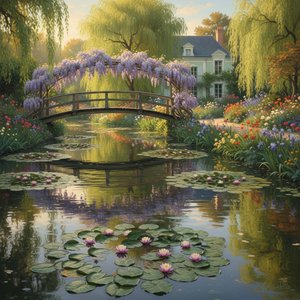
Capturing Giverny: The Enchanting Impressionist Magic of Monet's Gardens
Embark on a visual journey through Claude Monet's Giverny. Discover the enchanting light, vibrant colors, and breathtaking landscapes of his legendary gardens through an expert exploration of Impressionist mastery and timeless beauty.
