
 Visualizar em escala
 Enviar
 Compartilhar
 Ver detalhes

 Baixar
 Semelhantes
 Raio X
 Apresentação de slides
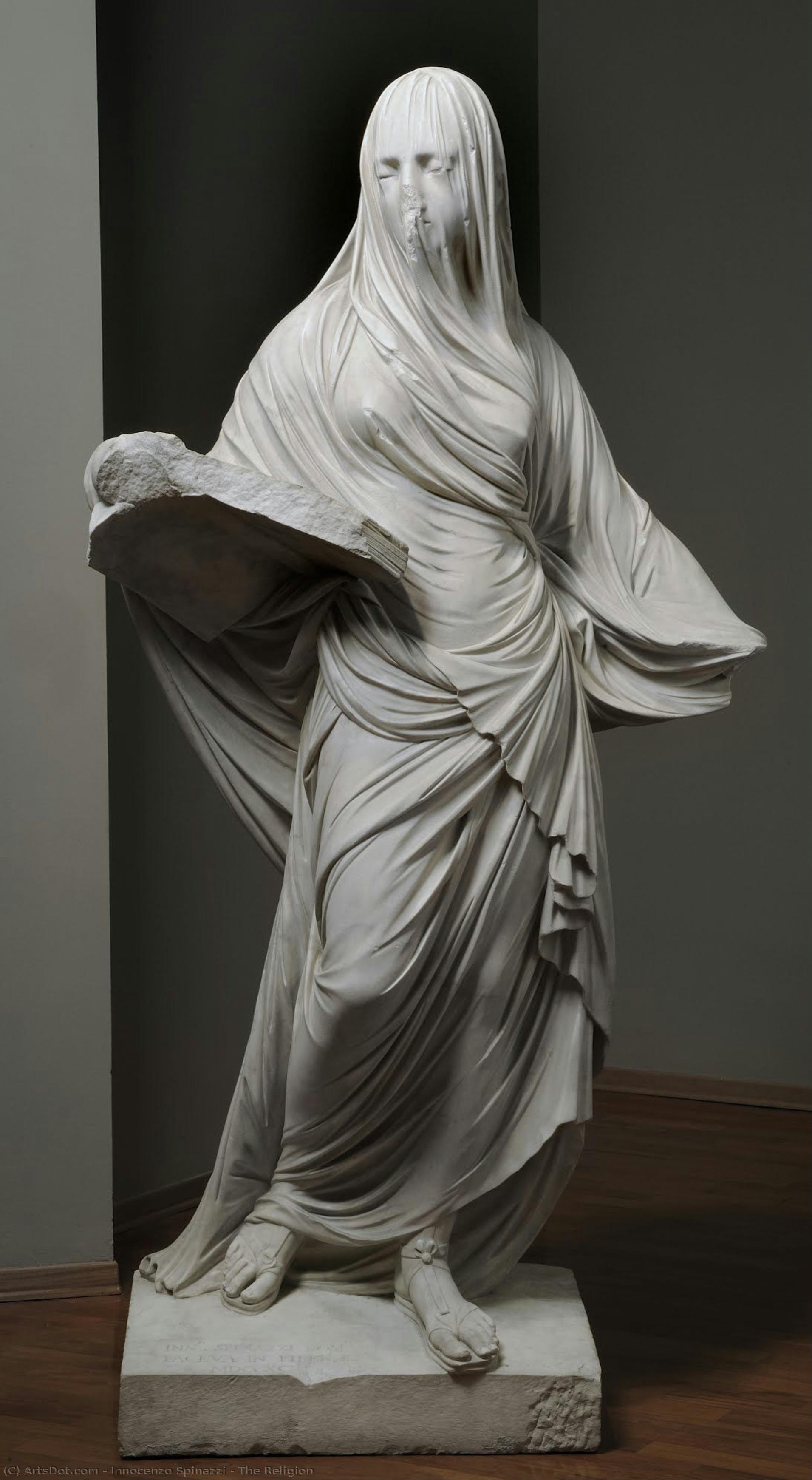
The Religion
 Neoclassicism
 115.0 x 215.0 cm
 Galleria Civica di Arte Moderna e Contemporanea Torino
 Ver mais
Reprodução em Óleo Feita à Mão
Óleo sobre tela pintado à mão no seu tamanho e moldura, feito sob encomenda pelos nossos artistas. ( Encomendar impressão Comprar imagem em alta resolução)




































Escolha entre os nossos tamanhos pré-definidos que respeitam as proporções originais da obra de arte.

Pode inserir as suas próprias dimensões para se adequar a uma moldura ou espaço específico. Se o tamanho selecionado não corresponder às proporções da imagem original, iremos cortar a obra de arte ou estender a pintura com elementos adicionais pintados à mão. Um esboço digital será enviado para sua aprovação antes do início da produção.
Tenha em atenção que a pré-visualização no ecrã não reflete o corte ou extensão real. Apenas o esboço mostrará com precisão a composição final.
Embora tamanhos personalizados estejam disponíveis, recomendamos selecionar uma dimensão da lista predefinida para preservar as proporções originais.
Após o pedido, a equipa OriginalUniqueArt.com enviará um e-mail ao cliente para solicitar instruções e fornecer uma prévia do esboço.
Entrega mundial () em 3 a 4 semanas, em vez das 5 semanas padrão. (17 Agosto). Sem comprometer a qualidade.

Envio Expresso Gratuito para todo o Mundo

Tela de Linho Premium

Seguro de transporte total

Garantia de Reembolso de Impostos Alfandegários

Garantia de Fidelidade de Cor

Política de Devolução de 60 Dias (Apenas para Defeitos)

Garantia de reembolso de 100%

Desconto para múltiplas unidades
 A opção de vidro está disponível apenas para tamanhos inferiores a 110 cm

The Religion
Técnica de Reprodução
Dimensões da Reprodução
-


Preço Total
$ 300
Descrição da Obra
Biografia do Artista
Innocenzo Spinazzi: Florentine Rococo and the Legacy of Antiquity
Innocenzo Spinazzi (1726–1798) stands as a towering figure in Florentine Baroque sculpture, embodying the artistic fervor of Enlightenment Italy while simultaneously honoring the traditions of classical antiquity. Born into a family of silversmiths in Rome, Spinazzi’s formative years instilled within him an appreciation for meticulous craftsmanship and refined aesthetics—qualities that would define his entire oeuvre. His training under Giovanni Battista Maini provided him with foundational knowledge of sculptural technique and artistic theory, setting the stage for his remarkable ascent to prominence as Florence's foremost sculptor.- Early Career in Rome: Spinazzi’s initial success stemmed from his monumental statue of St Joseph Calasanctius (1755) commissioned for the nave of St Peter’s Basilica, a project that showcased his mastery of marble carving and demonstrated an understanding of Baroque grandeur. This commission solidified his reputation as a sculptor capable of tackling ambitious undertakings and conveying profound spiritual themes.
- Arrival in Florence & Court Patronage: Recognizing the artistic dynamism of Florence under Leopold II, Spinazzi relocated to the city in 1769, swiftly securing the prestigious position of official court sculptor—a role that afforded him unparalleled access to influential patrons and fueled his creative output.
- Monumental Sculpture: Spinazzi's most celebrated works are undoubtedly his sculptures for Santa Croce—particularly the monumental figures representing jurist Giovanni Lami, Angelo Tavanti and Niccolò Machiavelli. These sculptures embody the humanist spirit of the Enlightenment, reflecting a fascination with classical ideals of beauty and proportion.
- Religious Sculpture: Spinazzi’s artistic vision found its fullest expression in his religious commissions, notably *Faith* (1781) and *Religion* (from the tomb of Varvara Jakovlevna), which drew inspiration from Antonio Corradini's Neapolitan sculptures—a testament to his engagement with contemporary artistic trends.

Innocenzo Spinazzi
1726 - 1798 , Italy
Informações Rápidas
- Artistic Movement Or Style: Rococo
- Artists Or Movements Influenced By This Artist: ['Antonio Corradini']
- Artists Who Influenced This Artist:
- Giovanni Battista Maini
- Gian Lorenzo Bernini
- Date Of Birth: Rome, Italy (1726)
- Date Of Death: Florence, Italy (1798)
- Full Name: Innocenzo Spinazzi
- Nationality: Italian
- Notable Artworks:
- Faith
- The Religion
- Place Of Birth: Rome
Artigos Relacionados

The Enduring Allure of Marble in Art History: From Classical Sculpture to Modern Abstraction
Explore the captivating history of marble sculpture from ancient Greece to modern art. Discover renowned artists like Canova & Michelangelo, carving techniques, and investment insights at OriginalUniqueArt.

Esculturas em Bronze Icônicas: 10 Obras que Revolucionaram a Arte | OriginalUniqueArt
Descubra as 10 esculturas em bronze mais icônicas da história! Explore a arte de Rodin, Michelangelo e outros mestres. Encontre reproduções de alta qualidade para sua casa em OriginalUniqueArt.com.

Timeless Elegance: A Complete Guide to the Sublime Beauty and Artistry of Marble Sculpture
Discover the sublime beauty of marble art through an expert exploration of Renaissance and Neoclassical masterpieces. From the delicate textures of Carpeaux to the grandeur of Sansovino, immerse yourself in a guide to timeless elegance and sculptural perfection.

The Enduring Form: Exploring Themes & Techniques in Sculpture Across Historical Periods
Explore the rich history of sculpture from ancient masterpieces to contemporary innovations. Discover key techniques, influential artists & investment potential for discerning art collectors.
The Enduring Form: Sculpture Across History, Technique & Emotional Resonance
Explore the rich history of sculpture with OriginalUniqueArt. Discover key techniques, influential artists & investment potential for discerning collectors. Expert insights into valuing and collecting timeless masterpieces.

