
 Visualizar em escala
 Enviar
 Compartilhar
 Ver detalhes

 Baixar
 Semelhantes
 Raio X
 Apresentação de slides
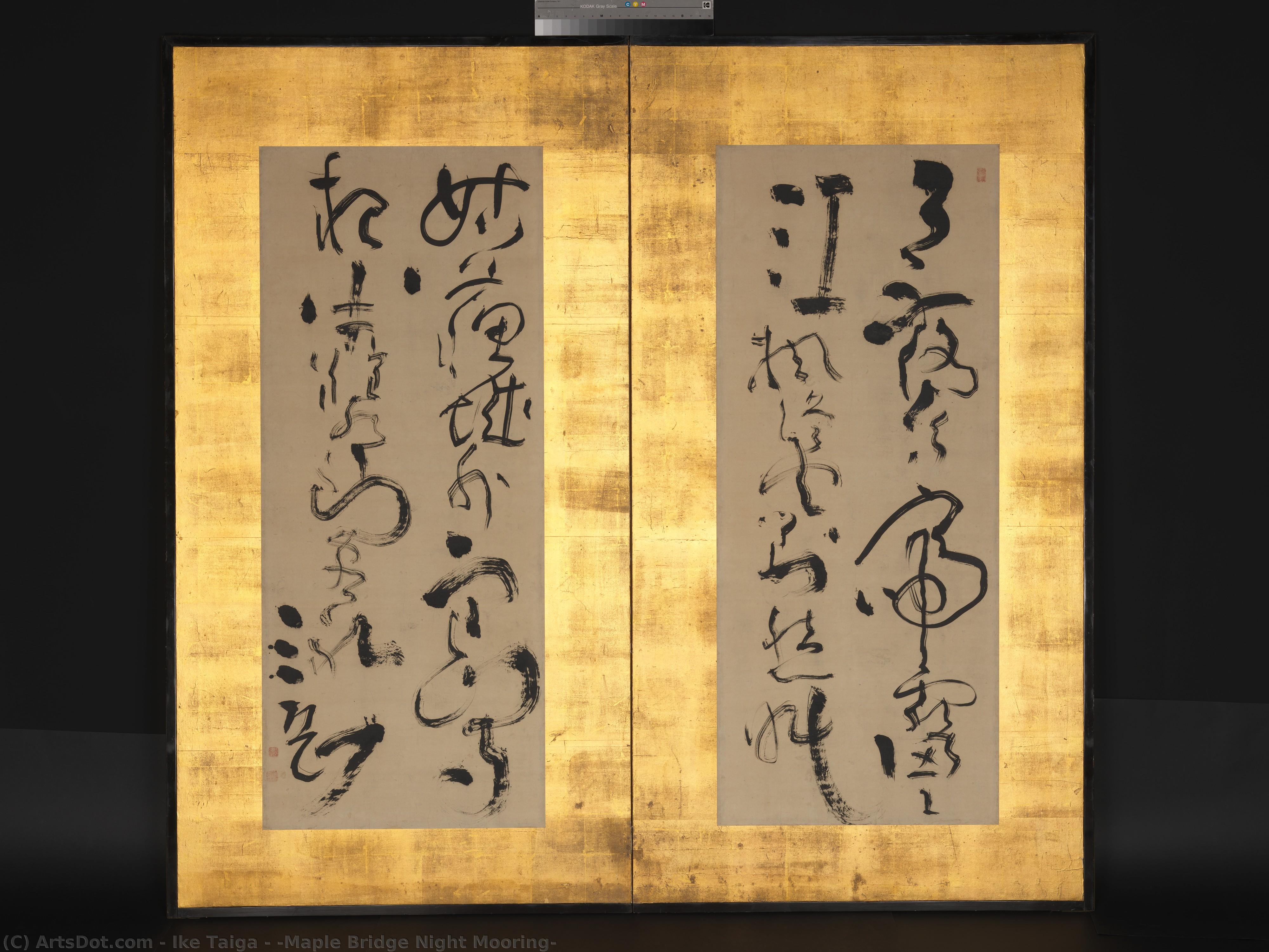
"Maple Bridge Night Mooring"
 1770
1770 135.0 x 56.0 cm
 Ver mais
Giclée / Impressão de Arte
Impressão giclée ou em tela de qualidade de museu, com produção rápida e opções flexíveis de acabamento. ( Alternar para pintura feita à mão Baixar imagem em alta resolução)




































Escolha entre os nossos tamanhos pré-definidos que respeitam as proporções originais da obra de arte.

Você pode inserir suas próprias dimensões para se ajustar a uma moldura ou espaço específico. Se o tamanho selecionado não corresponder às proporções da imagem original, iremos recortar a obra de arte ou estender a imagem com uma borda espelhada ou preenchimento sólido. Um mockup digital será enviado para sua aprovação antes do início da produção.
Por favor, observe que a visualização na tela não reflete o recorte ou a extensão real. Apenas o mockup mostrará com precisão a composição final.
Embora tamanhos personalizados estejam disponíveis, recomendamos selecionar uma dimensão da lista predefinida para preservar as proporções originais.
Entrega mundial () em 2 semanas, em vez das 4/5 semanas padrão. (11 Agosto)

Envio Expresso Gratuito para todo o Mundo

Tela de Linho Premium

Seguro de transporte total

Garantia de Reembolso de Impostos Alfandegários

Garantia de Fidelidade de Cor

Política de Devolução de 60 Dias (Apenas para Defeitos)

Garantia de reembolso de 100%

Desconto para múltiplas unidades
 A opção de vidro está disponível apenas para tamanhos inferiores a 110 cm

"Maple Bridge Night Mooring"
Giclée / Impressão de Arte
Dimensões da Reprodução
-


Preço Total
$ 80
Descrição do Item
Biografia do Artista
Ike no Taiga: Bridging Tradition and Innovation in Edo Period Landscape Painting
Ike no Taiga (1723-1776) stands as a monumental figure within the *bunjinga* tradition—a uniquely Japanese form of literati painting that flourished during the Edo period. More than just an artist, he embodied the spirit of his time, skillfully blending classical Chinese aesthetics with groundbreaking experimental techniques to produce works that continue to resonate with collectors and scholars alike. His life story itself is a testament to perseverance and intellectual curiosity, shaping him into one of the most influential painters of his era. Born into humble circumstances—his father a farmer on the outskirts of Kyoto—Taiga’s early life was marked by hardship. The family moved to Kyoto shortly before his birth, seeking refuge from famine conditions, and his father's employment at the silver mint afforded them modest financial stability. Tragically, he passed away when Taiga was just three years old, leaving his widowed mother to raise him with unwavering devotion. Remarkably, she prioritized his education, securing tutors who instilled in him a profound understanding of both Japanese and Chinese disciplines—a foundation that would prove crucial to his artistic development. By the age of six, he began formal training at Manpuku-ji Zen Temple, fostering connections that would endure throughout his life, grounding him in Buddhist philosophy and shaping his contemplative approach to artmaking. Taiga’s artistic journey commenced professionally at fourteen, establishing a fan painting workshop where he honed his craft alongside fellow artists and collectors. A pivotal encounter with Yanagisawa Kien—a prominent social and artistic patron—introduced him to the vibrant *bunjinga* circle of Kyoto, propelling him toward collaborations that would solidify his reputation as a leading figure in Japanese art. Notably, Taiga’s formative influence stemmed from Yi Fujiu (j: i fukyū), a Chinese painter specializing in landscape depictions who taught Taiga innovative painting methods—documented extensively in *Yi Fujiu Ike no Taiga Sansui Gafu* (1803). This manual became the cornerstone of Taiga's artistic style, reflecting the pervasive impact of Chinese art on Edo period aesthetics.- Key Characteristics: Taiga’s paintings are characterized by a masterful fusion of meticulous observation and expressive brushwork. He meticulously rendered landscapes—often featuring mountains, rivers, and trees—capturing subtle nuances of light and atmosphere with remarkable precision.
- Technique: Unlike many of his contemporaries who adhered strictly to established conventions, Taiga experimented with techniques that pushed the boundaries of *bunjinga*. He employed “finger painting”—a method where pigment is applied directly onto paper using fingertips—creating textured surfaces and conveying a sense of immediacy and spontaneity.
- Notable Works: Among his celebrated compositions are "Landscape with Tower," "Fishing Boat on Reed Covered Bank and Calligraphy," and “Finger Painting of a Landscape,” each exemplifying Taiga’s distinctive style and demonstrating his ability to capture the essence of nature in evocative imagery.

Ike Taiga
1723 - 1776
Informações Rápidas
- Artistic Movement Or Style: *Bunjinga* (Literati Painting)
- Artists Or Movements Influenced By This Artist: Yanagisawa Kien
- Artists Who Influenced This Artist: Yi Fujiu
- Date Of Birth: 1723
- Date Of Death: 1776
- Full Name: Ike no Taiga
- Nationality: Japanese
- Notable Artworks:
- Landscape with Tower
- Finger Painting of a Landscape
- Fishing Boat on Reed Covered Bank and Calligraphy
- Place Of Birth: Kyoto, Japan

