

 Visualizar em escala
 Enviar
 Compartilhar
 Ver detalhes

 Baixar
 Semelhantes
 Raio X
 Apresentação de slides
Samovar
 Oil On Canvas
- WallArt
- Post-Impressionism
 1905
1905- Modern
 80.0 x 80.0 cm
 Ver mais
Giclée / Impressão de Arte
Impressão giclée ou em tela de qualidade de museu, com produção rápida e opções flexíveis de acabamento. ( Encomendar reprodução pintada à mão Comprar imagem em alta resolução)




P118B $10

P118H $10

P118W $10

P438Z $10

P508JH $12

P508YH $12

P805H $10

P805Z $10

P919BZ $10

P919G $10

P919XJ $10

P959ZH $10

P968JZ $12

W106C $8

W218G $10

W218JH $8

W218Y $10

W307PJ $10

W316G $10

W316PJ $8

W316Y $10

W398PJ $8

W4111J $10

W500HY $15

W500JH $15

W692G $12

W849H $8

W940BG $15

W953PJ $8




Escolha entre os nossos tamanhos pré-definidos que respeitam as proporções originais da obra de arte.

Você pode inserir suas próprias dimensões para se ajustar a uma moldura ou espaço específico. Se o tamanho selecionado não corresponder às proporções da imagem original, iremos recortar a obra de arte ou estender a imagem com uma borda espelhada ou preenchimento sólido. Um mockup digital será enviado para sua aprovação antes do início da produção.
Por favor, observe que a visualização na tela não reflete o recorte ou a extensão real. Apenas o mockup mostrará com precisão a composição final.
Embora tamanhos personalizados estejam disponíveis, recomendamos selecionar uma dimensão da lista predefinida para preservar as proporções originais.
Entrega mundial () em 2 semanas, em vez das 4/5 semanas padrão. (21 Agosto)

Envio Expresso Gratuito para todo o Mundo

Tela de Linho Premium

Seguro de transporte total

Garantia de Reembolso de Impostos Alfandegários

Garantia de Fidelidade de Cor

Política de Devolução de 60 Dias (Apenas para Defeitos)

Garantia de reembolso de 100%

Desconto para múltiplas unidades
 A opção de vidro está disponível apenas para tamanhos inferiores a 110 cm

Samovar
Giclée / Impressão de Arte
Dimensões da Reprodução
-


Preço Total
$ 80
Descrição do Item
A Moment Frozen in Light: The Soul of Samovar
In the quiet corners of art history, few works capture the essence of domestic intimacy as tenderly as Igor Emmanuilovich Grabar’s Samovar. Painted in 1905, this exquisite oil on canvas serves as a window into a bygone era of warmth and communal connection. The scene unfolds within a cozy dining area, where a woman sits poised at a table, her presence anchored by the iconic silhouette of a samovar. As she holds a small piece of bread, there is a profound sense of stillness, as if the world outside has ceased to exist, leaving only the soft glow of the meal and the quiet companionship of the moment. For collectors and interior designers alike, this piece offers more than just decoration; it provides an emotional anchor, inviting a sense of peace and nostalgia into any curated space.
The technical mastery displayed in Samovar is a testament to Grabar’s unique position within the Post-Impressionist movement. Having studied under the legendary Ilya Repin in Saint Petersburg and Anton Ažbe in Munich, Grabar synthesized classical training with the avant-garde experimentation of his time. He employs a sophisticated divisionist technique—a method bordering on pointillism—where small, distinct strokes of color are applied to the canvas to create a shimmering, vibrant texture. This approach allows light to dance across the surface, illuminating the wine glasses and the metallic sheen of the samovar with an almost rhythmic energy. The result is a painting that feels alive, breathing with a soft, luminous vitality that draws the viewer into its warm embrace.
Beyond its technical brilliance, the painting is a masterclass in atmosphere and symbolism. The arrangement of objects—the scattered wine glasses, the solitary cup, and the bread—suggests a narrative of shared life and the beauty found in everyday rituals. Grabar uses a palette of warm tones to evoke a sense of comfort and safety, making the artwork an ideal centerpiece for rooms designed for relaxation and conversation. To possess a reproduction of this work is to bring a piece of Russian Post-Impressionist history into the modern home, offering a timeless elegance that complements both classical and contemporary interiors. It is a celebration of the quiet, beautiful fragments of life that define our most cherished memories.
Biografia do Artista
Early Life and Education
Igor Emmanuilovich Grabar (1871 – 1960) was a Russian Post-Impressionist painter, publisher, restorer and historian of art. Grabar, descendant of a wealthy Rusyn family, was trained as a painter by Ilya Repin in Saint Petersburg and by Anton Àžbe in Munich. He reached his peak in painting between 1903–1907 and was notable for a peculiar divisionist painting technique bordering on pointillism and his rendition of snow. His family’s strong inclination towards the Russian culture stemmed from his father, Emmanuil Hrabar, an ethnic Rusyn lawyer and politician who maintained ties with the russian embassy. Grabar's early education took place in Yegoryevsk, where he attended high school. His interest in drawing was sparked by the stream of magazine publications following the 1881 murder of Alexander II of Russia. He later enrolled in Mikhail Katkov’s boarding school in Moscow, making contacts with students from the Moscow School of Painting, Sculpture and Architecture.Artistic Career and Notable Works
Grabar trained under Ilya Repin in Saint Petersburg and Anton Àžbe in Munich. He reached his peak in painting between 1903–1907, notable for a peculiar divisionist technique bordering on pointillism and his rendition of snow. Some of his notable works include:- Landscape with a Haystack, showcasing his skill in capturing the beauty of nature.
- The Embroideress, a prime example of the realist style popular in Russia during the 19th century.
- Going to Work, a painting that reflects the daily life of the Russian people.
Museum and Art Restoration
In 1913, Grabar was appointed executive director of the Tretyakov Gallery in Moscow. He diversified the collection into modern art and published its first comprehensive catalogue in 1917. As a professor of art restoration at the Moscow State University (1921), he played a crucial role in the Soviet art establishment. Notable Museums Featuring Grabar’s Work:- Tretyakov Gallery, Moscow, a world-renowned museum with an extensive collection of Russian fine art.
- Novokuznetsk Art Museum, Russia, housing an impressive collection of russian and european artworks.
- Museo Kharkov Museum of Art (Ukraine), featuring a vast collection of opere d’arte from the 14th century.
Legacy and Later Life
Grabar remained at the top of the Soviet art establishment until his death on May 16, 1960. He managed art-restoration workshops (present-day Grabar Centre) during 1918–1930 and from 1944 to 1960. His experience in politics helped him shape the Soviet doctrine of compensating World War II losses with art looted in Germany. After the war, he personally advised Joseph Stalin on the preservation of architectural heritage. He is no relation to either André Grabar or Oleg Grabar.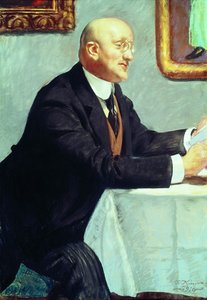
igor emmanuilovich grabar
1871 - 1960 , Hungria
Informações Rápidas
- Artistic Movement Or Style: Post-Impressionism
- Artists Who Influenced This Artist:
- Ilya Repin
- Anton Àžbe
- Date Of Birth: March 25, 1871
- Date Of Death: May 16, 1960
- Full Name: Igor Emmanuilovich Grabar
- Nationality: Russian
- Notable Artworks:
- Landscape with a haystack
- The Embroideress
- Going to work
- Place Of Birth: Budapest, Hungary
Artigos Relacionados
As 10 Pinturas Mais Famosas em Tons de Areia: Uma Elegância Atemporal para sua Casa
Descubra as 10 pinturas mais icônicas em tons de areia, de Monet a Van Gogh! Explore a história, técnica e beleza atemporal destas obras-primas. Encontre reproduções de alta qualidade para decorar sua casa com arte clássica em OriginalUniqueArt.com.

Os 10 Mestres do Pós-Impressionismo: Obras que Transformaram a Arte e Decoram o Lar
Descubra os 10 quadros pós-impressionistas que revolucionaram a arte! Explore Van Gogh, Monet e Cézanne. Encontre reproduções de alta qualidade para decorar sua casa com obras atemporais em OriginalUniqueArt.com.
As 10 Pinturas Mais Famosas em Tons de Cogumelo: Arte e Decoração
Descubra as 10 pinturas mais famosas em tons de cogumelo, explorando a história e o significado por trás de obras-primas de Van Gogh, Monet e outros artistas renomados. Encontre reproduções de arte exclusivas para decorar sua casa com elegância. Explore a coleção completa na OriginalUniqueArt.com!

Além da Luz e Cor: Impressionismo vs. Pós-Impressionismo para o Colecionador Exigente
Descubra as nuances entre Impressionismo e Pós-Impressionismo! Guia completo para colecionadores exigentes, com artistas, história e dicas de investimento. Explore o legado da arte moderna.
Beyond Impressionism: Exploring the Emotional Depth of Post-Impressionist Painting
Explore the profound emotional depth & innovative techniques of Post-Impressionism with OriginalUniqueArt. Discover Cézanne, Van Gogh, Gauguin & more – and their lasting impact on modern art.

