
 Visualizar na parede
 Compartilhar
 Compartilhar
 Detalhes
 Guia
Guia

 Baixar imagem
 Semelhantes
 Raio X
 Ver diaporama
 Perguntas e Respostas
 Estatísticas
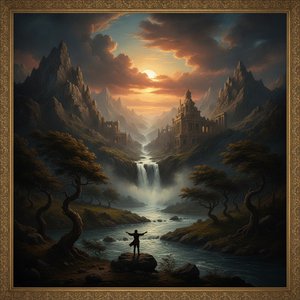
River Crossing

- 63.0 x 84.0 cm


 Ler mais
Giclée / Impressão de Arte
Impressão giclée ou em tela de qualidade de museu, com produção rápida e opções flexíveis de acabamento. ( Comprar pintura feita à mão Alternar para Imagem Digital)




P118B €10

P118H €10

P118W €10

P438Z €10

P508JH €12

P508YH €12

P805H €10

P805Z €10

P919BZ €10

P919G €10

P919XJ €10

P959ZH €10

P968JZ €12

W106C €8

W218G €10

W218JH €8

W218Y €10

W307PJ €10

W316G €10

W316PJ €8

W316Y €10

W398PJ €8

W4111J €10

W500HY €15

W500JH €15

W692G €12

W849H €8

W940BG €15

W953PJ €8




Escolha entre os nossos tamanhos pré-definidos que respeitam as proporções originais da obra de arte.

Insira a largura e a altura desejadas para se ajustarem à sua moldura ou parede. Uma impressão pode ser apenas cortada, nunca ampliada além da imagem original; portanto, um tamanho com proporções diferentes resultará na perda de parte da imagem. Enviamos uma maquete digital para sua aprovação antes de realizarmos a impressão. A imagem exibida nesta página não mostra o corte real — apenas a maquete o faz.
Entrega mundial () em 2 semanas, em vez das 4/5 semanas padrão. (10 Novembro)

Envio expresso gratuito para todo o mundo

Tela de Linho de Alta Qualidade

Seguro de transporte completo

Garantia de Reembolso de Impostos Alfandegários

Garantia de Fidelidade Cromática

Política de Devolução em 100 Dias (Apenas para Defeitos)

Garantia de reembolso de 100%

Oferta de desconto por quantidade
 A opção de vidro está disponível apenas para tamanhos inferiores a 110 cm

River Crossing
Giclée / Impressão de Arte
Tamanho da Reprodução
-


Preço Total
€ 73
A Singular Vision: Ignacio de Iriarte and His Landscape Masterpieces
Ignacio de Iriarte (1620-1685), a name often overshadowed by the luminaries of his time – Murillo, Zurbarán – nonetheless occupies a crucial position in Spanish Baroque art. Unlike many artists preoccupied with religious commissions or portraiture, Iriarte dedicated himself almost entirely to capturing the untamed grandeur of the Iberian Peninsula’s rural vistas. This unwavering focus resulted in a distinctive artistic style that distinguishes him from his contemporaries and secures his place as “the Spanish Claude Lorraine,” a moniker reflecting his profound admiration for the French landscape painter whose work championed natural beauty and atmospheric perspective.
- Early Influences: Iriarte’s formative years were spent in Azcoitia, Gipuzcoa, where he received a grounding in humanist scholarship alongside artistic training. His apprenticeship with Francisco Herrera the Elder instilled him with foundational principles of disegno – Italian Renaissance drawing techniques – emphasizing careful observation and anatomical accuracy.
- Seville and Artistic Evolution: Moving to Seville in 1642 marked a pivotal moment, propelling Iriarte into the vibrant artistic milieu of the city. Here, he honed his skills further, experimenting with chiaroscuro—the dramatic interplay of light and shadow—a technique perfected by Caravaggio and embraced wholeheartedly by Iriarte.
The Style of Wildness: Defining Iriarte’s Artistic Language
What truly sets Iriarte apart is his stylistic approach. He eschewed the idealized landscapes favored by many artists, opting instead for depictions that convey a palpable sense of ruggedness and immediacy. His canvases pulsate with energy, capturing fleeting moments of weather – storms brewing over distant mountains, sunlit meadows dotted with wildflowers – with breathtaking realism. Unlike Caravaggio’s theatrical lighting, Iriarte employed softer illumination to sculpt the contours of his subjects, creating an atmosphere that is both dramatic and contemplative.
- Atmospheric Perspective: A hallmark of Iriarte's technique is masterful atmospheric perspective—the illusion of depth achieved through subtle gradations of color and tonal value. He skillfully renders distant landscapes with muted hues and hazy outlines, conveying the vastness and majesty of nature.
- Detailed Observation: Iriarte’s paintings are characterized by meticulous detail, reflecting his unwavering commitment to accurate representation. From the texture of bark on ancient trees to the ripples in a turbulent stream, every element is rendered with painstaking precision.
Historical Context and Symbolic Resonance
Iriarte's artistic endeavors unfolded against the backdrop of Spain’s Baroque era—a period marked by fervent religious fervor and opulent patronage. However, Iriarte transcended mere decorative splendor, imbuing his landscapes with profound symbolic significance. The depiction of solitary figures contemplating the sublime beauty of nature speaks to a humanist preoccupation with contemplation and moral reflection – values championed by thinkers like Descartes and Spinoza.
- The Sublime: Iriarte’s canvases embody the concept of “the sublime”—a feeling of awe and terror inspired by encountering overwhelming grandeur. He captures the majesty of mountains, the power of storms, and the immensity of the sky, prompting viewers to confront their own insignificance in the face of nature's forces.
- Religious Undertones: While primarily focused on landscape, Iriarte’s paintings often incorporate subtle religious iconography—references to biblical narratives or depictions of saints—suggesting a desire to elevate the viewer’s spirit and connect him with divine transcendence.
Legacy and Enduring Appeal
Despite his relative obscurity during his lifetime, Ignacio de Iriarte has experienced a resurgence of interest in recent decades. His landscapes continue to captivate audiences worldwide, admired for their breathtaking beauty, technical virtuosity, and profound emotional resonance. Reproductions of his masterpieces adorn homes and galleries across the globe, testament to the enduring power of his vision—a singular dedication to portraying the untamed splendor of Spain’s countryside that secures him a rightful place among the greatest artists of the Baroque.
Perguntas e Respostas
Que atmosfera "River Crossing" traria para um ambiente?
Com sua atmosfera Calm, "River Crossing" é sugerida para um(a) Living Room.
Quando e com quais materiais foi feita a obra "River Crossing"?
"River Crossing" foi realizada em 1665, em Oil On Canvas.
Qual disposição melhor se adapta ao formato de "River Crossing", de Ignacio de Iriarte?
Com o seu formato Landscape, uma reprodução de "River Crossing" é sugerida para um(a) Living Room.
Artigos Relacionados

Cultivating Visions: A Historical Journey Through Rural Landscapes in Art
Explore the rich history of rural landscape painting with OriginalUniqueArt. Discover Impressionist masterpieces, key artists & movements. Find your perfect serene artwork and bring nature's beauty home.

The Golden Age Reforged: Dramatic Realism & Religious Zeal in Spanish Baroque Art
Explore the dramatic world of Spanish Baroque art! Discover masters like Zurbarán & the powerful influence of religious zeal on painting techniques – a guide for collectors and enthusiasts.

Goya: As 25 Obras-Primas que Definem um Mestre da Arte Espanhola | OriginalUniqueArt
Descubra as 25 obras-primas de Francisco Goya, o mestre espanhol do Romantismo. Explore retratos icônicos, gravuras impactantes e a história por trás de 'Saturno Devorando seu Filho' e 'A Majas'. Encontre reproduções de arte exclusivas para decorar sua casa com OriginalUniqueArt.com.

John Constable: As 25 Obras-Primas que Definem o Mestre da Paisagem Inglesa | OriginalUniqueArt
Descubra as 25 obras-primas de John Constable, o mestre da paisagem inglesa! Explore a arte romântica, cores vibrantes e histórias fascinantes por trás de 'Hay Wain' e outras pinturas icônicas. Encontre reproduções de alta qualidade para decorar sua casa com OriginalUniqueArt.com.
Epic Drama & Dark Vibes: The Ultimate Collector's Guide to Baroque Landscapes
Master the art of drama with our ultimate guide to Baroque landscapes. Discover the power of chiaroscuro, explore legendary masters, and learn how to curate epic, dark-vibe masterpieces for your collection with expert insights from OriginalUniqueArt.
