

 Visualizar em escala
 Enviar
 Compartilhar
 Ver detalhes
 Guia de Obras do Aluno

 Baixar imagem
 Semelhantes
 Raio X
 Apresentação de slides
 Estatísticas
Chaley Wote
 Contemporary
 2015
2015 640.0 x 400.0 cm
 Ver mais
A obra de arte exibida nesta página é protegida por leis de direitos autorais, o que significa que não podemos criar ou vender legalmente uma reprodução idêntica. Esta proteção é aplicada por meio de acordos internacionais, tais como a Convenção de Berna e pelas leis nacionais, incluindo as estabelecidas por Lei de Direitos Autorais dos EUA - Título 17.
Como uma alternativa respeitosa e legal, oferecemos obras de arte personalizadas e pintadas à mão, inspiradas na obra original. Nossos artistas profissionais e experientes estudam cuidadosamente o estilo, a atmosfera e a essência artística da obra original para criar uma peça nova e única que evoque a mesma sensação — permanecendo como uma criação original por direito próprio.
Este método cumpre plenamente as regulamentações de direitos autorais, pois não envolve a cópia ou duplicação da obra protegida. Em vez disso, trata-se de uma reinterpretação criativa — uma nova pintura que é influenciada pela original, mas não idêntica a ela.
Reprodução em Óleo Feita à Mão
Óleo sobre tela pintado à mão no tamanho e moldura de sua escolha, feito sob encomenda pelos nossos artistas. ( Alternar para Impressão Ver Imagem Digital)




































Escolha entre os nossos tamanhos pré-definidos que respeitam as proporções originais da obra de arte.

Digite a largura e a altura de que necessita, para se ajustar à sua moldura ou à sua parede. Esta obra é pintada à mão, por isso, para um tamanho com uma proporção diferente, o artista pode pintar um pouco mais ao redor da imagem ou cortar um pouco — você escolhe. Enviamos-lhe uma maquete digital para aprovação antes de a pintura começar. A imagem exibida nesta página não mostra o resultado real — apenas a maquete mostra.
Após o pedido, a equipa OriginalUniqueArt.com enviará um e-mail ao cliente para solicitar instruções e fornecer uma prévia do esboço.
Entrega mundial () em 3 a 4 semanas, em vez das 5 semanas padrão. (24 Outubro). Sem comprometer a qualidade.

Envio expresso gratuito para todo o mundo

Tela de Linho Premium

Seguro de transporte total

Garantia de Reembolso de Impostos Alfandegários

Garantia de Fidelidade de Cor

Política de Devolução em 100 Dias (Apenas para Defeitos)

Garantia de reembolso de 100%

Desconto para múltiplas unidades
 A opção de vidro está disponível apenas para tamanhos inferiores a 110 cm

Chaley Wote
Técnica de Reprodução
Dimensões da Reprodução
-


Preço Total
€ 263
Biografia do Artista
A Tapestry of Time: The Vida e Arte de Ibrahim Mahama
Born in Tamale, Ghana (1987), Ibrahim Mahama stands as a monumental figure in contemporary art—an artist whose oeuvre wrestles with the weighty concerns of history, the pulsing rhythm of globalization, and the enduring spirit of collective memory. His upbringing within a sprawling polygamous family instilled a profound ethos of collaboration that permeates every facet of his artistic practice; this wasn’t merely personal experience but rather a foundational element shaping how he approached creation—not as an isolated endeavor, but as a communal undertaking. His father, a civil engineer deeply invested in road construction, sparked an early fascination with industrial materials and the intricate systems of labor underpinning modern infrastructure – influences that would later coalesce into Mahama’s signature aesthetic: monumental installations crafted from repurposed objects, imbued with layers of meaning and social commentary. From his earliest years, he possessed an instinctive understanding of the narratives residing within discarded materials—recognizing their capacity to speak volumes about trade routes, migration patterns, and the indelible marks of colonialism. This formative awareness fueled his artistic impulse.Early Influences and Artistic Formation
His formal education at Kwame Nkrumah University of Science and Technology (KNUST) in Kumasi culminated in a PhD in Fine Art—a scholarly grounding that equipped him to explore these thematic concerns with increasing sophistication. Mentorship from educators like Kąrî'kạchä Seid'ou and the collective blaxTARLINES KUMASI further refined his artistic philosophy, anchoring it firmly within a critical engagement with postcolonial discourse and African modernism. These formative relationships instilled in him a commitment to intellectual rigor alongside an appreciation for cultural heritage. He honed his skills through intensive studio practice, experimenting with diverse mediums and techniques—a testament to his dedication to mastering the craft of artistic expression.The Language of Found Objects: A Distinctive Aesthetic
Mahama’s art is immediately recognizable for its distinctive material palette. Rejecting pristine canvases or sculpted marble, he discovers beauty and significance in the unassuming remnants of urban life. Jute sacks—once utilized to transport commodities like cocoa—now bearing the unmistakable patina of countless journeys—become his primary medium. These sacks aren't merely materials; they are vessels of history—symbols of trade networks, migration flows, and economic exchange. His technique is equally compelling: meticulous sewing, patching, and layering these objects to generate textured surfaces that invite tactile engagement and visual contemplation. This process transcends mere aesthetic arrangement; it’s an act of excavation—a deliberate effort to unearth hidden narratives and bestow voice upon marginalized histories. He describes his artistic practice as “time travel,” a journey into the past through the tangible vestiges of human activity – a conceptual framework informing his entire oeuvre.Themes of Globalization, Memory, and Social Commentary
At the core of Mahama’s artistic vision lies a profound engagement with the complexities of globalization, migration, and postcolonialism. Installations like *Parliament of Ghosts*, presented at the Whitworth Art Gallery in Manchester, powerfully recreate Ghana’s parliament chamber using 120 scratched second-class train seats—a poignant commentary on political representation and the weight of historical burdens. Similarly, his monumental textile installations—such as *Purple Hibiscus*—spanning the Barbican Centre in London—address issues of economic disparity and cultural heritage simultaneously. Mahama doesn't offer facile pronouncements or simplistic solutions; instead, he compels viewers to confront uncomfortable truths about our relationship to consumption, labor, and the environment – fostering critical reflection on societal values and responsibilities.Recognition and Institutional Impact: Shaping Contemporary Art Discourse
Mahama’s work has garnered international acclaim—featured prominently at prestigious venues like the Biennale of Sydney, Documenta 14, and notably, the Ghana Pavilion at the 2019 Venice Biennale. His achievements have been acknowledged by prominent organizations—including being ranked as the 14th most influential artist on ArtReview’s Power 100 list (2024) – cementing his position as a leading voice in contemporary African art and contributing significantly to the broader artistic landscape. Beyond individual accolades, Mahama has championed sustainable art ecosystems in Ghana—establishing Savannah Centre for Contemporary Art (SCCA), Redclay Studio, and Nkrumah Volini – institutions that provide platforms for exhibitions, research, community engagement, and artistic collaboration – furthering his commitment to fostering creativity and cultural dialogue. His legacy extends far beyond his artworks themselves—inspiring generations of artists to embrace collaborative endeavors, challenge conventional perspectives, and utilize their creative energies as instruments for social transformation.
Ibrahim Mahama
1987 - , Gana
Informações Rápidas
- Artistic Movement Or Style: Installation art
- Artists Who Influenced This Artist: ["Kąrî'kạchä Seid'ou"]
- Date Of Birth: 1987
- Full Name: Ibrahim Mahama
- Nationality: Ghanaian
- Notable Artworks:
- Chaley Wote
- No friend but the mountains
- Parliament of Ghost
- Place Of Birth: Tamale, Ghana
Artigos Relacionados

Mariano Fortuny: A Fusion of Art, Fashion & Design – Exploring a Venetian Innovator's Legacy
Explore the captivating world of Mariano Fortuny – artist, designer & innovator. Discover his revolutionary textiles, iconic Delphos gown, and lasting influence on art, fashion & interiors. A collector's guide to a Venetian master.
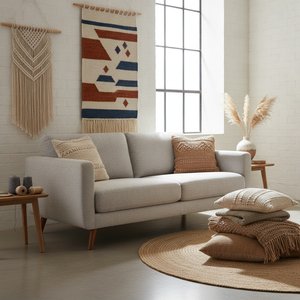
Woven Wonders: A Beginner's Guide to Elevating Your New Home with Timeless Textile Art
Discover how to transform your new home with the warmth of textile art. Our expert guide for newlyweds explores handwoven tapestries, tactile fibers, and timeless ways to curate a soulful, sophisticated interior through beautiful woven wonders.

Synthetic Cubism Explained: A Professional Guide to Texture, Collage, and Geometric Abstraction for Modern Interior Design
Master the use of Synthetic Cubism in modern hospitality design. Our expert guide explores texture, collage, and geometric abstraction to help designers source premium, large-scale oil reproductions for hotels and corporate spaces with professional reliability.
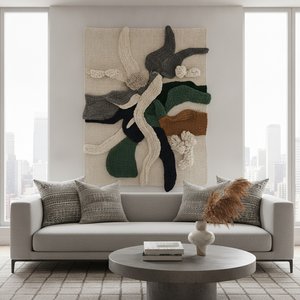
Beyond Canvas: Why Textile Art is the Next High-Impact Trend for Modern Interior Design
Discover why textile art is the next major trend in interior design. Explore how tactile fibers, bold textures, and sustainable mixed media are redefining modern urban spaces and bringing high-impact energy to contemporary collections.

Beyond the Canvas: Unveiling the Timeless Grandeur and Tactile Artistry of Textile Masterpieces
Embark on a sophisticated journey through the tactile realm of textile art. Unveil the historical evolution from utilitarian craft to museum-grade masterpieces, exploring the intricate textures and legendary artists that redefine the boundaries of fine art.