
 Visualizar em escala
 Enviar
 Compartilhar
 Ver detalhes

 Baixar
 Semelhantes
 Raio X
 Apresentação de slides
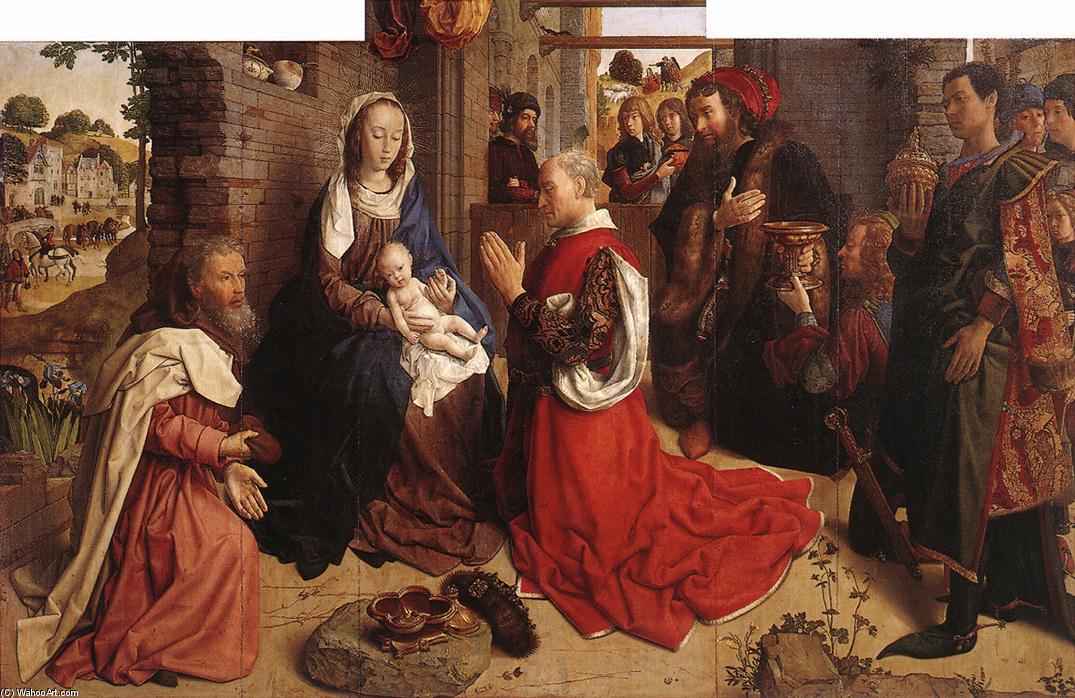
Monforte Altarpiece (11)
 Oil On Panel
- Baroque Realism
 1470
1470- Renaissance
 150.0 x 247.0 cm
 Museus Estatais de Berlim
 Ver mais
Reprodução em Óleo Feita à Mão
Óleo sobre tela pintado à mão no seu tamanho e moldura, feito sob encomenda pelos nossos artistas. ( Encomendar impressão Comprar imagem em alta resolução)




P118B $10

P118H $10

P118W $10

P438Z $10

P508JH $12

P508YH $12

P805H $10

P805Z $10

P919BZ $10

P919G $10

P919XJ $10

P959ZH $10

P968JZ $12

W106C $8

W218G $10

W218JH $8

W218Y $10

W307PJ $10

W316G $10

W316PJ $8

W316Y $10

W398PJ $8

W4111J $10

W500HY $15

W500JH $15

W692G $12

W849H $8

W940BG $15

W953PJ $8




Escolha entre os nossos tamanhos pré-definidos que respeitam as proporções originais da obra de arte.

Pode inserir as suas próprias dimensões para se adequar a uma moldura ou espaço específico. Se o tamanho selecionado não corresponder às proporções da imagem original, iremos cortar a obra de arte ou estender a pintura com elementos adicionais pintados à mão. Um esboço digital será enviado para sua aprovação antes do início da produção.
Tenha em atenção que a pré-visualização no ecrã não reflete o corte ou extensão real. Apenas o esboço mostrará com precisão a composição final.
Embora tamanhos personalizados estejam disponíveis, recomendamos selecionar uma dimensão da lista predefinida para preservar as proporções originais.
Após o pedido, a equipa OriginalUniqueArt.com enviará um e-mail ao cliente para solicitar instruções e fornecer uma prévia do esboço.
Entrega mundial () em 3 a 4 semanas, em vez das 5 semanas padrão. (20 Agosto). Sem comprometer a qualidade.

Envio Expresso Gratuito para todo o Mundo

Tela de Linho Premium

Seguro de transporte total

Garantia de Reembolso de Impostos Alfandegários

Garantia de Fidelidade de Cor

Política de Devolução de 60 Dias (Apenas para Defeitos)

Garantia de reembolso de 100%

Desconto para múltiplas unidades
 A opção de vidro está disponível apenas para tamanhos inferiores a 110 cm

Monforte Altarpiece (11)
Técnica de Reprodução
Dimensões da Reprodução
-


Preço Total
$ 300
Descrição da Obra
A Glimpse into Northern Renaissance Devotion
To stand before the Monforte Altarpiece is to step directly into the luminous, deeply felt world of late 15th-century Flanders. This monumental work by Hugo van der Goes is far more than a mere depiction of a sacred event; it is a profound meditation on humanity, divinity, and the intimate moments that anchor our spiritual lives. The scene unfolds with an almost palpable sense of immediacy, drawing the viewer into the circle of figures gathered around the central, tender focus—the mother holding her child. Van der Goes masterfully captures not just the likenesses of these individuals, but the very weight of their contemplation, suggesting a moment suspended between earthly reality and divine mystery.
Mastery in Flemish Realism
The technical brilliance evident throughout this altarpiece speaks to van der Goes’s revolutionary genius. He is celebrated as a pioneer of Flemish Realism, an approach that imbued religious subjects with an unprecedented sense of tangible life. Observe the meticulous detail: the rich folds of the medieval garments, the subtle play of light across skin tones, and even the inclusion of everyday objects—a visible clock ticking away time on the wall, or the sturdy presence of a chair—all anchor the divine narrative within a recognizable, believable domestic space. This commitment to verisimilitude elevates the sacred drama into something deeply relatable, allowing the viewer to feel as if they are observing a private, momentous gathering.
Symbolism and Narrative Depth
Every element within this intricate composition seems imbued with symbolic resonance. The grouping of figures, their varied gestures—some in quiet observation, others perhaps engaged in hushed conversation—suggests layers of meaning waiting to be uncovered. The presence of objects like the cup and the bowl hints at ritual or offering, grounding the spiritual narrative in tangible acts of devotion. Furthermore, the inclusion of elements such as the horse on the left side adds a dynamic counterpoint to the central stillness, suggesting journeys undertaken or blessings arriving from beyond the immediate scene. It is a tapestry woven with theological weight and human emotion.
An Enduring Emotional Resonance
What ultimately captivates the modern eye, however, is the emotional current running beneath the surface of such technical perfection. Van der Goes does not preach; he invites us to feel. The connection between mother and child radiates a universal tenderness that transcends centuries. For those who appreciate art for its ability to stir the soul—whether in a grand chapel or as a centerpiece in a thoughtfully designed interior—this piece offers an unparalleled depth. Owning a reproduction of this work is not simply acquiring decoration; it is curating a focal point steeped in history, artistry, and enduring human connection.
Biografia do Artista
A Pioneer of Flemish Realism: The Life and Art of Hugo van der Goes
Born around 1440 in the vibrant artistic hub of Ghent, Belgium, Hugo van der Goes emerged as a pivotal figure in the Northern Renaissance. Though shrouded in some mystery—details of his early life remain scarce—his impact on the development of painting during the latter half of the 15th century is undeniable. Van der Goes wasn’t merely a painter; he was an innovator who profoundly altered the course of artistic expression, influencing masters both within Flanders and across the burgeoning Italian Renaissance. He entered the Ghent painters' guild in 1467, marking his formal establishment as a master craftsman, yet it was his unique vision—a blend of intense realism, psychological depth, and dramatic composition—that would set him apart. Before Van der Goes, Flemish painting, while technically brilliant, often adhered to established conventions; he dared to break from these traditions, imbuing his work with an unprecedented level of human emotion and tangible reality.Innovation and Artistic Style
Van der Goes’s artistic signature lies in his ability to infuse religious scenes with a startling sense of immediacy and emotional weight. He moved beyond the stylized conventions of earlier Flemish painting, imbuing his figures with a weighty presence and individualized character. His use of color was deliberate and often somber, creating a sense of gravity and spiritual intensity. This wasn’t simply about replicating appearances; it was about conveying inner states—awe, sorrow, reverence—through subtle gestures, expressive faces, and the careful manipulation of light and shadow. His monumental style, characterized by large-scale compositions and imposing figures, further amplified this emotional impact. He didn't shy away from portraying imperfections; his figures often possess a raw, almost unsettling realism that distinguishes them from the more idealized representations common in earlier art. This commitment to depicting humanity in all its complexity was revolutionary for its time, influencing artists who sought to move beyond mere technical skill and explore the depths of human experience. The influence of Jan van Eyck’s meticulous detail is evident, but Van der Goes transcends imitation, forging a style uniquely his own. He experimented with perspective and employed dramatic lighting techniques to create a sense of depth and volume, pushing the boundaries of what was considered possible in painting at the time.Masterpieces and Lasting Influence
Perhaps Van der Goes’s most celebrated work is the Portinari Altarpiece, commissioned by Tommaso Portinari, an Italian banker residing in Bruges. Completed around 1475, this magnificent triptych—now housed in the Uffizi Gallery in Florence—is a testament to his mastery of composition, color, and psychological insight. The scene depicting the Adoration of the Shepherds is particularly striking, with its dramatic lighting, realistic portrayal of humble figures, and palpable sense of wonder. The altarpiece’s arrival in Italy had a profound effect on Florentine artists, including Domenico Ghirlandaio, who were captivated by its innovative realism and emotional power. Another significant work is The Adoration of the Magi (Monforte Altarpiece), currently residing in Berlin's Gemäldegalerie. This piece showcases his skill in creating dynamic scenes filled with intricate detail and symbolic meaning. Beyond these iconic works, Van der Goes contributed to numerous civic projects, including heraldic decorations for Charles the Bold’s ceremonial entries into Ghent, demonstrating his versatility as an artist. His influence extended beyond painting; he impacted the development of book illustration through his designs which were disseminated by artists like Alexander Bening.A Life Transformed: From Workshop to Monastery
In a surprising turn of events, at the height of his artistic success in 1477, Van der Goes abruptly closed his bustling workshop and entered the Roode Klooster monastery near Auderghem. This decision remains something of an enigma, though it’s believed to have been driven by a deep spiritual yearning or perhaps a struggle with mental health. Despite taking religious vows as a lay brother, he continued to accept painting commissions, even undertaking the task of evaluating unfinished works by Dieric Bouts for the city of Leuven. However, his final years were marked by increasing bouts of depression and psychological distress. Accounts suggest that he suffered a severe breakdown in 1482, tragically taking his own life shortly thereafter. This poignant end to a brilliant career adds another layer of complexity to the legacy of Hugo van der Goes—a man whose art explored the depths of human emotion while grappling with inner turmoil. The circumstances surrounding his death have fueled speculation for centuries, adding to the mystique that surrounds this remarkable artist.A Legacy Enduring Through Time
Hugo van der Goes’s influence extended far beyond his relatively short lifetime. His innovative techniques and profound psychological insights paved the way for future generations of artists, both in Flanders and Italy. His work can be found today in prestigious museums such as the Musées royaux des Beaux-Arts in Brussels, offering a glimpse into the genius of this pioneering Flemish master. He remains a compelling figure—a testament to the power of art to capture the complexities of the human condition and to transcend cultural boundaries. His legacy continues to inspire awe and admiration, solidifying his place as one of the most important artists of the Northern Renaissance.- His emphasis on realism influenced subsequent generations.
- The Portinari Altarpiece remains a landmark achievement in art history.
- His exploration of psychological depth set a new standard for portraiture and religious painting.

Hugo van der Goes
1440 - 1482 , Bélgica
Informações Rápidas
- Artistic Movement Or Style: Pintura flamenga
- Artists Or Movements Influenced By This Artist: ['Domenico Ghirlandaio']
- Artists Who Influenced This Artist:
- Jan van Eyck
- Dirk Bouts
- Date Of Birth: c. 1440
- Date Of Death: 1482
- Full Name: Hugo van der Goes
- Nationality: Flamengo
- Notable Artworks:
- Portinari
- Monforte
- Magi
- Place Of Birth: Ghent, Bélgica
Artigos Relacionados

Hugo van der Goes: Devotion, Innovation & the Psychological Depth of Early Netherlandish Painting
Explore the revolutionary art of Hugo van der Goes – a master of Early Netherlandish painting renowned for his dramatic realism, psychological depth & profound influence on Renaissance artists. Discover his iconic works and lasting legacy.
Van Gogh: As 25 Obras-Primas Que Definem um Gênio da Arte | OriginalUniqueArt
Descubra as 25 obras-primas de Vincent van Gogh, do icônico 'Noite Estrelada' aos vibrantes 'Girassóis'. Explore a história, cores e emoção por trás de cada pintura. Reproduções de alta qualidade em OriginalUniqueArt.com!

Renascimento Primitivo Flamenco: 10 Obras-Primas Essenciais para Decorar com Arte
Descubra as 10 obras-primas do Renascimento Primitivo Flamenco! Explore a arte de Jan van Eyck, Robert Campin e outros mestres. Reproduções de alta qualidade para decorar sua casa com beleza e história. Explore a coleção completa em OriginalUniqueArt.com

Os 10 Mestres da Pintura Primitiva Flamenga que Moldaram a Arte
Descubra os 10 quadros que revolucionaram a Pintura Primitiva Flamenga! Explore Jan van Eyck, Rogier van der Weyden e outros mestres renascentistas. Encontre reproduções de alta qualidade para decorar sua casa com arte atemporal em OriginalUniqueArt.com.

Rembrandt van Rijn: As 25 Obras-Primas que Definem um Mestre da Luz e Sombra | OriginalUniqueArt
Descubra as 25 obras-primas de Rembrandt van Rijn, o mestre da luz e sombra! Explore a história por trás de 'A Ronda Noturna', seus auto-retratos e muito mais. Encontre reproduções de arte exclusivas para decorar sua casa com OriginalUniqueArt.com.



