

 Visualizar em escala
 Enviar
 Compartilhar
 Ver detalhes
 Guia de Obras do Aluno

 Baixar imagem
 Semelhantes
 Raio X
 Apresentação de slides
 Estatísticas
Italian Park
 Oil
Oil- WallArt
- Romantic Landscape
 Early Modern
 46.0 x 37.0 cm
 Fundação Calouste Gulbenkian
 Ver mais
Giclée / Impressão de Arte
Impressão giclée ou em tela de qualidade de museu, com produção rápida e opções flexíveis de acabamento. ( Encomendar reprodução pintada à mão Ver Imagem Digital)




P118B €10

P118H €10

P118W €10

P438Z €10

P508JH €12

P508YH €12

P805H €10

P805Z €10

P919BZ €10

P919G €10

P919XJ €10

P959ZH €10

P968JZ €12

W106C €8

W218G €10

W218JH €8

W218Y €10

W307PJ €10

W316G €10

W316PJ €8

W316Y €10

W398PJ €8

W4111J €10

W500HY €15

W500JH €15

W692G €12

W849H €8

W940BG €15

W953PJ €8




Escolha entre os nossos tamanhos pré-definidos que respeitam as proporções originais da obra de arte.

Digite a largura e a altura de que necessita, para se ajustar à sua moldura ou à sua parede. Uma impressão só pode ser cortada, nunca ampliada além da imagem original, pelo que um tamanho com uma proporção diferente perderá parte da imagem. Enviamos-lhe uma maquete digital para aprovação antes de imprimirmos qualquer coisa. A imagem apresentada nesta página não mostra o corte real — apenas a maquete o faz.
Entrega mundial () em 2 semanas, em vez das 4/5 semanas padrão. (23 Outubro)

Envio expresso gratuito para todo o mundo

Tela de Linho Premium

Seguro de transporte total

Garantia de Reembolso de Impostos Alfandegários

Garantia de Fidelidade de Cor

Política de Devolução em 100 Dias (Apenas para Defeitos)

Garantia de reembolso de 100%

Desconto para múltiplas unidades
 A opção de vidro está disponível apenas para tamanhos inferiores a 110 cm

Italian Park
Giclée / Impressão de Arte
Dimensões da Reprodução
-


Preço Total
€ 70
A Serene Escape into the Italian Garden
In Italian Park, the viewer is invited to step into a world where time seems to slow, suspended in a moment of quietude and grace. This exquisite painting by Hubert Robert captures a tranquil scene within a lush, classical garden, evoking the essence of an idealized Mediterranean retreat. The composition draws us into a verdant sanctuary, where the dense foliage of various plants and trees—including a prominent orange tree on the left—creates a sense of intimate seclusion. Amidst this greenery, two figures inhabit the landscape, their presence adding a layer of human narrative to the natural splendor. One figure sits peacefully on a bench, lost in the pages of a book, while another stands nearby, momentarily connecting with the observer. Their attire, reminiscent of the 18th or early 19th century, anchors the scene in a historical era of leisure and reflection.
The landscape is not merely a collection of flora but a carefully orchestrated stage for classical beauty. A stone wall meanders through the middle ground, providing structure to the organic growth, while in the distance, a classical structure—resembling a small temple or pavilion with visible columns and pediments—emerges from the shadows of the trees. This architectural element suggests the profound influence of ancient Roman design, imbuing the garden with a sense of historical weight and timelessness. The interplay between the man-made ruins and the encroaching nature is a hallmark of Robert’s ability to transform a simple garden into a dreamlike vision of antiquity.
Mastery of Light and Atmospheric Depth
Technically, Italian Park is a triumph of light and shadow, demonstrating the artist's remarkable ability to render atmosphere with breathtaking accuracy. The painting utilizes a harmonious color palette dominated by warm earth tones, which lends the scene a grounded, realistic quality. Robert employs a subtle yet effective use of light to create a three-dimensional effect, allowing the sunlight to filter through the canopy and dance upon the leaves and stone surfaces. This luminous quality is achieved through a meticulous approach, where the soft transitions between light and shade enhance the realism of the textures, from the rough bark of the trees to the smooth surface of the reading figure's book.
For the collector or interior designer, this piece offers more than just visual beauty; it provides an emotional anchor for a room. The painting exudes a profound sense of serenity and leisurely activity, making it an ideal centerpiece for spaces designed for contemplation and relaxation. Its ability to evoke melancholy contemplation and a nostalgic longing for the past makes it a powerful tool for creating atmosphere in any high-end setting. Whether placed in a sunlit library or a sophisticated living area, Italian Park serves as a window into an idyllic world, offering a permanent escape into the enchanting landscapes of the Italian imagination.
Perguntas e Respostas
"Italian Park" de Hubert Robert é uma pintura, um desenho ou uma gravura?
"Italian Park" de Hubert Robert é classificado como WallArt. A categoria descreve o tipo de obra de arte que a peça original representa.
Que humor "Italian Park" de Hubert Robert expressa dentro de Romantic Landscape?
A emoção Melancholic de "Italian Park" acompanha seu estilo Romantic Landscape.
A que período da carreira de Hubert Robert pertence "Italian Park"?
Dentro da carreira de Hubert Robert, "Italian Park" pertence ao período Romantic Landscape. Esta fase ajuda a compará-la com outras obras do artista.
Biografia do Artista
A Painter of Ruins and Visions: The World of Hubert Robert
Hubert Robert, a name inextricably linked to the evocative beauty of ruins and the romantic allure of landscapes, stands as a singular figure in 18th-century French art. Born in Paris in 1733, his life unfolded against a backdrop of profound artistic transformation—from the opulent elegance of the Rococo to the nascent ideals of Neoclassicism, all while navigating the tumultuous currents of the French Revolution. Robert’s genius wasn't merely in documenting decay; it resided in crafting meticulously detailed visions that blended astute observation with boundless imagination, creating scenes that resonated with a poignant nostalgia for the past and an anticipatory gaze towards the future. His artistic journey began within the structured confines of formal training, initially under the tutelage of the sculptor Michel-Ange Slodtz, who recognized Robert’s innate talent but wisely steered him toward painting, sensing his true calling lay in capturing light, atmosphere, and the subtle poetry of form.Roman Reveries: Shaping an Artistic Identity
The defining moment in Robert's artistic development arrived with his extended sojourn to Rome between 1754 and 1765. This period wasn’t simply a vacation; it was a crucible where his artistic identity was forged. Accompanying Étienne-François de Choiseul, the future duc de Choiseul, Robert immersed himself in the ancient city's layered history and architectural grandeur. Rome became his open-air studio, its crumbling temples, majestic arches, and overgrown gardens fueling an inexhaustible wellspring of inspiration. Crucially, he spent eleven years working alongside Giovanni Paolo Panini, a master of *vedute* – views of cities – whose influence is profoundly evident in Robert’s early *capriccio* compositions. These fantastical scenes weren't mere reproductions; they were imaginative reinterpretations, juxtaposing classical ruins with contemporary life, creating an illusionistic world where the past and present intertwined seamlessly. Robert quickly surpassed imitation, however, developing a distinctive style characterized by meticulous detail, masterful atmospheric perspective, and a deep sensitivity to the interplay of light and shadow. He wasn’t merely painting ruins; he was capturing time itself, imbuing his canvases with a sense of melancholy beauty and the poignant awareness of transience. His extensive sketchbook drawings from this period—detailed studies of Roman landmarks like the Villa d'Este and Caprarola—offer invaluable insights into his artistic process and demonstrate an unparalleled eye for architectural nuance and landscape composition.Parisian Acclaim and Royal Patronage
Robert’s return to Paris in 1765 marked a dramatic shift in his career trajectory. He swiftly gained recognition within the Parisian art world, securing admission to the Académie Royale de Peinture et de Sculpture with “The Port of Rome, Ornamented with Different Monuments of Architecture, Ancient and Modern.” This success was followed by a series of exhibitions at the Salon, where his evocative depictions of ruins and picturesque landscapes captivated audiences. Denis Diderot, a leading figure of the Enlightenment, famously lauded Robert’s paintings, recognizing his ability to transport viewers to another time and place—a testament to the power of illusionistic painting. This widespread acclaim led to royal patronage, with commissions for decorative projects within grand palaces and gardens, and ultimately, appointments as “Designer of the King's Gardens” and later, “Keeper of the King’s Pictures.” Robert became a highly sought-after artist, not only for his easel paintings but also for his innovative designs for elaborate garden layouts—a testament to his versatility and artistic vision. His work resonated with the prevailing taste for *capriccio* painting – a genre that appealed to collectors fascinated by history, archaeology, and the picturesque – yet Robert infused it with a unique sensibility, elevating it beyond mere decorative art.Revolution, Resilience, and Lasting Legacy
The French Revolution presented an unprecedented challenge for Robert, as for many artists of his time. While navigating the turbulent political climate, he demonstrated remarkable resilience, continuing to paint prolifically despite the upheaval. He even faced imprisonment during the Reign of Terror, a harrowing experience that nonetheless fueled a series of poignant drawings documenting his confinement—a testament to his unwavering commitment to his art and his ability to find beauty even in adversity. Following the Revolution, Robert was appointed curator of the newly established Muséum Central des Arts – later known as the Musée du Louvre – a significant recognition of his expertise and dedication to preserving France’s artistic heritage. He played a crucial role in organizing and cataloging the museum's vast collection, ensuring that its treasures were safeguarded for future generations. Hubert Robert died in Paris in 1808, leaving behind an extraordinary body of work—a testament to his singular vision and enduring legacy. His paintings continue to captivate viewers with their evocative beauty, blending historical accuracy with imaginative vision, solidifying his place as a pivotal figure bridging the Rococo and Neoclassical periods and anticipating aspects of Romanticism with his fascination for history and imagination.- Key Influences: Giovanni Paolo Panini, Piranesi, the architectural landscape of Rome.
- Major Themes: Ruins, landscapes, *capriccio* paintings, historical memory, the passage of time.
- Artistic Style: Meticulous detail, atmospheric perspective, evocative lighting, blending observation with imagination.
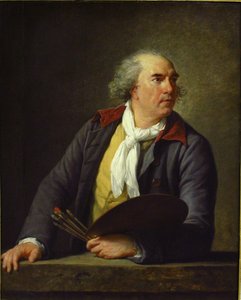
Hubert Robert
1733 - 1808 , França
Informações Rápidas
- Artistic Movement Or Style: Romantismo, Neoclassicismo
- Artists Or Movements Influenced By This Artist: ['Romantismo']
- Artists Who Influenced This Artist:
- Giovanni Panini
- Piranesi
- Date Of Birth: 22 Maio 1733
- Date Of Death: 15 Abr 1808
- Full Name: Hubert Robert
- Nationality: Francês
- Notable Artworks:
- Porto de Roma
- Voo de Galatea
- Galeria do Louvre
- Place Of Birth: Paris, França
Artigos Relacionados

Rococó: 10 Obras-Primas que Definiram um Movimento Artístico Elegante | OriginalUniqueArt.com
Descubra as 10 obras-primas do Rococó! Explore a elegância de Fragonard, Boucher e Watteau. A arte do século XVIII ganha vida com cores pastel e detalhes luxuosos. Encontre reproduções de alta qualidade em OriginalUniqueArt.com.

Evocations of Place: A Historical Journey Through Landscape Art
Explore the rich history of landscape art with OriginalUniqueArt. Discover renowned artists, movements like Impressionism & Romanticism, and expert guidance for collecting timeless pieces. Find your perfect serene escape today!

John Constable: As 25 Obras-Primas que Definem o Mestre da Paisagem Inglesa | OriginalUniqueArt
Descubra as 25 obras-primas de John Constable, o mestre da paisagem inglesa! Explore a arte romântica, cores vibrantes e histórias fascinantes por trás de 'Hay Wain' e outras pinturas icônicas. Encontre reproduções de alta qualidade para decorar sua casa com OriginalUniqueArt.com.

Hubert Robert: Picturing Ruins, Preserving Memory – A Study of Romantic Antiquarianism & Artistic Innovation
Explore the captivating world of Hubert Robert, master of Romantic landscape painting & 'capriccio' ruins. Discover his historical context, artistic innovations, and collecting insights with OriginalUniqueArt.

Os 10 Mestres da Paisagem Romântica: Arte para Inspirar a Sua Casa
Descubra os 10 quadros mais emblemáticos da Paisagem Romântica! Explore a história de Turner, Friedrich e outros mestres. Encontre reproduções de arte exclusivas para inspirar sua decoração em OriginalUniqueArt.com.


