Visualizar na parede
 Compartilhar
 Compartilhar
 Detalhes
 Guia
Guia

 Baixar imagem
 Semelhantes
 Raio X
 Ver diaporama
 Perguntas e Respostas
 Estatísticas
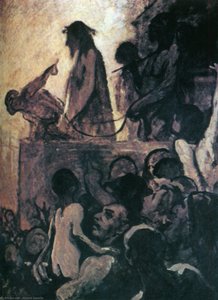
The Washerwoman

- 49.0 x 34.0 cm


 Ler mais
Giclée / Impressão de Arte
Impressão giclée ou em tela de qualidade de museu, com produção rápida e opções flexíveis de acabamento. ( Comprar pintura feita à mão Alternar para Imagem Digital)




P118B €10

P118H €10

P118W €10

P438Z €10

P508JH €12

P508YH €12

P805H €10

P805Z €10

P919BZ €10

P919G €10

P919XJ €10

P959ZH €10

P968JZ €12

W106C €8

W218G €10

W218JH €8

W218Y €10

W307PJ €10

W316G €10

W316PJ €8

W316Y €10

W398PJ €8

W4111J €10

W500HY €15

W500JH €15

W692G €12

W849H €8

W940BG €15

W953PJ €8




Escolha entre os nossos tamanhos pré-definidos que respeitam as proporções originais da obra de arte.

Insira a largura e a altura desejadas para se ajustarem à sua moldura ou parede. Uma impressão pode ser apenas cortada, nunca ampliada além da imagem original; portanto, um tamanho com proporções diferentes resultará na perda de parte da imagem. Enviamos uma maquete digital para sua aprovação antes de realizarmos a impressão. A imagem exibida nesta página não mostra o corte real — apenas a maquete o faz.
Entrega mundial () em 2 semanas, em vez das 4/5 semanas padrão. (4 Novembro)

Envio expresso gratuito para todo o mundo

Tela de Linho de Alta Qualidade

Seguro de transporte completo

Garantia de Reembolso de Impostos Alfandegários

Garantia de Fidelidade Cromática

Política de Devolução em 100 Dias (Apenas para Defeitos)

Garantia de reembolso de 100%

Oferta de desconto por quantidade
 A opção de vidro está disponível apenas para tamanhos inferiores a 110 cm

The Washerwoman
Giclée / Impressão de Arte
Tamanho da Reprodução
-


Preço Total
€ 72
The Washerwoman: A Study in Urban Dignity by Honoré Daumier
Honoré Daumier’s “The Washerwoman,” painted in 1863, is more than just a depiction of a woman laboring by the Seine; it's a poignant meditation on poverty, resilience, and the quiet dignity of everyday life in mid-nineteenth century Paris. This oil-on-panel work, now residing within the Metropolitan Museum of Art’s collection, offers a rare glimpse into the lives of those often overlooked by history – the working class women who sustained the city through their tireless efforts.
Daumier, a master of social commentary and caricature, employed his artistic skills not merely to entertain but to expose the injustices and inequalities prevalent in French society. He was deeply attuned to the struggles of the marginalized, frequently using his art as a platform for critique and empathy. “The Washerwoman” embodies this commitment, presenting a scene stripped of romanticism or idealization – instead, it offers a starkly realistic portrayal of a woman’s arduous existence.
A Study in Realist Detail
The painting immediately draws the viewer's attention to the central figure, a woman engaged in the repetitive task of washing clothes. Her posture is one of quiet determination, her hands firmly planted on the ground as she works with a heavy wooden beater. The composition is deliberately simple and unadorned; Daumier eschews elaborate backgrounds or dramatic lighting, focusing instead on capturing the essence of the subject’s physicality and emotional state. The muted palette – dominated by browns, grays, and ochres – reinforces this sense of realism, mirroring the drabness of her surroundings and reflecting the weariness of her labor.
Daumier's technique is characterized by a meticulous attention to detail, particularly in rendering the textures of the clothing, the rough surface of the brick wall behind her, and the worn fabric of her dress. He skillfully employs broken brushstrokes and subtle gradations of color to create a sense of depth and volume, imbuing the scene with a tangible quality. The use of light is equally deliberate; it illuminates the woman’s face and hands, highlighting her vulnerability while simultaneously casting shadows that emphasize the weight of her task.
Symbolism and Social Context
Beyond its immediate visual impact, “The Washerwoman” carries significant symbolic weight. The presence of a young child assisting his mother – a small figure perched on a chair near the left side of the painting – speaks to the cycle of poverty and the intergenerational transmission of hardship. The two handbags resting on the ground suggest a limited means of sustenance, while the bottle nearby hints at the harsh chemicals used in the cleaning process. The building behind her is not merely a backdrop; it represents the urban environment that both sustains and confines these women.
Painted during a period of significant social unrest in France – following the July Revolution and amidst growing calls for reform – Daumier’s work reflects the anxieties and tensions of the era. The painting can be interpreted as a critique of the prevailing economic system, which offered little opportunity for advancement or security to those at the bottom of the social hierarchy. It's a powerful reminder of the human cost of industrialization and the struggles faced by working-class families.
A Timeless Portrait of Resilience
Despite its bleak subject matter, “The Washerwoman” is not devoid of hope or beauty. The woman’s unwavering gaze and her steadfast commitment to her task convey a sense of dignity and resilience – qualities that transcend the limitations of her circumstances. Daumier's masterful depiction captures a moment of quiet strength in the face of adversity, offering a poignant testament to the enduring spirit of humanity. Reproductions of this iconic work continue to resonate with viewers today, prompting reflection on social justice, economic inequality, and the dignity of labor.
Perguntas e Respostas
Onde "The Washerwoman", de Honoré Daumier está em exibição hoje?
"The Washerwoman", de Honoré Daumier está em exibição no Musée d'Orsay, Paris, France. A referência ao museu diz respeito à obra original, não a reproduções.
Posso ver uma imagem de raio-X de "The Washerwoman", de Honoré Daumier?
A visualização em Raio-X de "The Washerwoman", de Honoré Daumier está disponível na página Raio X da obra: um exame interativo da imagem através de onze camadas ópticas.
Qual tamanho de impressão é sugerido para "The Washerwoman" em um(a) Living Room?
Para um(a) Living Room, sugere-se que "The Washerwoman" seja impresso no tamanho Medium.
Biografia do Artista
A Vida Esculpida em Sátira: O Mundo de Honoré Daumier
Nascido em Marselha em 1808, a jornada de Honoré-Victorin Daumier esteve intrinsecamente ligada às correntes turbulentas da França do século XIX. Sua vida inicial, marcada pelas ambições poéticas de seu pai e subsequente mudança para Paris em 1814, o imerso em uma cidade fervilhando com energia artística. Embora inicialmente destinado a uma carreira jurídica, a inclinação de Daumier se inclinou irrevogavelmente para as artes. Ele aprendeu com Alexandre Lenoir, absorvendo influências clássicas ao lado de uma apreciação pelo chiaroscuro dramático de Rubens, e aperfeiçoou ainda mais suas habilidades na Academia Suíça. Esse treinamento fundamental provaria crucial para moldar seu estilo distinto – uma combinação poderosa de realismo e draftsmanship expressiva. No entanto, não foi apenas a técnica artística que definiu Daumier; foi uma profunda sensibilidade às injustiças sociais e à absurdidade política ao seu redor.A Caneta Afiada: Caricatura e Comentário Social
A carreira de Daumier ganhou verdadeiro ímpeto após a Revolução de 1830, um evento que alterou irreversivelmente o curso da história francesa e, simultaneamente, forneceu terreno fértil para seu talento satírico em ascensão. Ele rapidamente se estabeleceu como um mestre litógrafo, contribuindo inicialmente anonimamente para várias publicações antes de ganhar destaque por meio de seu trabalho com *Le Charivari*, uma revista cômica independente fundada por Charles Philipon. Foi aqui que o gênio de Daumier realmente floresceu. Suas caricaturas não eram meras representações humorísticas; eram denúncias mordazes da burguesia, do sistema legal e do establishment político. Ele ridicularizou sem piedade Luís-Philippe, ganhando uma prisão de seis meses em 1832 por uma caricatura particularmente mordaz. Essa experiência, longe de silenciá-lo, solidificou seu compromisso em expor a hipocrisia e desafiar a autoridade através da arte. Seus litografias se tornaram manifestos visuais, capturando o espírito da dissidência e oferecendo um comentário crítico sobre as desavenças sociais de sua época. O volume impressionante de sua produção durante esse período é notável – milhares de litografias que serviram tanto como entretenimento popular quanto como declarações políticas poderosas.Além da Caricatura: Pintura e Visões Esculturais
Embora Daumier seja mais celebrado por sua litografia, limitar sua existência apenas a caricaturas seria um grave desrespeito. Ele também era um pintor e escultor dedicado, embora o reconhecimento para esses trabalhos tenha chegado mais tarde em sua vida. Suas pinturas, frequentemente retratando cenas da vida cotidiana parisiense – o vagão de terceira classe, as lavadeiras, os advogados – estão imbuídas de um profundo senso de realismo e empatia. Eles não são representações idealizadas, mas sim descrições sem compromisso de dificuldades e lutas. Ele empregou habilmente pinceladas soltas e iluminação dramática para transmitir emoção e atmosfera, prenunciando algumas das técnicas mais tarde adotadas pelos Impressionistas. Seu trabalho escultórico, em grande parte criado em argila (muitos pedaços permanecendo não cozidos durante sua vida), revela um compromisso semelhante em capturar a forma humana com honestidade e profundidade emocional. Essas esculturas, redescobertas após sua morte, demonstram um talento notável para modelagem e uma capacidade de transmitir complexidade psicológica através da postura física.Um Legado Duradouro: Influência e Significado Histórico
O impacto de Honoré Daumier na história da arte é inegável. Ele preencheu a lacuna entre o Romantismo e o Realismo, abrindo caminho para as gerações futuras de artistas que buscavam retratar o mundo como ele realmente era – com todas as suas imperfeições. Seu comentário social implacável influenciou artistas como Gustave Courbet e Édouard Manet, enquanto seu uso inovador da litografia revolucionou a gravura. Sua obra continua a ressoar hoje, nos lembrando do poder da arte para desafiar a autoridade, expor a injustiça e testemunhar a condição humana. O Musée d'Orsay em Paris abriga uma coleção significativa de suas pinturas e esculturas, oferecendo aos visitantes um vislumbre do mundo que ele retratou tão vívidamente. Suas litografias estão amplamente acessíveis por meio de coleções como as encontradas em OriginalUniqueArt, garantindo que seu gênio satírico continue a provocar o pensamento e inspirar o diálogo. Daumier não era apenas um artista; ele era um cronista de sua época – um poeta visual que usou seu talento para dar voz aos marginalizados e responsabilizar o poder. Seu legado perdura como um testemunho da relevância duradoura da arte como força para a mudança social.Informações Adicionais
- Artistas Influenciados: Alexandre Lenoir, Jacques-Louis David
- Período Artístico: Romantismo, Realismo
- Técnicas Principais: Litografia, Pintura a óleo, Escultura em argila
- Temas Recorrentes: A vida cotidiana parisiense, a pobreza, a hipocrisia social, a crítica política
Curiosidades
- Daumier foi preso por sua caricatura de Luís-Philippe.
- Sua obra influenciou artistas como Courbet e Manet.
- Muitas de suas esculturas permaneceram inacabadas durante sua vida.
Ligações Externas

Honoré Daumier
1808 - 1879 , França
Dados Rápidos
- Artistic Movement Or Style: Realismo, Sátira
- Artists Or Movements Influenced By This Artist:
- Impressionismo
- Arte Moderna
- Artists Who Influenced This Artist:
- Alexandre Lenoir
- Jacques-Louis David
- Date Of Birth: 26/02/1808
- Date Of Death: 10/02/1879
- Full Name: Honoré-Victorin Daumier
- Nationality: Francês
- Notable Artworks:
- Rue Transnonain
- Les gens de justice
- Ecce Homo
- Place Of Birth: Marselha, França
Artigos Relacionados

The Enduring Muse: Women as Subject & Symbol in Art History
Explore the rich history of women in art – from iconic muses to groundbreaking artists. Discover feminist movements, global perspectives & reclaim female narratives with OriginalUniqueArt.

American Realism: Social Commentary & Artistic Representation in Early 20th-Century Painting
Explore the powerful social commentary & artistic representation of American Realism. Discover key artists like Bellows & Sloan, and understand the movement's lasting impact on 20th-century art history.

Romantic Realism's Finest: 10 Masterpieces for Your Home | OriginalUniqueArt
Explore 10 defining masterpieces of Romantic Realism! Discover Courbet, Millet & Daumier's powerful paintings—capturing emotion and social realities. Find museum-quality reproductions for your home at OriginalUniqueArt.com.

Echoes of Society: Exploring Social Realism's Enduring Legacy in Art
Explore the powerful world of Social Realism art! Discover key artists, masterpieces & its profound social commentary. Expert insights into this influential movement's history and enduring legacy.

Realismo na Arte: 10 Obras-Primas que Mudaram a História | OriginalUniqueArt
Descubra as 10 obras-primas do Realismo que revolucionaram a arte! Explore Courbet, Millet e outros mestres. Reproduções de alta qualidade para decorar sua casa com história e emoção. Explore a coleção completa em OriginalUniqueArt.com