Visualizar na parede
 Compartilhar
 Compartilhar
 Detalhes

 Baixar imagem
 Semelhantes
 Raio X
 Slideshow
A Estrela


 Ler mais
Reprodução em Óleo Feita à Mão
Óleo sobre tela pintado à mão no tamanho e moldura de sua escolha, feito sob encomenda pelos nossos artistas. ( Comprar impressão Comprar imagem)




P118B $10

P118H $10

P118W $10

P438Z $10

P508JH $12

P508YH $12

P805H $10

P805Z $10

P919BZ $10

P919G $10

P919XJ $10

P959ZH $10

P968JZ $12

W106C $8

W218G $10

W218JH $8

W218Y $10

W307PJ $10

W316G $10

W316PJ $8

W316Y $10

W398PJ $8

W4111J $10

W500HY $15

W500JH $15

W692G $12

W849H $8

W940BG $15

W953PJ $8




Escolha entre os nossos tamanhos pré-definidos que respeitam as proporções originais da obra de arte.

Pode inserir as suas próprias dimensões para se adequar a uma moldura ou espaço específico. Se o tamanho selecionado não corresponder às proporções da imagem original, iremos cortar a obra de arte ou estender a pintura com elementos adicionais pintados à mão. Um esboço digital será enviado para sua aprovação antes do início da produção.
Tenha em atenção que a pré-visualização no ecrã não reflete o corte ou extensão real. Apenas o esboço mostrará com precisão a composição final.
Embora tamanhos personalizados estejam disponíveis, recomendamos selecionar uma dimensão da lista predefinida para preservar as proporções originais.
Após o pedido, a equipa OriginalUniqueArt.com enviará um e-mail ao cliente para solicitar instruções e fornecer uma prévia do esboço.
Entrega mundial () em 3 a 4 semanas, em vez das 5 semanas padrão. (6 Setembro). Sem comprometer a qualidade.

Envio expresso gratuito para todo o mundo

Tela de Linho de Alta Qualidade

Seguro de transporte completo

Garantia de Reembolso de Impostos Alfandegários

Garantia de Fidelidade Cromática

Política de Devolução em 100 Dias (Apenas para Defeitos)

Garantia de reembolso de 100%

Oferta de desconto por quantidade
 A opção de vidro está disponível apenas para tamanhos inferiores a 110 cm

A Estrela
Técnica de Reprodução
Tamanho da Reprodução
-


Preço Total
$ 300
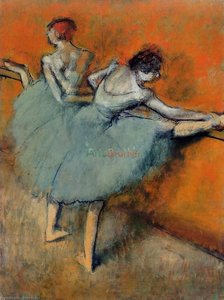
Um Vislumbre do Mundo do Balé – “The Star” de Edgar Degas
Edgar Degas, um nome sinônimo do Impressionismo, possuía uma fascinação singular que transcendia a mera busca artística; ele estava completamente cativado pelo mundo do balé. Em sua extensa obra, “The Star”, também conhecido como Dancer with a Bouquet of Flowers ou Star of the Ballet, representa um exemplo particularmente pungente e evocativo dessa obsessão. Criado entre 1876 e 1877 em pastel sobre monotipia, não se trata simplesmente de uma representação de uma bailarina; é um tableau cuidadosamente construído, repleto de profundidade psicológica, movimento e quase palpável sensação de atmosfera.
Degas não estava contente em registrar apenas a aparência superficial de seus assuntos. Ele era movido por um desejo de capturar sua essência – sua solidão, sua intensidade e os momentos fugazes que definiam sua existência. Isso é brilhantemente realizado em “The Star”, onde a bailarina, Rosita Mauri, não está posada estaticamente, mas imbuída de um senso de antecipação equilibrada, seu olhar direcionado para uma audiência invisível. A pintura sussurra sobre um mundo por trás do véu – um mundo de ambição, escrutínio e talvez, um toque de melancolia.
A Abordagem Única do Artista: Realismo em um Mundo Moderno
Embora frequentemente categorizado como Impressionista, Degas deliberadamente resistiu a essa etiqueta, preferindo se identificar como um realista. Ele rejeitou a pintura *en plein air* favorecida por muitos de seus contemporâneos, em vez disso, meticulosamente elaborando suas obras dentro dos limites de seu estúdio. Essa escolha deliberada permitiu que ele exercesse maior controle sobre cada detalhe – da textura delicada do pastel à disposição precisa das figuras ao fundo. Sua maestria no desenho é imediatamente aparente; a forma da bailarina é renderizada com precisão notável e um notável entendimento da anatomia, mas ela não está congelada no tempo, mas capturada em movimento, irradiando graça e poder.
A técnica em si – pastel sobre monotipia – contribui significativamente para o caráter único da pintura. A monoprintagem permite variações sutis de tom e cor, criando uma qualidade luminosa que imita os efeitos da luz natural. O uso de múltiplas camadas de pastel constrói profundidade e riqueza, enquanto as bordas ligeiramente borradas contribuem para a sensação de movimento e imediatismo.
Uma Sinfonia de Detalhes: Cavalos, Sombras e Simbolismo
Além da figura central, “The Star” está repleta de detalhes cuidadosamente considerados que enriquecem sua narrativa. A presença de cavalos ao fundo – um detalhe frequentemente negligenciado – foi interpretada como uma ligação simbólica entre o balé e o equestre, refletindo a fascinação duradoura de Degas por cavalos e seu desejo de capturar a dinâmica de ambas as disciplinas. Observe também a figura sombria espreitando atrás do véu; essa presença enigmática sugere o mundo exigente do balé profissional, onde o talento é nutrido ao lado da disciplina rigorosa e, frequentemente, um grau de exploração.
O buquê de flores segurado pela bailarina adiciona outra camada de significado. Não se trata apenas de um detalhe ornamental, mas sim de um símbolo de beleza, fragilidade e talvez até mesmo de fama passageira. A disposição em si – um grupo elegante e simples de flores brancas – fala da pureza e graça associadas ao balé.
Um Legado Preservado: A Série de Balés de Degas e Além
“The Star” faz parte de uma série maior de pinturas de Degas focada no mundo do balé, oferecendo um vislumbre sem precedentes desse reino frequentemente escondido. Essas obras, agora alojadas em instituições prestigiosas como o Musée d'Orsay em Paris, são celebradas por sua percepção psicológica e sua capacidade de capturar a essência da dança. A influência de Degas sobre as gerações posteriores de artistas é inegável, e seu legado continua a inspirar admiração e espanto até hoje. Para aqueles que buscam uma reprodução de alta qualidade desta obra-prima cativante, OriginalUniqueArt oferece reproduções meticulosamente elaboradas à mão que capturam fielmente o espírito e a arte de Edgar Degas.
movement: Impressionismo topics: Balé, Bailarina, Pastel, Movimento, Palco, Flores, Degas, BaléClássico creative_period: Período Maduro corpus_context: O estilo acadêmico de Ingres, Observação realista, Estética do balé, Série sobre bailarinas, Capturando o movimento fugaz, Explorando a emoção humana, Vida parisiense moderna, Dança como espetáculoBiografia do Artista
A Life Immersed in Movement
Edgar Degas, born Hilaire-Germain-Edgar De Gas in Paris on July 19, 1834, stands as a captivating enigma within the annals of art history. Often categorized alongside the Impressionists—Monet, Renoir, and others who revolutionized painting in the late 19th century—Degas fiercely resisted this label, preferring to identify himself as a realist. This commitment stemmed from his unwavering dedication to meticulous observation of the world around him, translating it onto canvas with an honesty that was both startling and profoundly insightful. His early life unfolded within the comfortable confines of a bourgeois upbringing; his father, a banker, and his mother, hailing from a Creole family in New Orleans, afforded him access to education and artistic training—though he often felt constrained by the rigid expectations of academic tradition. Initially enrolled at the Lycée Louis-le-Grand, Degas’s true education began when he immersed himself in the Louvre, meticulously copying works by masters like Raphael and Michelangelo, honing his skills and igniting a lifelong passion for classical art. However, this early training wasn't simply about imitation; it was a springboard for constant questioning and reevaluation of artistic norms—a defining characteristic that would shape his entire career. He possessed an independent spirit, refusing to be confined by convention, and this rebellious streak fueled his unique artistic vision.Beyond Impressionism: A Distinct Artistic Voice
While contemporaries like Monet chased the ephemeral beauty of light outdoors, capturing fleeting moments in plein air, Degas largely maintained a studio-based practice. His process involved constructing scenes from careful observation and memory, often working from sketches and studies made at a distance. This deliberate approach allowed him to analyze forms and compositions with an unparalleled level of detail. His subject matter deliberately shifted away from the historical or mythological themes favored by many academic painters, instead focusing on the vibrant, often gritty reality of Parisian life. He found inspiration in the everyday experiences of ordinary people: laundresses hauling their heavy loads, cabaret singers captivating audiences with their performances, milliners crafting elaborate hats, and, most famously, dancers—particularly those performing at the Paris Opera Ballet. Degas didn’t merely paint beautiful ballerinas; he sought to capture the grueling reality of their profession – the endless rehearsals, the physical strain, the fleeting moments of grace amidst a world of relentless labor. His compositions were frequently unconventional, cropping figures in unexpected ways and utilizing asymmetrical arrangements that created a sense of dynamism and immediacy. He was a master of capturing movement, not through blurred lines or hazy effects, but through precise observation and careful rendering of form. Works like *Dancer, A Group of Dancers*, *Women Combing Their Hair*, and *The Dance Class* exemplify this dedication to portraying the human figure in motion and revealing the complexities of modern life. He wasn’t interested in superficial beauty; he sought to expose the truth beneath the surface.Influences and Artistic Development
Degas's artistic journey was a rich tapestry woven from diverse influences. His early training instilled in him a deep respect for classical principles, particularly the work of Jean-Auguste-Dominique Ingres, whose emphasis on draftsmanship and precise form profoundly impacted his style. However, he also drew inspiration from Realist painters like Gustave Courbet, who challenged academic conventions and championed the depiction of contemporary life with unflinching honesty. A pivotal moment in his development occurred through his association with Camille Pissarro, a leading Impressionist who encouraged him to experiment with new techniques and broadened his artistic horizons. Degas was particularly captivated by Japanese prints—Ukiyo-e—which exerted a significant influence on his compositions, inspiring him to embrace asymmetrical arrangements, flattened perspectives, and bold patterns. He also keenly observed photography, recognizing its potential as a tool for studying movement and capturing fleeting moments in time. This willingness to incorporate diverse influences into his work – from classical art to Japanese prints to the burgeoning field of photography – is what truly distinguishes Degas and contributes to the unique character of his art. He wasn’t afraid to borrow from different sources, synthesizing them into something entirely new.Major Achievements and Legacy
Edgar Degas died in Paris on September 27, 1917, leaving behind a remarkably diverse body of work that continues to captivate and inspire audiences worldwide. His innovative approach to composition, his masterful draftsmanship, and his unflinching portrayal of modern life have had a profound impact on the course of art history. He wasn’t simply a painter of dancers or racehorses; he was a keen observer of human nature, a master of form and movement, and a true innovator who redefined the possibilities of art. His influence can be seen in the work of Pablo Picasso and Henri Matisse, among others, demonstrating his lasting legacy as a pivotal figure in the transition from realism to modernism. Museums across the globe—including the Musée d'Orsay and the Musée de l’Orangerie in Paris—house significant collections of his paintings, pastels, sculptures, and prints, ensuring that his artistic vision will continue to be appreciated for generations to come.- A Master of Line: Degas's exceptional draftsmanship set him apart.
- Modern Life as Subject: He focused on contemporary Parisian scenes, breaking from tradition.
- Influence on Future Artists: His work profoundly impacted Picasso and Matisse.
Key Works
Among his most celebrated works are *Dancer and Tambourine*, a vibrant depiction of a ballerina in mid-performance; *The Ballet Class*, offering an intimate glimpse into the rigorous training of young dancers; *Degas in a Green Jacket*, capturing a candid moment of leisure; *The Collector*, showcasing a portrait of a wealthy art collector; and *Women Combing Their Hair*, a study of domestic life. These works, along with countless others, reveal Degas’s remarkable ability to capture the essence of his subjects – their beauty, their struggles, and their humanity.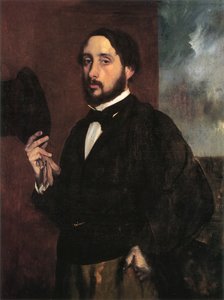
hilaire-germain-edgar degas
1834 - 1917 , França
Dados Rápidos
- Artistic Movement Or Style: Impressionismo, Realismo
- Artists Or Movements Influenced By This Artist:
- Picasso
- Matisse
- Artists Who Influenced This Artist:
- Ingres
- Courbet
- Pissarro
- Date Of Birth: 1834
- Date Of Death: 1917
- Full Name: Hilaire-Germain Edgar Degas
- Nationality: Francês
- Notable Artworks:
- Dançarina e Tamborim
- A Aula de Dança
- Degas no Casaco Verde
- O Colecionador
- Mulheres penteando seus cabelos
- Place Of Birth: Paris, França
Artigos Relacionados

The Subtleties of Pastel: A Comprehensive Exploration of Technique, History & Emotional Resonance
Explore the captivating world of pastel art! Discover its rich history, Impressionistic masters like Degas, emotional power & unique techniques. Find museum-quality reproductions at OriginalUniqueArt.

Edgar Degas: Capturing Modern Life – A Study of Movement, Observation, and the Parisian Belle Époque
Explore the captivating world of Edgar Degas! Discover his innovative techniques, iconic ballet paintings, and unique portrayal of Parisian life in this insightful art history study.
The Subdued Radiance of Pastel Palettes: Exploring Emotional Resonance in Art History
Explore the emotional power of pastel palettes in art history! Discover Impressionism, Post-Impressionism & color psychology insights. Find museum-quality reproductions at OriginalUniqueArt.
The Soft Power of Pastel: A Connoisseur's Guide to History, Technique, and the Art of Texture
Explore the ethereal beauty of pastel art. From Renaissance origins to Impressionist mastery, discover the history, technique, and velvety textures that define this luminous medium in our expert guide for art connoisseurs.

Soft Light & Velvet Touch: The Ethereal Magic of Pastel Artistry in Impressionist Masterpieces
Discover the ethereal beauty of pastel art through an Impressionist lens. Explore how masters like Monet and Renoir captured light and velvet textures, and learn to curate a collection of luminous, museum-quality masterpieces for your home.