Alternar para Impressão
 Ler mais







































 Para obras de arte ou reproduções com mais de 105 cm (aproximadamente 41 polegadas) em qualquer um dos lados, a moldura será enviada como um kit desmontado. Este método garante uma entrega segura e evita danos durante o transporte.


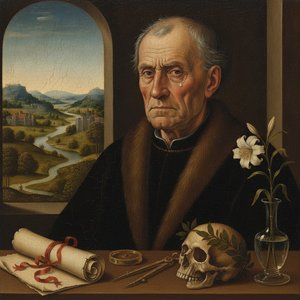
A World of Folly: Decoding Bosch’s *Triptych of Haywain (detail)*
Hieronymus Bosch's *Triptych of Haywain*, completed around 1500-1510, stands as one of the most arresting and perplexing achievements of the Northern Renaissance. Far from a straightforward depiction of biblical narrative—specifically referencing the Tower of Babel—this monumental panel presents a visceral confrontation with human ambition, indulgence, and spiritual decay. It’s a scene that continues to captivate viewers centuries later, prompting ongoing debate about its meaning and artistic significance. This detailed examination focuses on a single section of the triptych, offering a glimpse into Bosch's masterful technique and profound symbolic vision.Subject & Narrative: A Cautionary Tale
The central panel portrays a sprawling landscape dominated by an enormous hay wagon overflowing with figures engaged in grotesque activities—a deliberate rejection of idealized pastoral imagery prevalent at the time. Bosch doesn’t offer a linear narrative; instead, he crafts a panoramic *vision*, inviting contemplation on the perils inherent in earthly pursuits and the futility of striving for divine grace through material gratification. The scene pulsates with unsettling energy, populated by characters consumed by gluttony, gambling, and musical performances that descend into cacophony. Bosch’s aim wasn't to chronicle a specific event but to deliver a moral sermon—a powerful indictment of human vanity and the seductive allure of sin.Style & Technique: A Master of the Macabre
Bosch’s artistic style is instantly recognizable for its unsettling blend of realism and fantasy, achieved through meticulous oil paint application on oak panel in multiple thin glazes. This layering creates a luminous quality despite the predominantly dark palette—a characteristic feature of his oeuvre. Note the angularity of the forms, the distorted figures—often rendered with animalistic traits—and the pervasive presence of demonic imagery subtly interwoven into the composition. The flattened perspective contributes to the claustrophobic atmosphere, drawing the viewer directly into the scene’s disturbing core. Bosch's technique embodies the spirit of Mannerism, prioritizing psychological intensity and expressive distortion over conventional representation.Symbolism & Allegory: Layers of Meaning
The *Triptych of Haywain* is laden with symbolism—each element serving as a conduit for conveying complex moral ideas. The hay wagon itself represents the intoxicating promise of worldly possessions—a deceptive path leading away from spiritual contemplation. The figures embody archetypal vices, reflecting anxieties about mortality and the consequences of unchecked desire. Consider the musical instruments: they symbolize frivolous pursuits that distract from piety. The grotesque animalistic representations underscore Bosch’s preoccupation with primal instincts and the darker side of human nature. Even seemingly insignificant details—such as the demonic presence lurking beneath the surface—reinforce the overarching allegory—a reminder that earthly temptations are fueled by evil forces.Historical Context & Influence
Created during a period marked by religious upheaval and societal anxieties, Bosch’s work reflects the intellectual currents of his time—particularly the humanist critique of medieval dogma. Yet, he transcends mere historical reflection; Bosch was remarkably ahead of his contemporaries in anticipating stylistic innovations that would resonate throughout subsequent artistic movements. His visionary imagery foreshadowed elements found in Surrealism and Expressionism, cementing his place as a pivotal figure in art history. The *Triptych of Haywain* continues to inspire artists and scholars alike—a testament to its enduring power and profound exploration of the human condition. ## Emotional Impact & Aesthetic Appeal This detail from the *Triptych of Haywain* evokes a potent blend of emotions—unease, fascination, even morbid curiosity. It’s not merely a visually arresting image; it compels viewers to confront uncomfortable truths about themselves and their relationship with faith. Its chaotic composition and disturbing imagery serve as a powerful reminder that true fulfillment lies beyond the confines of earthly pleasures. For interior designers seeking to inject intellectual depth into their spaces, this artwork—or a high-quality reproduction—offers an exceptional opportunity to stimulate conversation and evoke contemplation on themes of morality, spirituality, and the complexities of human experience. It stands as a timeless masterpiece—a visual paradox that challenges perception and invites ongoing interpretation.Perguntas e Respostas
Quem criou "Triptico Del Carro De Heno" e em qual estilo se encontra?
Por trás de "Triptico Del Carro De Heno" estão Hieronymus Bosch e o movimento Mannerism.
Quais temas aparecem em "Triptico Del Carro De Heno", de Hieronymus Bosch?
Os temas de "Triptico Del Carro De Heno" são allegory, religious painting, northern renaissance, symbolism, medieval art, psychological depth, fantastical imagery.
Quantas pessoas visualizam "Triptico Del Carro De Heno"?
As estatísticas sobre "Triptico Del Carro De Heno", de Hieronymus Bosch encontram-se na página de Estatísticas da obra: visitas mensais da obra, visitas às obras do artista e o detalhamento por país e idioma dos visitantes recentes.
 Visualizar na parede
 Compartilhar
 Compartilhar
 Detalhes
 Guia
Guia

 Baixar imagem
 Semelhantes
 Raio X
 Ver diaporama
 Q&A
Q&A Estatísticas