

 Visualizar na parede
 Compartilhar
 Compartilhar
 Detalhes
 Guia
Guia

 Baixar imagem
 Semelhantes
 Raio X
 Ver diaporama
 Estatísticas
LES DEUX RIVAUX


 Ler mais
Reprodução em Óleo Feita à Mão
Óleo sobre tela pintado à mão no tamanho e moldura de sua escolha, feito sob encomenda pelos nossos artistas. ( Alternar para Impressão Alternar para Imagem Digital)




P118B €10

P118H €10

P118W €10

P438Z €10

P508JH €12

P508YH €12

P805H €10

P805Z €10

P919BZ €10

P919G €10

P919XJ €10

P959ZH €10

P968JZ €12

W106C €8

W218G €10

W218JH €8

W218Y €10

W307PJ €10

W316G €10

W316PJ €8

W316Y €10

W398PJ €8

W4111J €10

W500HY €15

W500JH €15

W692G €12

W849H €8

W940BG €15

W953PJ €8




Escolha entre os nossos tamanhos pré-definidos que respeitam as proporções originais da obra de arte.

Insira a largura e a altura desejadas para se ajustarem à sua moldura ou parede. Como esta obra é pintada à mão, para um tamanho com proporções diferentes, o artista poderá pintar um pouco mais ao redor da imagem ou reduzir ligeiramente a composição — você escolhe. Enviamos uma maquete digital para sua aprovação antes de iniciar a pintura. A imagem exibida nesta página não representa o resultado real — apenas a maquete mostra o resultado final.
Após o pedido, a equipa OriginalUniqueArt.com enviará um e-mail ao cliente para solicitar instruções e fornecer uma prévia do esboço.
Entrega mundial () em 3 a 4 semanas, em vez das 5 semanas padrão. (25 Outubro). Sem comprometer a qualidade.

Envio expresso gratuito para todo o mundo

Tela de Linho de Alta Qualidade

Seguro de transporte completo

Garantia de Reembolso de Impostos Alfandegários

Garantia de Fidelidade Cromática

Política de Devolução em 100 Dias (Apenas para Defeitos)

Garantia de reembolso de 100%

Oferta de desconto por quantidade
 A opção de vidro está disponível apenas para tamanhos inferiores a 110 cm

LES DEUX RIVAUX
Técnica de Reprodução
Tamanho da Reprodução
-


Preço Total
€ 307
A Study in Romantic Rivalry: Unveiling “Les Deux Riviaux”
Henry Singleton’s “Les Deux Riviaux,” a captivating oil painting from the late 18th or early 19th century, transcends mere portraiture to become a poignant meditation on romantic tension and unspoken desire. More than just a depiction of three figures, it's a carefully constructed tableau brimming with emotional complexity—a scene frozen in a moment of poised conflict and veiled longing. The painting immediately draws the viewer into its world of muted elegance and subtle drama, inviting contemplation of the relationships between the individuals depicted.
Singleton’s work firmly places itself within the Neoclassical and early Romantic traditions, a period characterized by an interest in both classical ideals of beauty and a burgeoning exploration of subjective experience. The composition—a triangular arrangement centered around the woman—is deliberately balanced, yet subtly unsettling. The figures are rendered with a remarkable degree of realism, reflecting the meticulous attention to detail typical of the era, but imbued with a heightened sense of emotionality. Notice how Singleton masterfully employs light and shadow to sculpt the forms, creating an atmosphere of both intimacy and restrained power.
Decoding the Composition: Figures in Dialogue
At the heart of the painting stands a woman, positioned between two men—a dynamic that immediately establishes the core narrative. The man seated to her right, his hand outstretched as if pleading or offering a token of affection, embodies vulnerability and perhaps desperation. His attire – a richly colored jacket and hat – speaks to his status and adds to the scene’s formality. The second man, standing slightly to the left, observes this interaction with an expression that suggests disappointment, rejection, or perhaps a quiet resignation. This figure's posture and averted gaze hint at a thwarted ambition or unrequited feelings. The woman herself remains enigmatic; her expression is difficult to decipher—is she receptive, wary, or simply observing? Her placement between the two men underscores her pivotal role in this delicate dance of emotions.
Singleton’s use of color plays a crucial role in conveying the painting's mood. The palette is dominated by soft creams, whites, and grays—a restrained elegance that contrasts sharply with the vibrant reds of the men’s jackets and hats. These splashes of color serve as focal points, drawing attention to key elements within the composition and injecting a sense of urgency into the scene. The atmospheric perspective – the subtle blurring of background details – creates a sense of depth and distance, further emphasizing the intimacy of the immediate interaction.
Technique and Historical Context: A Master’s Hand
Examining Singleton's technique reveals a skilled artist deeply invested in his craft. The brushstrokes are visible yet controlled, contributing to the painting’s overall texture and richness. Layering of colors creates depth and form, while careful attention to detail is evident in the rendering of fabrics, facial features, and accessories. Singleton’s work reflects the artistic conventions of the time—a focus on realistic representation combined with a heightened sense of emotional expression. The subject matter itself – romantic rivalry – was a common theme in 18th-century art, often explored through allegorical or mythological narratives.
Further research reveals that Henry Singleton (1766-1839) was an English painter and miniaturist who exhibited at the Royal Academy for decades. His work is now held in major collections across the United Kingdom. The painting’s provenance, as documented by the Musée du Louvre, adds to its historical significance, placing it within a rich artistic lineage. The inclusion of detailed research links this artwork to both Singleton's broader career and contemporary art history.
Bringing “Les Deux Riviaux” into Your Space
“Les Deux Riviaux” is more than just a beautiful painting; it’s a powerful evocation of human emotion. Its themes of romantic tension, unrequited love, and unspoken desires resonate deeply with viewers today. A high-quality reproduction offers an accessible way to bring this captivating artwork into your home or office, adding a touch of elegance, drama, and emotional depth to any space. Consider framing it in a classic style to complement its historical aesthetic, or exploring digital prints for a versatile display option.
Perguntas e Respostas
Como o contraste e a harmonia se combinam em "LES DEUX RIVAUX"?
Em "LES DEUX RIVAUX", um Statement contraste une-se a uma Strong Color Unity harmonia.
Quão harmoniosas são as cores de "LES DEUX RIVAUX", de Henry Singleton?
A harmonia de cores de "LES DEUX RIVAUX" é definida como Strong Color Unity.
Que sentimento "LES DEUX RIVAUX", de Henry Singleton expressa dentro de Neoclassicism?
Dentro do movimento Neoclassicism, "LES DEUX RIVAUX" é registrada com um tom Melancholic.
Biografia do Artista
O Legado de um Mestre da Miniatura e do Retrato
Nascido no vibrante tecido artístico de Londres em 1766, Henry Singleton estava destinado a uma vida definida pelo pincel e pela paleta. Seus primeiros anos foram moldados por uma profunda conexão familiar com as artes; após a perda prematura de seu pai quando era apenas um bebê, Singleton foi criado sob o olhar atento de seu tio, William Singleton. Esta mentoria proporcionou mais do movimento do que apenas estabilidade familiar; ofereceu uma linhagem direta às prestigiadas tradições da pintura em miniatura inglesa, tendo sido treinado sob a tutela do estimado Ozias Humphry. Crescendo em um ambiente onde a arte era a linguagem primordial — cercado por tios e irmãs que eram todos expositores reconhecidos na Royal Academy — o desenvolvimento de Singleton foi uma progressão orgânica de habilidade herdada e um talento individual florescente.
Como jovem, Singleton demonstrou um domínio precoce tanto de escala quanto de temática. Sua educação formal nas Escolas da Royal Academy começou no final de sua adolescência e, em 1784, ele já havia conquistado a medalha de prata, sinalizando sua chegada como um talento formidável. O auge de seu reconhecimento acadêmico inicial ocorreu em 1788, quando sua ambiciosa pintura retratando o poema Alexander’s Feast, de John Dryden, rendeu-lhe a prestigiada medalha de ouro. Esta conquista destacou um período de sua carreira no qual ele buscou transcender os delicados limites do trabalho em miniatura para enfrentar composições históricas e bíblicas grandiosas e abrangentes. Sua habilidade de tecer narrativas complexas da Bíblia, de Shakespeare e da história contemporânea permitiu-lhe atrair a atenção nas telas de grande escala exigidas pelas instituições mais significativas da época.
Uma Carreira de Presença Duradoura
Embora suas ambições iniciais estivessem voltadas para o monumental, a jornada profissional de Singleton foi marcada por uma versatilidade notável que garantiu sua longevidade na competitiva cena artística londrina. Ele tornou-se uma figura constante da Royal Academy, exibindo aproximadamente 300 obras entre 1784 e 1839. Há uma ironia pungente em sua trajetória memorável: apesar de ter sido comissionado pela Royal Academy em 1793 para pintar um enorme retrato de grupo de quarenta acadêmicos, ele nunca alcançou o status formal de membro ou associado. No entanto, sua presença era tão constante e sua habilidade tão respeitada que ele acabou se tornando o expositor vivo mais idoso da Royal Academy, um testemunho de uma vida de dedicação inabalável ao seu ofício.
Seu repertório era tão diverso quanto tecnicamente proficiente, abrangendo diversos modos distintos de pintura:
- Retratística: Um pilar de sua carreira, onde sua capacidade de capturar o caráter e o status o tornou um artista muito procurado pela elite inglesa.
- Miniaturas: Mantendo a tradição familiar, estas obras íntimas exibiam sua precisão e toque delicado.
- Obras Históricas e Bíblicas: Composições de grande escala que utilizavam iluminação dramática e profundidade narrativa para explorar temas religiosos e literários.
Além da Royal Academy, a influência de Singleton estendeu-se à British Institution e à Society of British Artists, garantindo que seu trabalho alcançasse um amplo espectro de colecionadores e conhecedores. Sua vida encerrou-se em Londres, em 1839, deixando para trás um corpo de obras que serve como uma janela vital para os valores estéticos do final do século XVIII e início do século XIX. Através de seus retratos e cenas históricas, Singleton capturou não apenas os rostos de seus contemporâneos, mas o próprio espírito de uma era definida pela grandeza clássica e pela beleza íntima da miniatura.

Henry Singleton
1766 - 1839 , Inglaterra
Dados Rápidos
- Artistic Movement Or Style: Rococó
- Artists Or Movements Influenced By This Artist: ['Shakespeare']
- Artists Who Influenced This Artist:
- Ozias Humphry
- Joseph Singleton
- Date Of Birth: 1766-10-19
- Full Name: Henry Singleton
- Nationality: Inglês
- Notable Artworks:
- Paulo I concedendo a Liberdade a Kosciuszko
- A Morte do Capitão Alexander Hood após capturar o francês 74 L'Hercule
- Place Of Birth: Londres, Inglaterra
Artigos Relacionados

O Legado Duradouro da Pintura a Óleo sobre Tela: Técnica, História e Prática Contemporânea
Explore a história e as técnicas da pintura a óleo com especialistas. Descubra os mestres, materiais essenciais e o futuro desta arte atemporal. Reproduções de qualidade museológica.

The Enduring Power of Painting: A Historical & Contemporary Exploration of Form and Emotion
Explore the rich history & enduring techniques of oil painting with OriginalUniqueArt. Discover masterpieces, learn about art collecting, and find authentic handmade reproductions crafted by skilled artists.
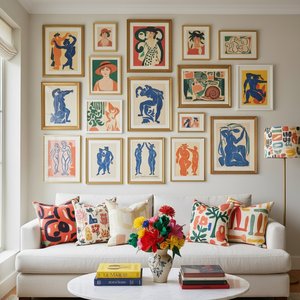
Henri Matisse: As 25 Obras-Primas que Definem um Mestre da Cor | OriginalUniqueArt
Descubra as 25 obras-primas de Henri Matisse que revolucionaram a arte moderna! Explore o Fauvismo, cores vibrantes e a história por trás dos quadros mais famosos do artista. Encontre reproduções de alta qualidade para decorar sua casa com OriginalUniqueArt.com.

The Enduring Legacy of Oil on Canvas: Technique, History & Aesthetic Impact
Explore the rich history & techniques of oil painting – from Renaissance masters to Impressionism. Discover pigments, layering methods, and why this timeless medium endures. Expert insights for artists & art enthusiasts.

Oil on Canvas: A Historical & Technical Exploration of a Timeless Artistic Medium
Explore the rich history & enduring techniques of oil painting on canvas. Discover the science behind its longevity, conservation practices, and contemporary relevance. Expert insights for art enthusiasts.
