

 Visualizar em escala
 Enviar
 Compartilhar
 Ver detalhes
 Guia de Obras do Aluno

 Baixar imagem
 Semelhantes
 Raio X
 Apresentação de slides
 Estatísticas
Lord Ronald Sutherland Gower


 Ver mais
Giclée / Impressão de Arte
Impressão giclée ou em tela de qualidade de museu, com produção rápida e opções flexíveis de acabamento. ( Encomendar reprodução pintada à mão Ver Imagem Digital)




P118B €10

P118H €10

P118W €10

P438Z €10

P508JH €12

P508YH €12

P805H €10

P805Z €10

P919BZ €10

P919G €10

P919XJ €10

P959ZH €10

P968JZ €12

W106C €8

W218G €10

W218JH €8

W218Y €10

W307PJ €10

W316G €10

W316PJ €8

W316Y €10

W398PJ €8

W4111J €10

W500HY €15

W500JH €15

W692G €12

W849H €8

W940BG €15

W953PJ €8




Escolha entre os nossos tamanhos pré-definidos que respeitam as proporções originais da obra de arte.

Digite a largura e a altura de que necessita, para se ajustar à sua moldura ou à sua parede. Uma impressão só pode ser cortada, nunca ampliada além da imagem original, pelo que um tamanho com uma proporção diferente perderá parte da imagem. Enviamos-lhe uma maquete digital para aprovação antes de imprimirmos qualquer coisa. A imagem apresentada nesta página não mostra o corte real — apenas a maquete o faz.
Entrega mundial () em 2 semanas, em vez das 4/5 semanas padrão. (22 Outubro)

Envio expresso gratuito para todo o mundo

Tela de Linho Premium

Seguro de transporte total

Garantia de Reembolso de Impostos Alfandegários

Garantia de Fidelidade de Cor

Política de Devolução em 100 Dias (Apenas para Defeitos)

Garantia de reembolso de 100%

Desconto para múltiplas unidades
 A opção de vidro está disponível apenas para tamanhos inferiores a 110 cm

Lord Ronald Sutherland Gower
Giclée / Impressão de Arte
Dimensões da Reprodução
-


Preço Total
€ 70
The Subject and Its Time
Henry Scott Tuke’s 1897 painting, “Lord Ronald Sutherland Gower,” isn't merely a likeness; it’s a carefully constructed tableau of late Victorian society. The subject himself, Lord Ronald Charles Sutherland-Leveson-Gower, was a figure of considerable standing – a sculptor renowned for his statue of William Shakespeare in Stratford-upon-Avon, and a man deeply embedded within the intellectual and artistic circles of London. Born into a distinguished lineage tracing back to the Earls of Carlisle, Gower’s life intersected with some of the most prominent artists and writers of the era, including Oscar Wilde. The painting captures him not as a flamboyant celebrity, but as a man of quiet authority, radiating an understated sense of dignity and bearing – a reflection of his social position and the expectations placed upon gentlemen of his station.
A Masterclass in Realist Detail
Tuke’s artistic approach is firmly rooted in realism, yet transcends simple representation. He employs a meticulous attention to detail, rendering every facet of Gower's appearance with remarkable precision. The artist skillfully captures the texture of his tailored suit, the subtle lines etched by age and experience on his face, and the carefully arranged poppy pinned to his lapel – a small emblem that subtly hints at remembrance or perhaps even loyalty. The brushwork is deliberately controlled, creating a sense of solidity and depth, while simultaneously conveying a remarkable level of intimacy. Notice how Tuke uses light and shadow to sculpt Gower’s form, imbuing the portrait with a palpable three-dimensionality.
Impressionistic Techniques in a Formal Setting
Despite its adherence to realism, “Lord Ronald Sutherland Gower” reveals subtle influences of Impressionism. Tuke's use of broken color and short brushstrokes creates a shimmering surface that captures the play of light on the subject’s clothing and features. The dark background serves not as mere emptiness but as a carefully considered element, drawing attention to the figure and enhancing its presence. The painting is executed in oil on canvas, a traditional medium that allowed Tuke to build up layers of color and texture with remarkable control. This combination of formal portraiture techniques with Impressionistic touches creates a captivating visual experience – a harmonious blend of tradition and innovation.
Symbolism and Emotional Resonance
Beyond the surface details, “Lord Ronald Sutherland Gower” is rich in symbolic meaning. The poppy, as mentioned earlier, carries connotations of remembrance and loyalty, potentially alluding to Gower’s service within Parliament or his connections to various noble families. The subject's stern expression – a hallmark of Victorian portraiture – suggests a man of seriousness and responsibility. Yet, there is also an underlying sense of melancholy in his gaze, hinting at the complexities and burdens of a life lived within the constraints of social expectations. The painting evokes a feeling of quiet contemplation, inviting viewers to consider not only Gower’s individual character but also the broader context of Victorian society – its values, its anxieties, and its aspirations.
A Legacy in Reproduction
Today, “Lord Ronald Sutherland Gower” stands as a testament to Henry Scott Tuke's artistic skill and his ability to capture the essence of his subjects. High-quality reproductions offer an accessible way to appreciate this remarkable portrait, bringing its beauty and historical significance into any home or gallery space. Consider commissioning a hand-painted reproduction from OriginalUniqueArt.com – a faithful recreation that preserves the painting’s original charm and detail, allowing you to experience the artistry of Tuke's vision firsthand.
Perguntas e Respostas
Quão clara é a obra "Lord Ronald Sutherland Gower" no geral?
No geral, "Lord Ronald Sutherland Gower" é registrado como deep_shadow. A luminosidade percebida descreve o quão clara ou escura a obra parece ser.
Quais pseudônimos ou nomes alternativos Henry Scott Tuke possui?
Outros nomes registrados para Henry Scott Tuke, criador de "Lord Ronald Sutherland Gower", incluem H.S. Tuke.
Qual disposição melhor se adapta ao formato de "Lord Ronald Sutherland Gower" de Henry Scott Tuke?
O formato Portrait de "Lord Ronald Sutherland Gower" de Henry Scott Tuke é recomendado para um(a) Living Room. O formato e o espaço juntos orientam a disposição de uma reprodução.
Biografia do Artista
Henry Scott Tuke (1858–1929) – Um Ícone da Escola Newlyn e da Pintura Impressionista Britânica
Henry Scott Tuke, um artista inglês cuja obra permanece profundamente marcada pela beleza da luz natural e pela delicadeza das figuras humanas, nasceu em York, Inglaterra, em 12 de junho de 1858. Filho de Daniel Hack Tuke, médico psiquiatra renomado e defensor fervoroso do tratamento humano dos pacientes mentais, Henry foi criado em uma família que valorizava a educação e o cultivo da arte desde cedo. Sua influência paterna desempenhou um papel fundamental na formação de seu olhar artístico e intelectual.Formação Acadêmica e Influências Artísticas
Tuke iniciou seus estudos artísticos na Slade School of Art, Londres, onde recebeu orientação de Alphonse Legros e Sir Edward Poynter – figuras importantes do movimento impressionista inglês. Essas aulas proporcionaram uma base sólida em técnicas pictóricas inovadoras e o expuseram às ideias estéticas da época, que buscavam capturar os efeitos fugazes da luz e da atmosfera sobre a paisagem e o corpo humano. Sua ligação com artistas como Jules Bastien-Lepage e John Singer Sargent reforçou seu interesse pela pintura ao ar livre e pelo retrato psicológico.A Escola Newlyn e o Estilo Impressionista
Em 1883, Tuke abandonou Londres para estabelecer residência em Falmouth, Cornualha – uma região que ele admirava desde a infância por suas paisagens marítimas e pela atmosfera inspiradora. Foi nesse ambiente que ele encontrou outros artistas talentosos e fundou a Escola Newlyn, um grupo de pintores que buscavam criar uma estética própria, caracterizada pela espontaneidade da pincelada e pela atenção aos detalhes da natureza. Sua obra mais emblemática é composta por pinturas de jovens nus em ambientes luminosos, muitas vezes ao lado do mar – cenas que evocam uma sensação de liberdade e beleza idealizada. Essas obras refletem o espírito da Escola Newlyn e o estilo impressionista dominante na Inglaterra da época.Principais Obras e Legado Artístico
Entre suas pinturas mais significativas destacam-se "O Sonho Infantil" (The Boy’s Dream), uma obra que demonstra sua maestria na captura da emoção humana e na beleza da luz suave; "August", uma composição que celebra a força e o vigor da juventude; e "Navios à Costa em Newlyn", um retrato impressionista das paisagens costeiras inglesas. Além de suas pinturas figurativas, Tuke também se destacou como artista marítimo, criando obras que capturam a beleza dos navios e o movimento do oceano com uma precisão técnica admirável. Sua obra permanece relevante hoje por sua estética inovadora e pela sensibilidade artística que transmite ao espectador. Henry Scott Tuke é considerado um dos artistas mais importantes da Escola Newlyn e um símbolo da pintura impressionista britânica, cuja influência pode ser observada em obras de artistas posteriores. Sua obra continua a inspirar artistas e amantes da arte em todo o mundo.
Henry Scott Tuke
1858 - 1929 , Reino Unido
Informações Rápidas
- Artistic Movement Or Style: Impressionism
- Artists Who Influenced This Artist:
- Alphonse Legros
- Sir Edward Poynter
- Date Of Birth: Jun 12, 1858
- Date Of Death: Mar 13, 1929
- Full Name: Henry Scott Tuke
- Nationality: British
- Notable Artworks:
- The Boy’s Dream
- August
- Sailing Ships at Newlyn
- Place Of Birth: York, United Kingdom
Artigos Relacionados
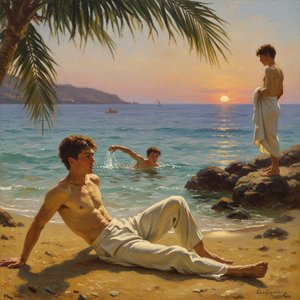
Henry Scott Tuke: Sunlit Masculinity & the Pastoral Ideal in Victorian Painting
Explore the captivating world of Henry Scott Tuke's paintings – a master of British Impressionism renowned for his intimate depictions of youth and sunlit maritime scenes. Discover his legacy & aesthetic influence.
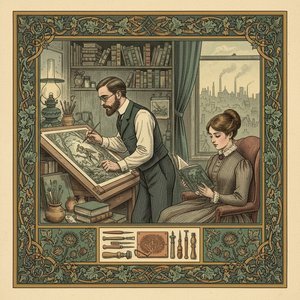
The Refined Aesthetic of Victorian Illustration: A Study in Narrative & Technique
Explore the captivating world of Victorian illustration! Discover Pre-Raphaelite influences, key artists like Rossetti & Stephens, and the era's rich narrative detail. A deep dive for art enthusiasts.

Henry William Pickersgill: Narrative, Reform & the Victorian Domestic Interior
Explore the life & work of Henry William Pickersgill, a leading Victorian portrait artist. Discover his narrative style, realistic depictions of society, and lasting influence on British art history. Fine art reproductions available at OriginalUniqueArt.
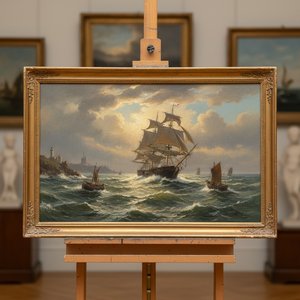
Henry Thomas Dawson: Navigating Light, Sea & Sentiment in Victorian Marine Painting
Explore the captivating world of Henry Thomas Dawson (1811-1878), a master of Victorian marine painting. Discover his evocative coastal scenes, landscapes & lasting artistic legacy. Learn about collecting Dawson's work and find reproductions at OriginalUniqueArt.
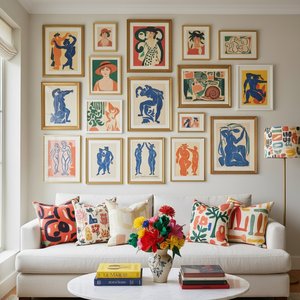
Henri Matisse: As 25 Obras-Primas que Definem um Mestre da Cor | OriginalUniqueArt
Descubra as 25 obras-primas de Henri Matisse que revolucionaram a arte moderna! Explore o Fauvismo, cores vibrantes e a história por trás dos quadros mais famosos do artista. Encontre reproduções de alta qualidade para decorar sua casa com OriginalUniqueArt.com.