

 Visualizar em escala
 Enviar
 Compartilhar
 Ver detalhes

 Baixar
 Semelhantes
 Raio X
 Apresentação de slides
Table clock


 Ver mais
Giclée / Impressão de Arte
Impressão giclée ou em tela de qualidade de museu, com produção rápida e opções flexíveis de acabamento. ( Encomendar reprodução pintada à mão Comprar imagem em alta resolução)




P118B $10

P118H $10

P118W $10

P438Z $10

P508JH $12

P508YH $12

P805H $10

P805Z $10

P919BZ $10

P919G $10

P919XJ $10

P959ZH $10

P968JZ $12

W106C $8

W218G $10

W218JH $8

W218Y $10

W307PJ $10

W316G $10

W316PJ $8

W316Y $10

W398PJ $8

W4111J $10

W500HY $15

W500JH $15

W692G $12

W849H $8

W940BG $15

W953PJ $8




Escolha entre os nossos tamanhos pré-definidos que respeitam as proporções originais da obra de arte.

Você pode inserir suas próprias dimensões para se ajustar a uma moldura ou espaço específico. Se o tamanho selecionado não corresponder às proporções da imagem original, iremos recortar a obra de arte ou estender a imagem com uma borda espelhada ou preenchimento sólido. Um mockup digital será enviado para sua aprovação antes do início da produção.
Por favor, observe que a visualização na tela não reflete o recorte ou a extensão real. Apenas o mockup mostrará com precisão a composição final.
Embora tamanhos personalizados estejam disponíveis, recomendamos selecionar uma dimensão da lista predefinida para preservar as proporções originais.
Entrega mundial () em 2 semanas, em vez das 4/5 semanas padrão. (13 Agosto)

Envio Expresso Gratuito para todo o Mundo

Tela de Linho Premium

Seguro de transporte total

Garantia de Reembolso de Impostos Alfandegários

Garantia de Fidelidade de Cor

Política de Devolução de 60 Dias (Apenas para Defeitos)

Garantia de reembolso de 100%

Desconto para múltiplas unidades
 A opção de vidro está disponível apenas para tamanhos inferiores a 110 cm

Table clock
Giclée / Impressão de Arte
Dimensões da Reprodução
-


Preço Total
$ 80
Descrição do Item
A Symphony in Purple: Unveiling Wigström’s Table Clock
The “Table Clock,” a captivating work by Henrik Immanuel Wigström, offers a glimpse into the heart of the Fabergé workshops and the refined tastes of the Russian Imperial Court. This exquisite timepiece transcends its functional purpose, becoming a miniature masterpiece of craftsmanship and design – a testament to Wigström’s mastery of neoclassical aesthetics and his pivotal role in shaping the opulent legacy of the House of Fabergé. The photograph reveals a central purple clock dominating the composition, its metallic surface reflecting light with an almost jewel-like intensity. Surrounding it are two smaller clocks, creating a layered effect that speaks to a deliberate display of luxury and precision.
The Legacy of Wigström: A Master of Imperial Style
- Henrik Immanuel Wigström (1862-1923), born in Ekenäs, Finland, was a crucial figure within the Fabergé workshops. His artistic foundation at Helsingfors Konstakademi provided him with an exceptional understanding of silver and goldsmithing, coupled with a deep appreciation for decorative arts.
- Wigström’s skill lay particularly in his ability to flawlessly execute designs inspired by Louis XVI, Empire, and neoclassical styles – the very hallmarks that secured his position as Fabergé's most prolific workmaster following Michael Perchin’s death. This dedication is evident in every detail of this clock.
- Born into a family with strong ties to Finnish culture, Wigström’s early life undoubtedly influenced his artistic sensibilities, contributing to the unique blend of elegance and technical prowess that defined his work.
Technique and Materials: A Reflection of Imperial Luxury
The “Table Clock” exemplifies the meticulous techniques employed by Wigström and his team within the Fabergé workshops. The clock’s construction likely involved a combination of lost-wax casting for the metal components, intricate hand-engraving to embellish the surface with delicate patterns – potentially floral or geometric motifs echoing Art Nouveau influences – and masterful polishing to achieve a lustrous finish. The use of purple enamel, a signature element in many Fabergé pieces, adds another layer of richness and sophistication. The presence of multiple clocks suggests an exploration of different materials and techniques within the workshop’s vast repertoire.
Symbolism and Context: Time, Status, and Imperial Grandeur
Timepieces like this were far more than mere instruments for measuring hours; they were potent symbols of status, wealth, and imperial power. The clock's circular frame further emphasizes its importance, reminiscent of classical design elements favored by the Russian court. The inclusion of smaller clocks hints at a deliberate display – perhaps intended for a prominent figure within the Imperial household or as part of a larger collection showcasing the artistry of the Fabergé workshops. It’s a tangible link to a period defined by lavish celebrations and unparalleled artistic patronage.
Emotional Impact & Reproduction
The “Table Clock” evokes a sense of timeless elegance and quiet luxury. Its rich purple hue, combined with the intricate detailing, creates a visually arresting piece that commands attention. OriginalUniqueArt.com offers meticulously crafted hand-painted reproductions of this artwork, allowing you to bring this exquisite example of Fabergé craftsmanship into your own home or office. Each reproduction is created using traditional techniques and high-quality materials, ensuring an authentic representation of Wigström’s original vision – a perfect addition for art lovers, collectors, and interior designers seeking to infuse their spaces with a touch of imperial grandeur.
Biografia do Artista
The Silent Maestro of Fabergé Elegance
Henrik Immanuel Wigström stands as a pivotal figure in the history of Russian goldsmithing and, crucially, the opulent world of Fabergé. Born in Ekenäs, Finland, in 1862, Wigström’s artistic journey began amidst the burgeoning Art Nouveau movement but swiftly cemented itself within the exacting standards of the Imperial Court, shaping the aesthetic landscape of his era. While often overshadowed by his more flamboyant colleague Michael Perchin, Wigström possessed an unparalleled dedication to craftsmanship and a profound understanding of Louis XVI, Empire, and neoclassical styles—qualities that ensured he became Fabergé’s most prolific workmaster after Perchin's untimely demise in 1903.
His formative years were defined by rigorous discipline and a deep-seated fascination for the decorative arts. Wigström received his early artistic education at the Helsingfors Konstakademi (Finnish Art Academy), where he honed his skills in silver and goldsmithing. This grounding in traditional techniques would prove invaluable as he navigated the complexities of the Fabergé workshop, allowing him to master the delicate balance between structural integrity and ornamental splendor.
A Legacy of Imperial Splendor
When Wigström joined the Fabergé atelier in 1903, he inherited a monumental responsibility: maintaining the prestige of the House of Fabergé following the loss of Perchin. He did not merely maintain this standard; he elevated it. Under his leadership, the workshop produced an astonishing array of decorative objects that embodied the grandeur of Imperial Russia. His work is characterized by a refined neoclassical aesthetic, leaning into the elegance of the Louis XVI and Empire styles to create pieces that felt both timeless and profoundly luxurious.
Wigström's artistic output was remarkably diverse, ranging from functional objects of high utility to purely ornamental treasures. His mastery is evident in several key areas:
- Exquisite Timepieces: He was renowned for creating magnificent table clocks, such as the Moon’s Face Table Clock and the breathtaking Table Clock in the Shape of a Carriage, which showcased his ability to blend mechanical precision with artistic storytelling.
- Decorative Objects: His repertoire included stunning lorgnettes, intricate ink sets, and delicate silverwork that served as the pinnacle of high-society luxury.
- Hardstone Artistry: He excelled in crafting hardstone animals, figures, and flowers with remarkable precision, utilizing his deep knowledge of mineral textures to breathe life into inanimate stone.
Technique and Historical Significance
The true genius of Wigström lay in his technical perfectionism. His work is defined by flawless enamelwork, intricate guilloche engraving, and the masterful manipulation of precious metals. Every piece he touched reflected a meticulous attention to detail that satisfied even the most discerning members of the Romanov dynasty. By blending the delicate textures of fine enamel with the structural strength of gold and silver, he created objects that were as much feats of engineering as they were works of art.
As the era of Imperial Russia drew to a close, Wigström’s contributions remained a testament to a vanished world of unparalleled opulence. His ability to interpret historical styles through a modern, refined lens ensured that his work would remain iconic long after the workshops of St. Petersburg fell silent. Today, his legacy lives on through the rare and precious artifacts that continue to captivate collectors, serving as enduring symbols of the height of Fabergé's artistic achievement.
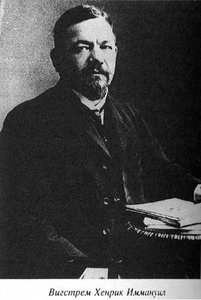
henrik immanuel wigström
1862 - 1923 , Finland
Informações Rápidas
- Artistic Movement Or Style: Louis XVI, Empire, Neoclassical
- Artists Who Influenced This Artist: ['Michael Evlampievich Perchin']
- Date Of Birth: October 2, 1862
- Date Of Death: March 14, 1923
- Full Name: Henrik Immanuel Wigström
- Nationality: Finnish
- Notable Artworks:
- Miniature Perfume Bottle
- Ink set
- Moon’s Face Table Clock
- Place Of Birth: Ekenäs, Finland
Artigos Relacionados

Metal Art for Commercial Spaces: A Procurement Guide to Durable & Modern Large-Scale Decor Solutions
Expert procurement guide for hotel designers and managers. Discover durable, large-scale metal art solutions for commercial spaces. Learn about material selection, maintenance, and efficient bulk ordering for high-traffic hospitality and corporate interiors.

Forged in Fire: The Timeless Strength and Ethereal Beauty of Metal Art
Discover the enduring allure of metal art. Explore how masterfully forged sculptures blend industrial strength with organic elegance to create timeless investment pieces for sophisticated collectors and luxury interiors.

Do Canvas à Legado: Um Exame Detalhado das Técnicas de Reprodução a Óleo Artesanal para Galerias e Ambientes Hoteleiros
Descubra o segredo das reproduções de quadros em óleo artesanais de alta qualidade! Técnicas clássicas, artistas experientes e garantia de fidelidade para galerias e hotéis. Invista em arte com confiança.
Além da Imitação: O Papel Estratégico das Reproduções de Belas Artes nas Práticas Contemporâneas de Galerias
Descubra o papel estratégico das reproduções de belas artes no mercado contemporâneo. Análise aprofundada para colecionadores, galerias e amantes da arte que buscam investimento, qualidade e valor cultural.

The Enduring Legacy of Masterpieces: A Comprehensive Exploration of Fine Art Reproduction Techniques
Discover museum-quality art reproductions & custom paintings at OriginalUniqueArt. Expert craftsmanship, personalized service, and a satisfaction guarantee. Bring timeless beauty to your home today!

