
 Visualizar na parede
 Compartilhar
 Compartilhar
 Detalhes

 Baixar imagem
 Semelhantes
 Raio X
 Slideshow
 Estatísticas
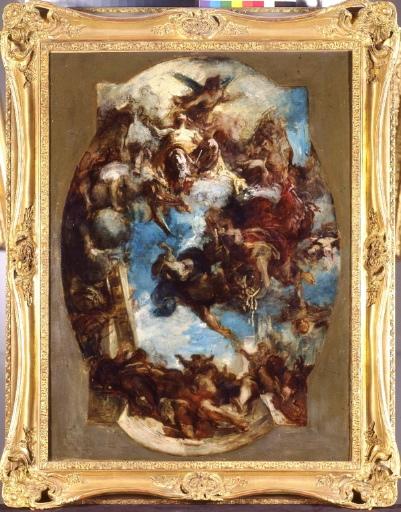
Les Bienfaits du Commerce
 Ler mais
Adquira uma imagem digital de alta resolução e aprimorada, muito superior à prévia online.
Cada arquivo é meticulosamente preparado por nossos especialistas internos, utilizando ferramentas avançadas e retoques manuais de alta precisão. Garantimos que cada imagem apresente clareza excepcional, fidelidade de cores e detalhes minuciosos.
O arquivo final é entregue por e-mail em até 72 horas, otimizado para uso imediato em ambientes profissionais, editoriais e de impressão. Esta é a mesma qualidade utilizada por estúdios de design de alto nível, editoras e galerias.
Imagem Digital
Baixe um arquivo de alta resolução para exibição pessoal, impressão e projetos criativos. ( Alternar para Impressão Comprar pintura feita à mão)
Incluído em cada compra de imagem digital
Entrega Digital Especializada e Garantida
Ao escolher o OriginalUniqueArt.com, você não está apenas adquirindo uma imagem — você está recebendo uma obra de arte digital profissionalmente aprimorada, elaborada com precisão e com garantia de satisfação. Aqui está tudo o que acompanha seu pedido, automaticamente:

Entrega rápida por e-mail
O seu arquivo de imagem digital em alta resolução será enviado por e-mail em até 72 horas após o pedido — pronto para uso imediato.

Arquivo Digital com IA Otimizado
Sua obra de arte é otimizada profissionalmente por meio de ferramentas avançadas de IA e edição manual, garantindo o máximo de detalhes, clareza e precisão de cores.

Reenvio gratuito vitalício
Apagou ou perdeu o seu ficheiro acidentalmente? Não se preocupe – nós reenviamos para si a qualquer momento, gratuitamente.

Sem Taxas de Importação - Sempre
Desfrute da sua obra de arte instantaneamente, sem taxas alfandegárias, impostos ou custos de entrega — downloads digitais são sempre isentos de taxas.

Garantia de Fidelidade de Cores
Garantimos que sua imagem digital reflita as cores originais com a maior fidelidade possível, utilizando ferramentas profissionais e gerenciamento de cores.

Garantia de Satisfação de 100 Dias
Se não estiver satisfeito com a sua imagem digital, nós a revisaremos ou reembolsaremos 100% dentro de 100 dias — sem perguntas.

Garantia de Reembolso 100%
Não está satisfeito? Receba o reembolso total em até 100 dias após o recebimento do seu arquivo digital — sem perguntas.

Descontos para pedidos em lote
Compre 3 imagens, economize 10% - Compre 5, economize 15% - Compre 10+, economize 20%. Ideal para projetos criativos, galerias e agências.
Biografia do Artista
Henri Leopold Lévy: Weaver of Biblical Drama
Born in Nancy, France, in 1840 to an interior decorator and embroidery manufacturer, Henri-Léopold Lévy’s artistic journey began not within a formal academy but amidst the practicalities of his family's craft. This grounding in design and meticulous detail would profoundly shape his later work, particularly his monumental biblical and mythological paintings. His early education at the École des Beaux-Arts in Paris provided him with the technical foundations – studying under masters like Picot, Cabanel, and Fromentin – but it was Lévy’s innate ability to infuse historical narratives with palpable emotion that truly distinguished him. He wasn't merely depicting scenes from antiquity; he was channeling the spirit of those stories, imbuing them with a dramatic intensity rarely seen in his contemporaries.
Lévy’s breakthrough came at the 1865 Salon with “Hecuba Finding the Body of Her Son Polydorus on the Shore.” This powerful image – a woman consumed by grief amidst the desolate beach – immediately garnered critical acclaim and a first-class medal. It established his signature style: grand scale, meticulously rendered figures, and an almost theatrical use of light and shadow to heighten emotional impact. Subsequent Salon entries continued this trend, showcasing works like “Joash Saved from the Massacre of the Grandsons of Athaliah,” “Hebrew Captive Weeping at the Ruins of Jerusalem,” and “Herodias.” These paintings weren’t simply historical records; they were carefully constructed narratives designed to evoke a profound response in the viewer. The awards he received – including prizes for his depictions of Jehoash and Herodias – solidified his position as a rising star within the academic art world.
A Royal Patronage and Expanding Horizons
Lévy’s artistic success reached a significant milestone in 1872 when he was awarded a Chevalier in the Legion of Honor for his portrayal of Herodias. This recognition, coupled with commissions from prominent figures like the Panthéon, demonstrated the esteem in which he was held by the French establishment. His work extended beyond individual Salon entries; he undertook ambitious mural projects, notably at the Church of Saint Merri in Paris, where he depicted scenes from the life of Saint Denis – a testament to his ability to translate complex narratives into visually arresting compositions.
A pivotal moment in Lévy’s career was his extended journey to the Middle East in 1878, undertaken with his friend and fellow artist Eugène Fromentin. This expedition profoundly impacted his artistic vision, leading him to explore the landscapes and cultures of the Levant. The resulting paintings – “Sarpedon,” “The Sermon,” and others – offered a stark contrast to the predominantly classical subjects he had previously favored. These works showcased a newfound interest in Orientalism, capturing the vibrant colors, exotic locales, and spiritual atmosphere of the region with remarkable sensitivity. This shift reflected not only his artistic growth but also a broader engagement with the world beyond the confines of Parisian society.
Technique and Influences
Lévy’s technical skill was undeniably impressive. Trained in the rigorous traditions of the École des Beaux-Arts, he mastered the techniques of oil painting, employing meticulous detail and a sophisticated understanding of color theory. His compositions were often monumental in scale, designed to dominate the viewer's space and convey a sense of grandeur. However, Lévy’s style wasn’t simply a replication of academic conventions; it was infused with a distinctly personal sensibility. He drew inspiration from Romanticism, particularly in his use of dramatic lighting and emotionally charged figures. The influence of artists like Fromentin is evident in his depictions of landscapes and the way he captured fleeting moments of light and shadow.
Furthermore, Lévy’s work demonstrates a deep engagement with religious iconography. He approached biblical narratives not as abstract theological concepts but as compelling human dramas filled with pathos, heroism, and tragedy. His paintings are imbued with a sense of moral urgency, prompting viewers to contemplate the timeless themes of faith, sacrifice, and redemption. His ability to seamlessly blend historical accuracy with emotional depth cemented his reputation as one of the most significant artists of his generation.
Legacy and Recognition
Despite facing challenges in the post-Dreyfus Affair era – anti-Semitism contributed to a decline in commissions – Lévy continued to exhibit at the Salon until 1903. His final years were marked by both artistic productivity and personal hardship, but his legacy as a master of biblical and mythological painting endures. His murals at the Panthéon and Saint Merri remain powerful testaments to his skill and vision.
Today, Lévy’s works are housed in prominent museums across France and beyond, including the Louvre and Musée d'Orsay. His paintings continue to be admired for their dramatic intensity, technical brilliance, and profound engagement with the human condition. Henri-Léopold Lévy remains a significant figure in 19th-century French art – a weaver of biblical drama who transformed historical narratives into enduring works of beauty and emotional resonance.

henri léopold levy
1840 - 1904
Breve Biografia
- Artistic Movement Or Style: Academic Realism
- Artists Or Movements Influenced By This Artist: ['Romanticism']
- Artists Who Influenced This Artist:
- Picot
- Cabanel
- Fromentin
- Date Of Birth: Sept 23, 1840
- Date Of Death: Dec 29, 1904
- Full Name: Henri Leopold Levy
- Nationality: French
- Notable Artworks:
- Hecuba Finding Body
- Joash Saved
- Hebrew Captive
- Herodias
- Sarpedon
- The Sermon
- Place Of Birth: Nancy, France