

 Visualizar na parede
 Compartilhar
 Compartilhar
 Detalhes
 Guia
Guia

 Baixar imagem
 Semelhantes
 Raio X
 Ver diaporama
 Estatísticas
Le Pavillon
 Oil On Canvas
- WallArt
- Impressionism
 1909
1909- 19th Century
 81.0 x 100.0 cm
 Ler mais
Giclée / Impressão de Arte
Impressão giclée ou em tela de qualidade de museu, com produção rápida e opções flexíveis de acabamento. ( Comprar pintura feita à mão Alternar para Imagem Digital)




P118B €10

P118H €10

P118W €10

P438Z €10

P508JH €12

P508YH €12

P805H €10

P805Z €10

P919BZ €10

P919G €10

P919XJ €10

P959ZH €10

P968JZ €12

W106C €8

W218G €10

W218JH €8

W218Y €10

W307PJ €10

W316G €10

W316PJ €8

W316Y €10

W398PJ €8

W4111J €10

W500HY €15

W500JH €15

W692G €12

W849H €8

W940BG €15

W953PJ €8




Escolha entre os nossos tamanhos pré-definidos que respeitam as proporções originais da obra de arte.

Insira a largura e a altura desejadas para se ajustarem à sua moldura ou parede. Uma impressão pode ser apenas cortada, nunca ampliada além da imagem original; portanto, um tamanho com proporções diferentes resultará na perda de parte da imagem. Enviamos uma maquete digital para sua aprovação antes de realizarmos a impressão. A imagem exibida nesta página não mostra o corte real — apenas a maquete o faz.
Entrega mundial () em 2 semanas, em vez das 4/5 semanas padrão. (27 Outubro)

Envio expresso gratuito para todo o mundo

Tela de Linho de Alta Qualidade

Seguro de transporte completo

Garantia de Reembolso de Impostos Alfandegários

Garantia de Fidelidade Cromática

Política de Devolução em 100 Dias (Apenas para Defeitos)

Garantia de reembolso de 100%

Oferta de desconto por quantidade
 A opção de vidro está disponível apenas para tamanhos inferiores a 110 cm

Le Pavillon
Giclée / Impressão de Arte
Tamanho da Reprodução
-


Preço Total
€ 70
Le Pavillon: A Glimpse of Tranquility by Henri Le Sidaner
Henri Le Sidaner's "Le Pavillon," painted in 1909, is an exquisite example of Intimist painting, capturing a serene garden scene with remarkable atmospheric depth. Measuring 81 x 100 cm, this oil on canvas artwork transports viewers to a world of quiet beauty and gentle contemplation. The piece exemplifies Le Sidaner's signature style – characterized by soft light, muted colors, and an almost dreamlike quality—and offers a window into the artist’s personal haven in Gerberoy.
Subject & Composition: A Garden Sanctuary
"Le Pavillon" depicts a picturesque garden setting centered around a circular fountain adorned with roses. The fountain's presence serves as a focal point, drawing the eye and establishing a sense of harmony within the composition. Lush greenery surrounds the fountain, creating a vibrant backdrop that contrasts beautifully with the soft pink hues of the flowers. A charming cottage nestled in the background adds depth and context to the scene, suggesting a secluded retreat from the bustle of everyday life. The perspective is subtly flattened, enhancing the painting's atmospheric quality and contributing to its overall sense of tranquility. The foreground features a circular bed covered with white flowers and green moss, leading the eye towards the central fountain. Behind the fountain, a small cottage with a thatched roof provides a focal point. The background consists of dense foliage and rolling hills, further blurring the lines between objects and creating a sense of atmospheric perspective.
Style & Technique: Impressionistic Nuances
Le Sidaner’s style is deeply rooted in Impressionism but transcends it with his unique Intimist approach. He masterfully employs loose brushstrokes and subtle color variations to capture the fleeting effects of light and atmosphere. Unlike some Impressionists who focused on capturing a moment's vibrancy, Le Sidaner sought to evoke a sense of quiet introspection and peaceful solitude. The painting’s palette leans towards muted greens, pinks, and browns, creating a harmonious and calming visual experience. The technique involves layering paint in short, broken strokes to build up color and form. This creates a hazy effect that enhances the dreamlike quality of the scene. Le Sidaner's use of light is particularly noteworthy; he skillfully depicts diffused sunlight filtering through the foliage, casting soft shadows and highlighting the delicate details of the flowers and fountain.
Historical Context & Symbolism: Gerberoy’s Embrace
“Le Pavillon” was created during a period when Impressionism had evolved into various artistic movements. Le Sidaner, however, remained true to his Intimist sensibilities, focusing on intimate scenes of domesticity and nature. The painting is intrinsically linked to the artist's life in Gerberoy, a village he adopted as his home in the early 20th century. He restored a medieval fortress there and cultivated enchanting gardens, which became recurring subjects in his mature works. The garden itself symbolizes tranquility, refuge, and the beauty of simple pleasures. The fountain can be interpreted as a source of life and renewal, while the cottage represents comfort and security. Symbolically, the scene evokes themes of nostalgia, peaceful solitude, and the enduring power of nature to soothe the soul.
Emotional Impact & Legacy: A Timeless Retreat
"Le Pavillon" resonates with viewers through its ability to evoke a sense of calm and serenity. The painting’s gentle colors, soft light, and harmonious composition create an atmosphere of peaceful contemplation. It offers a visual escape from the stresses of modern life, inviting viewers to immerse themselves in a world of quiet beauty. Le Sidaner's work continues to be admired for its dreamlike allure and its striking blend of impressionistic technique with contemplative themes. For those interested in purchasing handmade oil painting reproductions of this stunning garden scene, OriginalUniqueArt.com offers a wide range of options.
Perguntas e Respostas
A obra "Le Pavillon" está disponível para download em alta resolução?
Uma imagem digital de "Le Pavillon", de Henri Le Sidaner pode ser adquirida em sua página de Imagem Digital de Alta Resolução: download de imagem digital em alta resolução.
Qual é o nível de reconhecimento de "Le Pavillon" de Henri Le Sidaner?
"Le Pavillon" é classificada como Recognized.
Que sentimento transmite "Le Pavillon", de Henri Le Sidaner?
Em "Le Pavillon", um clima Serene acompanha uma emoção Tranquil.
Biografia do Artista
Early Life and Artistic Beginnings
Henri Le Sidaner, um dos últimos grandes intimistas franceses, nasceu em Port Louis, na Maurícia, em 7 de agosto de 1862, filho de Jean Marie Le Sidaner e Amélie Henrietta Robberechts. Seu pai, um inspetor de navios para a Lloyd’s, levou a família para a França em 1872, estabelecendo-se em Dunkerque. Desde cedo, Henri demonstrou uma paixão pela pintura, recebendo o apoio incondicional de seus pais, que lhe proporcionaram as primeiras lições artísticas.
Aos dezesseis anos, com a ajuda de uma bolsa de estudos concedida pela cidade de Dunkerque, Le Sidaner transferiu-se para Paris e ingressou na prestigiosa École Nationale Supérieure des Beaux-Arts. Lá, estudou sob a tutela de Alexandre Cabanel, um renomado pintor histórico da época, embora as divergências artísticas com o mestre tenham levado ao seu afastamento mais tarde. A influência de artistas como Édouard Manet e Claude Monet, além do movimento pontilhista, moldaram profundamente sua visão artística, despertando-o para a inovação no uso da cor e da luz.
Influências Artísticas e Desenvolvimento Estilístico
Le Sidaner não se limitou à rigidez das academias. Sua jornada artística foi marcada por uma busca constante por novas formas de expressão. A admiração pela obra de Manet, com sua abordagem realista e a capacidade de capturar a vida cotidiana, e Monet, com seu domínio da luz e da atmosfera, foram cruciais para o desenvolvimento de seu estilo único. O movimento pontilhista, com sua técnica meticulosa de aplicação de pequenos pontos de cor, também exerceu uma influência significativa, incentivando-o a explorar novas maneiras de construir imagens.
Em 1884, juntou-se à Colonie artistique d’Étaples, um grupo de artistas que se reuniam em Étaples para trabalhar juntos e trocar ideias. Este ambiente colaborativo foi fundamental para o seu crescimento artístico, permitindo-lhe refinar suas habilidades e aprofundar sua visão artística. Le Sidaner experimentou com diferentes técnicas e estilos, buscando uma linguagem visual própria que combinasse elementos impressionistas com nuances simbolistas.
A Técnica e a Atmosfera de seus Pinturas
O estilo de Le Sidaner é imediatamente reconhecível pela sua paleta suave e delicada, dominada por tons de cinza, opalina e cores pastel. Ele aplicava as tintas com pinceladas irregulares e pontilhistas, criando uma atmosfera de mistério e introspecção em suas pinturas. Sua maestria na representação da luz, especialmente em cenas noturnas – que ele considerava sua especialidade –, é inegável. Le Sidaner conseguia capturar a sutileza das sombras e o brilho do crepúsculo com uma sensibilidade impressionante.
Após estabelecer-se na tranquila região de Gerberoy, no interior da Picardia, por mais de trinta anos, Le Sidaner tornou-se famoso por suas pinturas de jardins. Ele transformou as ruínas de um antigo castelo medieval em um oásis de beleza e tranquilidade, criando vistas sedutoras que retratavam a luz do sol filtrando-se entre os galhos das árvores, as rosas desabrochando e as mesas de piquenique convidativas. Essas obras, impregnadas de uma atmosfera melancólica e nostálgica, consolidaram sua reputação como um artista capaz de evocar emoções profundas através da simplicidade e da beleza.
Reconhecimento e Legado
Ao longo de sua carreira, Le Sidaner recebeu diversos prêmios e reconhecimentos. Em 1891, conquistou uma medalha de bronze na Exposição Universal de Paris. Em 1905, suas pinturas de Veneza foram exibidas com grande sucesso em Londres e Paris, atraindo a atenção da crítica e do público. Em 1913, foi nomeado Cavaleiro da Legião Honorária, uma das mais prestigiadas honrarias francesas.
Le Sidaner é frequentemente considerado o último representante do impressionismo, um artista que conectou os últimos anos do movimento com as novas tendências da arte moderna. Sua obra, caracterizada por sua sensibilidade, sua técnica refinada e sua capacidade de evocar emoções profundas, continua a ser admirada e estudada até hoje. Sua influência pode ser vista em muitos artistas posteriores, e suas pinturas são exibidas em importantes museus e coleções particulares ao redor do mundo.
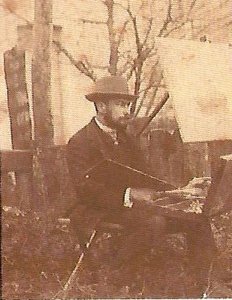
Henri Le Sidaner
1862 - 1939 , Maurício
Dados Rápidos
- Artistic Movement Or Style: Impressionismo, Intimista
- Artists Or Movements Influenced By This Artist: ['Post-Impressionismo']
- Artists Who Influenced This Artist:
- Monet
- Manet
- Pointillistas
- Date Of Birth: 7 de agosto de 1862
- Date Of Death: 14 de julho de 1939
- Full Name: Henri Eugène Augustin Le Sidaner
- Nationality: Francês
- Notable Artworks:
- A Rue de l'Eglise
- Table Au Clair De Lune
- Place Of Birth: Port Louis, Mauritius
Artigos Relacionados

Paul Cézanne: As 25 Obras-Primas que Definiram um Gênio da Arte Moderna | OriginalUniqueArt
Descubra as 25 obras-primas de Paul Cézanne, o mestre do pós-impressionismo! Explore a história, técnica e cores vibrantes por trás de quadros icônicos como 'Les Baigneurs' e 'Mont Sainte-Victoire'. Encontre reproduções de arte exclusivas para decorar sua casa com elegância em OriginalUniqueArt.com.

Evocations of Place: A Historical Journey Through Landscape Art
Explore the rich history of landscape art with OriginalUniqueArt. Discover renowned artists, movements like Impressionism & Romanticism, and expert guidance for collecting timeless pieces. Find your perfect serene escape today!

John Constable: As 25 Obras-Primas que Definem o Mestre da Paisagem Inglesa | OriginalUniqueArt
Descubra as 25 obras-primas de John Constable, o mestre da paisagem inglesa! Explore a arte romântica, cores vibrantes e histórias fascinantes por trás de 'Hay Wain' e outras pinturas icônicas. Encontre reproduções de alta qualidade para decorar sua casa com OriginalUniqueArt.com.
Cultivating Paradise: A Historical & Artistic Exploration of Gardens in Painting
Explore the rich history of gardens in painting! Discover masterpieces from Renaissance to Impressionism & beyond. Learn about symbolism, artists like Monet & Klimt, and find your perfect artwork at OriginalUniqueArt.
Henri Le Sidaner: Evoking Atmosphere & Intimacy in Post-Impressionist Landscapes
Discover the evocative world of Henri Le Sidaner, a master of Intimist painting. Explore his tranquil landscapes & atmospheric interiors – a celebration of light and intimacy. Learn about his life, style, and lasting legacy.