
 Visualizar em escala
 Enviar
 Compartilhar
 Ver detalhes

 Baixar
 Semelhantes
 Raio X
 Apresentação de slides
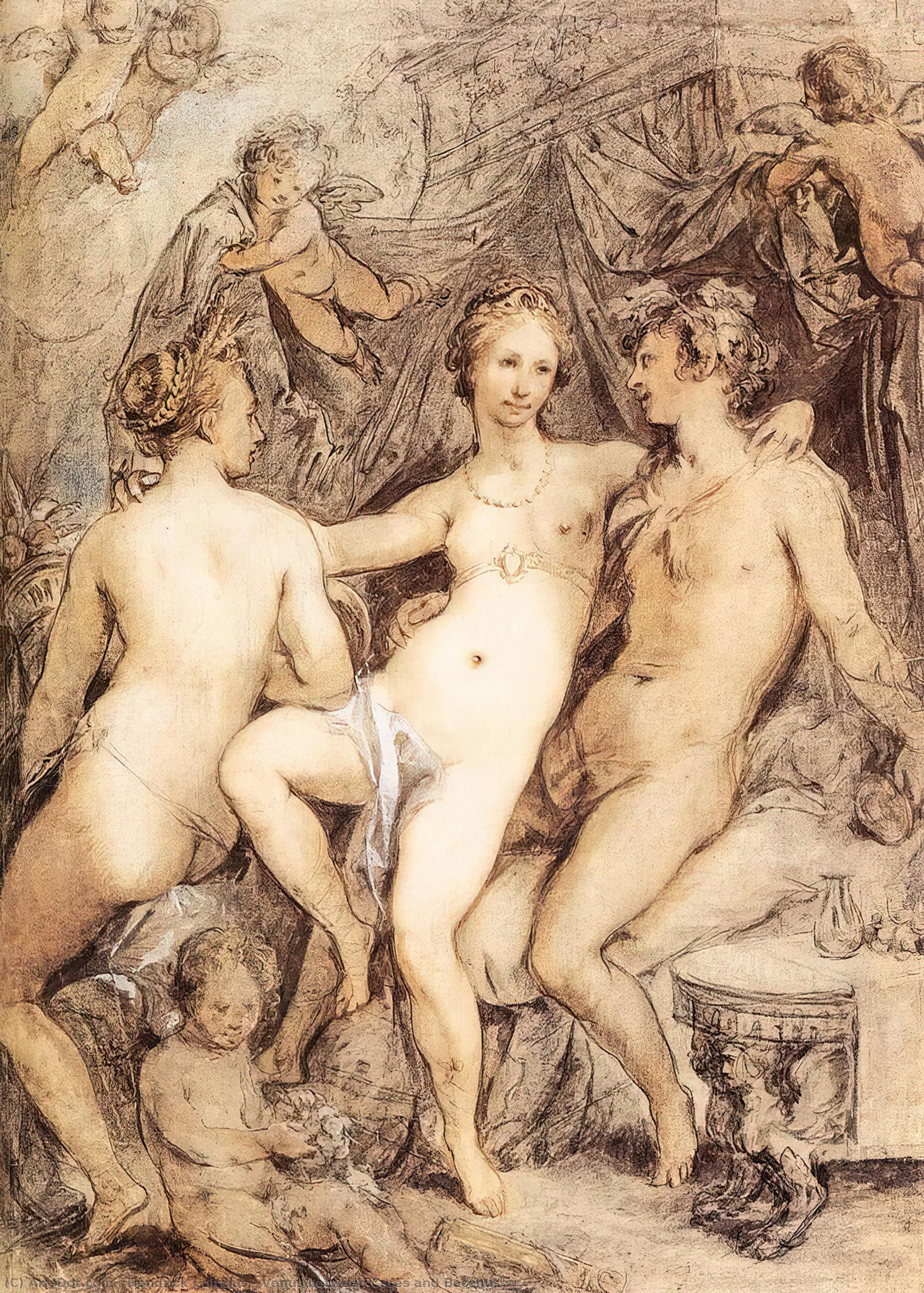
Venus between Ceres and Bacchus
 Oil On Canvas
- WallArt
- Baroque
 1590
1590 402.0 x 287.0 cm
 Musées Royaux des Beaux-Arts
 Ver mais
Reprodução em Óleo Feita à Mão
Óleo sobre tela pintado à mão no seu tamanho e moldura, feito sob encomenda pelos nossos artistas. ( Encomendar impressão Comprar imagem em alta resolução)




P118B $10

P118H $10

P118W $10

P438Z $10

P508JH $12

P508YH $12

P805H $10

P805Z $10

P919BZ $10

P919G $10

P919XJ $10

P959ZH $10

P968JZ $12

W106C $8

W218G $10

W218JH $8

W218Y $10

W307PJ $10

W316G $10

W316PJ $8

W316Y $10

W398PJ $8

W4111J $10

W500HY $15

W500JH $15

W692G $12

W849H $8

W940BG $15

W953PJ $8




Escolha entre os nossos tamanhos pré-definidos que respeitam as proporções originais da obra de arte.

Pode inserir as suas próprias dimensões para se adequar a uma moldura ou espaço específico. Se o tamanho selecionado não corresponder às proporções da imagem original, iremos cortar a obra de arte ou estender a pintura com elementos adicionais pintados à mão. Um esboço digital será enviado para sua aprovação antes do início da produção.
Tenha em atenção que a pré-visualização no ecrã não reflete o corte ou extensão real. Apenas o esboço mostrará com precisão a composição final.
Embora tamanhos personalizados estejam disponíveis, recomendamos selecionar uma dimensão da lista predefinida para preservar as proporções originais.
Após o pedido, a equipa OriginalUniqueArt.com enviará um e-mail ao cliente para solicitar instruções e fornecer uma prévia do esboço.
Entrega mundial () em 3 a 4 semanas, em vez das 5 semanas padrão. (18 Agosto). Sem comprometer a qualidade.

Envio Expresso Gratuito para todo o Mundo

Tela de Linho Premium

Seguro de transporte total

Garantia de Reembolso de Impostos Alfandegários

Garantia de Fidelidade de Cor

Política de Devolução de 60 Dias (Apenas para Defeitos)

Garantia de reembolso de 100%

Desconto para múltiplas unidades
 A opção de vidro está disponível apenas para tamanhos inferiores a 110 cm

Venus between Ceres and Bacchus
Técnica de Reprodução
Dimensões da Reprodução
-


Preço Total
$ 300
Descrição da Obra
A Divine Interlude: Exploring Venus between Ceres and Bacchus
To gaze upon this magnificent canvas is to step directly into a moment suspended in mythological splendor. Venus between Ceres and Bacchus, painted around 1590 by Hendrik Goltzius, is far more than a mere depiction of classical figures; it is an elaborate tapestry woven from themes of fertility, divine love, and the cyclical nature of life itself. The composition immediately draws the eye into a richly populated scene where three central figures—the goddess Venus, the nurturing Ceres, and the jovial Bacchus—are arranged in a tableau vivant that speaks volumes through its very stillness.
Mythological Resonance and Symbolism
The grouping of these deities is inherently symbolic. Venus, embodying beauty and desire, occupies the heart of the narrative, flanked by two powerful forces of nature and sustenance. Ceres, goddess of agriculture and motherhood, represents the bounty of the earth, while Bacchus, the god of wine and ecstasy, speaks to pleasure and vital energy. The inclusion of these figures suggests a harmonious balance—a divine acknowledgment that beauty (Venus) thrives when supported by both earthly nourishment (Ceres) and spirited joy (Bacchus). Scattered throughout the scene are carefully placed objects: a delicate cup, an ornate bowl, and a central vase. These items are not incidental; they function as visual anchors, hinting at rituals, offerings, and the pleasures that accompany life's most profound experiences.
Mastery of the Northern Mannerist Style
Hendrik Goltzius, a titan of the late Renaissance and early Baroque period, imbues this work with his signature "exuberance." While rooted in classical mythology, the execution showcases the sophisticated flair characteristic of Northern Mannerism. Goltzius was renowned for his technical virtuosity, translating the drama and complexity often associated with Italian High Renaissance masters into a distinctly German-Dutch sensibility. Observe the figures: their poses are dynamic yet elegantly composed, suggesting an underlying narrative tension beneath the surface calm. The presence of three angels in the background further elevates the scene from a simple gathering to an apotheosis—a moment blessed by celestial intervention.
Technique and Visual Impact for the Modern Collector
The sheer scale of this piece, measuring 402 x 287 cm, commands attention, making it a breathtaking focal point for any grand hall or gallery. The richness of Goltzius's technique allows for intricate detailing in the drapery, the musculature, and the symbolic accoutrements. For those seeking to bring this level of historical grandeur into their own space, acquiring a high-quality hand-painted reproduction offers an unparalleled opportunity. It allows one to connect intimately with the master’s brushwork—the subtle gradations of tone, the dramatic interplay of light across bare skin, and the deep saturation of the background elements—without the monumental commitment of the original masterpiece.
An Emotional Echo Across Centuries
Ultimately, Venus between Ceres and Bacchus resonates because it speaks to universal human concerns: the pursuit of beauty, the necessity of sustenance, and the celebration of life's fleeting joys. It is a visual meditation on abundance. Owning or displaying a reproduction of this work is not merely decorating; it is curating an atmosphere steeped in classical mythology, artistic genius, and enduring, divine harmony.
Biografia do Artista
Early Life and Training
Hendrik Goltzius, a figure of immense importance in the history of Dutch art, emerged from the vibrant cultural landscape of Braunschweig, Germany, in 1558. His early years were steeped in artistic tradition; his family’s lineage included painters who had worked in Venlo, and his father, Jan Goltz II, was a skilled glass painter in Duisburg. This familial connection to art provided him with an initial foundation, but it was the guidance of Dirck Volckertszoon Coornhert, a renowned printmaker and polymath residing nearby, who truly shaped his artistic trajectory. Coornhert’s workshop in Xanten became Goltzius's first formal training ground, where he immersed himself in the intricacies of copperplate engraving – a technique that would become synonymous with his name. A defining moment occurred when he was just three years old; an accident involving fire left him with a permanently deformed right hand. Remarkably, this physical challenge didn’t hinder his artistic development but instead fostered a unique dexterity and control over the burin, contributing to the distinctive “swelling line” technique that would characterize his work. His ambition and determination led him to become ambidextrous, mastering both left and right-hand engraving with equal skill.Artistic Career and Influences
In 1577, Goltzius embarked on a pivotal chapter of his life by relocating to Haarlem, the thriving center of the Dutch Republic, alongside Coornhert. This move marked the beginning of his independent career as an engraver and print publisher. Initially, he worked for established printers like Philips Galle, Maarten de Vos, and Johannes Stradanus, producing prints based on designs from various masters – a period where he meticulously honed his skills by replicating the styles of Albrecht Dürer, Lucas van Leyden, and others. However, his ambition quickly led him to establish his own workshop, allowing him to pursue his own creative vision. His artistic style was profoundly influenced by the Mannerist movement, drawing inspiration from Italian artists like Bartholomeus Spranger and Annibale Carracci, whose dynamic compositions and dramatic use of light and shadow resonated deeply with Goltzius. He wasn’t merely a copyist; he skillfully integrated elements of classicism and archaic styles into his work, creating a unique synthesis that distinguished him within the Dutch art scene. His patronage extended to prominent figures across Europe, including the Holy Roman Emperor Rudolf II, who recognized and championed his talent.Technique and Innovation
Hendrik Goltzius’s contribution to engraving is marked by several groundbreaking innovations. Perhaps most notably, he developed what became known as the “swelling line” technique – a masterful manipulation of the burin that allowed him to create varying thicknesses of lines, generating a remarkable sense of tonal depth and volume from a distance. This technique, combined with his pioneering use of the "dot and lozenge" method—strategically placed dots within lozenge-shaped spaces created through cross-hatching—further refined his ability to render shading and texture with unparalleled precision. His command of the burin was often compared to that of Albrecht Dürer, a testament to his exceptional skill and artistry. He frequently undertook the challenging task of engraving works by other artists, notably Bartholomeus Spranger’s paintings, significantly elevating their fame and solidifying his own reputation as a leading printmaker.Legacy and Recognition
Throughout his career, Goltzius produced an astonishing output – approximately 500 drawings and around 50 paintings, alongside over 160 individual prints featuring both original designs and collaborative projects. His works are now housed in major museums worldwide, including the Rijksmuseum in Amsterdam, the British Museum in London, the Metropolitan Museum of Art in New York, and the Los Angeles County Museum of Art. Despite facing periods of relative obscurity following his death in 1617, Goltzius’s legacy has experienced a remarkable resurgence in recent decades. He is now widely recognized as one of the most important printmakers of the Northern Renaissance, celebrated for his technical brilliance, innovative techniques, and profound influence on subsequent generations of artists. His distinctive style continues to captivate art lovers and scholars alike, cementing his place as a pivotal figure in the history of European art.
Hendrik Goltzius
1558 - 1617 , Alemanha
Informações Rápidas
- Artistic Movement Or Style: Manerismo e gravura Barroca
- Artists Or Movements Influenced By This Artist: ['Jacques Bellange']
- Artists Who Influenced This Artist: ['Dirck Volckertszoon Coornhert']
- Date Of Birth: Janeiro/Fevereiro 1558
- Date Of Death: 1 de Janeiro 1617
- Full Name: Hendrik Goltzius
- Nationality: Holandês
- Notable Artworks:
- Adoração dos Pastores
- Paisagem Arcádica
- Cabeça de Sirene
- Place Of Birth: Braunschweig, Itália
Artigos Relacionados

Hendrick Goltzius: Master Engraver & the Flourishing of Dutch Mannerism
Explore the life & art of Hendrick Goltzius, a master engraver of Dutch Mannerism. Discover his innovative techniques, iconic engravings like 'Jahel', and lasting influence on Baroque art. Learn about collecting Goltzius today.
10 Gravuras Icônicas que Revolucionaram a História da Arte | OriginalUniqueArt
Descubra 10 gravuras icônicas de Dürer, Rembrandt e Goya que revolucionaram a arte! Explore a história, técnica e beleza atemporal destas obras-primas. Encontre reproduções de alta qualidade para decorar sua casa com OriginalUniqueArt.com.

Engraving: A Historical Survey of Technique, Artistic Expression & Enduring Legacy
Explore the rich history of engraving with OriginalUniqueArt. Discover techniques, iconic artists like Dürer & Callot, collecting tips, and expert guidance for preserving your art investment. Learn about intaglio printing & more!

The Intricate World of Engraving: A Historical Survey of Technique, Artistic Expression & Enduring Legacy
Explore the rich history of engraving with OriginalUniqueArt. Discover techniques, iconic artists like Dürer & Callot, collecting tips, and expert guidance for preserving your art investment. Learn about intaglio printing & more!
The Precision of the Burin: An Expert Guide to the High-Impact World of Masterful Engraving Art
Discover the sharp, high-impact world of engraving art. Our expert guide explores intaglio techniques, the mastery of the burin, and how collectors can appreciate the precision and enduring legacy of this profound graphic art form.



