

 Visualizar em escala
 Enviar
 Compartilhar
 Ver detalhes

 Baixar
 Semelhantes
 Raio X
 Apresentação de slides
The Miser

 Ver mais
Reprodução em Óleo Feita à Mão
Óleo sobre tela pintado à mão no seu tamanho e moldura, feito sob encomenda pelos nossos artistas. ( Encomendar impressão Comprar imagem em alta resolução)




































Escolha entre os nossos tamanhos pré-definidos que respeitam as proporções originais da obra de arte.

Pode inserir as suas próprias dimensões para se adequar a uma moldura ou espaço específico. Se o tamanho selecionado não corresponder às proporções da imagem original, iremos cortar a obra de arte ou estender a pintura com elementos adicionais pintados à mão. Um esboço digital será enviado para sua aprovação antes do início da produção.
Tenha em atenção que a pré-visualização no ecrã não reflete o corte ou extensão real. Apenas o esboço mostrará com precisão a composição final.
Embora tamanhos personalizados estejam disponíveis, recomendamos selecionar uma dimensão da lista predefinida para preservar as proporções originais.
Após o pedido, a equipa OriginalUniqueArt.com enviará um e-mail ao cliente para solicitar instruções e fornecer uma prévia do esboço.
Entrega mundial () em 3 a 4 semanas, em vez das 5 semanas padrão. (20 Agosto). Sem comprometer a qualidade.

Envio Expresso Gratuito para todo o Mundo

Tela de Linho Premium

Seguro de transporte total

Garantia de Reembolso de Impostos Alfandegários

Garantia de Fidelidade de Cor

Política de Devolução de 60 Dias (Apenas para Defeitos)

Garantia de reembolso de 100%

Desconto para múltiplas unidades
 A opção de vidro está disponível apenas para tamanhos inferiores a 110 cm

The Miser
Técnica de Reprodução
Dimensões da Reprodução
-


Preço Total
$ 300
Descrição da Obra
Composition and Style
The painting depicts a man sitting down, wearing a black hat with a gold trim, and holding an object in his hand. The background is adorned with several oranges, adding a touch of color to the scene. The Miser is characterized by its realistic depiction of light and shadow, which was a hallmark of Dutch Golden Age art. Influence from other artists, such as Karel van Mander and Frans Hals, can be seen in Pot's work.Artist's Background
Hendrik Gerritsz Pot was a Dutch painter who lived and worked in Haarlem, where he was an officer of the militia. He traveled to London in 1632, where he painted portraits of King Charles I and Queen Henrietta Maria. Pot's paintings often featured allegorical subjects and group portraits, such as The Officers of the St Adrian Militia Company. For more information on Hendrik Gerritsz Pot, visit /art/list/?Filter=hendrik+gerritsz+pot,hendrik,gerritsz.- Other notable works by Hendrik Gerritsz Pot include Flora's Wagon of Fools and Portrait of a Young Woman.
- Pot's paintings can be found in various museums, including the Galleria degli Uffizi and the Royal Collection in London.
- For more information on Dutch Golden Age art, visit https://en.wikipedia.org/wiki/Dutch_Golden_Age_painting.
The Miser is a testament to the artistic genius of Hendrik Gerritsz Pot, and its enduring popularity is a reflection of its timeless beauty and significance.
Biografia do Artista
Hendrik Gerritsz Pot: A Haarlem Officer and Master of Genre Painting
Hendrik Gerritsz Pot (c. 1580 – 1657) stands as a prominent figure within the Dutch Golden Age, embodying not only artistic talent but also civic duty and intellectual curiosity. Born in Amsterdam, he swiftly established himself in Haarlem, where he served as an officer of the militia—a crucial role reflecting the social fabric of the era—and ascended to positions of leadership within the St Luke’s Guild, demonstrating a commitment to both art and community. His life intersected with luminaries like Frans Hals and Willem Buytwewech, fostering connections that undeniably shaped his artistic vision.- Early Life & Training: Pot's formative years were spent absorbing artistic principles under the tutelage of Karel van Mander, a celebrated painter and humanist whose influence extended beyond technique to encompass broader philosophical considerations. This grounding in humanist thought would later permeate his oeuvre, particularly evident in his exploration of themes relating to mortality and beauty.
- Haarlem & Militia Service: Pot’s residency in Haarlem coincided with the burgeoning militia movement—a concerted effort by cities to bolster their defenses against potential threats. His involvement as an officer wasn't merely ceremonial; it instilled a sense of civic responsibility that translated into his artistic endeavors, informing his depictions of military life and fostering a keen understanding of social dynamics.
- Genre Painting & The ‘Merry Company’: Pot’s contribution to Dutch genre painting is undeniable. He pioneered the “merry company” style—characterized by lively gatherings depicting individuals indulging in pleasure and conviviality—often infused with subtle erotic symbolism. His 1630 masterpiece, *A Merry Company at Table*, exemplifies this approach, meticulously capturing a brothel scene replete with suggestive gestures and objects, reflecting prevailing attitudes toward sexuality within the artistic milieu.
Notable Works & Artistic Style
Pot’s distinctive style prioritized meticulous observation and psychological insight. He eschewed grand narratives in favor of intimate portraits and genre scenes—a deliberate choice that allowed him to delve into the complexities of human emotion and experience. His use of chiaroscuro—the dramatic interplay between light and shadow—created depth and atmosphere, enhancing the expressive power of his compositions. Furthermore, he skillfully incorporated decorative elements—such as garlands and floral motifs—to enrich the visual texture of his paintings.- *The Coin Collector:* This portrait exemplifies Pot’s ability to convey character through subtle facial expressions and posture. The subject's gaze is direct yet contemplative, conveying a sense of intellectual engagement.
- *Flora’s Wagon of Fools:* Arguably Pot’s most audacious work—a satirical commentary on the speculative tulip mania—this painting utilizes bold colors and exaggerated figures to critique societal folly. It stands as a testament to Pot's willingness to challenge conventions and engage in critical discourse.
Royal Patronage & Artistic Legacy
Pot’s artistic reputation gained considerable traction during his time in London, where he was commissioned by King Charles I to depict the royal family. These portraits—now housed in the Royal Collection—remain among the most celebrated examples of seventeenth-century portraiture, securing Pot's place within art history as a master craftsman and astute observer of human nature. His influence extended beyond his own lifetime, inspiring subsequent generations of painters who embraced the genre painting tradition.- Influence on Frans Hals: Pot’s artistic sensibilities profoundly impacted Frans Hals, with whom he maintained an enduring friendship. Hals frequently depicted Pot in militia sash—a gesture honoring Pot's military service and acknowledging their shared intellectual pursuits.
Concluding Remarks
Hendrik Gerritsz Pot’s legacy transcends mere artistic achievement; it embodies the spirit of the Dutch Golden Age – a period marked by intellectual ferment, civic engagement, and an unwavering pursuit of beauty. His genre paintings continue to captivate audiences today, offering invaluable insights into the social customs and psychological complexities of seventeenth-century Europe. Through his meticulous observation and expressive style, Pot cemented his position as one of the era’s foremost artists—a testament to the enduring power of art to illuminate human experience.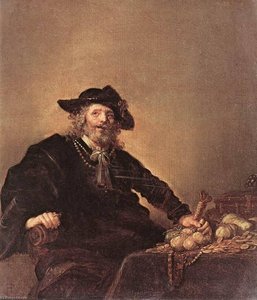
hendrik gerritsz pot
1580 - 1657
Informações Rápidas
- Artistic Movement Or Style: Dutch Golden Age
- Artists Or Movements Influenced By This Artist: ['Frans Hals']
- Artists Who Influenced This Artist:
- Karel van Mander
- Willem Buytewech
- Date Of Birth: 1580
- Date Of Death: 1657
- Full Name: Hendrik Gerritsz Pot
- Nationality: Dutch
- Notable Artworks:
- Merry Company at Table
- Portrait of a Young Woman
- Allegory of Vanitas
- Place Of Birth: Amsterdam

