
 Visualizar em escala
 Enviar
 Compartilhar
 Ver detalhes
 Guia de Obras do Aluno

 Baixar imagem
 Semelhantes
 Raio X
 Apresentação de slides
 Estatísticas
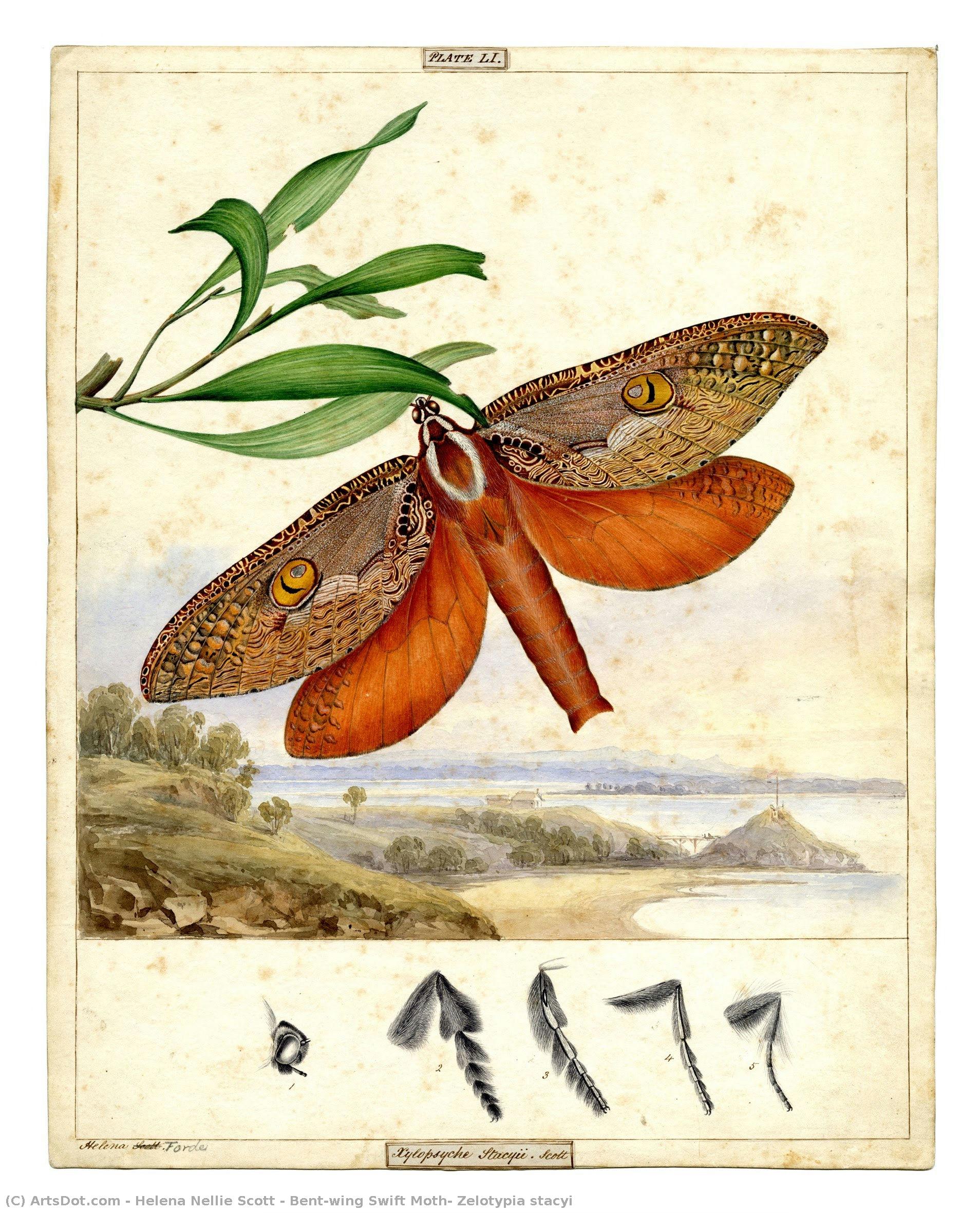
Bent-wing Swift Moth, Zelotypia stacyi


 Ver mais
Giclée / Impressão de Arte
Impressão giclée ou em tela de qualidade de museu, com produção rápida e opções flexíveis de acabamento. ( Encomendar reprodução pintada à mão Ver Imagem Digital)




P118B $10

P118H $10

P118W $10

P438Z $10

P508JH $12

P508YH $12

P805H $10

P805Z $10

P919BZ $10

P919G $10

P919XJ $10

P959ZH $10

P968JZ $12

W106C $8

W218G $10

W218JH $8

W218Y $10

W307PJ $10

W316G $10

W316PJ $8

W316Y $10

W398PJ $8

W4111J $10

W500HY $15

W500JH $15

W692G $12

W849H $8

W940BG $15

W953PJ $8




Escolha entre os nossos tamanhos pré-definidos que respeitam as proporções originais da obra de arte.

Você pode inserir suas próprias dimensões para se ajustar a uma moldura ou espaço específico. Se o tamanho selecionado não corresponder às proporções da imagem original, iremos recortar a obra de arte ou estender a imagem com uma borda espelhada ou preenchimento sólido. Um mockup digital será enviado para sua aprovação antes do início da produção.
Por favor, observe que a visualização na tela não reflete o recorte ou a extensão real. Apenas o mockup mostrará com precisão a composição final.
Embora tamanhos personalizados estejam disponíveis, recomendamos selecionar uma dimensão da lista predefinida para preservar as proporções originais.
Entrega mundial () em 2 semanas, em vez das 4/5 semanas padrão. (25 Setembro)

Envio expresso gratuito para todo o mundo

Tela de Linho Premium

Seguro de transporte total

Garantia de Reembolso de Impostos Alfandegários

Garantia de Fidelidade de Cor

Política de Devolução em 100 Dias (Apenas para Defeitos)

Garantia de reembolso de 100%

Desconto para múltiplas unidades
 A opção de vidro está disponível apenas para tamanhos inferiores a 110 cm

Bent-wing Swift Moth, Zelotypia stacyi
Giclée / Impressão de Arte
Dimensões da Reprodução
-


Preço Total
$ 80
A Glimpse into Australian Entomology: Helena Scott’s Bent-Wing Swift Moth
Helena Nellie Scott's 1864 illustration of the Bent-wing Swift Moth, *Zeotypia stacyi*, is more than just a scientific depiction; it’s a window into a bygone era of meticulous observation and artistic dedication. This exquisite botanical artwork, rescued from an unpublished manuscript intended for Alexander Walker Scott’s “Australian Lepidoptera and Their Transformations,” captures the essence of a remarkable entomologist's daughter and her profound connection to the natural world. The image isn’t merely a rendering of an insect; it’s a testament to the Victorian fascination with classification, taxonomy, and the beauty hidden within the smallest details of Australian fauna.
The illustration immediately draws the eye with its remarkably detailed portrayal of the moth itself. Each scale is painstakingly rendered, suggesting a subtle shimmer and texture that belies the fragility of the creature. The intricate veins of the wings are not simply lines but carefully shaded to convey depth and form, while the delicate antennae and legs are depicted with an almost sculptural precision. Beneath the magnificent moth, a larval stage—a plump caterpillar clinging to a leaf—provides crucial context, illustrating the complete life cycle that Scott so diligently documented. The background landscape, a hazy coastal scene punctuated by a recognizable view of Port Macquarie Harbour (attributed to Captain Perry), subtly anchors the scientific study within its geographical and historical setting.
A Style Rooted in Scientific Precision
Scott’s artistic style is distinctly reminiscent of 18th and early 19th-century scientific illustrations—a period characterized by a commitment to accuracy and an avoidance of overt emotional expression. The composition is vertically oriented, prioritizing clarity and legibility. Lines are precise and carefully drawn, defining shapes with unwavering confidence. The use of hatching and cross-hatching creates subtle shading and depth, lending a sense of volume to the moth’s wings and body. This deliberate restraint in color—a muted palette dominated by browns, grays, and ochres—further emphasizes the illustration's scientific purpose, prioritizing observation over artistic embellishment.
The layering technique employed is particularly noteworthy. Scott doesn’t simply paint the moth; she builds it up through multiple washes of watercolor or ink, creating a sense of tactile richness. This meticulous approach mirrors the painstaking process of collecting and preserving specimens—a reflection of Scott's own dedication to her father’s research. The slightly aged appearance of the image – a subtle discoloration and softened edges – speaks volumes about its historical context, hinting at years spent tucked away in archives and collections.
The Legacy of a Pioneering Artist
Helena Nellie Scott’s story is one of quiet determination and remarkable achievement. Born in Sydney in 1832, she defied the limitations placed upon women artists during her time, carving out a niche for herself as a leading naturalist illustrator. Her upbringing within a family deeply immersed in entomology—her father was a renowned scientist—provided her with unparalleled access to knowledge and inspiration. The Scott sisters’ work, particularly their detailed depictions of Australian moths and butterflies, played a crucial role in advancing scientific understanding of the region's biodiversity.
Further research reveals that Scott’s illustrations were not merely decorative; they served as vital tools for identification and documentation. Her meticulous notes and annotations—often written in Latin—provide valuable insights into the species she depicted, while her correspondence with other naturalists highlights her commitment to sharing her knowledge. Today, her legacy endures through reproductions like this one, offering a glimpse into the world of early Australian scientific art and the remarkable dedication of a woman who dared to pursue her passion amidst societal constraints.
Symbolism and Interpretation
Beyond its technical merits, the Bent-wing Swift Moth itself carries symbolic weight. Moths have long been associated with transformation, mystery, and the hidden realms of the subconscious—qualities that resonate deeply within Scott’s artwork. The “bent wing” in the species' name suggests a deviation from the norm, perhaps representing an individual spirit or a unique perspective. The moth’s nocturnal habits further enhance its enigmatic aura, inviting viewers to contemplate the unseen wonders of the natural world.
The inclusion of the coastal landscape—a recognizable view of Port Macquarie Harbour—adds another layer of meaning. It anchors the scientific study within its geographical and historical context, reminding us that even the most minute details of nature are interconnected with broader ecological and cultural narratives. Scott’s illustration is therefore not simply a depiction of an insect; it's a celebration of Australian biodiversity, a testament to human curiosity, and a poignant reminder of the enduring power of observation.
Biografia do Artista
Uma Vida Imersa nos Detalhes da Natureza
Helena Nellie Scott, um nome que ressoa com a dedicação silenciosa das primeiras ilustrações de história natural na Austrália, nasceu em Sydney, em 1832. Embora frequentemente referenciada ao lado de sua irmã Harriet Morgan, e por vezes sob seu nome de casada, Helena Forde, Scott trilhou um caminho único como artista pioneira e naturalista, em uma época em que tais buscas eram, em grande parte, fechadas às mulheres. Sua criação foi longe do convencional, imersa na curiosidade científica de seu pai, Alexander Walker Scott, um renomado entomologista cuja paixão permeava todos os aspectos da vida familiar. Este não era meramente um interesse acadêmico; era uma experiência vivida, particularmente após a família se mudar para Ash Island, no estuário do Rio Hunter, em 1846. Ali, em meio à beleza intocada da paisagem australiana, o lar tornou-se um refúgio para observação e documentação artística — um laboratório onde as complexidades da natureza eram meticulosamente registradas tanto pelo estudo científico quanto por uma delicada maestria artística. A integração das filhas de seu pai de relacionamentos anteriores nesta dinâmica familiar fomentou ainda mais um espírito colaborativo que definiria grande parte da trajetória profissional de Scott.Colaboração Artística e Contribuição Científica
O estilo artístico de Scott não nasceu no isolamento; ele floresceu através da colaboração, mais notavelmente com sua irmã Harriet. Juntas, elas não estavam apenas ilustrando descobertendo científicos — estavam contribuindo ativamente para o campo emergente da entomologia e da história natural. Seus projetos conjuntos tornaram-se marcos históricos: The Snakes of Australia (1869), The Mammals of Australia (1871) e o Catalogue of the Minerals and Rocks in the Australian Museum (1873) permanecem como testemunhos de sua habilidade e dedicação combinadas. A expertise de Scott residia na litografia e no design, trazendo um nível notável de detalhe e precisão às suas representações. Estas não eram meramente imagens belas; eram ferramentas vitais para a compreensão científica, capturando nuances que as palavras sozinhas não poderiam transmitir. Para além da proficiência técnica, contudo, havia uma paixão genuína pelo mundo natural — uma reverência evidente em cada linha delicada e em cada cor cuidadosamente aplicada. Seu trabalho estendeu-se além da mera representação; ela possuía uma consciência precoce de questões ecológicas, tornando-se notavelmente uma das primeiras a alertar sobre os efeitos devastadores das espécies invasoras na fauna nativa australiana — uma observação extraordinariamente visionária para sua época.Um Legado Duradouro: Espírito Pioneiro e Influência Perene
Helena Nellie Scott posiciona-se como uma figura fundamental na arte e na ciência australianas. Como uma das primeiras ilustradoras profissionais da Austrólia, ela rompeu barreiras e abriu caminho para que futuras gerações de mulheres buscassem carreiras nestes campos. Suas contribuições não se limitaram ao seu talento artístico; seus alertas precoces sobre espécies invasoras destacam sua visão de futuro e compromisso com a conservação ambiental — uma preocupação que ressoa poderosamente nos dias de hoje. Ela não estava apenas documentando a natureza; ela estava advogando por sua preservação, reconhecendo o delicado equilíbrio dos ecossistemas muito antes de isso se tornar uma preocupação global. O legado de Scott estende-se para além de museus e publicações; ele vive no contínuo apreço de sua obra primorosa e na inspiração que ela proporciona tanto a artistas quanto a cientistas. Sua vida serve como um lembrete de que arte e ciência não são disciplinas mutuamente exclusivas, mas sim formas complementares de compreender e celebrar o mundo ao nosso redor, garantindo que sua história extraordinária como naturalista e artista perdure por gerações.
Helena Nellie Scott
1832 - 1910 , Austrália
Informações Rápidas
- Artistic Movement Or Style: Arte de história natural
- Artists Or Movements Influenced By This Artist:
- Naturalistas australianos
- Ilustradores científicos
- Artists Who Influenced This Artist:
- Alexander Walker Scott
- Conrad Martens
- Samuel Thomas Gill
- Date Of Birth: 1832
- Date Of Death: 1910
- Full Name: Helena Nellie Scott
- Nationality: Australiana
- Notable Artworks:
- Serpente-diamante
- Mariposa-veloz-de-asa-curvada
- Borboleta-jezebel-preta
- Place Of Birth: Sydney, Austrália
Artigos Relacionados
The Art of Precision: Exploring the Beauty and Legacy of Scientific Illustration
Discover the exquisite intersection of science and fine art. Explore the history of scientific illustration, from botanical watercolor masters to nature's intricate geometry, through an expert lens of art history and technical precision.
The Refined Aesthetic of Victorian Illustration: A Study in Narrative & Technique
Explore the captivating world of Victorian illustration! Discover Pre-Raphaelite influences, key artists like Rossetti & Stephens, and the era's rich narrative detail. A deep dive for art enthusiasts.

The Evocative Detail of Nature: A History of Naturalistic Illustration
Explore the rich history of botanical illustration! Discover pioneering artists like Maria Sibylla Merian & Marianne North. Learn about scientific precision, artistic expression, and find museum-quality reproductions at OriginalUniqueArt.

The Precision of Perception: Scientific Illustration as Art & Epistemology
Explore the fascinating history of scientific illustration – where art meets accuracy. Discover key artists like Karl Blossfeldt & Maud H. Purdy, and delve into its profound epistemological roots. OriginalUniqueArt offers museum-quality reproductions.

The Art of Precision: A Definitive Guide to the History and Beauty of Scientific Illustration
Explore the profound history of scientific illustration. From ancient herbals to botanical masters like Robert Havell Jr., discover how precision meets beauty in this expert guide to natural history art and its enduring legacy in fine art collections.

