
 Visualizar em escala
 Enviar
 Compartilhar
 Ver detalhes

 Baixar
 Semelhantes
 Raio X
 Apresentação de slides
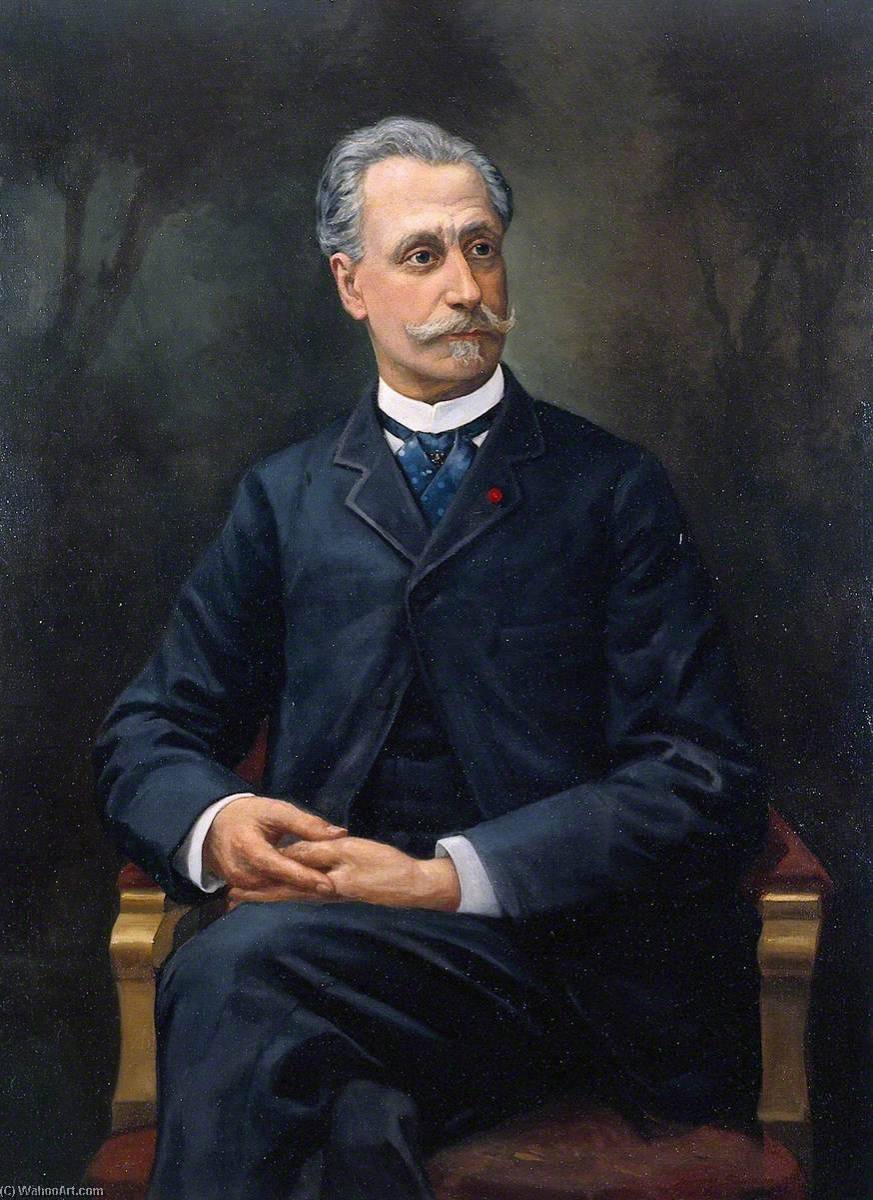
Albert Nachet, Microscopist
 107.0 x 76.0 cm
 Ver mais
Giclée / Impressão de Arte
Impressão giclée ou em tela de qualidade de museu, com produção rápida e opções flexíveis de acabamento. ( Encomendar reprodução pintada à mão Comprar imagem em alta resolução)




































Escolha entre os nossos tamanhos pré-definidos que respeitam as proporções originais da obra de arte.

Você pode inserir suas próprias dimensões para se ajustar a uma moldura ou espaço específico. Se o tamanho selecionado não corresponder às proporções da imagem original, iremos recortar a obra de arte ou estender a imagem com uma borda espelhada ou preenchimento sólido. Um mockup digital será enviado para sua aprovação antes do início da produção.
Por favor, observe que a visualização na tela não reflete o recorte ou a extensão real. Apenas o mockup mostrará com precisão a composição final.
Embora tamanhos personalizados estejam disponíveis, recomendamos selecionar uma dimensão da lista predefinida para preservar as proporções originais.
Entrega mundial () em 2 semanas, em vez das 4/5 semanas padrão. (18 Agosto)

Envio Expresso Gratuito para todo o Mundo

Tela de Linho Premium

Seguro de transporte total

Garantia de Reembolso de Impostos Alfandegários

Garantia de Fidelidade de Cor

Política de Devolução de 60 Dias (Apenas para Defeitos)

Garantia de reembolso de 100%

Desconto para múltiplas unidades
 A opção de vidro está disponível apenas para tamanhos inferiores a 110 cm

Albert Nachet, Microscopist
Giclée / Impressão de Arte
Dimensões da Reprodução
-


Preço Total
$ 80
Biografia do Artista
Harry Herman Salomon: A Pioneer of Psychological Portraiture
Harry Herman Salomon (1860–1936) stands as a singular figure in the history of portrait painting, recognized primarily for his groundbreaking approach to capturing psychological depth within meticulously rendered likenesses. Unlike many artists of his era who prioritized idealized beauty or formal grandeur, Salomon relentlessly pursued realism—not merely visual accuracy but an honest portrayal of inner character and emotional state—a pursuit that profoundly influenced subsequent generations of painters. His work transcends mere representation; it strives for a visceral understanding of the subject’s soul.- Early Life & Influences: Born in Darmstadt, Germany, Salomon's formative years were marked by exposure to intellectual ferment and artistic experimentation. His father, Johannes Hesse, was a respected physician with humanist leanings, fostering an appreciation for scientific observation alongside literary pursuits. This dual influence instilled in Salomon a conviction that art could illuminate the complexities of human psychology—a belief he would champion throughout his career.
- Formal Training & Artistic Development: Salomon studied at Darmstadt Art Academy and later honed his skills in Paris under Gustave Boulanger, whose expressive style challenged academic conventions. Boulanger’s emphasis on dramatic lighting and emotive gesture served as a catalyst for Salomon's artistic evolution, propelling him toward a more psychologically nuanced approach.
The Method of Psychological Portraiture
Salomon’s distinctive technique—often described as “psychological realism”—involved an unprecedented level of observation and analysis. He meticulously studied his subjects' facial expressions, posture, and gestures, attempting to distill their inner thoughts and feelings into visual form. Salomon wasn’t interested in presenting a polished façade; he sought to reveal the vulnerabilities and contradictions inherent in human experience. This dedication to capturing psychological truth distinguishes him from contemporaries who favored decorative or sentimental representations.- Notable Subjects & Artistic Style: Salomon gained renown for his portraits of prominent figures—including Sigmund Freud, Albert Einstein, Henri Matisse, and Marcel Proust—each rendered with remarkable sensitivity. His canvases pulsate with subtle nuances of emotion, conveying not just physical likeness but also intellectual curiosity and spiritual contemplation. Salomon’s palette favored muted tones and atmospheric lighting, creating a contemplative mood that mirrored the psychological landscapes he sought to depict.
- Influence on Subsequent Artists: Salomon's pioneering method profoundly impacted artists who followed him, particularly those interested in exploring the inner life of their subjects. His insistence on confronting uncomfortable truths—both internal and external—established a precedent for artistic honesty and psychological depth that continues to resonate today.
Legacy & Recognition
Harry Herman Salomon’s contribution to art history extends beyond his stylistic innovations; he fundamentally altered the role of portraiture as a medium for conveying human psychology. His unwavering commitment to realism—combined with his profound understanding of human consciousness—solidified his place among the most influential painters of the early 20th century. Today, Salomon's portraits are celebrated for their evocative power and intellectual rigor, serving as enduring reminders of the transformative potential of artistic observation.- Collections & Exhibitions: Salomon’s paintings reside in major museums worldwide—including the Tate Britain in London and the Kunsthalle Düsseldorf—testament to the lasting impact of his work. His portraits continue to captivate audiences with their ability to convey profound emotional resonance and intellectual insight.
Further Exploration
To delve deeper into Harry Herman Salomon’s artistic vision, consider examining reproductions of his paintings alongside biographical accounts detailing his life and influences. Explore resources available at OriginalUniqueArt for detailed information about his oeuvre and its significance within the broader context of modern art.
harry herman salomon
1860 - 1936
Informações Rápidas
- Artistic Movement Or Style: Realism
- Artists Or Movements Influenced By This Artist: ['']
- Artists Who Influenced This Artist: ['']
- Date Of Birth: 1860
- Date Of Death: 1936
- Full Name: Harry Herman Salomon
- Nationality: German
- Notable Artworks:
- Sir Thomas Barlow
- Albert Nachet
- Place Of Birth: Calw, Württemberg

