

 Visualizar na parede
 Compartilhar
 Compartilhar
 Detalhes

 Baixar imagem
 Semelhantes
 Raio X
 Slideshow
Landscape
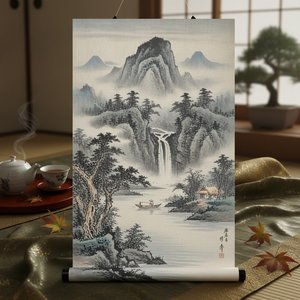
 Shui-mo (Japanese Landscape)
 601
601 32.0cm x 50.0cm
 Ler mais
Reprodução em Óleo Feita à Mão
Óleo sobre tela pintado à mão no tamanho e moldura de sua escolha, feito sob encomenda pelos nossos artistas. ( Comprar impressão Comprar imagem)




































Escolha entre os nossos tamanhos pré-definidos que respeitam as proporções originais da obra de arte.

Pode inserir as suas próprias dimensões para se adequar a uma moldura ou espaço específico. Se o tamanho selecionado não corresponder às proporções da imagem original, iremos cortar a obra de arte ou estender a pintura com elementos adicionais pintados à mão. Um esboço digital será enviado para sua aprovação antes do início da produção.
Tenha em atenção que a pré-visualização no ecrã não reflete o corte ou extensão real. Apenas o esboço mostrará com precisão a composição final.
Embora tamanhos personalizados estejam disponíveis, recomendamos selecionar uma dimensão da lista predefinida para preservar as proporções originais.
Após o pedido, a equipa OriginalUniqueArt.com enviará um e-mail ao cliente para solicitar instruções e fornecer uma prévia do esboço.
Entrega mundial () em 3 a 4 semanas, em vez das 5 semanas padrão. (23 Agosto). Sem comprometer a qualidade.

Envio expresso gratuito para todo o mundo

Tela de Linho de Alta Qualidade

Seguro de transporte completo

Garantia de Reembolso de Impostos Alfandegários

Garantia de Fidelidade Cromática

Política de Devolução em 60 Dias (Apenas para Defeitos)

Garantia de reembolso de 100%

Oferta de desconto por quantidade
 A opção de vidro está disponível apenas para tamanhos inferiores a 110 cm

Landscape
Técnica de Reprodução
Tamanho da Reprodução
-


Preço Total
$ 300
Biografia do Artista
The Ink-Stained Legacy of Hara Naoharu
In the twilight of the Sengoku period and the dawn of the Momoyama era, a profound stillness emerged from the brushstrokes of Hara Naoharu. Born in 1547 in Saga, Japan, Naoharu was not merely a painter but a pioneer who redefined the boundaries of monochrome landscape painting. As the second son of Hara Naoe, the lord of Nogomi Castle, his upbringing was steeped in the refined atmosphere of nobility and the patronage of high culture. This prestigious lineage provided him with more than just social standing; it offered an intimate connection to the artistic currents that would eventually flow through his own legendary hand, shaping the very foundation of the Unkuta School.
The trajectory of Naoharu’s genius was irrevocably altered by his encounter with the teachings of Sesshu Sesshū, the titan of Japanese ink wash painting. Under Sesshu’s tutelage, Naoharu moved beyond mere imitation to grasp the spiritual essence of suiboku-ga. He learned that the true power of ink lies not in the density of the pigment, but in the subtle gradations of tone and the strategic use of empty space. This mastery of tonal variation allowed him to capture the ephemeral qualities of nature—the way mist clings to a mountain peak or how light dissolves into the shadows of a forest—creating works that felt less like static images and more like breathing, living landscapes.
The Essence of the Unkoku School
While his contemporaries in the Kanō school often sought grandeur through elaborate ornamentation and vibrant colors, Naoharu championed a different path: one of restraint, simplicity, and profound spiritual depth. Through the establishment of the Unkoku School, he introduced a stylistic philosophy that resonated with the Zen Buddhist sensibilities of the era. His approach favored the evocative over the explicit, inviting the viewer to participate in a meditative journey through his landscapes.
The technical brilliance of Naoharu’s work is most evident in his treatment of atmosphere and light. His paintings often feature:
- Mountainous Vistas: Majestic peaks that appear to emerge from a sea of clouds, rendered with precise yet fluid ink strokes.
- Seasonal Transitions: The delicate depiction of autumn foliage or the stark, quiet beauty of winter snowscapes, achieved through masterful control of water and ink.
- Atmospheric Depth: A sense of infinite distance created by layering light washes of grey, guiding the eye through layers of mist and shadow.
Historical Significance and Enduring Influence
The historical importance of Hara Naoharu extends far beyond his individual technical achievements. He acted as a bridge between the classical traditions of the Muromachi period and the evolving aesthetic demands of the Momoyama era. By prioritizing monochrome landscapes that emphasized spiritual contemplation, he provided a visual language for a society seeking stability and introspection amidst political transformation. His ability to utilize the medium of screens to present expansive, immersive worlds demonstrated a versatility that would inspire generations of Japanese painters.
Today, Naoharu is remembered as a master of suiboku-ga whose work remains a testament to the beauty of the understated. His legacy lives on in every brushstroke that seeks to capture the soul of the natural world through the humble medium of ink. Through his eyes, we continue to witness the serene majesty of the Japanese landscape, frozen in time yet eternally moving within the delicate dance of black and white.

hara naoharu
1547 - 1618 , Japan
Dados Rápidos
- Artistic Movement Or Style: Suiboku-ga (Water-Ink Painting)
- Artists Or Movements Influenced By This Artist: kanō school
- Artists Who Influenced This Artist: sesshū
- Date Of Birth: 1547
- Full Name: Hara Naoharu
- Nationality: Japanese
- Notable Artworks: ['Landscape']
- Place Of Birth: Saga, Japan
Artigos Relacionados

Katsushika Hokusai: As 25 Obras-Primas que Definem um Mestre da Arte Japonesa
Descubra as 25 obras-primas de Katsushika Hokusai, o mestre do ukiyo-e! Explore a história por trás de 'A Grande Onda' e outras gravuras japonesas icônicas. Encontre reproduções de arte exclusivas para decorar sua casa com elegância em OriginalUniqueArt.com.
Serenity on Canvas: A Guide to the Timeless Beauty of Japanese Landscape Painting
Discover the serene beauty of Japanese landscape painting. From Hokusai's iconic woodblock prints to meditative sumi-e ink washes, explore a visual journey through the 'floating world' and learn how to bring this timeless Zen aesthetic into your modern home decor.

Os 10 Mestres da Paisagem Romântica: Arte para Inspirar a Sua Casa
Descubra os 10 quadros mais emblemáticos da Paisagem Romântica! Explore a história de Turner, Friedrich e outros mestres. Encontre reproduções de arte exclusivas para inspirar sua decoração em OriginalUniqueArt.com.

Zen on Canvas: The Timeless Beauty and Spiritual Depth of Japanese Landscape Painting
Explore the profound serenity of Japanese landscape painting. From Hokusai's waves to Zen-inspired ink washes, discover the history, technique, and spiritual depth of Ukiyo-e masters in this expert art historical guide for collectors and enthusiasts.

Evocations of Place: A Historical Journey Through Landscape Art
Explore the rich history of landscape art with OriginalUniqueArt. Discover renowned artists, movements like Impressionism & Romanticism, and expert guidance for collecting timeless pieces. Find your perfect serene escape today!

